Hotels in Myanmar
3 cities · 4 hotels
Photo by Majkell Projku on Unsplash
Myanmar: Ancient Kingdoms and the Irrawaddy Plain
Myanmar sits at the crossroads of South and Southeast Asia, sharing borders with China, Thailand, Laos, India, and Bangladesh. The country stretches roughly 2,000 km from the Himalayan foothills in the north to the Myeik Archipelago in the south — more than 800 islands scattered across the Andaman Sea. At its geographic heart, the Irrawaddy River runs 2,170 km, connecting agricultural lowlands to delta wetlands and sustaining most of the country's 54 million people.
Cities Worth Exploring
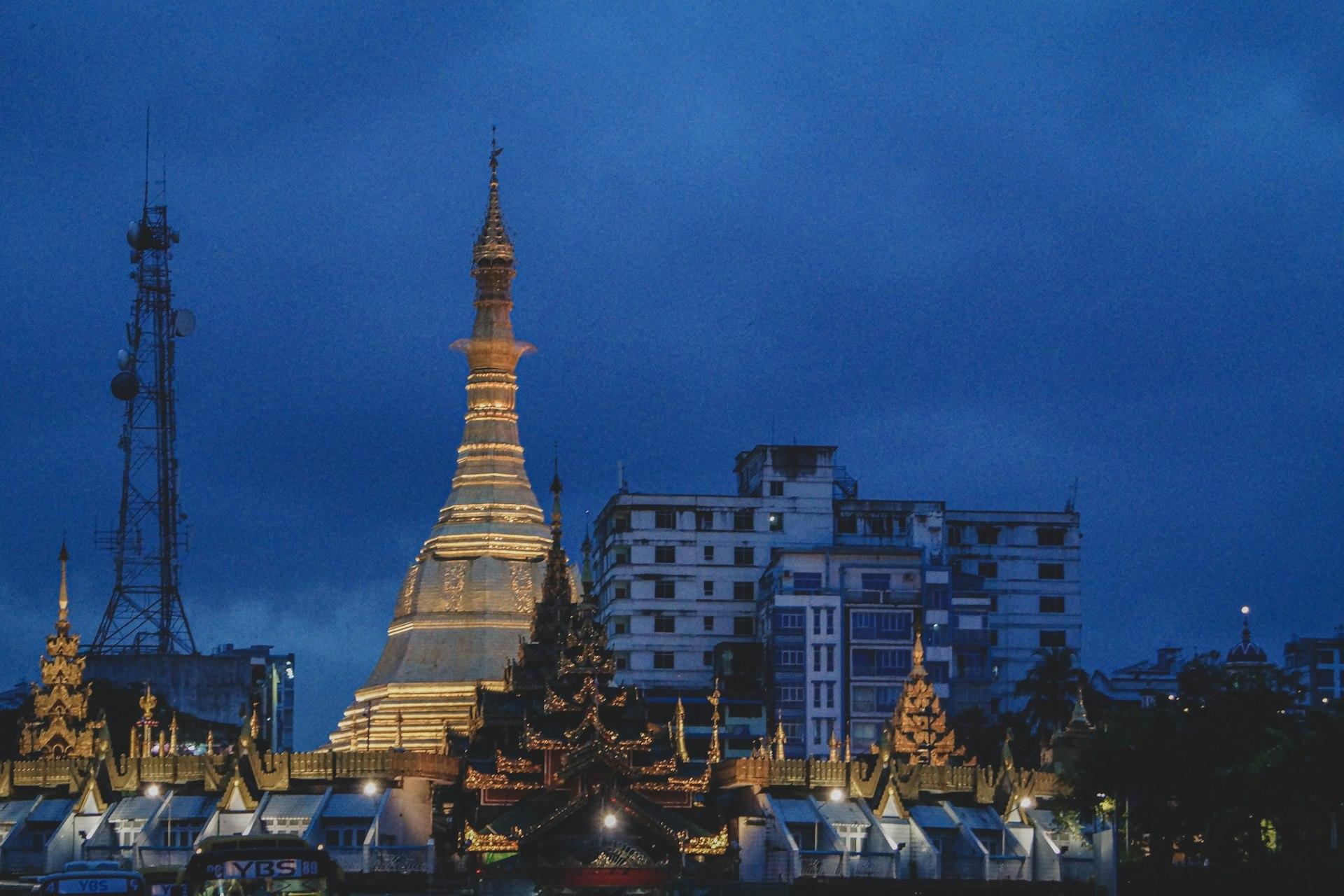
Yangon, the commercial capital, holds the country's largest hotel inventory. The gilded Shwedagon Pagoda — consecrated over 2,600 years ago and rising 98 metres — anchors the city's northern ridge. The colonial-era Strand Road district retains early-20th-century British architecture alongside riverside restaurants. Mandalay, 716 km north, serves as the gateway to Upper Myanmar and the last royal capital of the Konbaung dynasty, established in 1857. Its grid of monasteries, jade markets along Zegyo Bazaar, and the teak Shwenandaw Monastery draw cultural travelers year-round.
Bagan and the Temple Plains
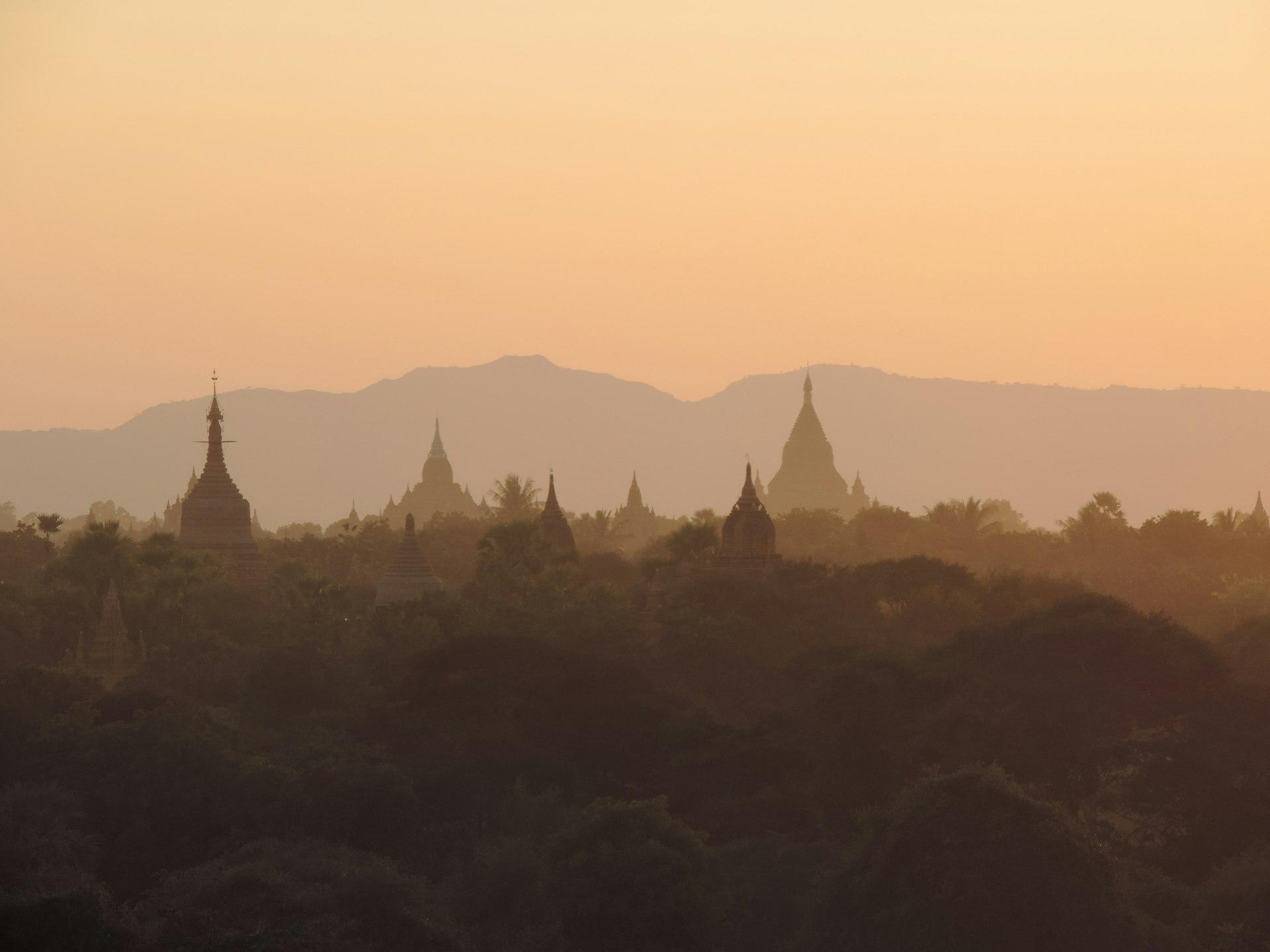
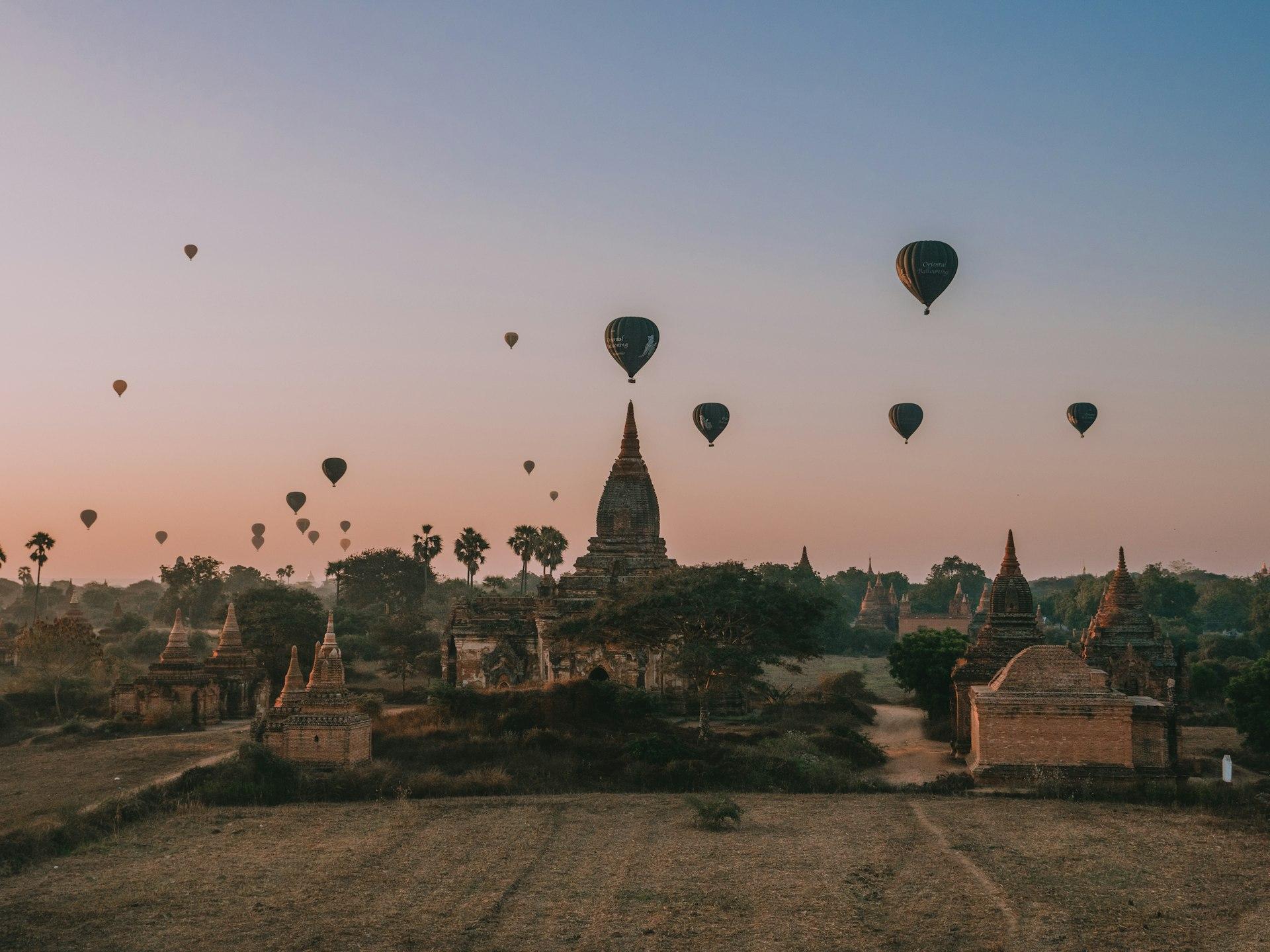
Bagan contains more than 3,500 surviving religious monuments spread across a 42 sq km plain in the Mandalay Region. Built between the 9th and 13th centuries during the First Burmese Empire, the concentration of pagodas, stupas, and temples is unmatched in Southeast Asia. Hot-air balloon flights over the plain operate November through February. Inle Lake in Shan State, situated at 880 metres elevation, offers a different landscape: floating villages, leg-rowing fishermen, and stilt-house monasteries accessible by longtail boat. The Kalaw to Inle trekking route covers roughly 65 km through Shan and Pa-O hill-tribe settlements.
When to Visit Myanmar
The dry season from November to February is the primary travel window. Temperatures stay manageable — around 25–30°C in the central plains — and rainfall is minimal across most regions. March and April bring extreme heat, with Mandalay regularly exceeding 40°C. The southwest monsoon arrives in May and lasts through October, closing some mountain roads but filling the Irrawaddy and greening the Bagan plain. Thingyan, the water festival marking the Burmese New Year, falls in mid-April and draws large crowds to Yangon and Mandalay.
Practical Tips for Visiting Myanmar
- Currency: The kyat (MMK) is the local currency; USD notes in mint condition are accepted at many hotels and exchange counters.
- Getting around: Domestic flights connect Yangon, Mandalay, Bagan (Nyaung-U Airport), and Heho (for Inle Lake) in under two hours. Overnight trains and express buses link major cities at lower cost.
- Visas: Most nationalities require a visa; the e-Visa is available online with a 3-business-day processing window.
- Connectivity: SIM cards with data are available at Yangon International Airport on arrival from operators including Ooredoo and MPT.
- Altitude: Pack a warm layer for Inle Lake evenings — temperatures drop to 10°C in January.
Frequently Asked Questions
Q: What is the best base for visiting Bagan? A: Nyaung-U town, 5 km from the main temple zone, holds the widest range of hotels at varying price points. New Bagan and Old Bagan villages offer options closer to the archaeological zone but with fewer budget choices.
Q: Is Yangon or Mandalay better for first-time visitors? A: Yangon suits travelers arriving internationally, with a larger hotel supply and direct flights from Bangkok, Singapore, and Kuala Lumpur. Mandalay requires an additional domestic leg but puts visitors within day-trip range of Amarapura, Sagaing, and Mingun.
Q: How many days does Inle Lake require? A: Two full days cover the core lake circuit by boat, including Phaung Daw Oo Pagoda and the floating gardens of Indein. A third day allows for the morning market rotation across lakeside villages.
Q: What currency should travelers carry? A: Kyat is required for most local transactions. Crisp, unfolded USD bills (2006 or newer) exchange at competitive rates at licensed counters in Yangon and Mandalay.