Hotels in Namibia
5 cities · 9 hotels
Photo by Wikimedia Commons on Unsplash
Namibia: Desert Vastness, Ancient Dunes, and Skeleton Coast Wilderness
Namibia gained independence on 21 March 1990, making it one of Africa's youngest nations. Covering 824,292 km², it holds fewer than 3 million people — one of the lowest population densities on Earth. The Namib Desert, stretching 2,000 km along the Atlantic coast, is considered the world's oldest desert at roughly 55 million years. That geological age gives the landscape a raw, otherworldly quality that draws photographers, wildlife researchers, and overland travelers from across the globe.
Cities Worth Exploring
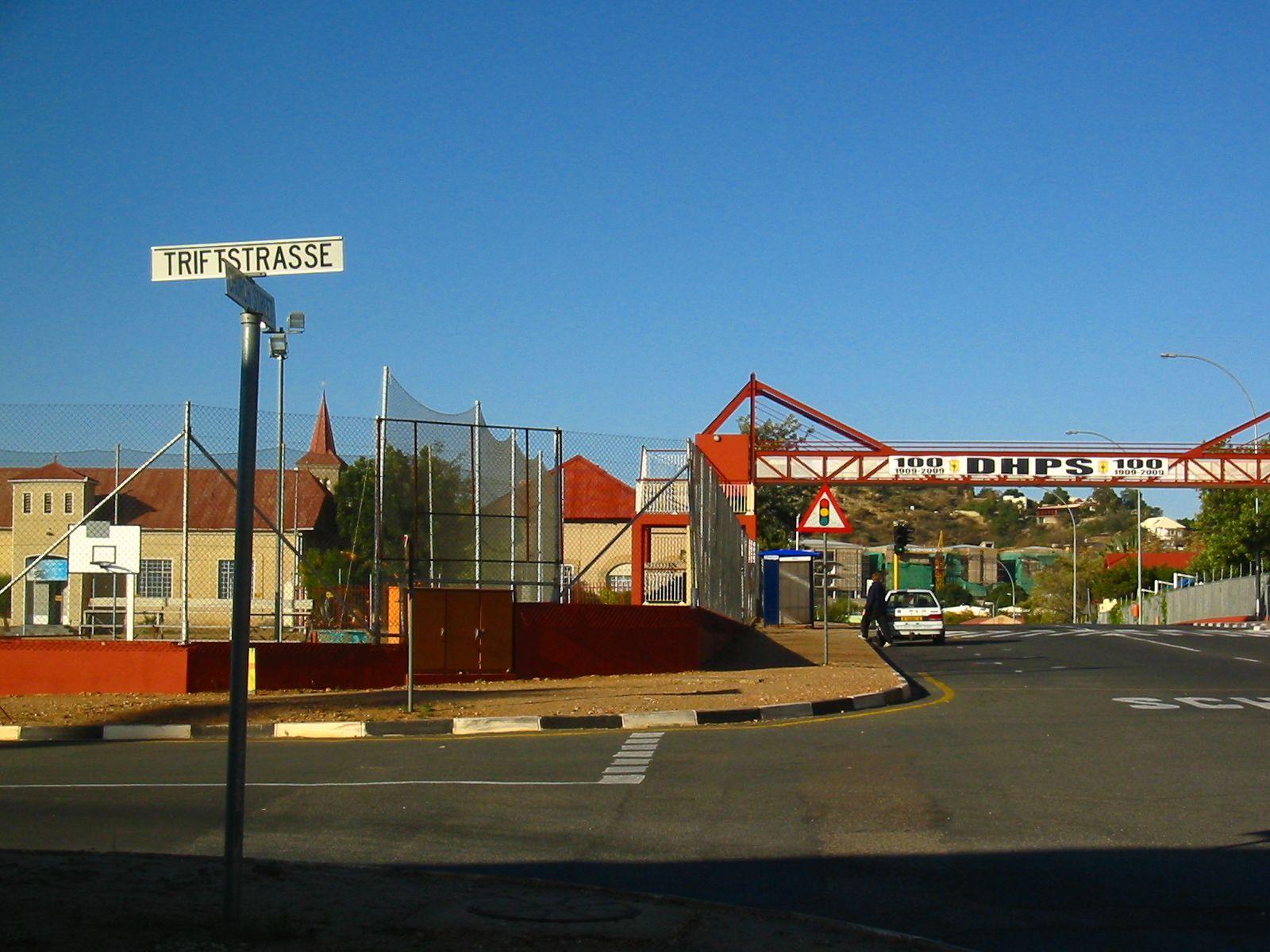
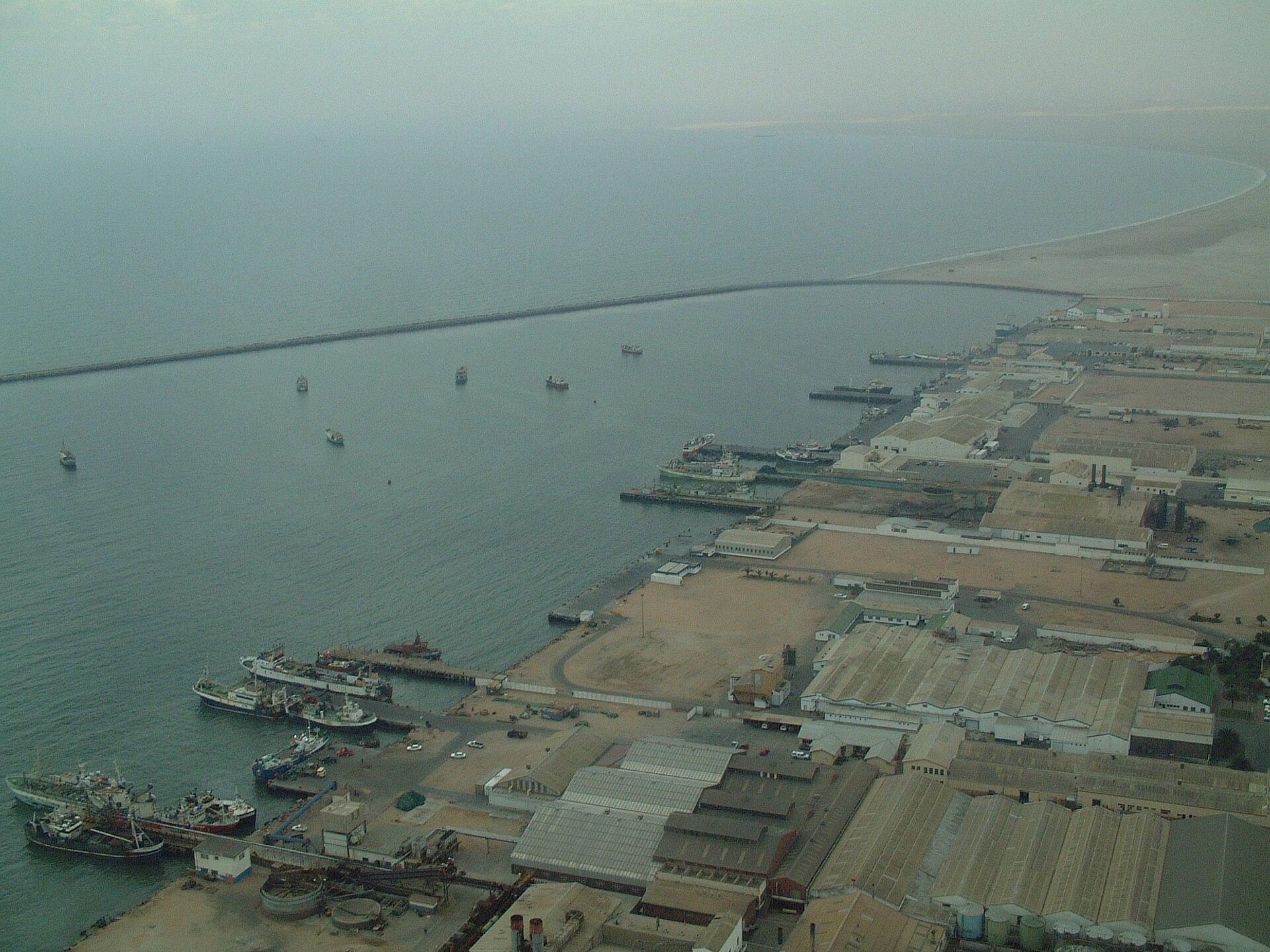
Windhoek, the capital, sits at 1,654 m above sea level in the Khomas Highland. Its compact German colonial quarter — Christ Church (1910), the Alte Feste fortress museum, and the Christuskirche precinct — can be walked in a half-day. Swakopmund, 360 km west on the Atlantic, blends Bavarian architecture with desert adventure sports: quad-biking on coastal dunes, kayaking with Cape fur seals at Pelican Point, and sandboarding the Dorob National Park corridors. Lüderitz in the far south anchors the ghost-town circuit around Kolmanskop, an abandoned diamond-mining settlement swallowed by sand since the 1950s.
Key Regions and Natural Landmarks
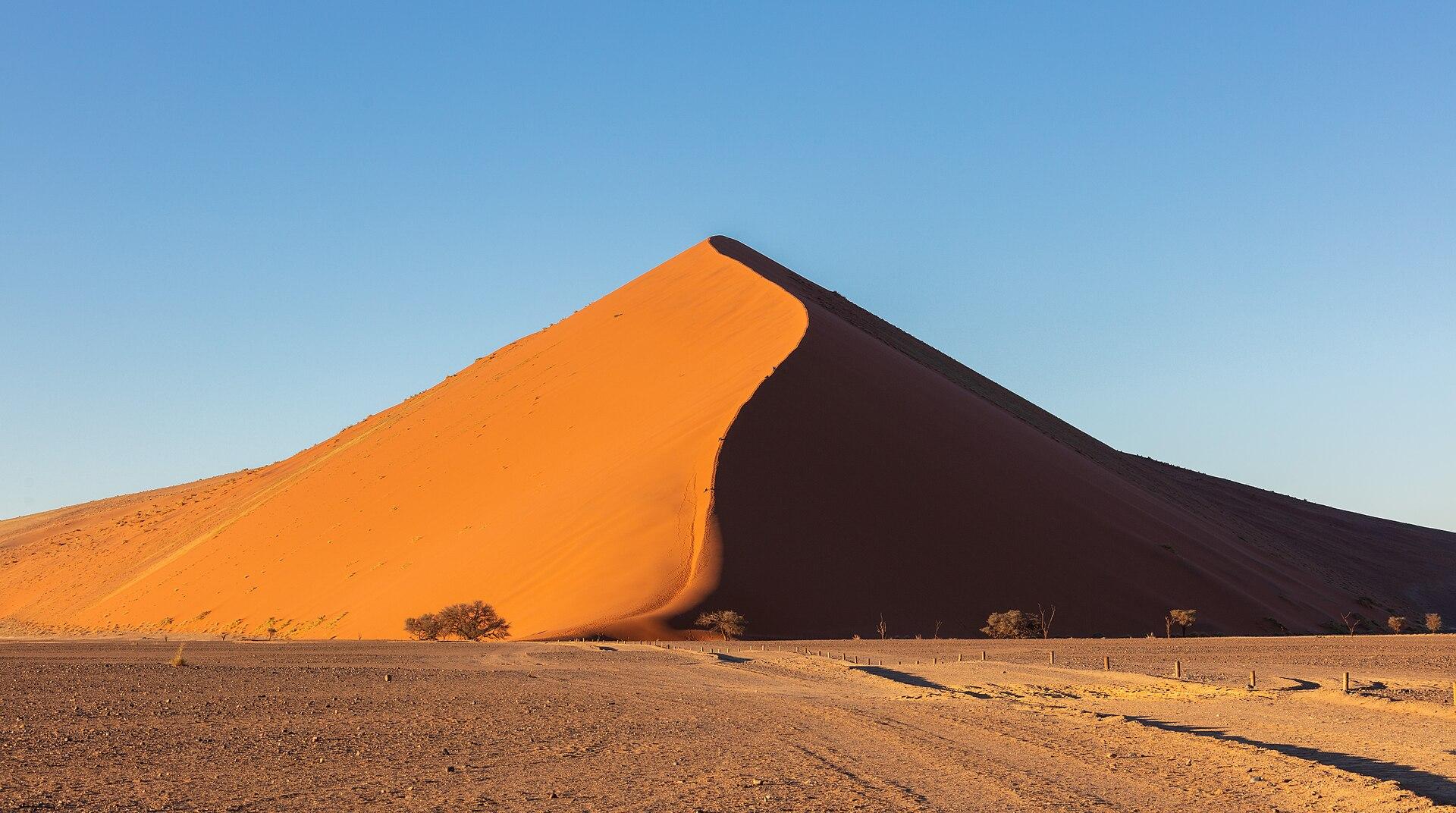
The Etosha National Park in northern Namibia — 22,270 km² of salt pan and thornveld — concentrates black rhino, lion, elephant, and cheetah around permanent waterholes. The Sossusvlei clay pan inside Namib-Naukluft National Park holds Dune 45 and Big Daddy, whose crest tops 325 m, among the tallest dunes accessible on foot anywhere. The Caprivi Strip (now the Zambezi Region) in the northeast borders Botswana, Zambia, and Zimbabwe, giving access to riverine woodland and Bwabwata National Park. The Skeleton Coast north of Swakopmund is a restricted wilderness zone managed by the Namibian Ministry of Environment; fly-in camps operate under strict concession limits.
When to Visit Namibia
The dry season runs May through October. Etosha game viewing peaks July–September when water sources shrink and animals concentrate at floodlit waterholes. Sossusvlei dunes photograph best at dawn in the cooler months of June–August. The rainy season (November–April) brings green desert landscapes and migratory birds to the Caprivi wetlands but can close sand roads in remote areas. Coastal Swakopmund stays overcast year-round due to the cold Benguela Current — average daily highs rarely exceed 22 °C even in summer.
Practical Tips for Visiting Namibia
- Getting around: Self-drive on gravel B-roads is the standard approach; a 4×4 is essential for Damaraland, Kaokoveld, and Skeleton Coast routes. Fuel stations are sparse — carry a 20-litre reserve can beyond Opuwo or Sesfontein.
- Currency: Namibian dollar (NAD) pegged 1:1 to South African rand; rand accepted everywhere.
- Visas: Citizens of the EU, UK, USA, and most Commonwealth countries receive 90-day entry stamps on arrival.
- Health: Malaria prophylaxis is recommended for the Caprivi/Zambezi Region and Kavango; the rest of the country is low-risk.
- Book lodges early: Sossusvlei and Etosha concession camps fill 6–12 months ahead for peak-season dates.
Frequently Asked Questions
Q: What is the best base for visiting Sossusvlei? A: Sesriem village, 5 km from the park gate, is the nearest accommodation hub. Guests staying inside the park at Sossus Dune Lodge can enter before public gate-opening time at dawn, which gives an hour of unshared dune access.
Q: Is Namibia safe for solo travelers? A: Windhoek's central districts and major tourist corridors carry a moderate urban-crime risk comparable to other southern African capitals. Remote bush routes present no political instability but require mechanical preparedness and a satellite communicator.
Q: How many days does Namibia need? A: A focused itinerary covering Windhoek, Sossusvlei, and Etosha requires a minimum of 10 days. Adding Swakopmund, Damaraland (Twyfelfontein rock engravings, a UNESCO World Heritage Site since 2007), and the Caprivi Region extends the trip to 18–21 days.
Q: What currency and budget should travelers expect? A: Mid-range lodge accommodation runs NAD 1,500–3,500 per person per night (roughly USD 80–190 at 2025 rates). Fly-in luxury camps in restricted concession zones start near USD 600 per person per night all-inclusive.