
Hotels in Niger
1 cities · 0 hotels
Photo by Michel Isamuna on Unsplash
Niger: Sahara Gateway and Sahel Crossroads
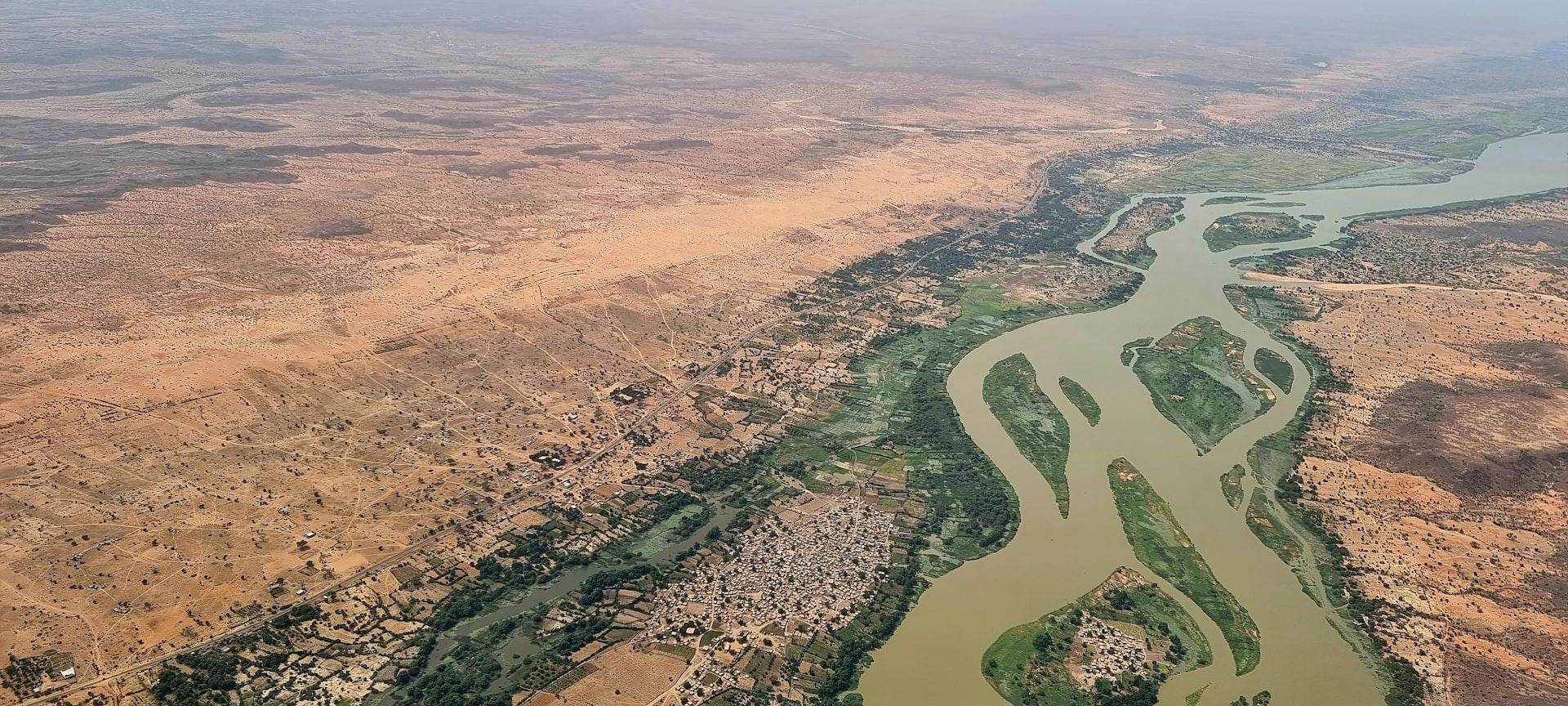
Niger is a landlocked West African republic covering 1.27 million km², making it one of the largest countries on the continent by area. More than two-thirds of that area is Sahara desert, including the Aïr Mountains in the north — a UNESCO World Heritage landscape of volcanic peaks rising above 2,000 m. The Niger River curves through the southwest, feeding irrigated farmland and sustaining the historic city of Niamey, the capital. This geography shapes everything: culture, cuisine, trade routes, and the rhythms of travel.
Cities Worth Exploring
Niamey, on the left bank of the Niger River, is the commercial and administrative centre. The Grand Marché sells indigo textiles, tuareg silver jewelry, and dried spices across hundreds of stalls. The Musée National du Niger holds prehistoric rock carvings, traditional architecture replicas, and a live zoo section with West African giraffes. Agadez, roughly 900 km northeast of Niamey, is a medieval Saharan city and a UNESCO World Heritage Site since 2013. Its 27-metre mud-brick minaret, built in the 16th century, is the tallest mud-brick structure in the world. The old town's artisan quarter produces hand-tooled leather and finely worked silver.
The Aïr and Ténéré: Desert Landscapes in Scale
The Aïr and Ténéré Natural Reserves together cover 7.7 million hectares — one of the largest protected areas in Africa. The Ténéré Desert extends east from the Aïr massif into a near-absolute sand sea; the Arbre du Ténéré, once considered the most isolated tree on Earth, stood here until 1973. Prehistoric rock art dating back 6,000 years is etched across rock faces near Iférouane and Timia. Organised 4×4 expeditions from Agadez allow travelers to reach the Djado Plateau, a remote canyon landscape near the Libyan border with abandoned medieval fortresses.
When to Visit Niger
The optimal travel window runs from November to February, when temperatures in Niamey average 28–34 °C and the harmattan dust haze is less intense than in March–April. The north is coolest in December and January, with Agadez nights dropping to around 10 °C. The Cure Salée festival, held annually near In-Gall at the start of the rainy season (typically September), draws Tuareg and Wodaabe pastoralists for camel races, courtship ceremonies, and livestock trading — one of the Sahel's most significant cultural gatherings. The rainy season (June–September) makes southern tracks difficult but turns the Niger River valley green.
Practical Tips for Visiting Niger
- Visa: Most nationalities require a visa; apply through a Niger embassy in advance as on-arrival options are limited.
- Currency: West African CFA franc (XOF); ATMs are available in Niamey but rare outside the capital — carry cash for regional travel.
- Getting around: Shared bush taxis connect major southern towns; 4×4 hire with a local guide is necessary for Aïr and Ténéré routes.
- Health: Yellow fever vaccination is mandatory for entry; malaria prophylaxis is recommended for the rainy season.
- Security: Check current foreign ministry advisories before travel; northern and eastern regions carry elevated risk ratings as of 2025.
- Language: French is the official language; Hausa and Zarma are widely spoken in everyday commerce.
Frequently Asked Questions
Q: What is the best base for exploring the Aïr Mountains? A: Agadez is the standard departure point for Aïr expeditions. Most 4×4 tours are organised there, with routes heading north toward Iférouane and Timia within two to three days of driving.
Q: Is Niger safe for tourists? A: Niamey and the southwest see regular visitor traffic, but large parts of the north and east carry active travel advisories from multiple governments. Travelers should consult current advisories and consider registered local operators for any desert itinerary.
Q: What currency is used and can travelers use cards? A: Niger uses the West African CFA franc (XOF). Credit cards work at a small number of Niamey hotels and some banks; outside the capital, cash is essential.
Q: What type of accommodation is available? A: Niamey has mid-range hotels and several international-affiliated properties. Agadez offers smaller guesthouses and traditional courtyard lodgings. Prices range from around USD 25 for a basic room to USD 100–150 for an air-conditioned hotel in the capital.
Q: Which festival is most associated with Niger's Tuareg culture? A: The Cure Salée, held near In-Gall each September, is the key cultural event. It marks the end of the rainy season and draws nomadic communities for ceremonial dances, camel races, and the traditional Wodaabe Gerewol courtship display.