Hotels in Algarve
3 cities · 262 hotels
Photo by Ioana Mohanu on Unsplash
Portugal's Sun-Drenched Southern Coast
The Algarve stretches across Portugal's southernmost tip, where golden limestone cliffs tumble into the Atlantic and fishing villages share the coastline with lively resort towns. This region draws visitors year-round with its warm climate, remarkable beaches, and a slower pace of life that feels worlds away from Lisbon's bustle. Whether you're after dramatic sea caves, championship golf courses, or fresh grilled sardines at a harbourside café, the Algarve delivers on nearly every front.
Beaches and Coastline
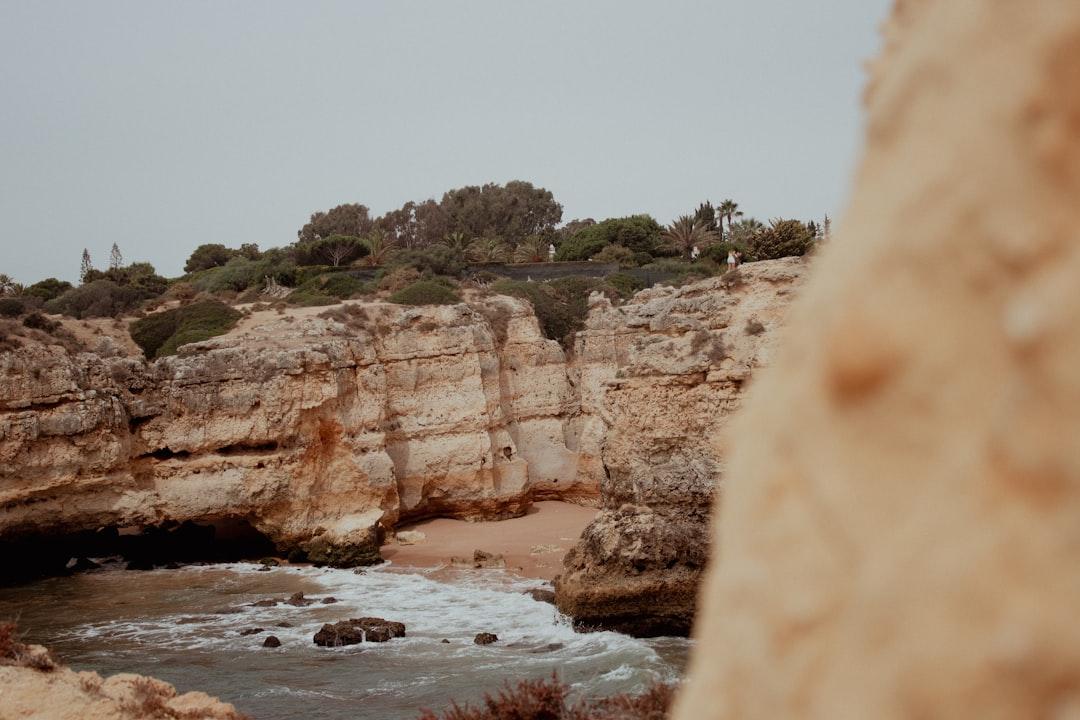
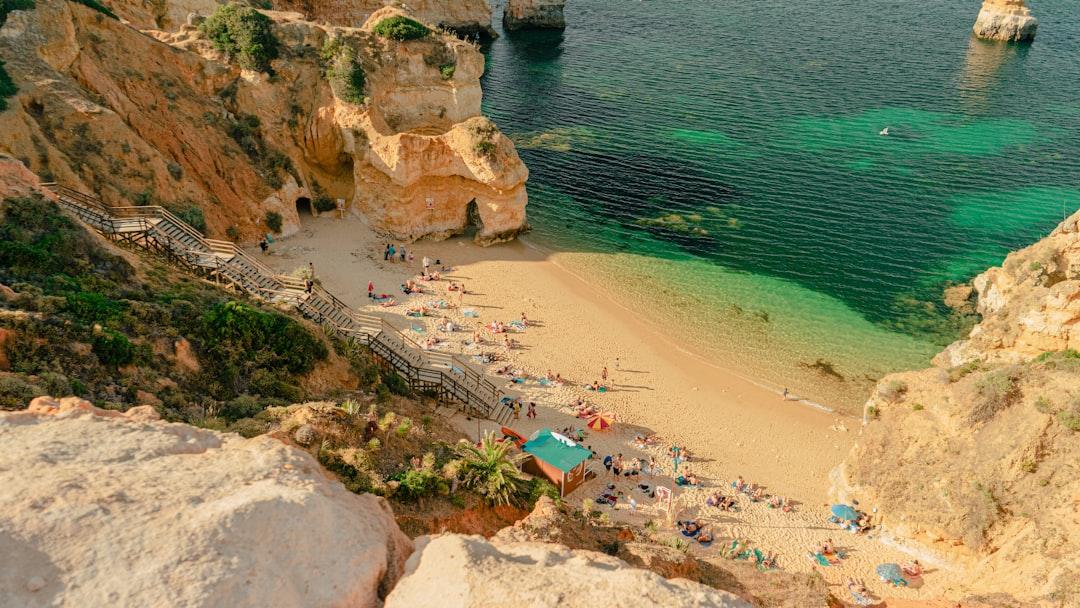
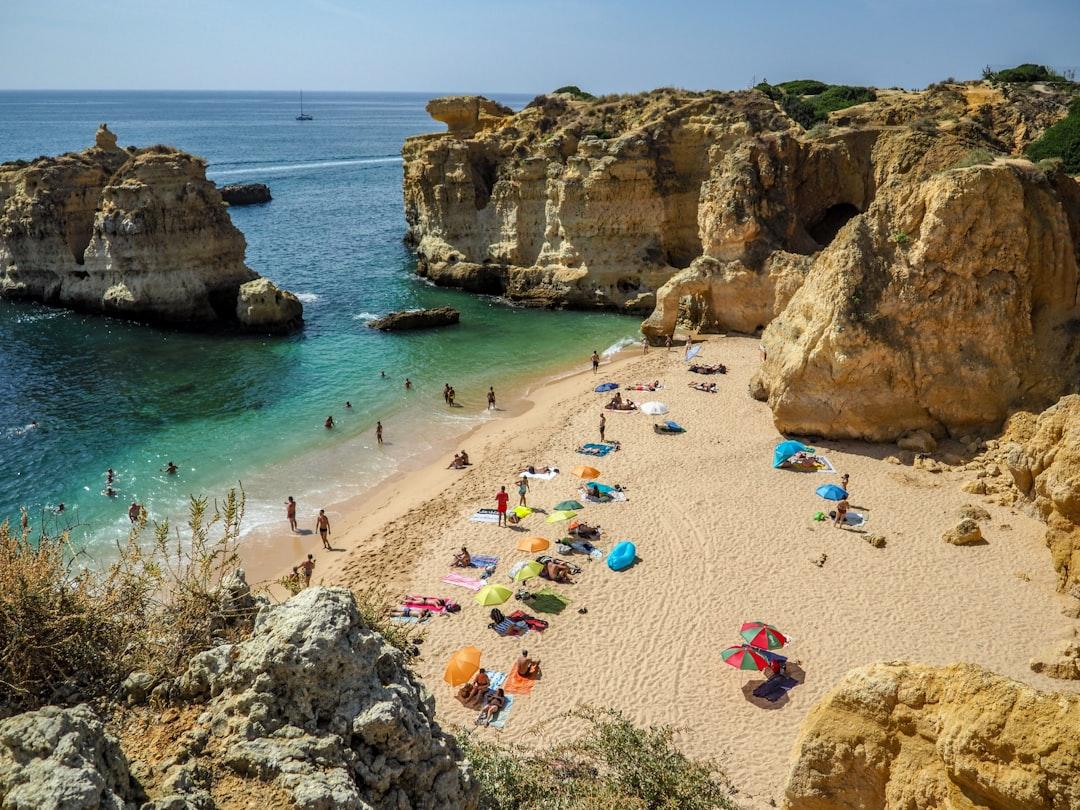
The Algarve coastline is one of Europe's most varied. The western stretch, known as the Costa Vicentina, falls within a protected natural park and features wilder, windswept beaches popular with surfers. Moving east toward Faro and the Spanish border, the landscape softens into the Ria Formosa — a lagoon system of barrier islands, tidal flats, and calm sandy shores perfect for families. In between, iconic spots like Praia da Marinha and Praia de Dona Ana showcase the region's signature amber rock formations and sea-carved arches.
Towns Worth Exploring
Lagos is a favourite base for travellers, combining a well-preserved old town enclosed by medieval walls with easy access to some of the coast's most photogenic beaches. Faro, the regional capital, is often overlooked but rewards curious visitors with a charming walled city centre, a bone chapel inside the Igreja das Carmelitas, and direct access to the Ria Formosa by ferry. Tavira, in the quieter eastern Algarve, is widely regarded as one of Portugal's most beautiful towns, with Roman bridge ruins, whitewashed churches, and a relaxed café culture.
Food, Wine, and Local Life
Algarve cuisine leans heavily on the sea. Cataplana — a slow-cooked seafood stew named after the copper pot it's prepared in — is the dish most closely associated with the region. Fresh tuna, octopus, and clams appear on menus throughout the summer months. The interior hills around Silves and Monchique produce local wines, medronho (arbutus berry spirit), and a surprising variety of citrus and almond products. Markets in towns like Loulé offer a genuine window into everyday Algarvian life.
Practical Tips
- Best time to visit: May to October brings warm, dry weather. June through August is peak season with higher prices and larger crowds. April and October offer a pleasant balance of good weather and fewer visitors.
- Getting around: A rental car is the most practical option for exploring beyond the main resort strips. Trains connect Faro, Tavira, Lagos, and several towns along the coast.
- Currency: Euro (€). Most restaurants and hotels accept cards, but carry cash for markets and smaller cafés.
- Language: Portuguese is the official language; English is widely spoken in tourist areas.
- Day trips: The Algarve is within easy driving distance of the Alentejo wine region and the historic city of Évora for those wanting an inland contrast.