
Hotels in Portugal
43 cities · 927 hotels
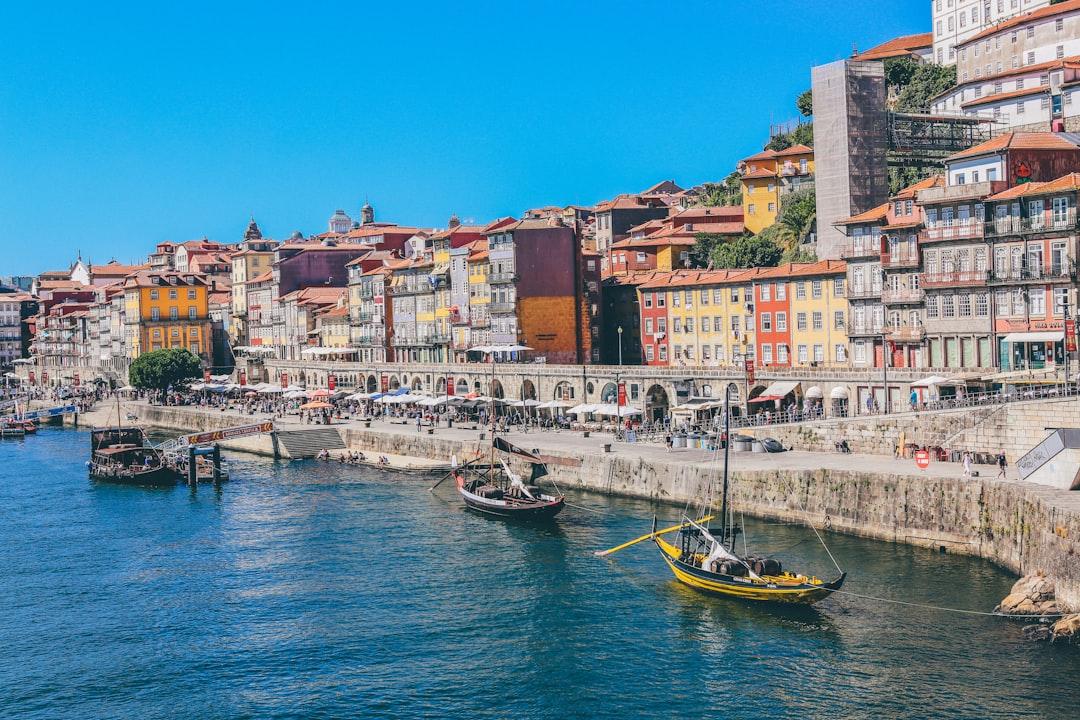
Photo by Nick Karvounis on Unsplash
Portugal
Portugal sits at the southwestern edge of Europe, where the Atlantic Ocean meets centuries of seafaring history, golden coastlines, and a culture that rewards slow travel. From the tiled facades of Lisbon's hillside neighborhoods to the vine-terraced valleys of the Douro, this compact country packs an extraordinary range of experiences into a relatively small footprint.
Cities Worth Exploring
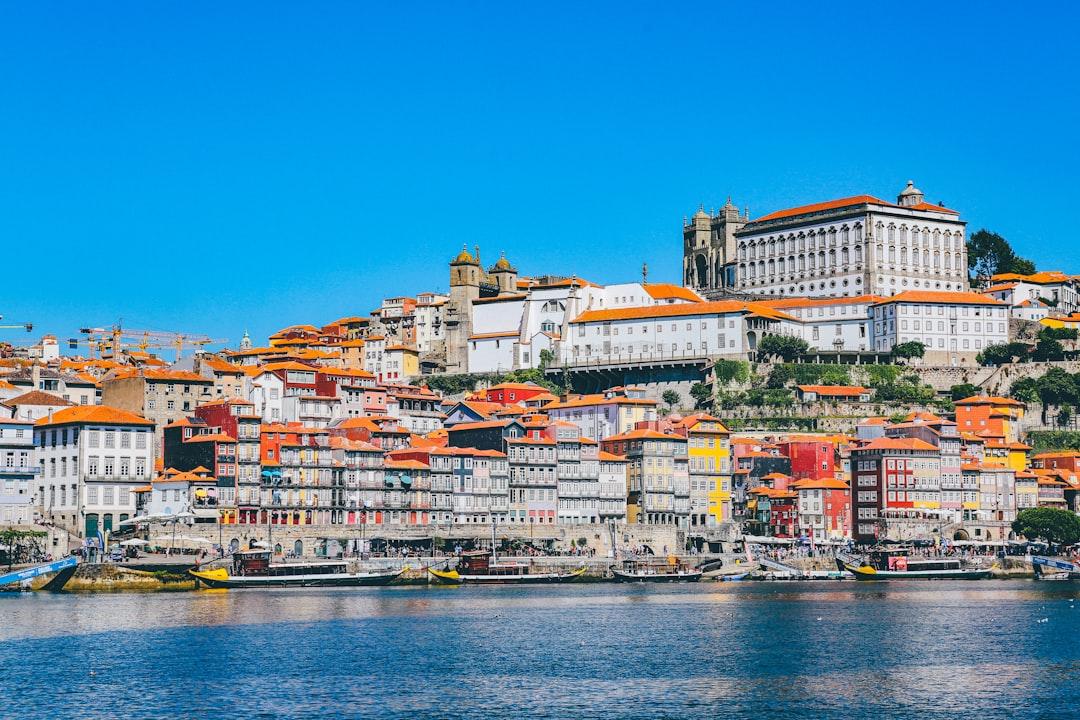
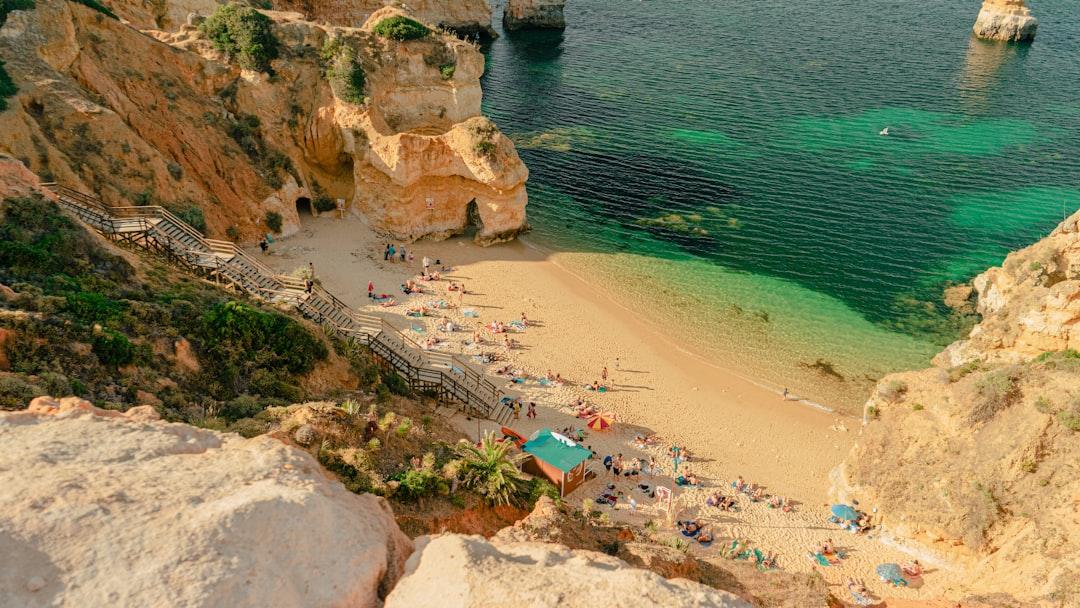
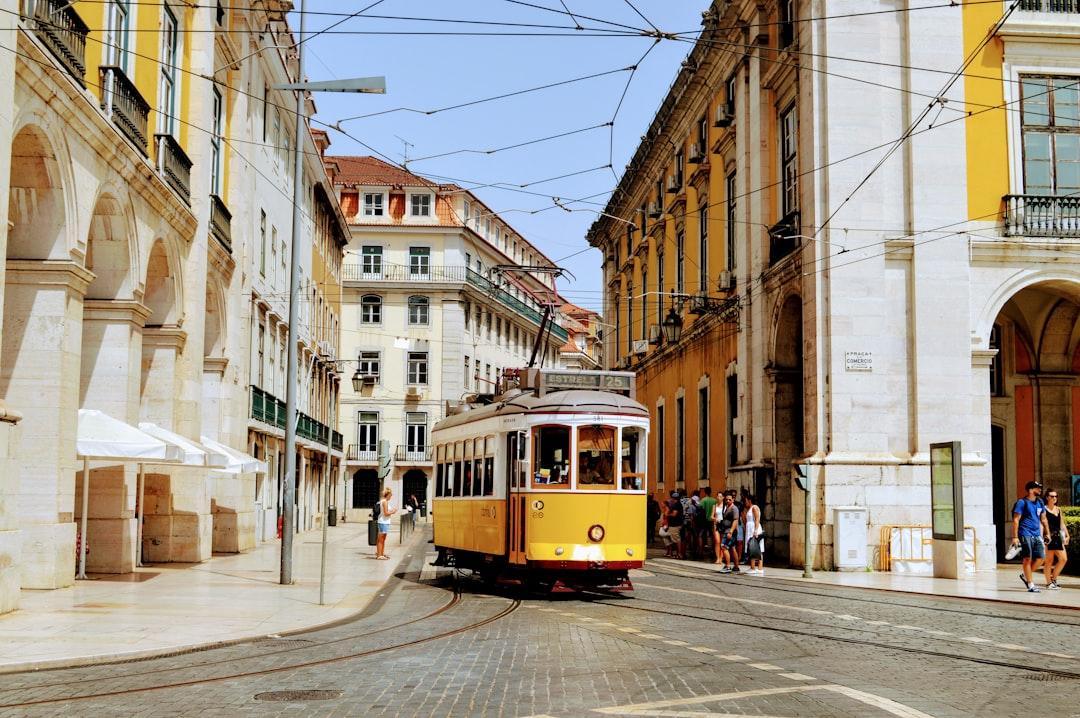
Lisbon, the capital, is one of Europe's most walkable capitals — a city of seven hills, vintage trams, and neighborhoods like Alfama and Bairro Alto that hum with fado music after dark. Porto, Portugal's second city, draws visitors with its baroque tower of Igreja dos Clérigos, its port wine cellars lining the Gaia waterfront, and its celebrated tile-covered São Bento railway station. Further south, the Algarve's cliff-edged towns like Lagos and Albufeira offer a more resort-focused experience.
Landscapes and Natural Beauty
Portugal's geography is quietly varied. The Alentejo region stretches across cork oak plains and medieval hilltop villages, while the Douro Valley carves a dramatic route through terraced vineyards recognized by UNESCO. The Sintra hills, just outside Lisbon, are dotted with fairy-tale palaces and forested walking trails. For those seeking wilder terrain, the Peneda-Gerês National Park in the north is Portugal's only national park, offering granite peaks, waterfalls, and ancient Roman roads.
Food, Wine, and Local Life
Portuguese cuisine is honest and deeply satisfying. Bacalhau (salt cod) appears in dozens of traditional preparations, while grilled sardines are a summer staple best enjoyed at an outdoor table. Pastéis de nata — the flaky custard tarts originating from Belém — are eaten at breakfast or any other time the opportunity arises. Portuguese wine deserves serious attention: Vinho Verde from the Minho region offers a crisp, slightly effervescent style, while the Douro produces robust reds and, of course, the world-famous Port wines.
Practical Tips
- Getting around: Trains connect Lisbon, Porto, and the Algarve efficiently. Rural areas are best explored by rental car.
- Best time to visit: Spring (April–June) and early autumn (September–October) offer mild weather and fewer crowds than peak summer.
- Currency: Euro (€). ATMs are widely available.
- Language: Portuguese is the official language; English is widely spoken in tourist areas.
- Tipping: Not mandatory but rounding up the bill or leaving 5–10% is appreciated in restaurants.
Cities in Portugal
Porto hotels
Portugal · 140 hotels
Lagos hotels
Algarve · 116 hotels
Lisbon hotels
Portugal · 111 hotels
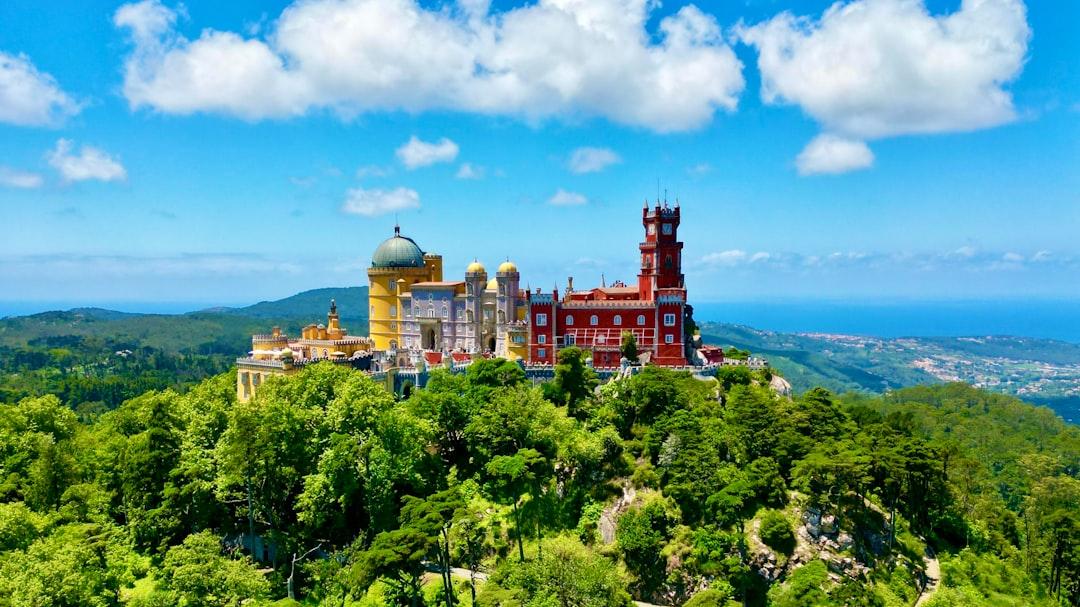
Sintra hotels
Portugal · 98 hotels
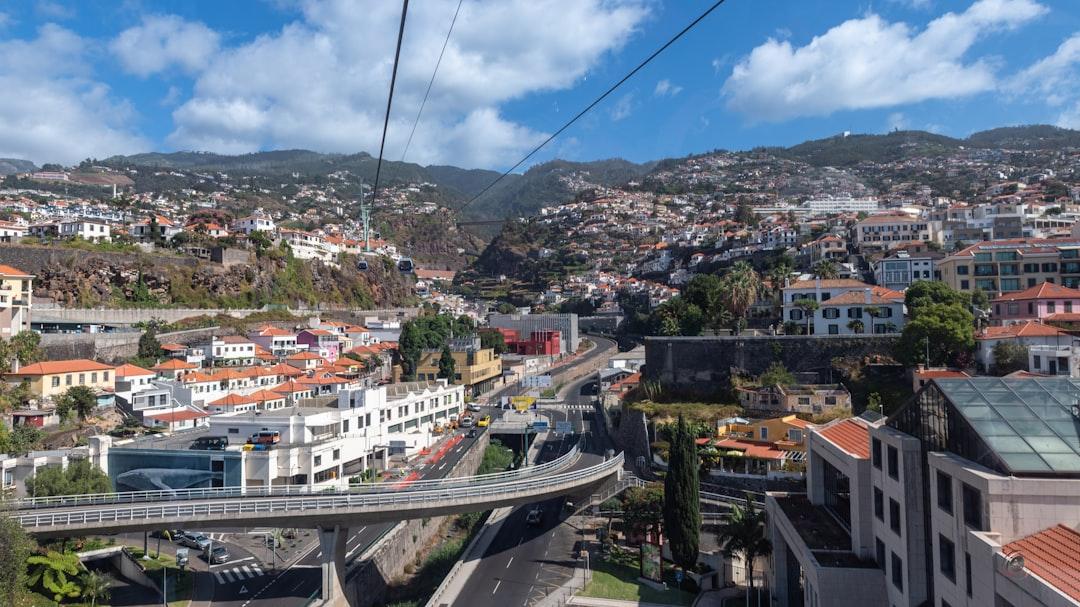
Funchal hotels
Madeira · 84 hotels
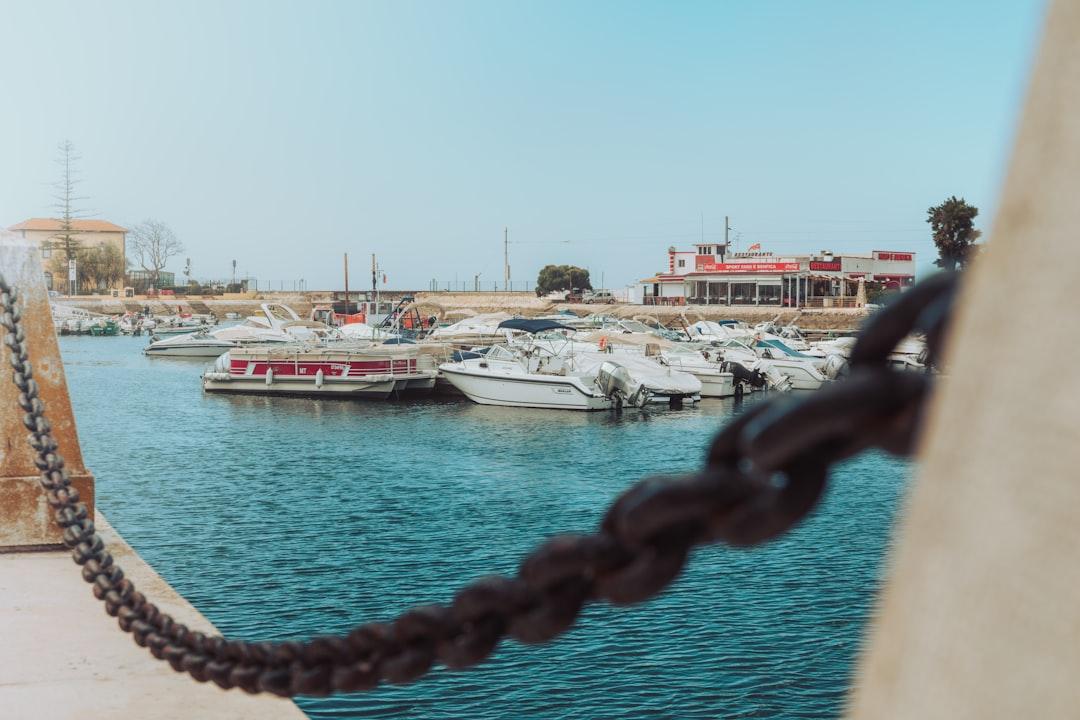
Faro hotels
Algarve · 76 hotels
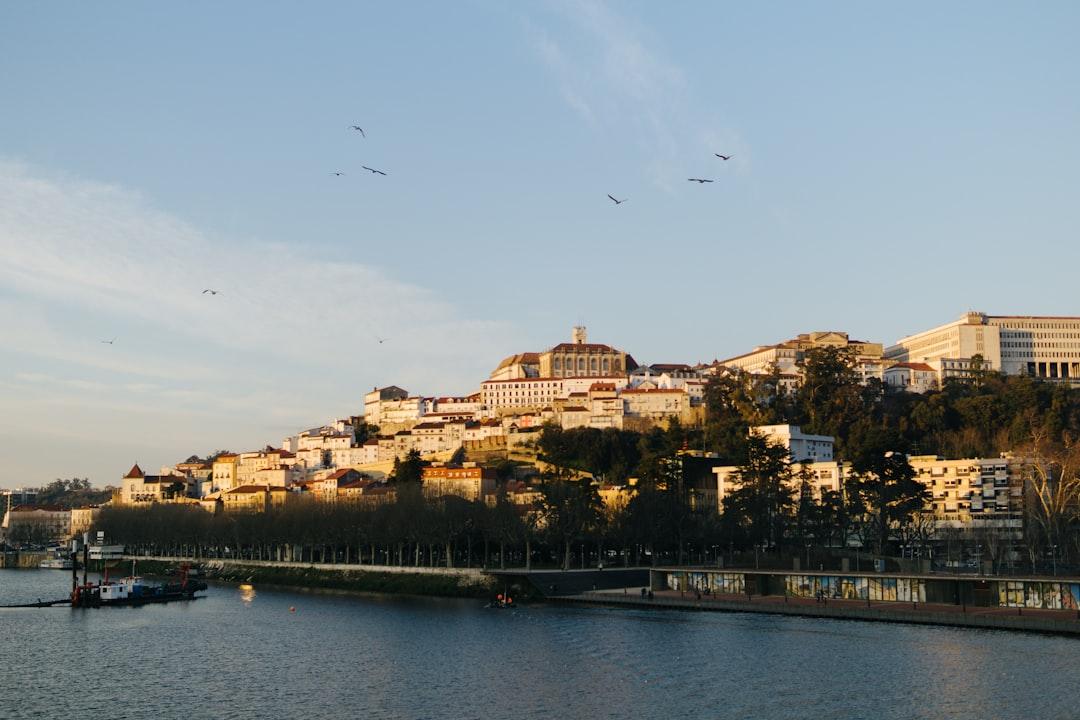
Coimbra hotels
Portugal · 74 hotels
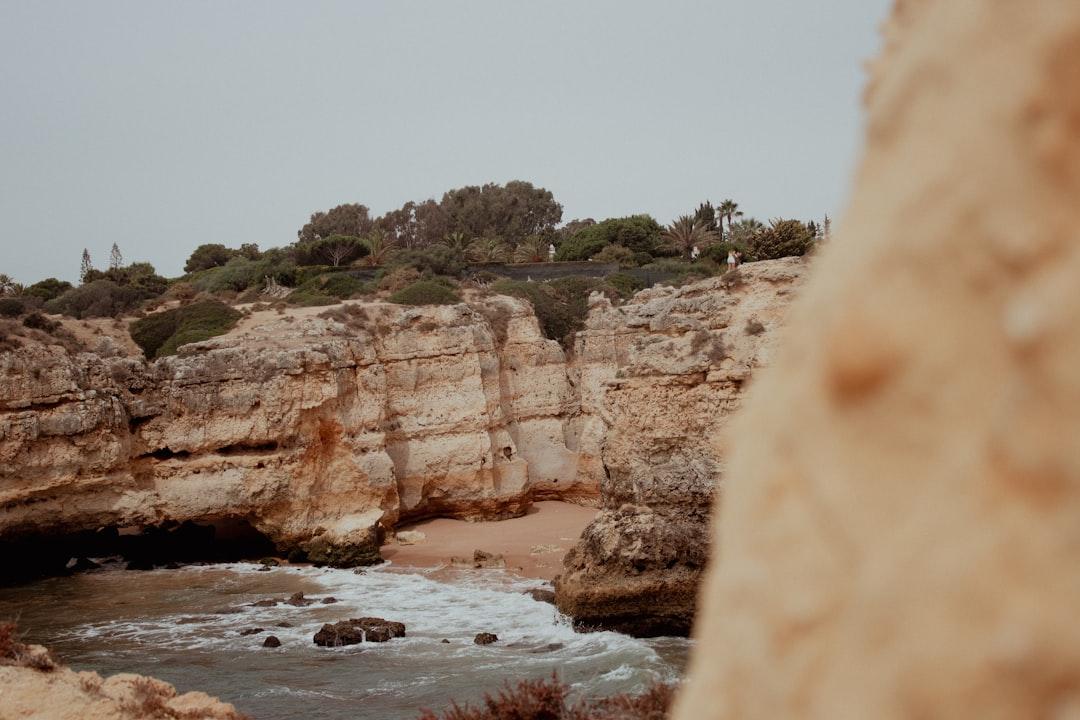
Albufeira hotels
Algarve · 70 hotels
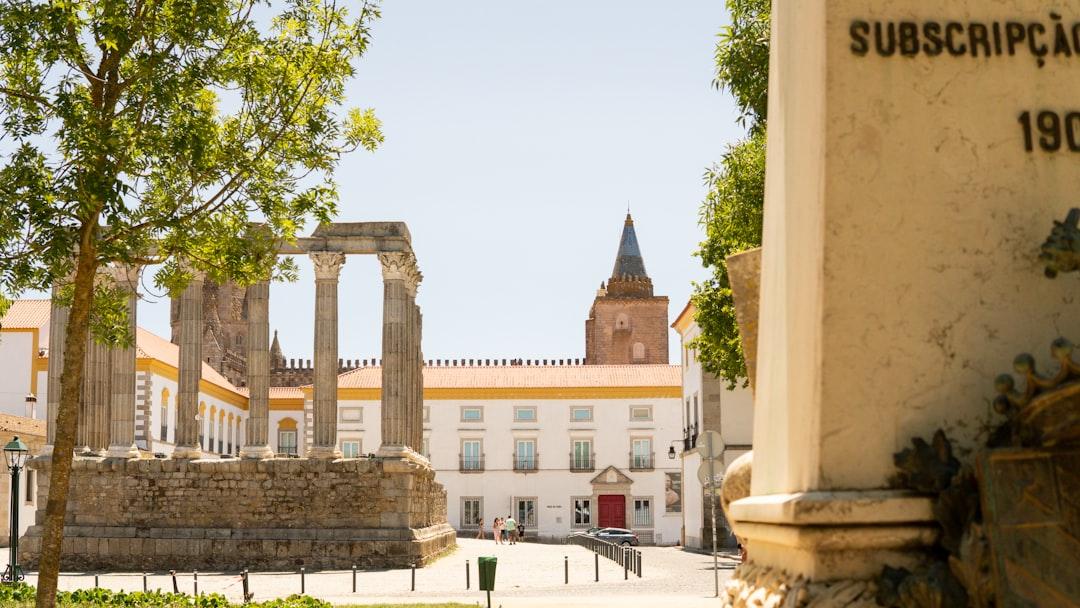
Evora hotels
Portugal · 32 hotels
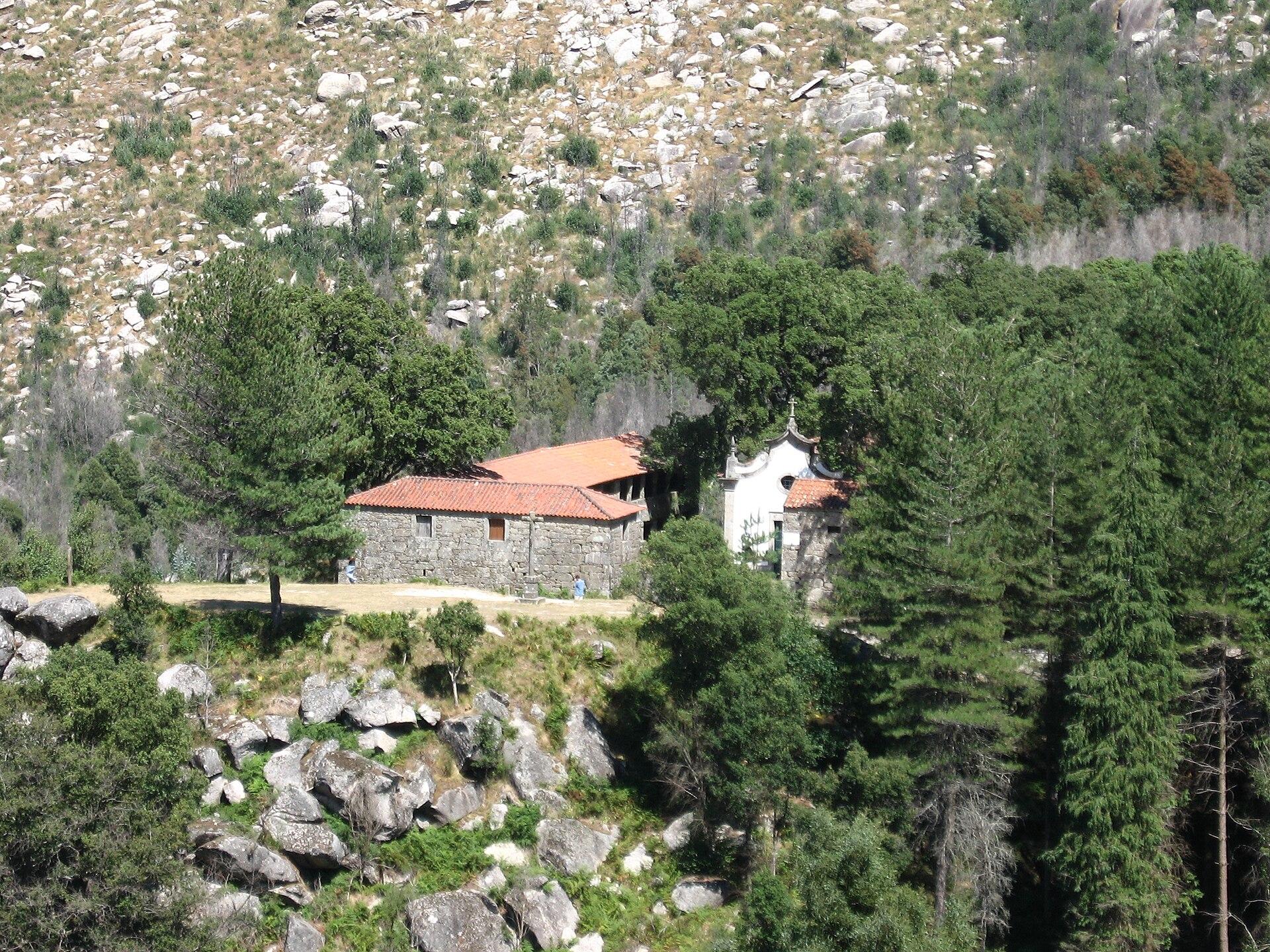
Gondar hotels
Portugal · 14 hotels
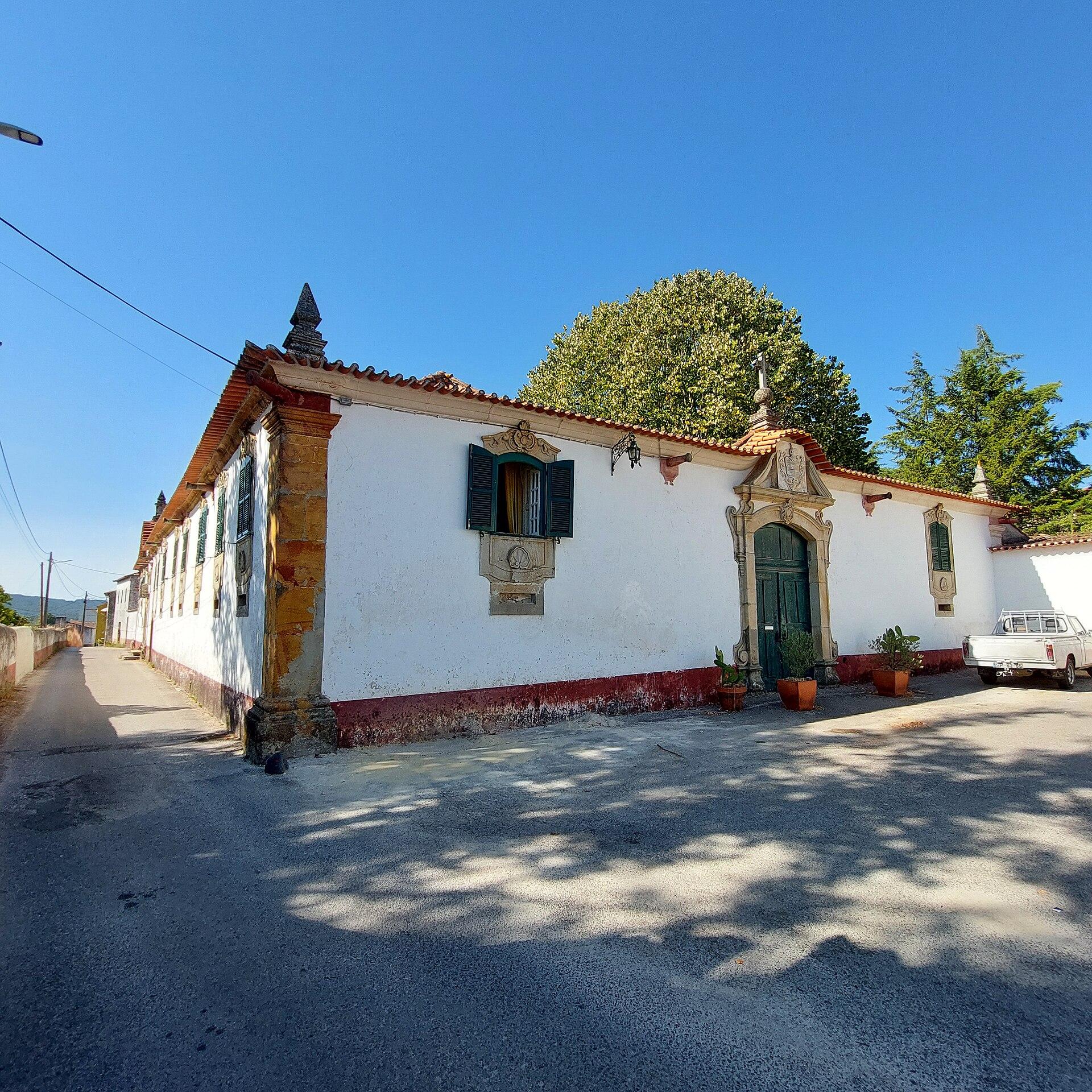
Cômoros hotels
Portugal · 13 hotels
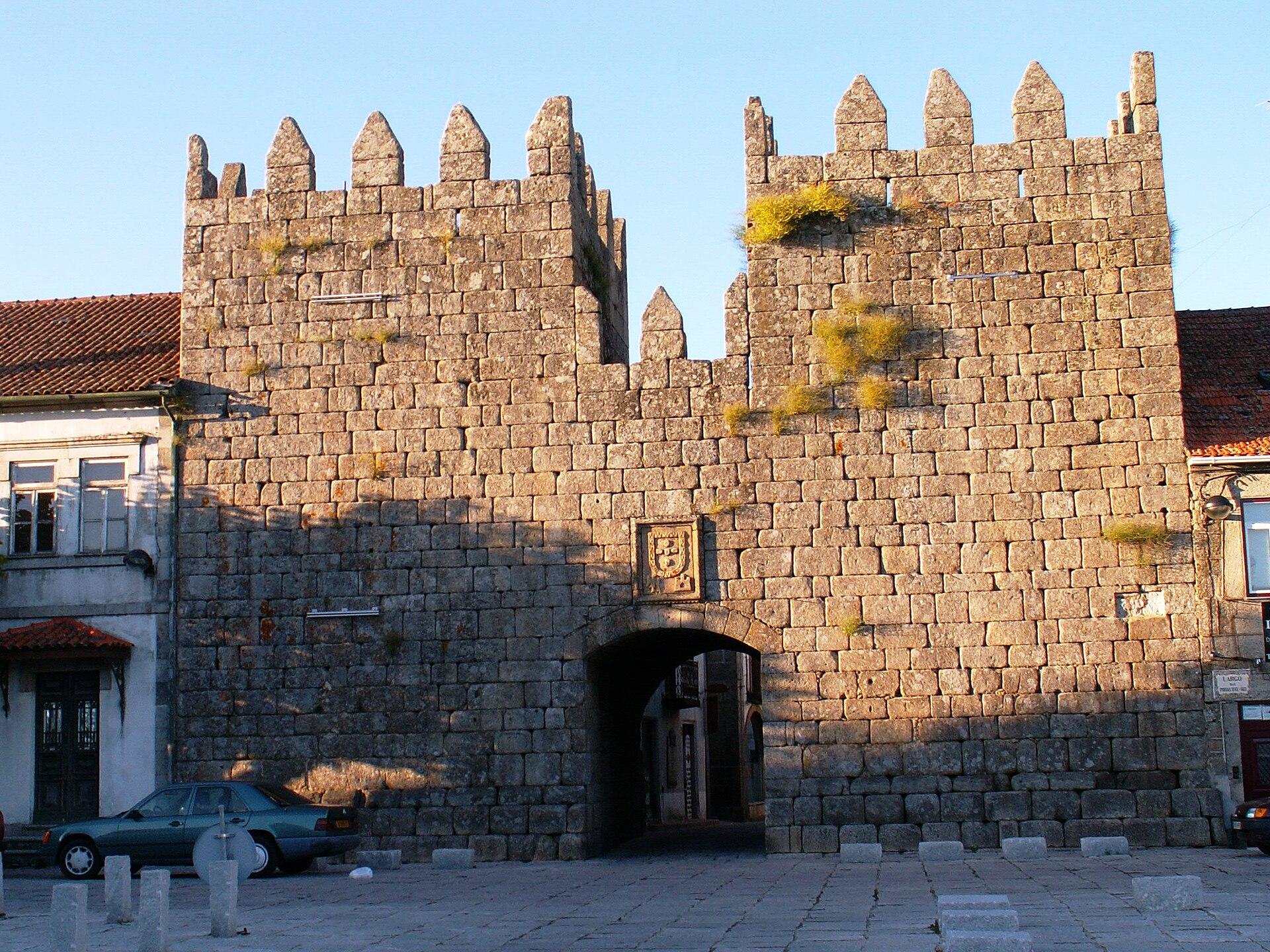
Trancoso hotels
Portugal · 13 hotels
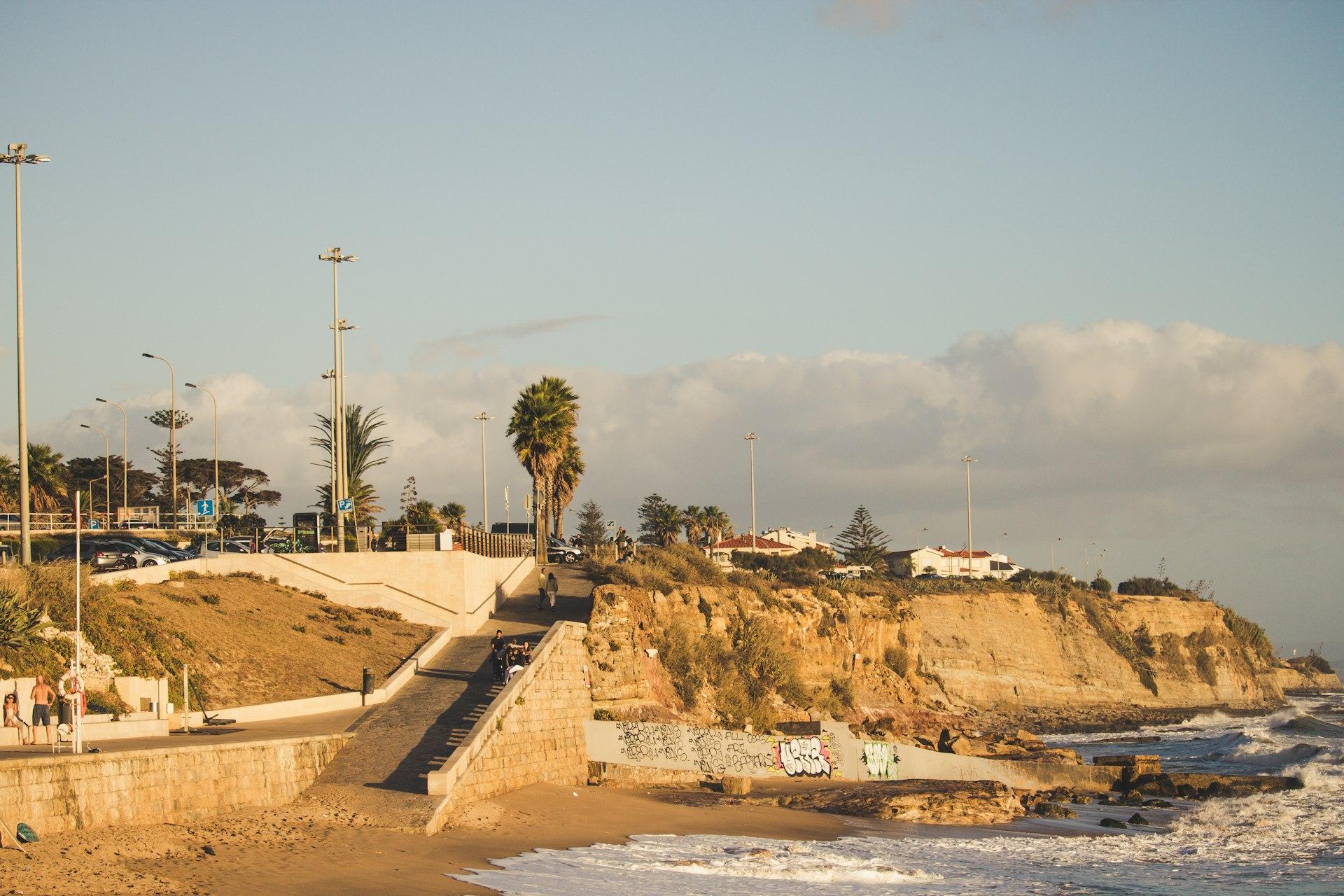
Cascais hotels
Portugal · 11 hotels
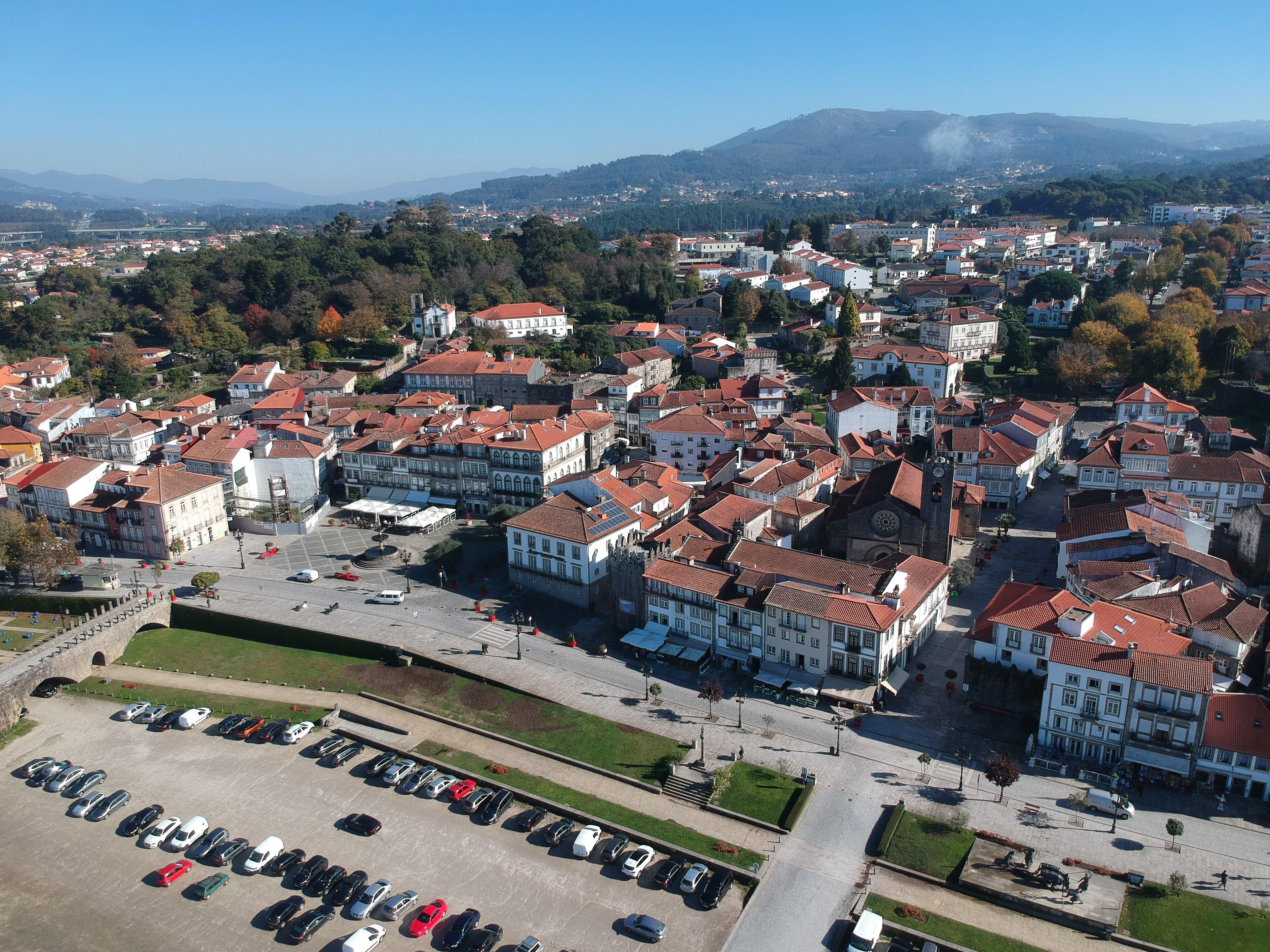
Ponte de Lima hotels
Portugal · 9 hotels
Braga hotels
Portugal · 8 hotels
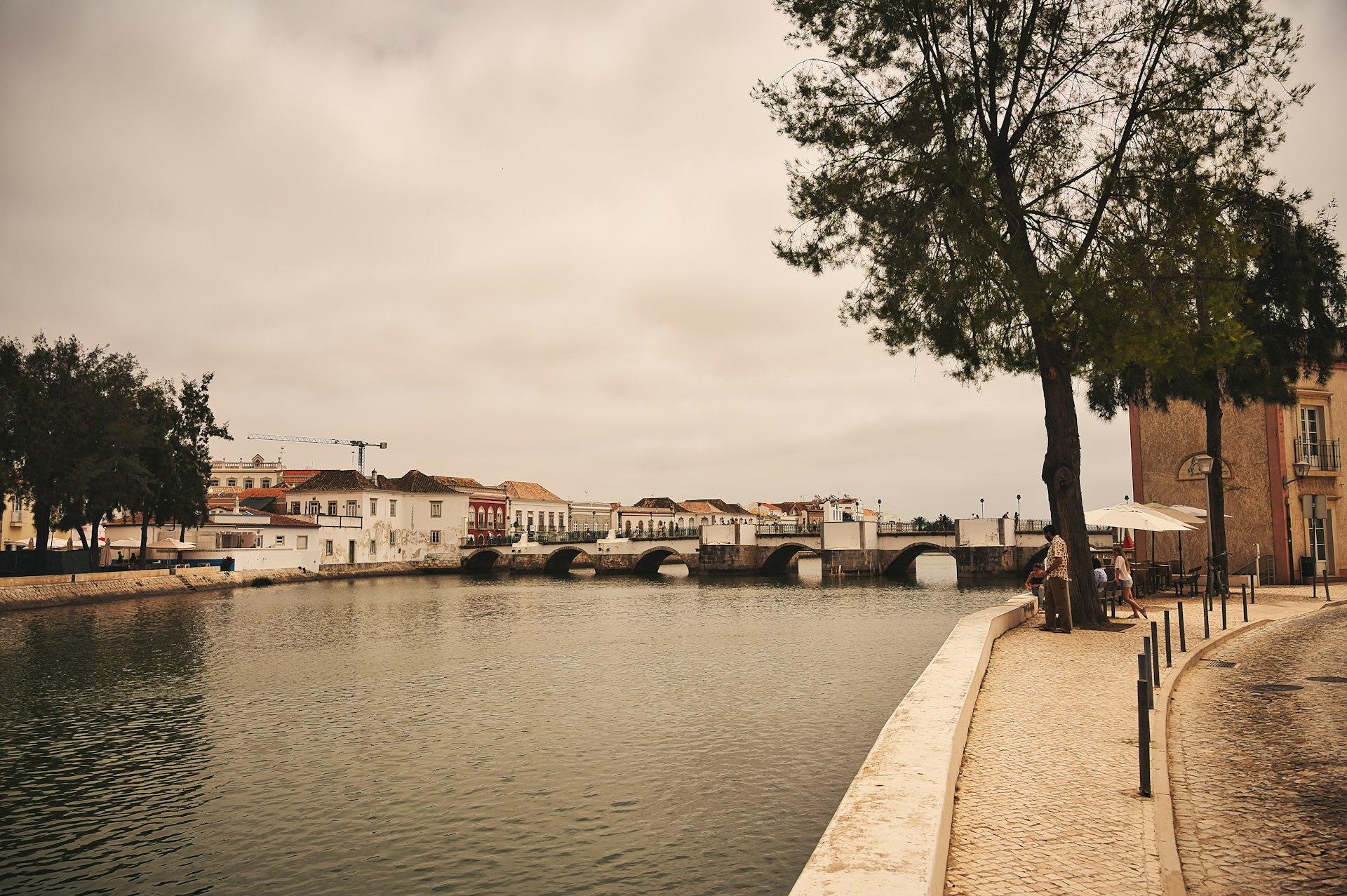
Tavira hotels
Portugal · 7 hotels
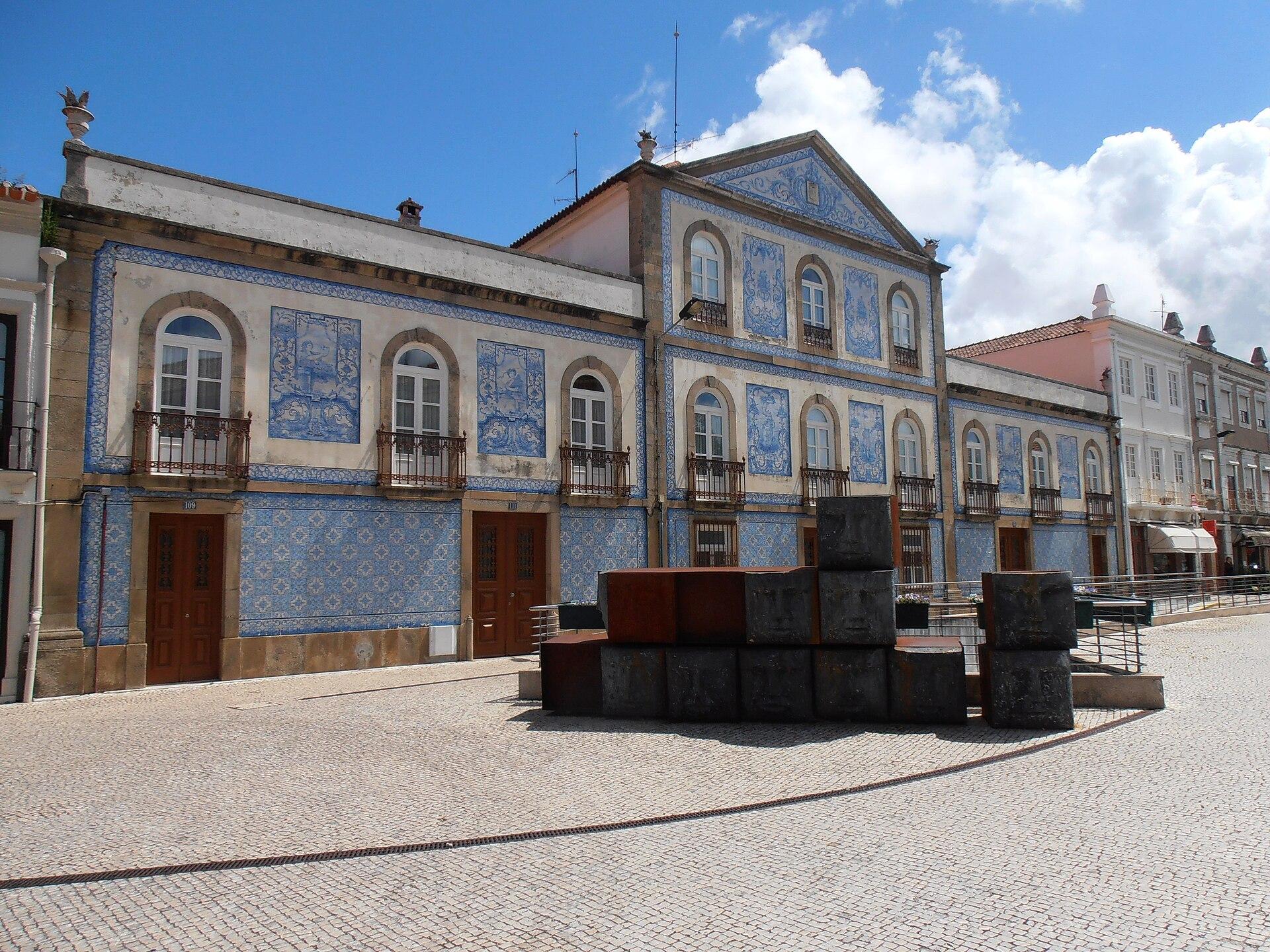
Aveiro hotels
Portugal · 7 hotels
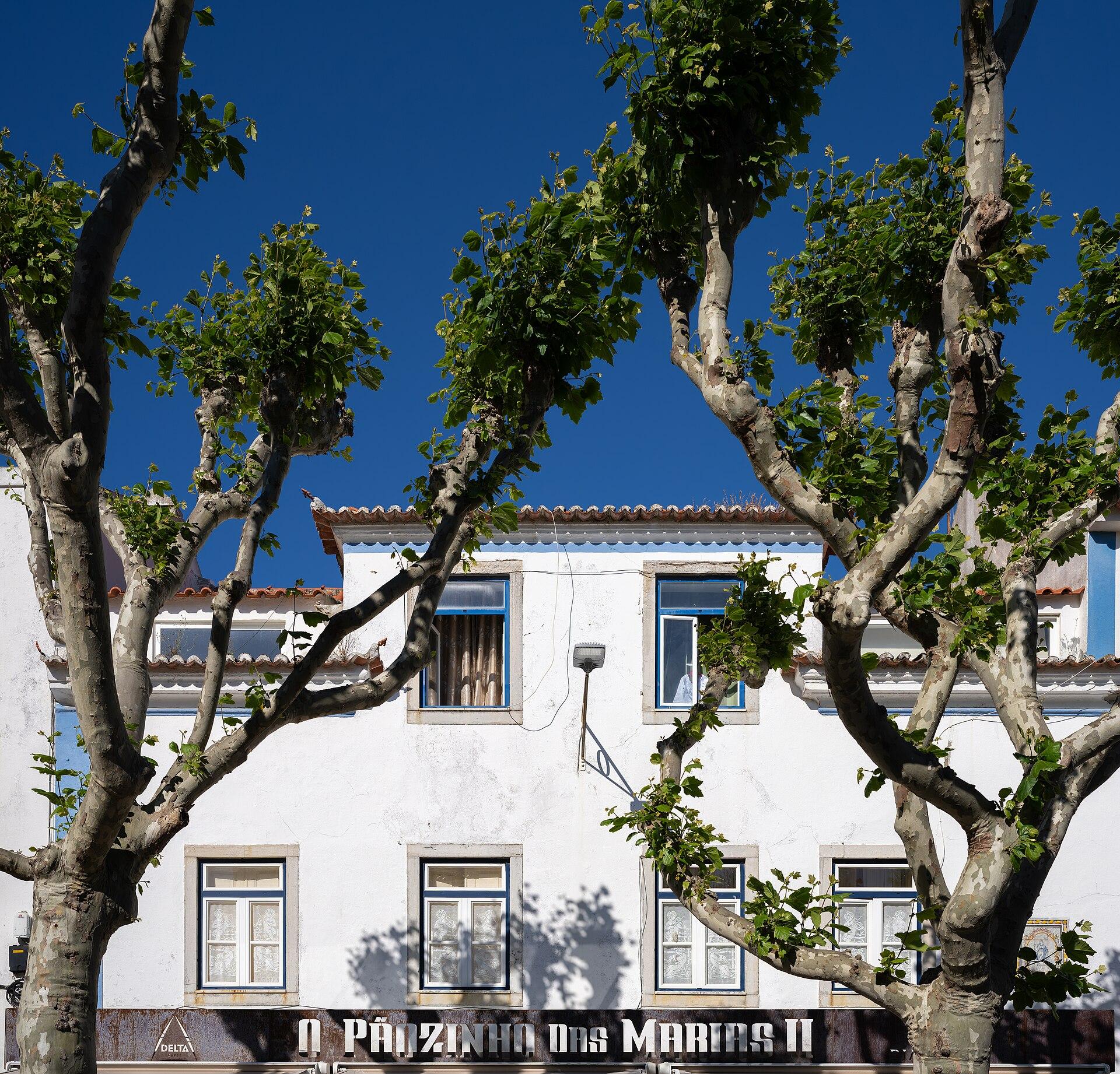
Ericeira hotels
Portugal · 6 hotels
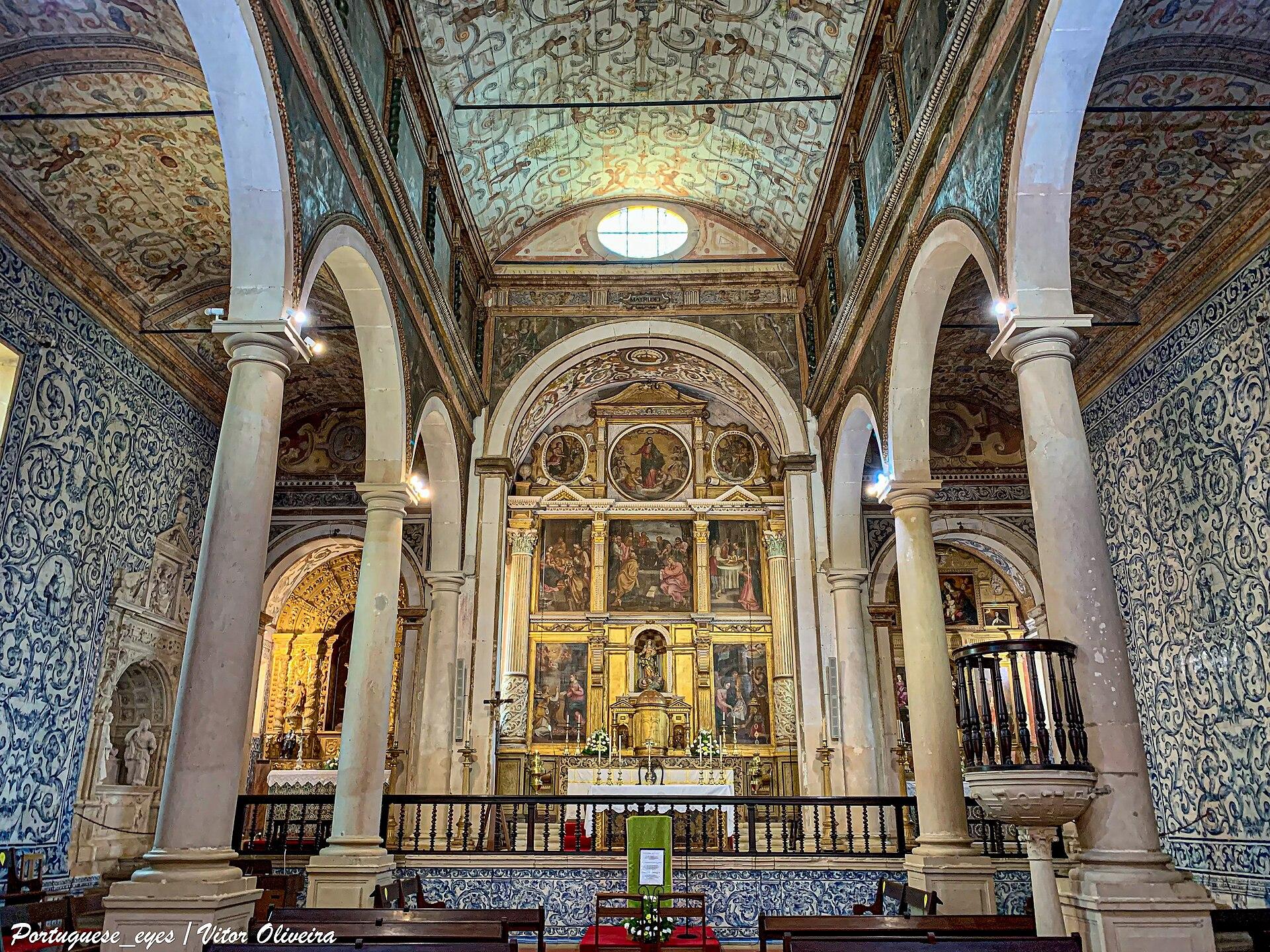
Óbidos hotels
Portugal · 5 hotels
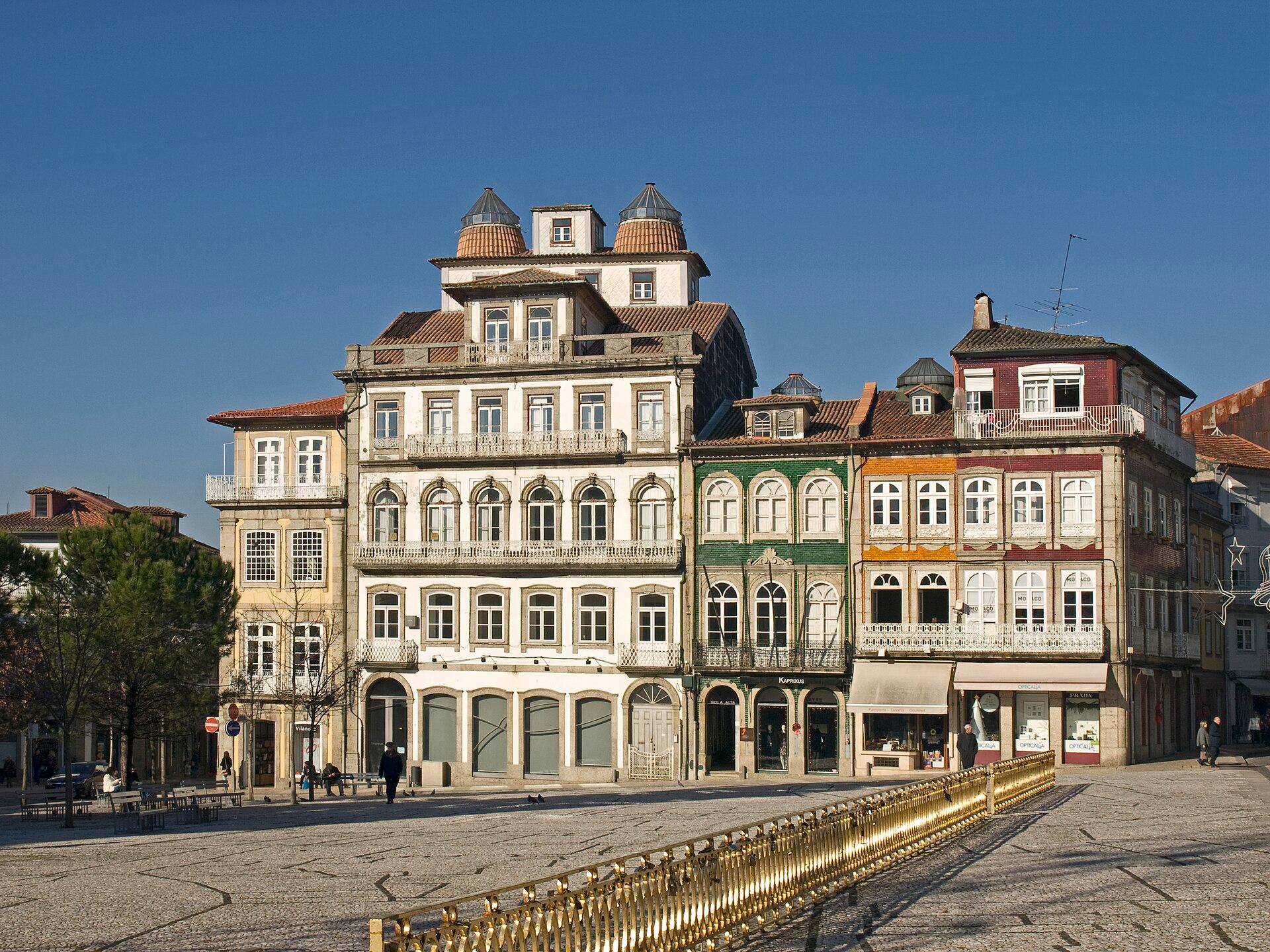
Guimarães hotels
Portugal · 5 hotels
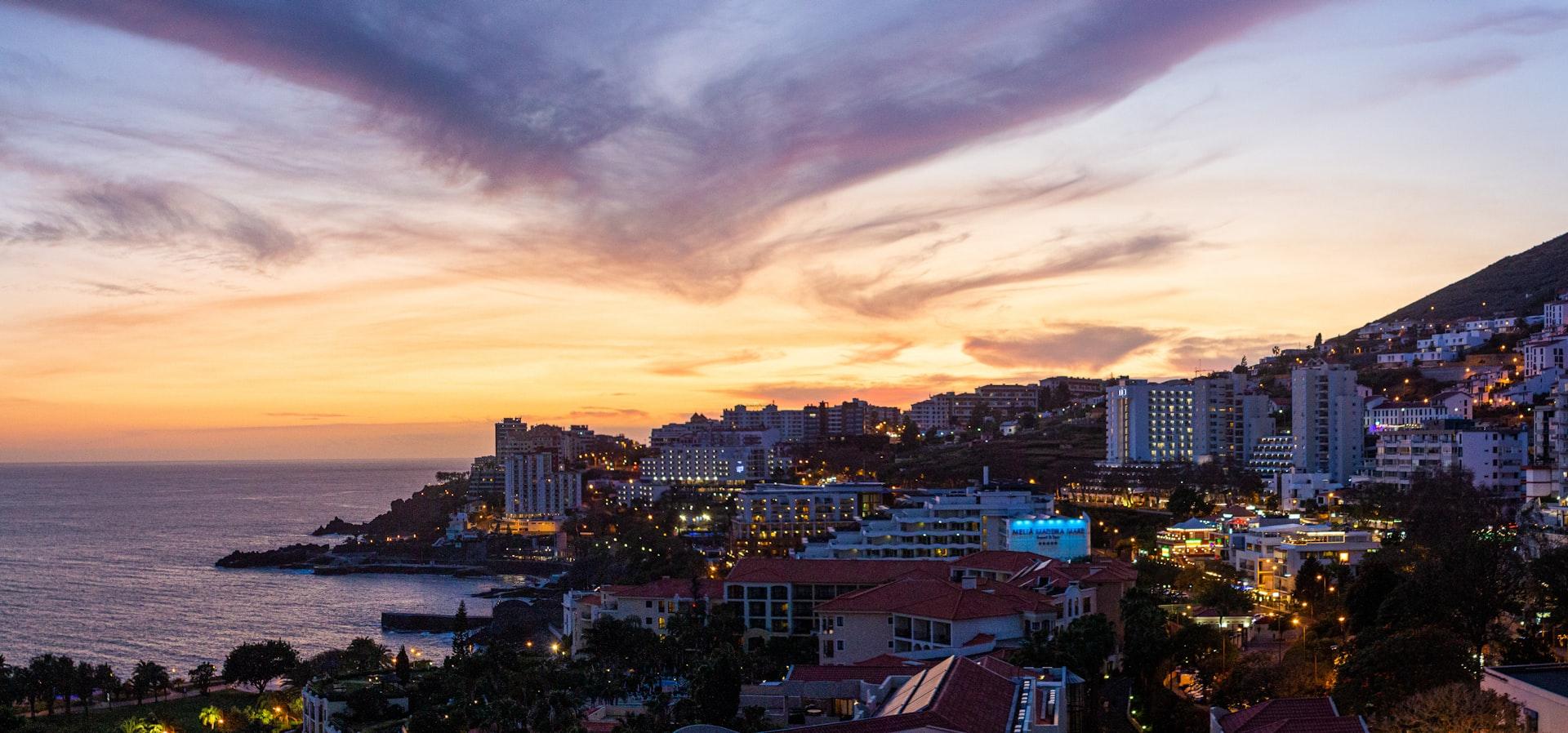
Madeirã hotels
Portugal · 3 hotels
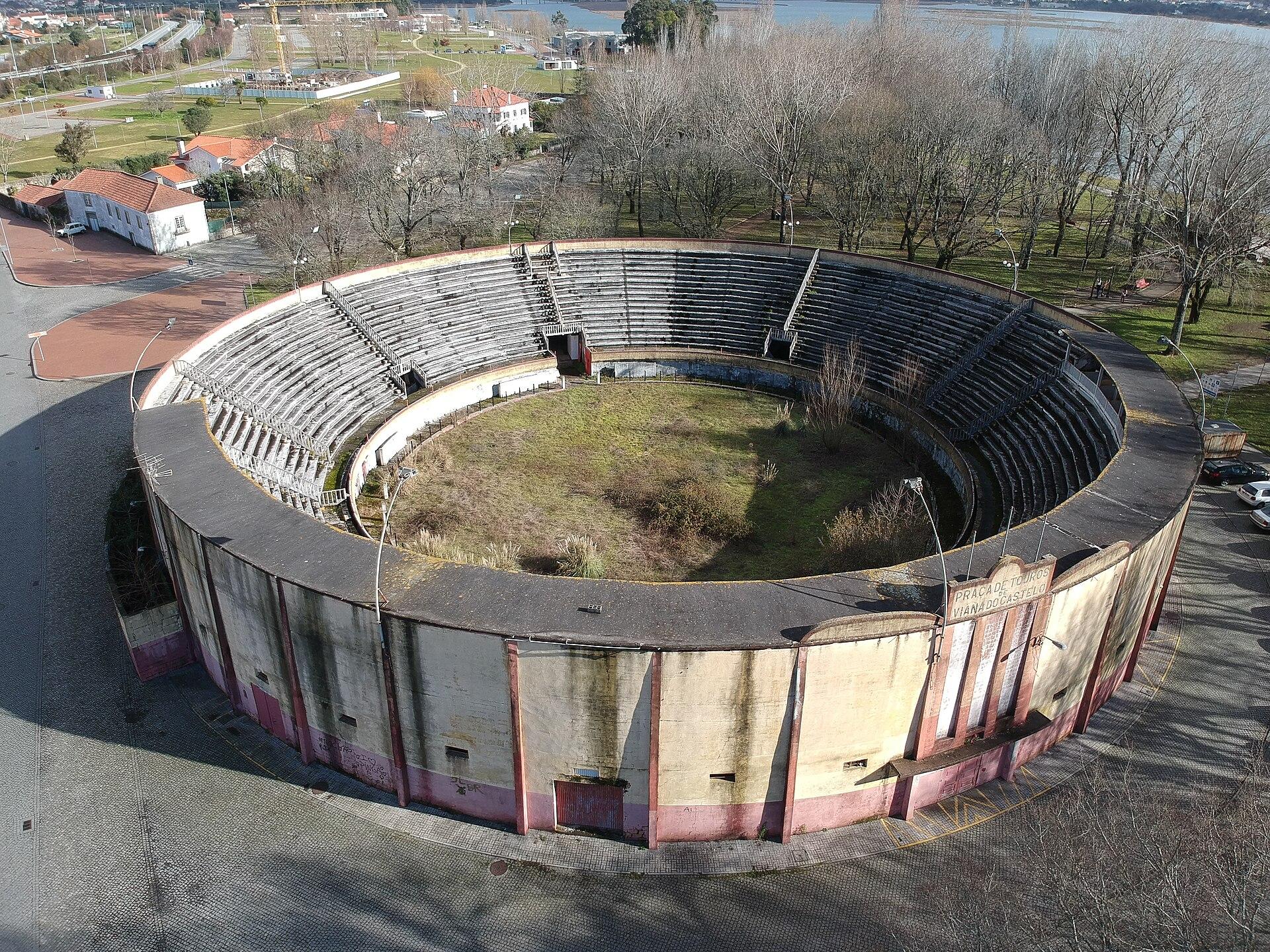
Viana do Castelo (Santa Maria Maior e Monserrate) e Meadela hotels
Portugal · 3 hotels
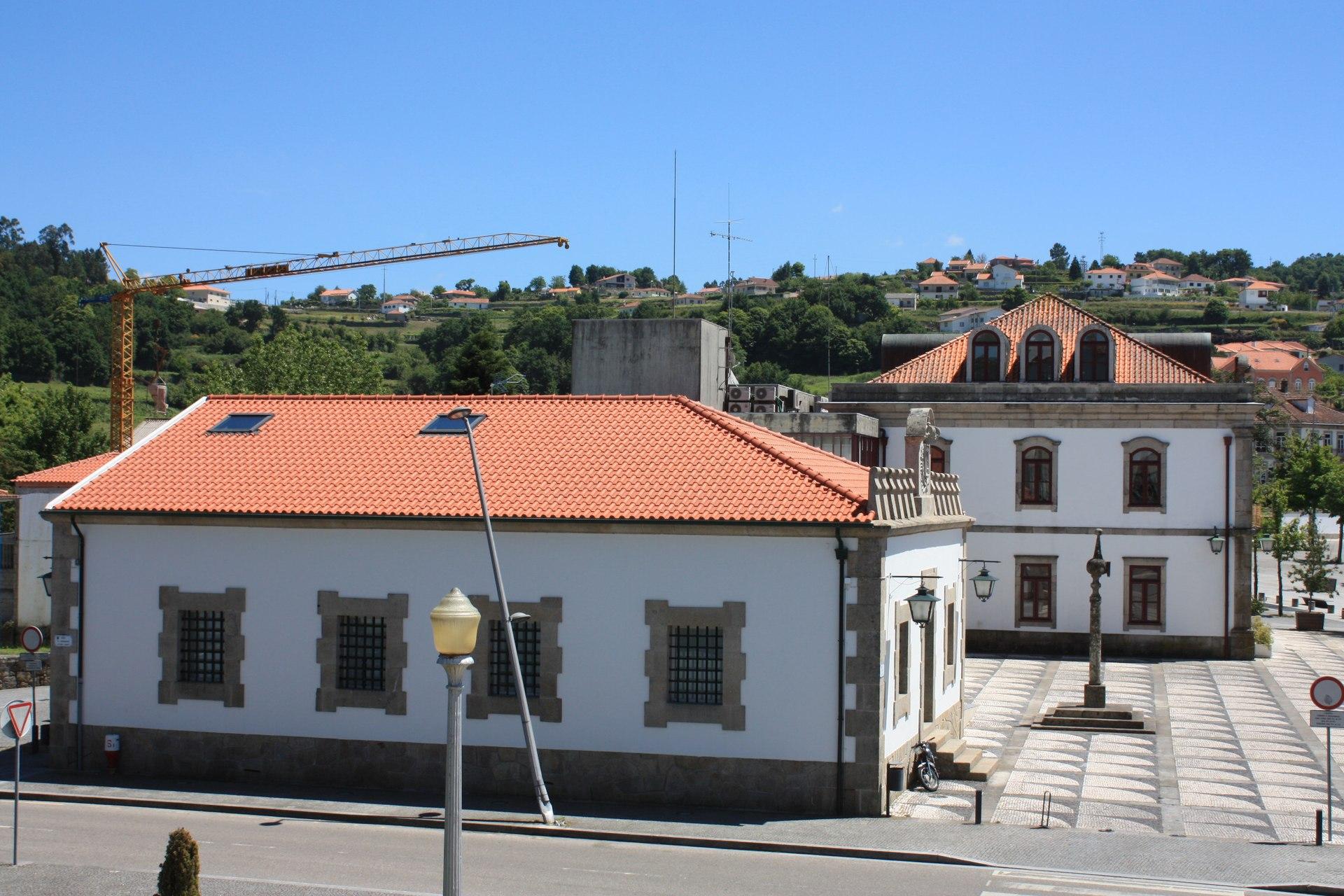
Paredes de Coura e Resende hotels
Portugal · 3 hotels
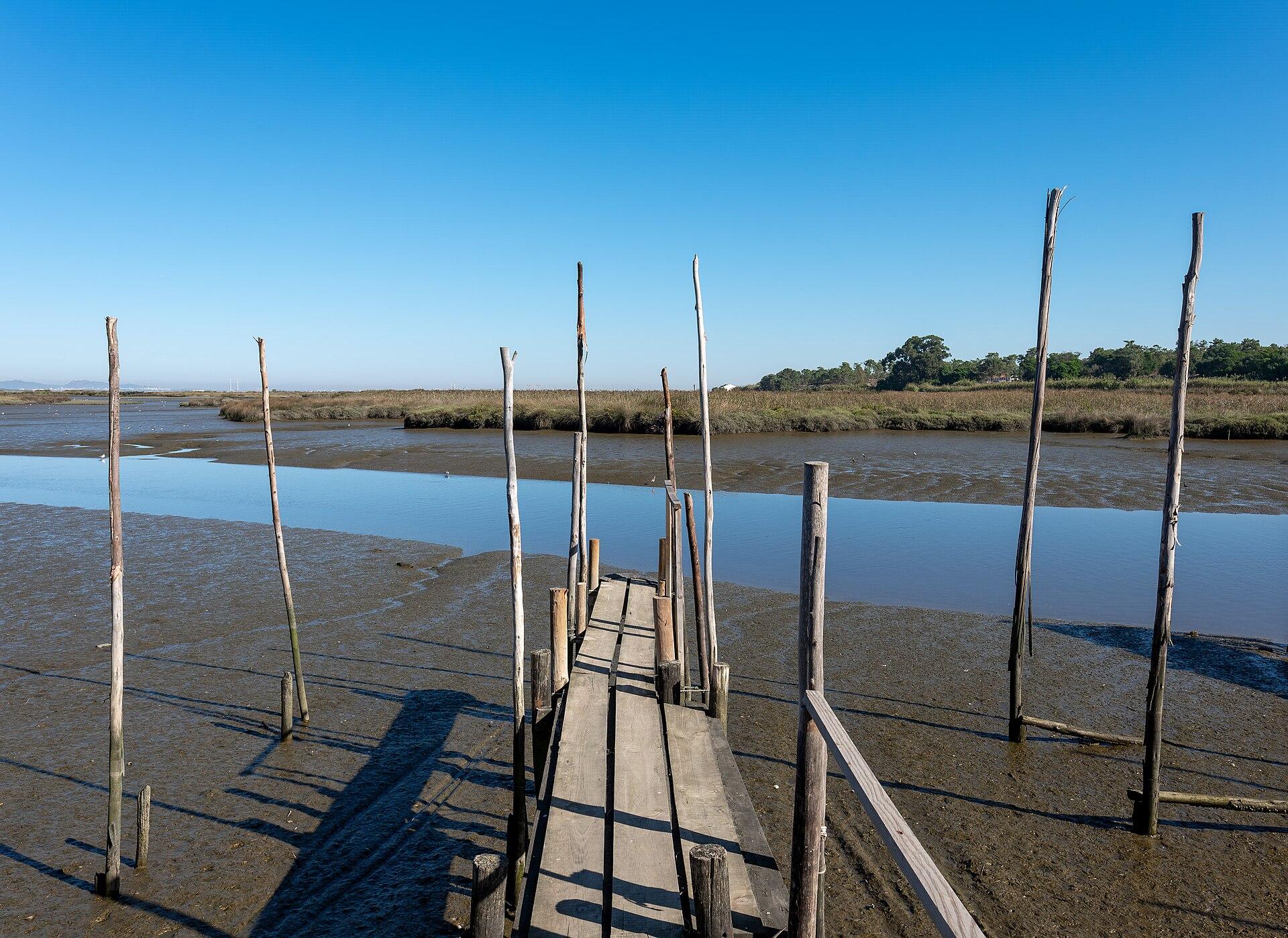
Comporta hotels
Portugal · 2 hotels
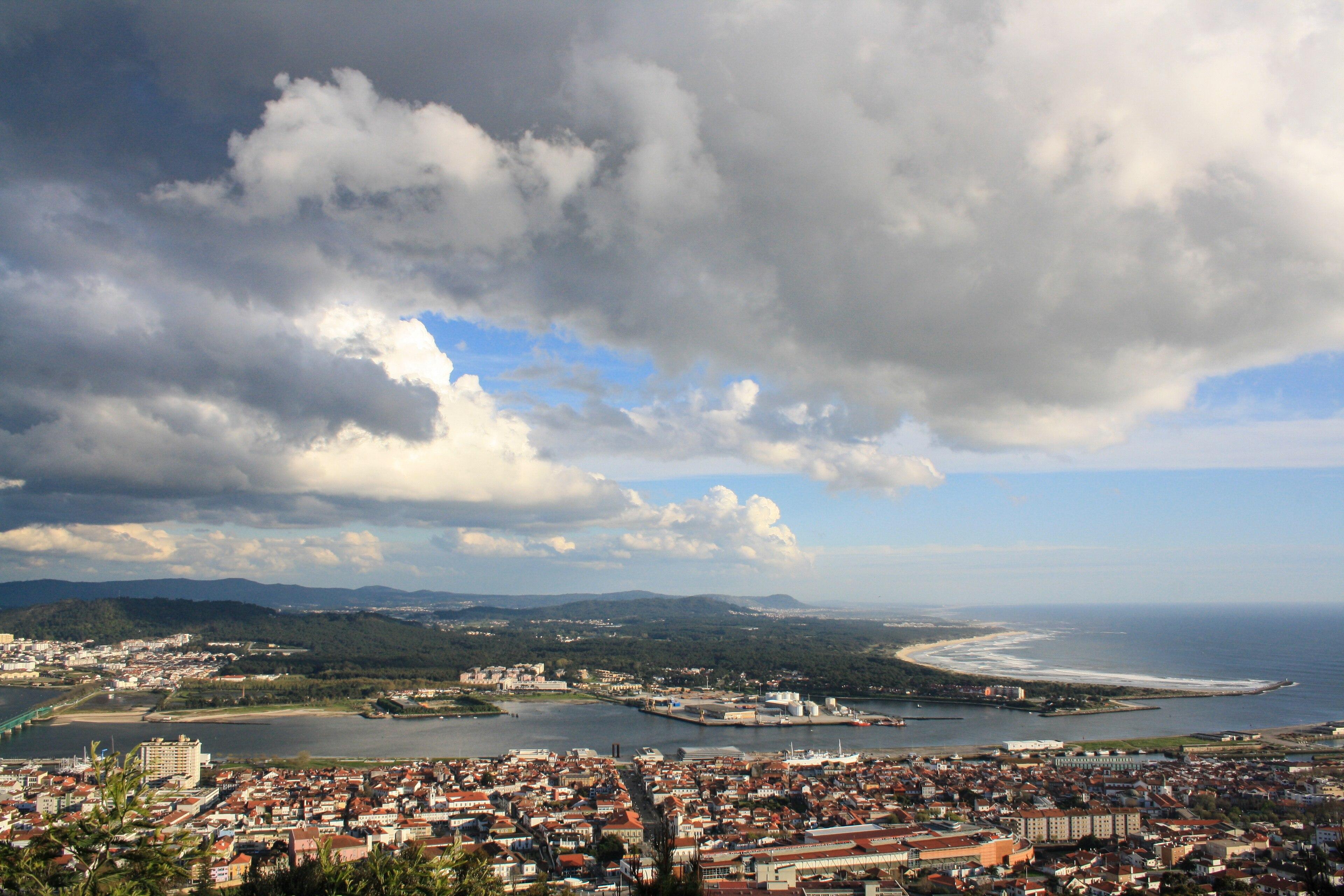
Viana do Castelo hotels
Portugal · 2 hotels
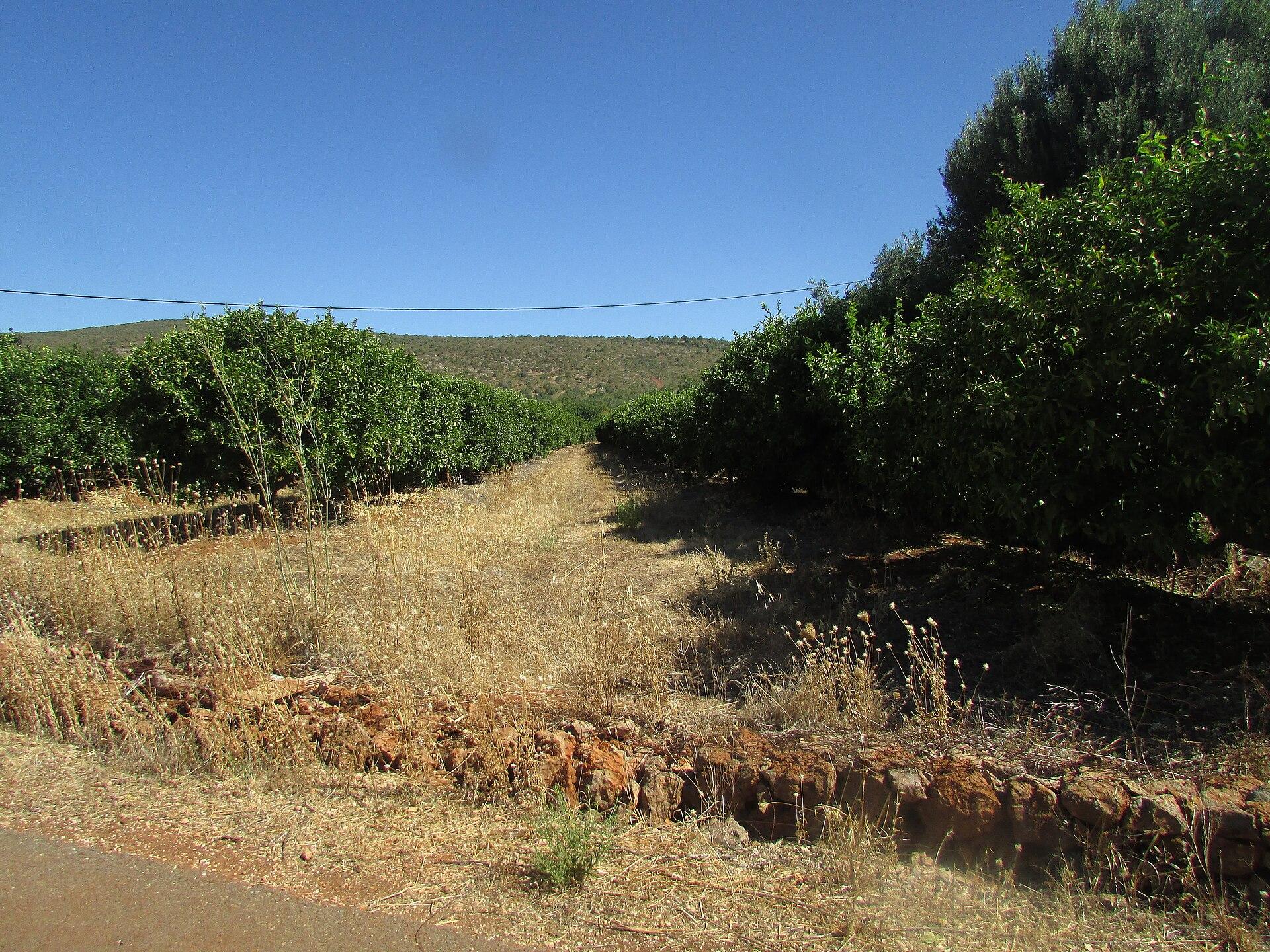
Algarve hotels
Portugal · 1 hotels
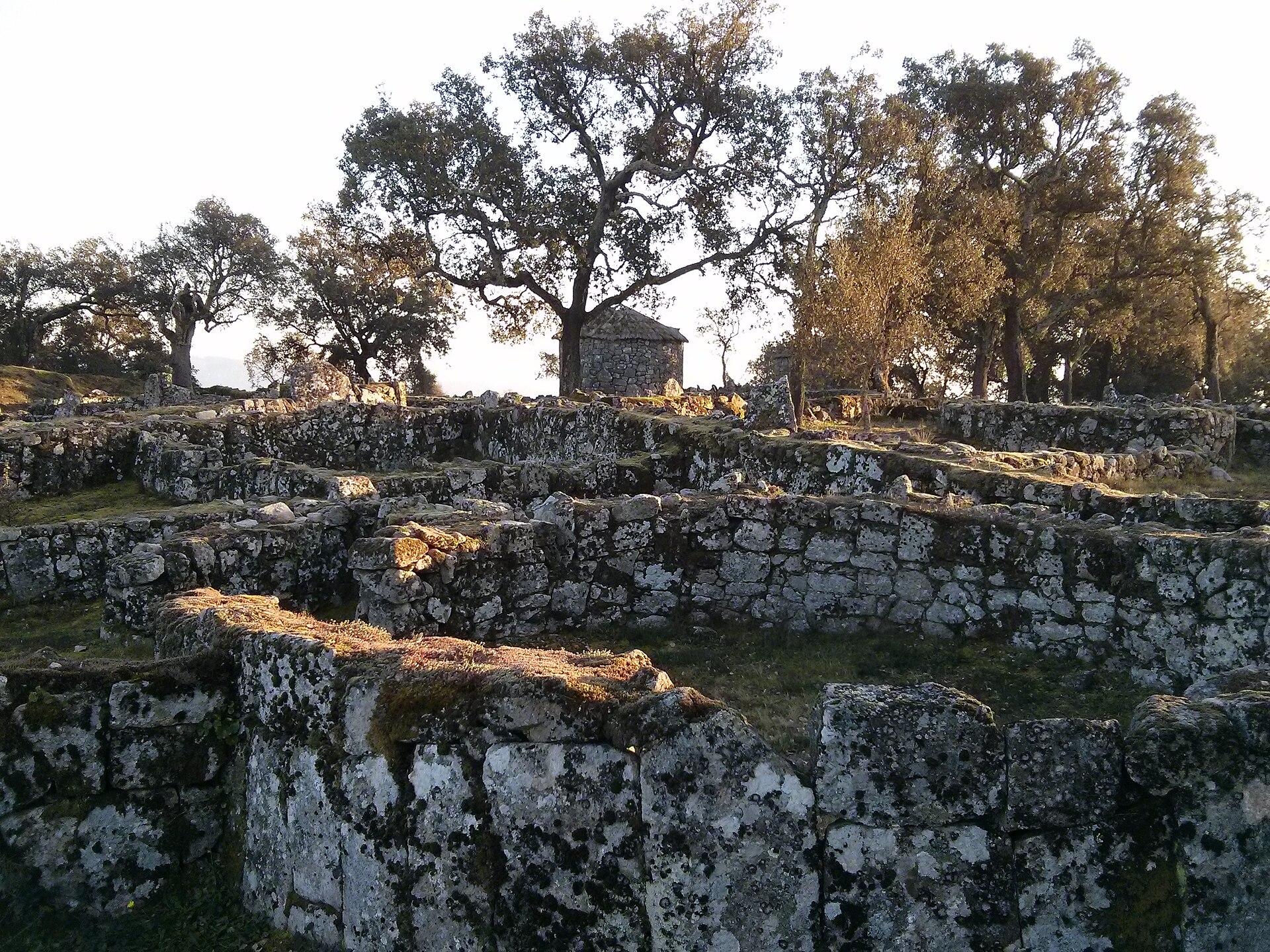
São Julião e Silva hotels
Portugal · 1 hotels
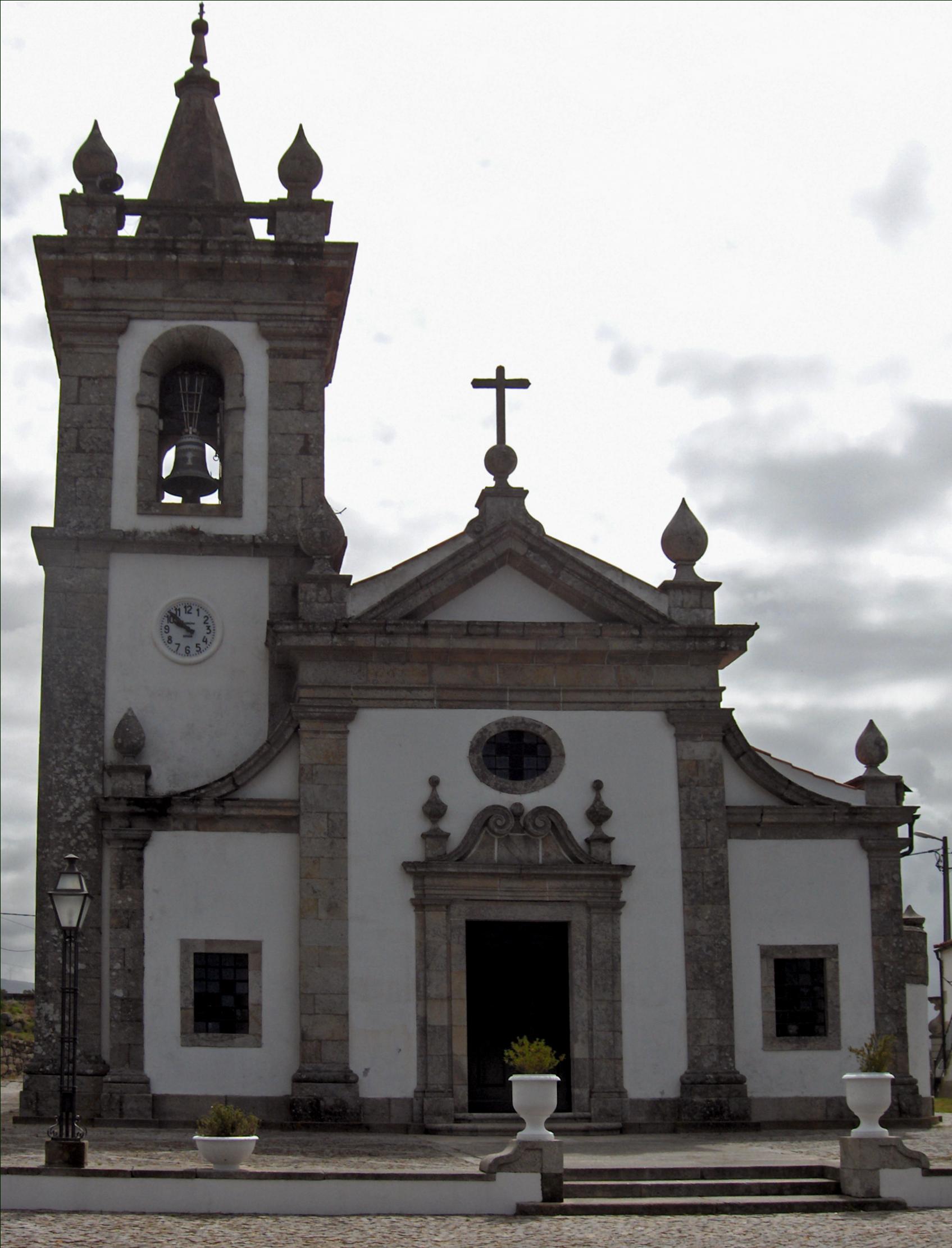
Vila Praia de Âncora hotels
Portugal · 1 hotels
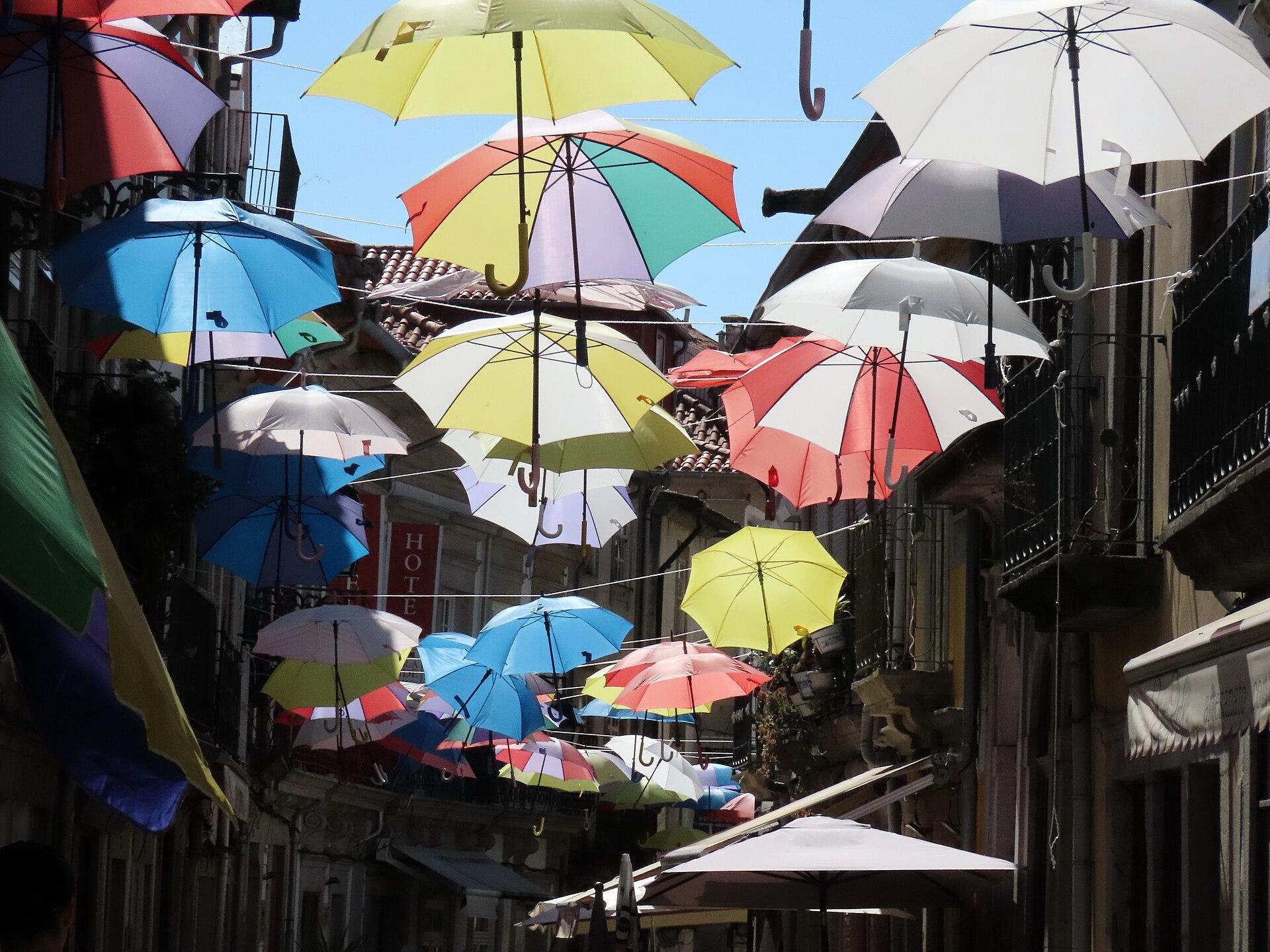
Outeiro hotels
Portugal · 1 hotels
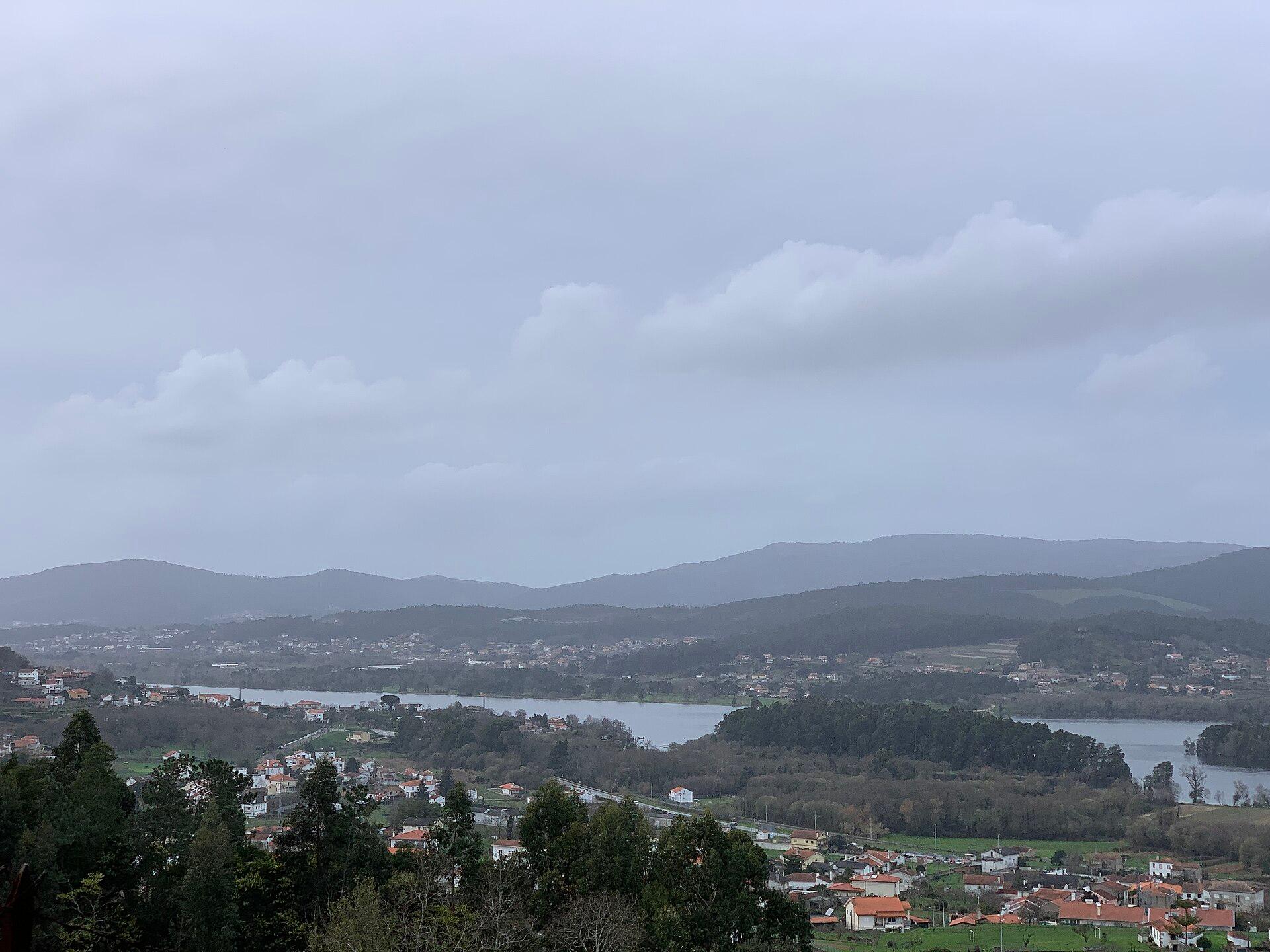
Gondarém hotels
Portugal · 1 hotels
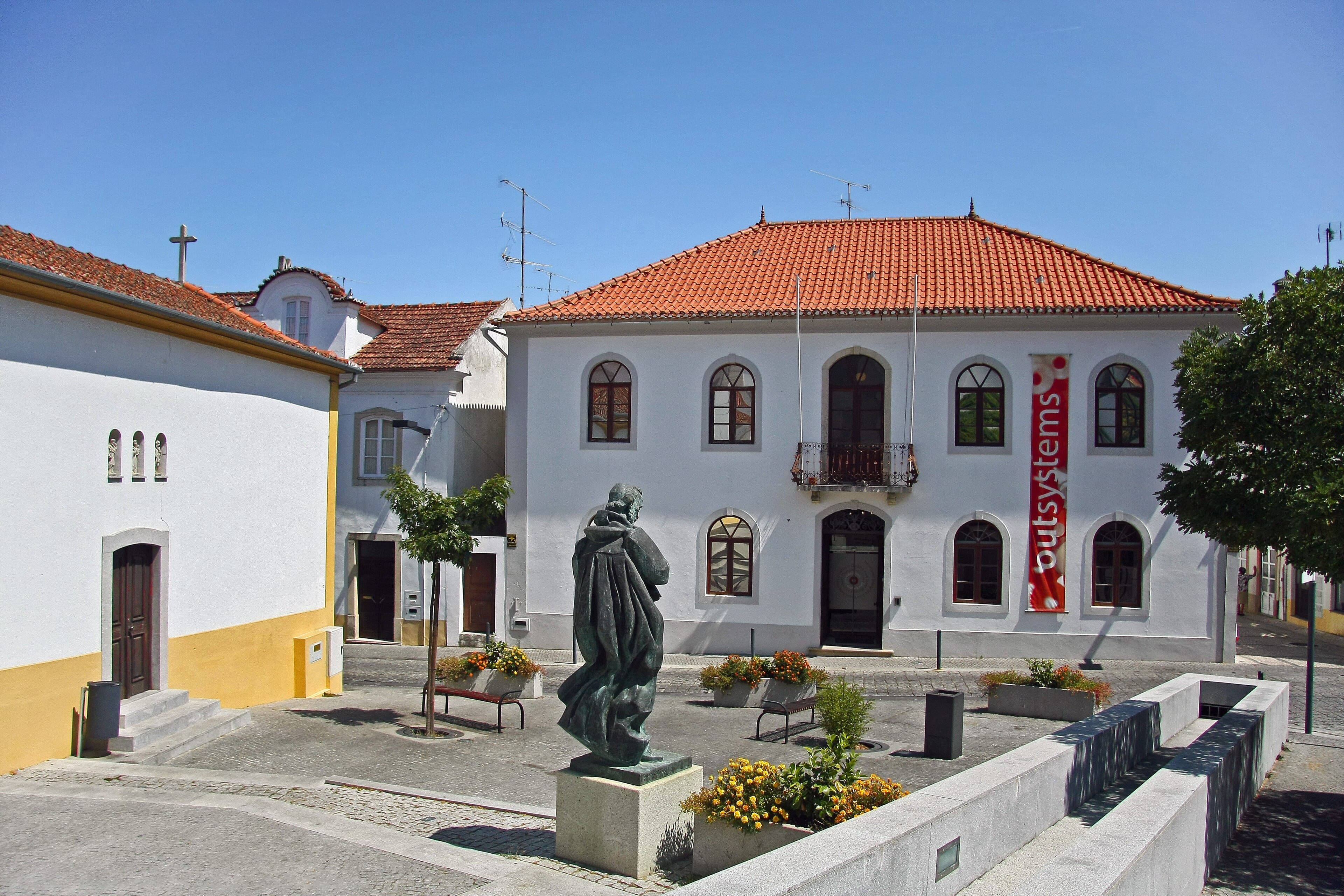
Proença-a-Nova hotels
Portugal · 1 hotels

Dem hotels
Portugal · 1 hotels
Cossourado e Linhares hotels
Portugal · 1 hotels
Oleiros hotels
Portugal · 1 hotels
Caminha (Matriz) e Vilarelho hotels
Portugal · 1 hotels
Carreço hotels
Portugal · 1 hotels
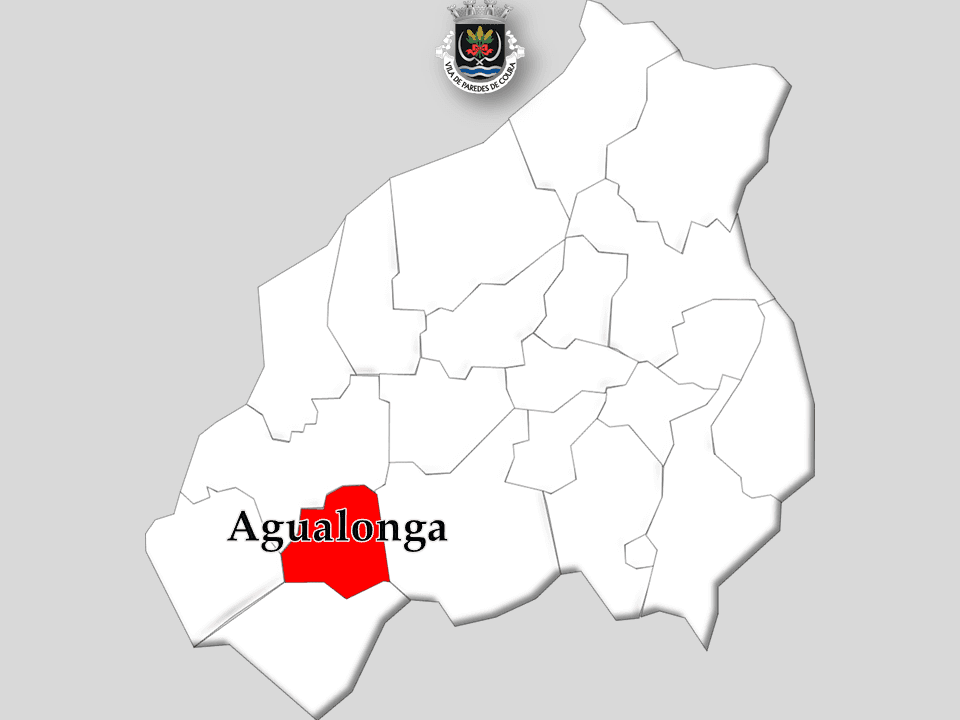
Agualonga hotels
Portugal · 1 hotels
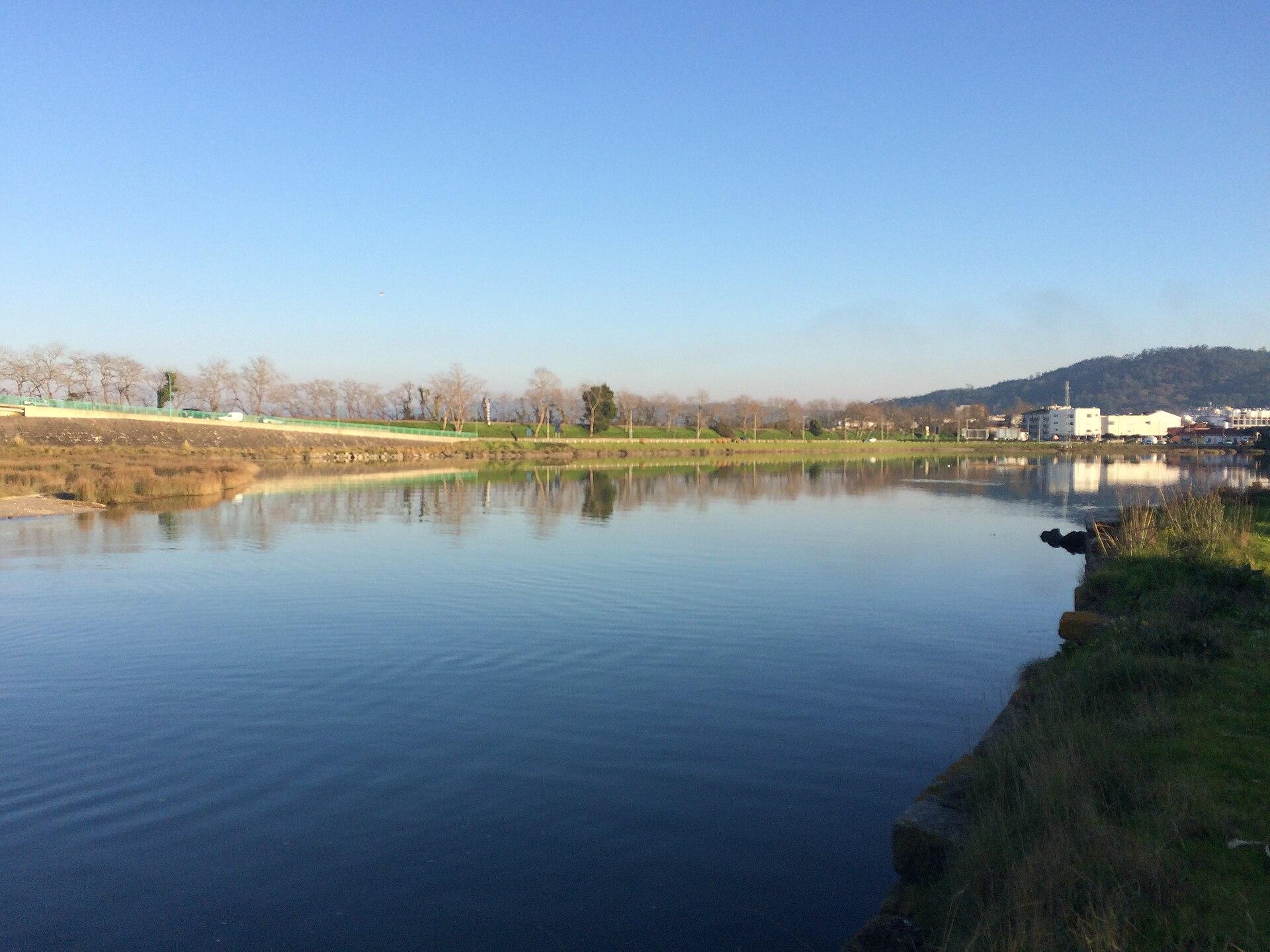
Vila Nova de Anha hotels
Portugal · 1 hotels
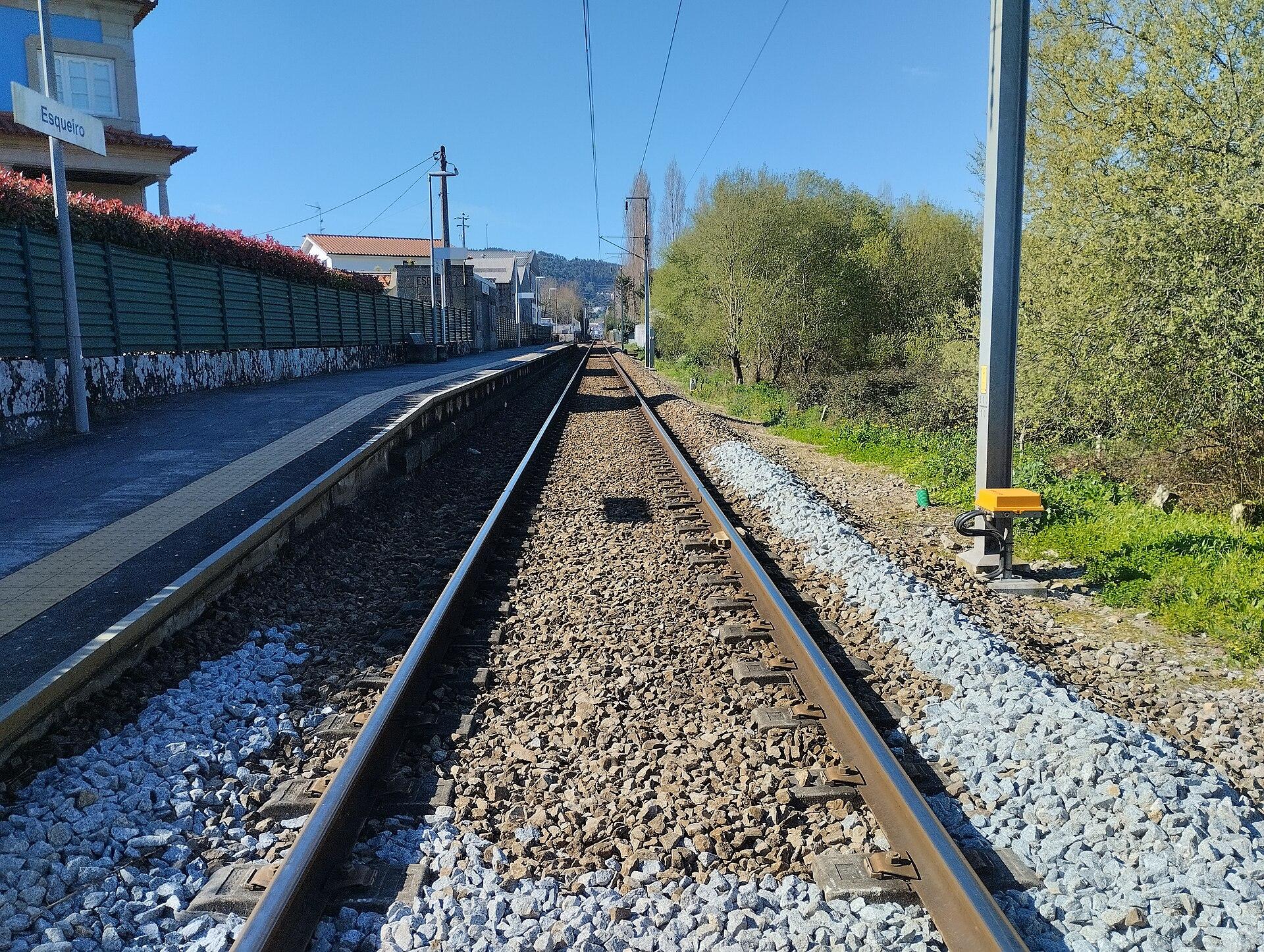
Lanhelas hotels
Portugal · 1 hotels
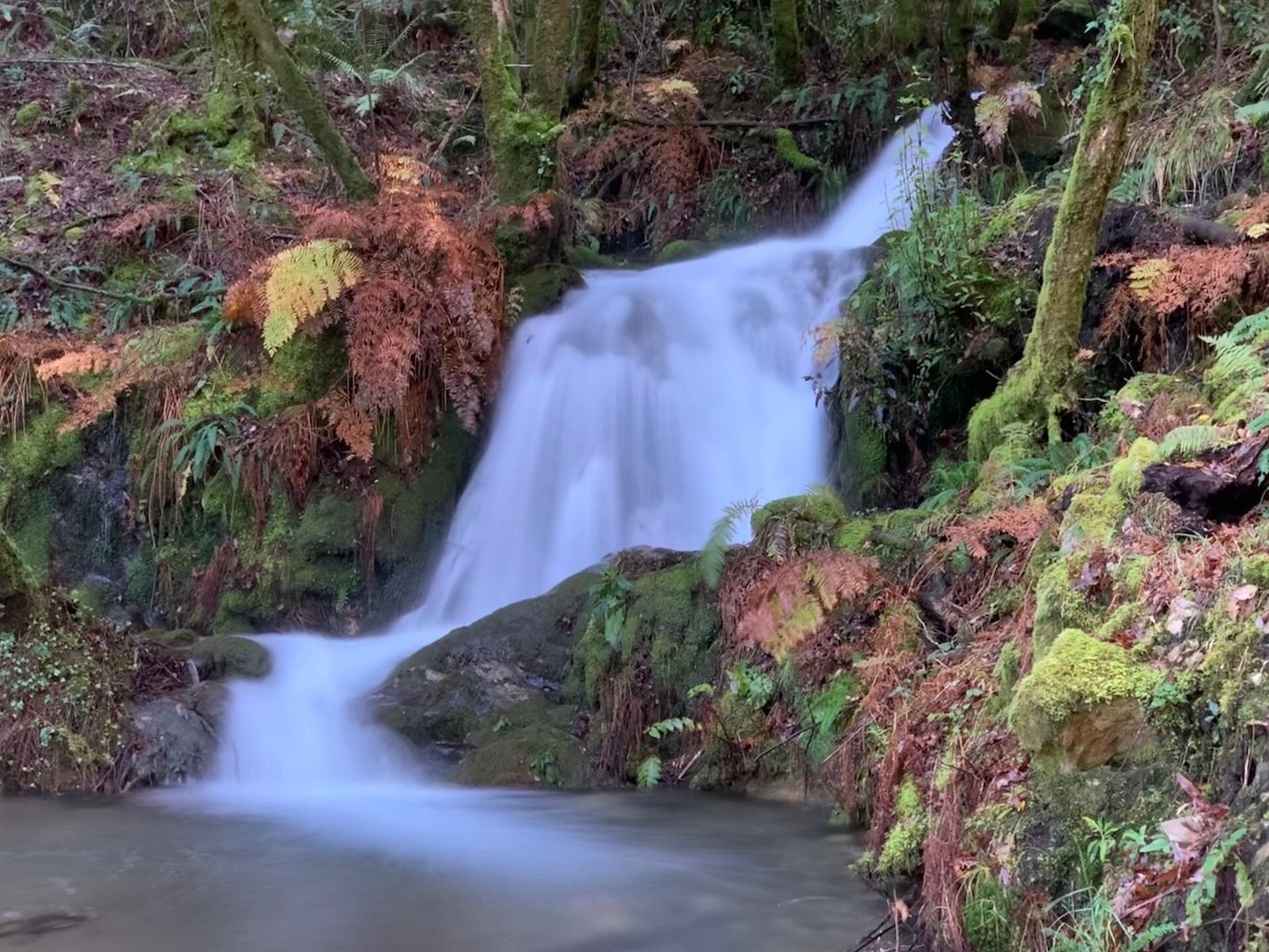
Mentrestido hotels
Portugal · 1 hotels