Hotels in Madeira
1 cities · 84 hotels
Photo by Artem Stoliar on Unsplash
Madeira — Portugal's Atlantic Island Region
Perched in the Atlantic Ocean roughly 1,000 kilometres southwest of mainland Portugal, Madeira is an autonomous region that has captivated travellers for centuries. Volcanic in origin, dramatically green, and blessed with a mild climate year-round, this archipelago offers a compelling blend of natural scenery, rich culture, and genuine Portuguese hospitality.
Landscapes and Nature
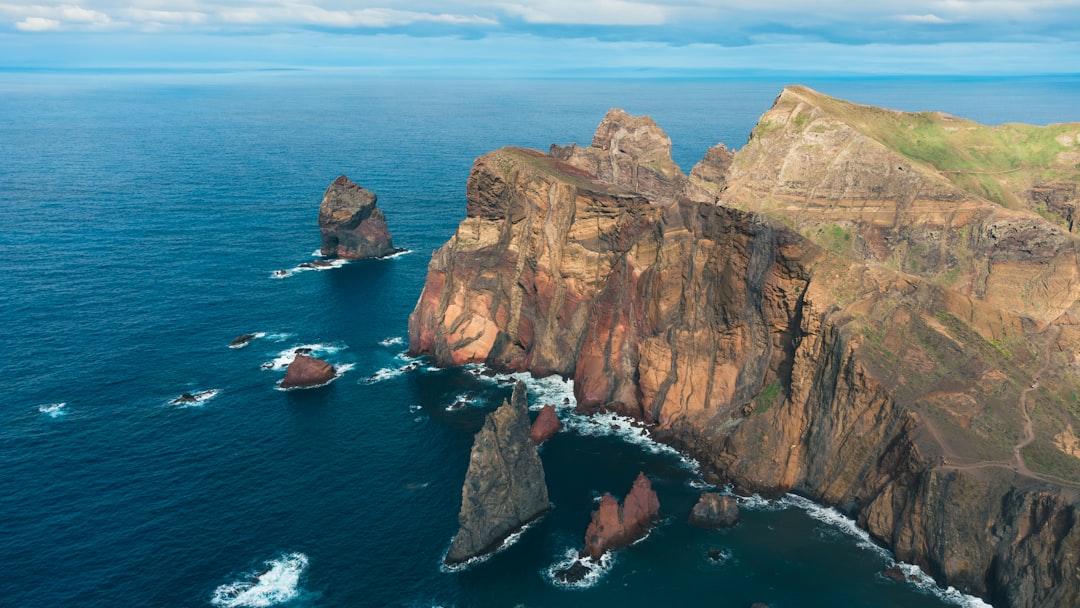
Madeira's terrain is defined by steep cliffs, deep ravines, and lush laurel forests — the Laurisilva of Madeira is a UNESCO World Heritage Site and one of the largest surviving ancient laurel forests on the planet. The island's famous levadas (irrigation channels) double as walking trails, threading through terraced hillsides and dense woodland. Whether you follow a gentle lowland path or tackle the high ridges of the central mountains, the scenery rewards at every turn.
Culture and Gastronomy
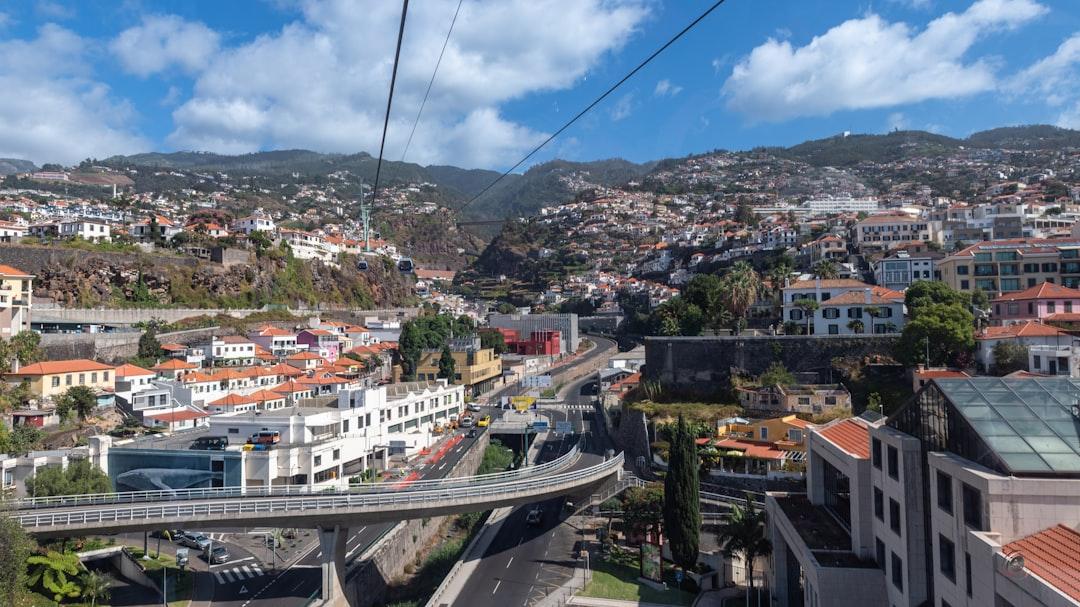
The regional capital, Funchal, is the cultural and culinary heart of Madeira. Traditional markets like Mercado dos Lavradores overflow with exotic fruits — including the island's own banana variety — alongside fresh fish and handmade crafts. Madeiran cuisine leans heavily on espada (black scabbardfish), espetada (beef skewers cooked over laurel wood), and bolo do caco (a flat garlic bread). And no visit is complete without sampling Madeira wine, a fortified wine with centuries of history that has been exported worldwide.
Activities and Experiences
Beyond hiking the levadas, visitors can explore whale-watching excursions in the surrounding Atlantic waters, where sperm whales and dolphins are frequently spotted. The Monte Palace Tropical Garden above Funchal draws garden enthusiasts, while the traditional wicker toboggan ride down from Monte village is a beloved local experience dating back to the 19th century. Porto Santo, a quieter island in the archipelago, offers a long sandy beach that contrasts with Madeira's mostly rocky coastline.
Practical Tips
- Best time to visit: Madeira's climate is mild throughout the year. Spring (April–June) brings wildflowers and pleasant temperatures. Summer is busiest; winter is quieter but still warm.
- Getting around: Car hire is the most flexible option for exploring the island's winding roads. Buses connect major towns, and cable cars serve Funchal and Monte.
- Currency: Euro (€). Credit cards are widely accepted in Funchal; carry cash for rural areas.
- Language: Portuguese is the official language; English is widely spoken in tourist areas.
- Packing: Layers are advisable — the north of the island can be cooler and wetter than the sunny south coast.