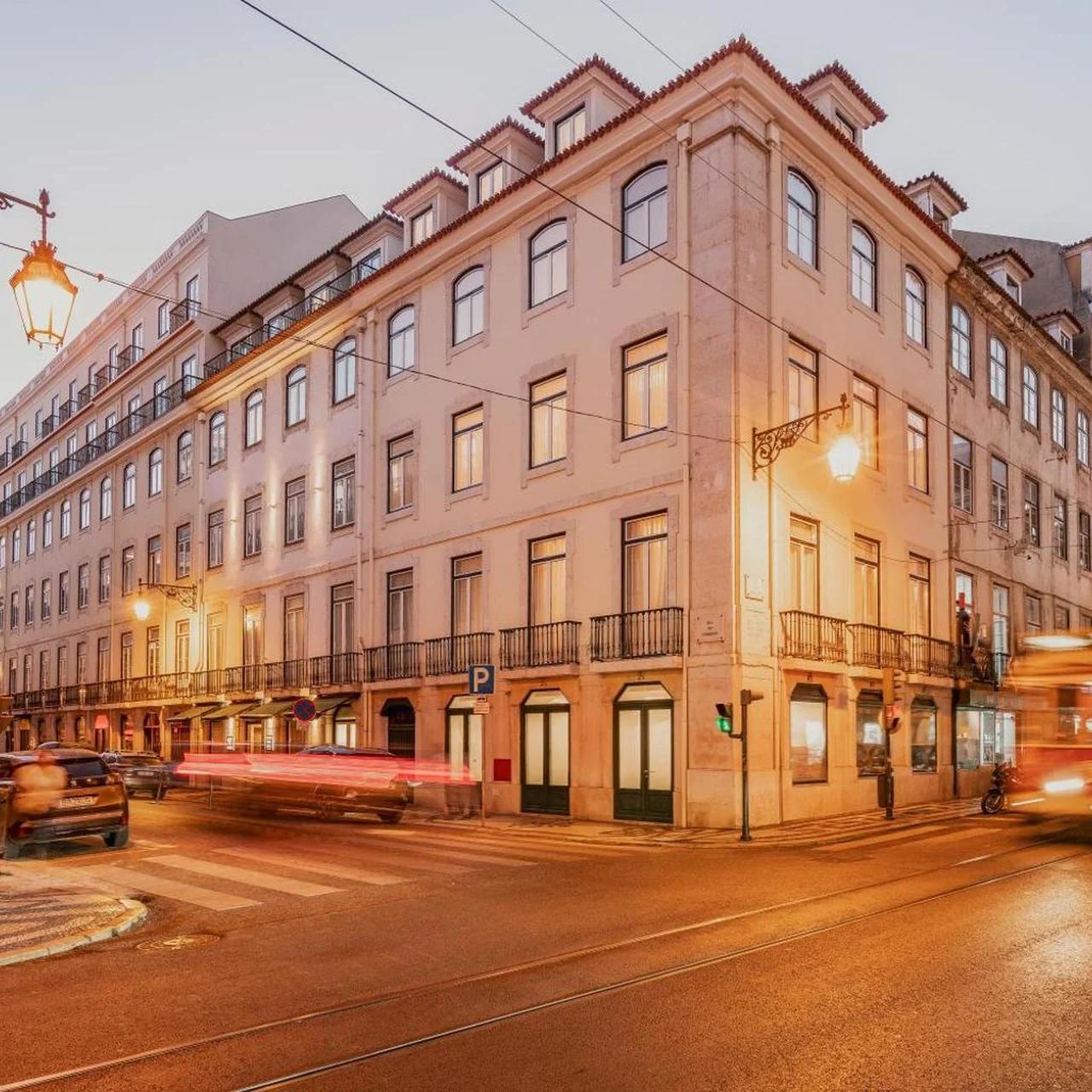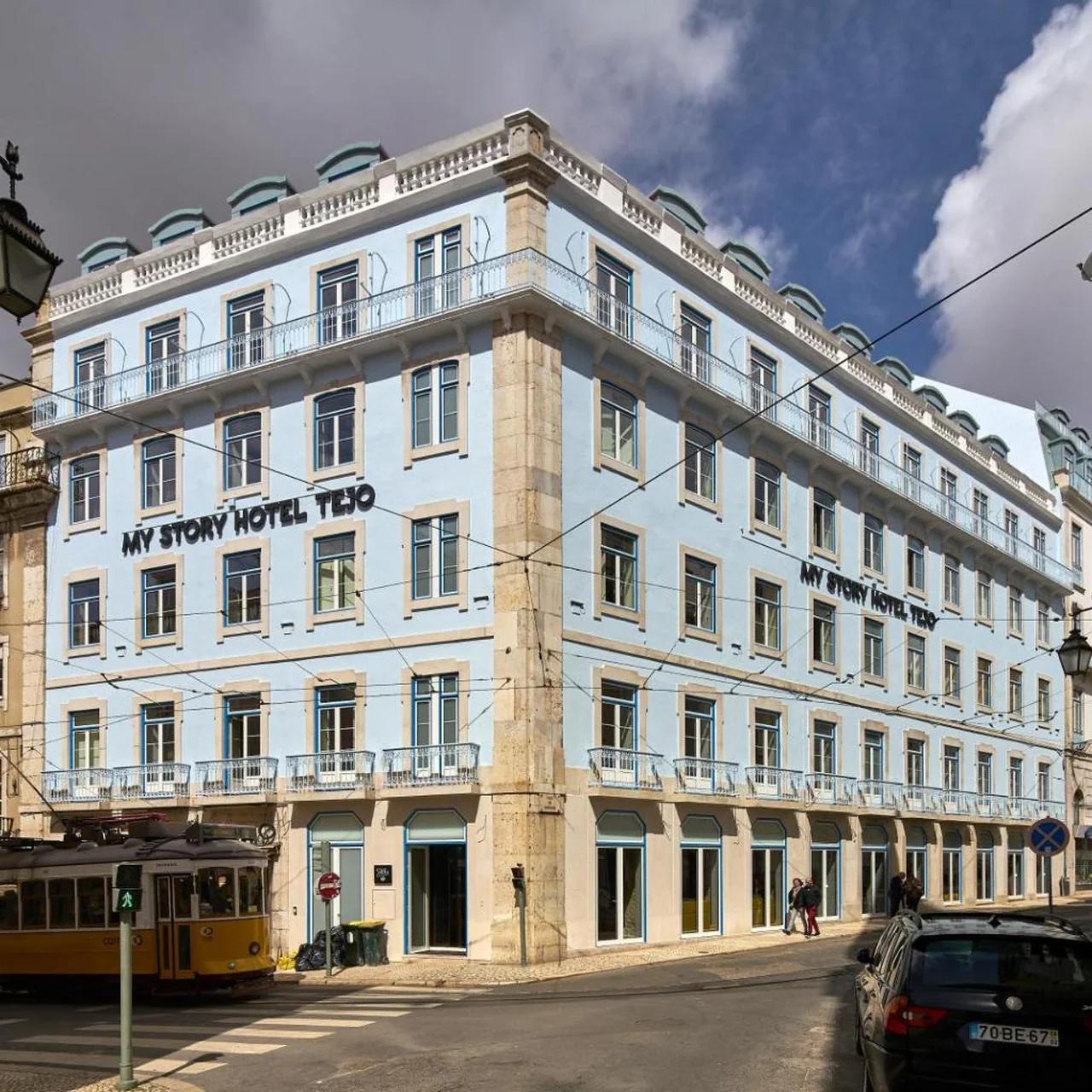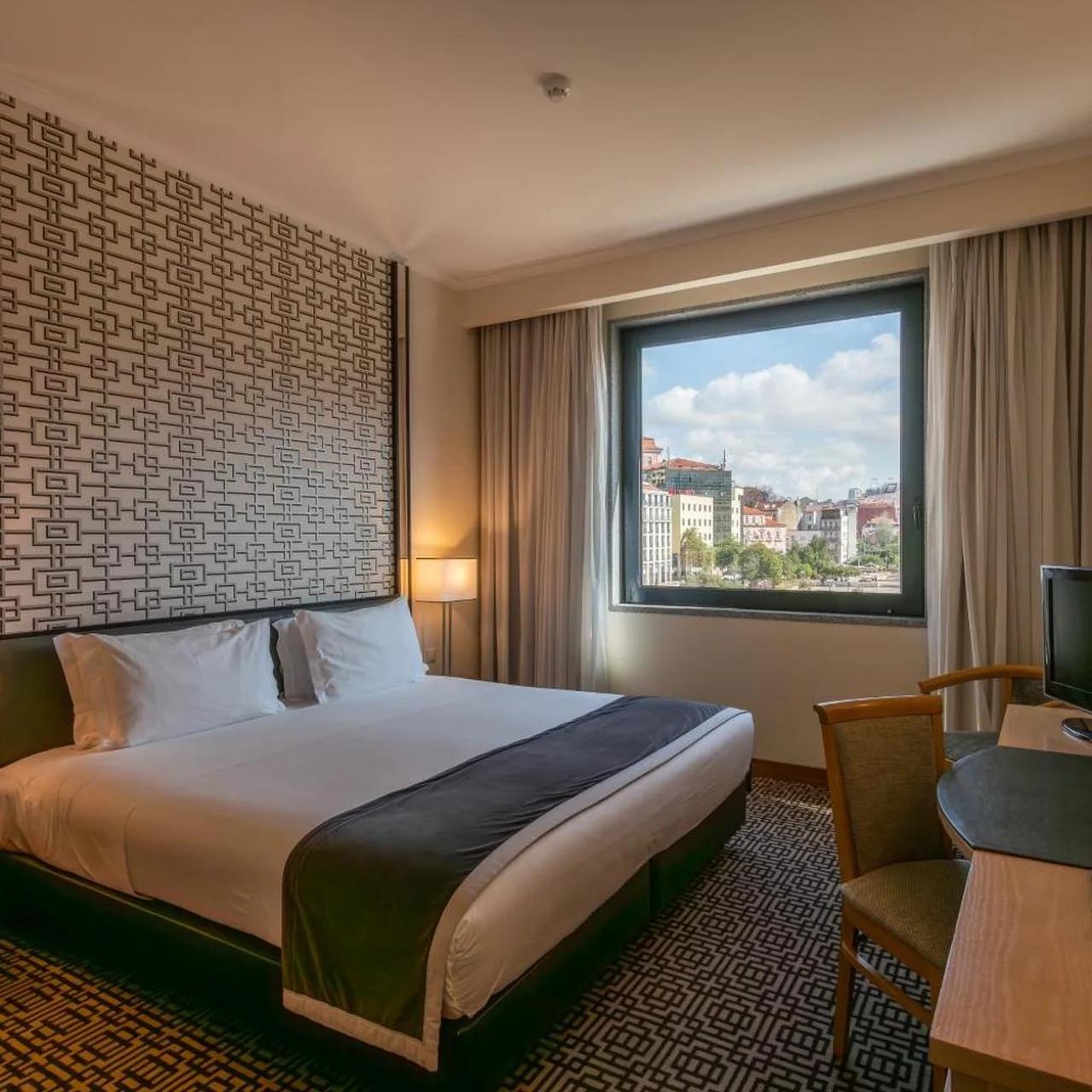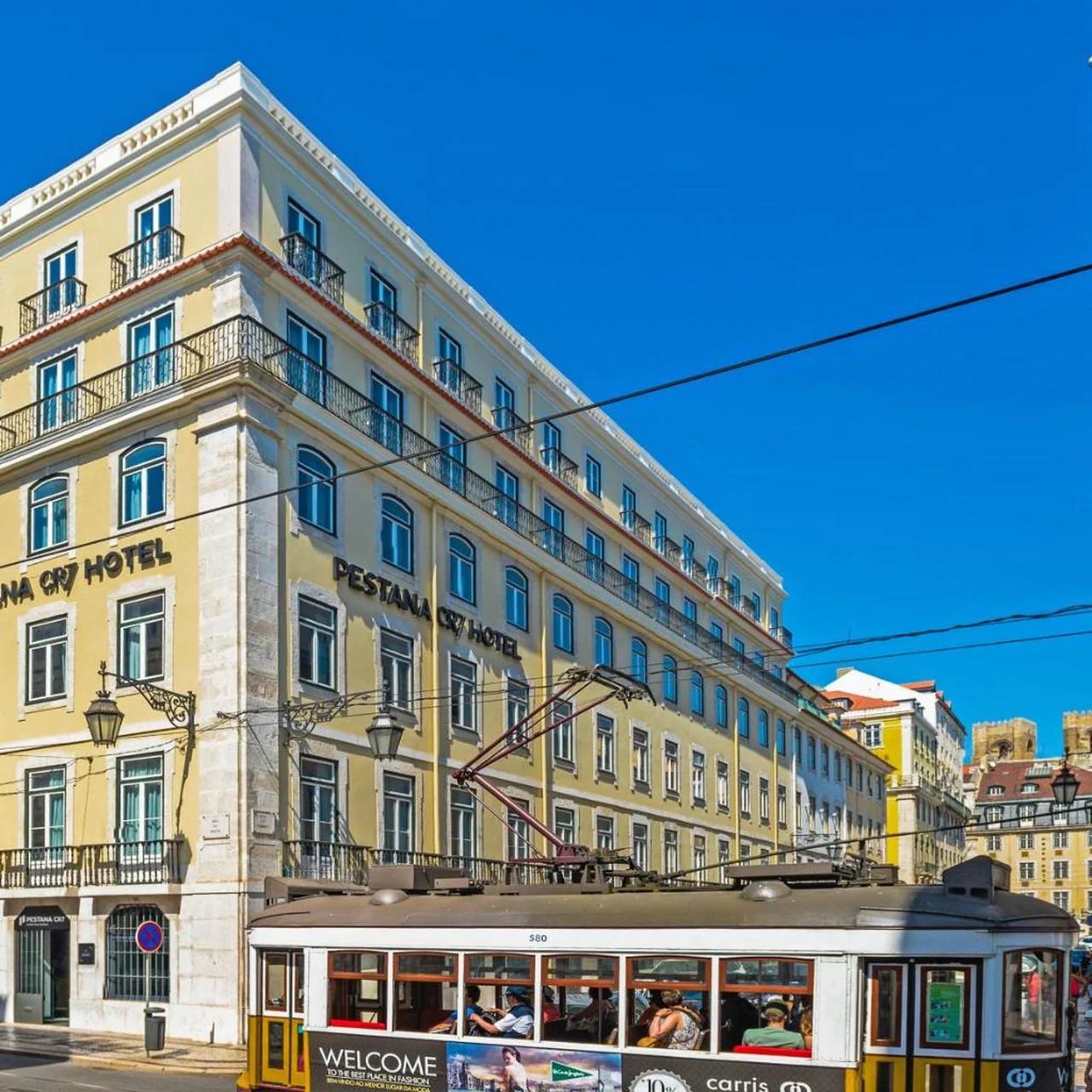

Hotels in Alfama, Lisbon
12 hotels · 8 nearby attractions· Part of Lisbon
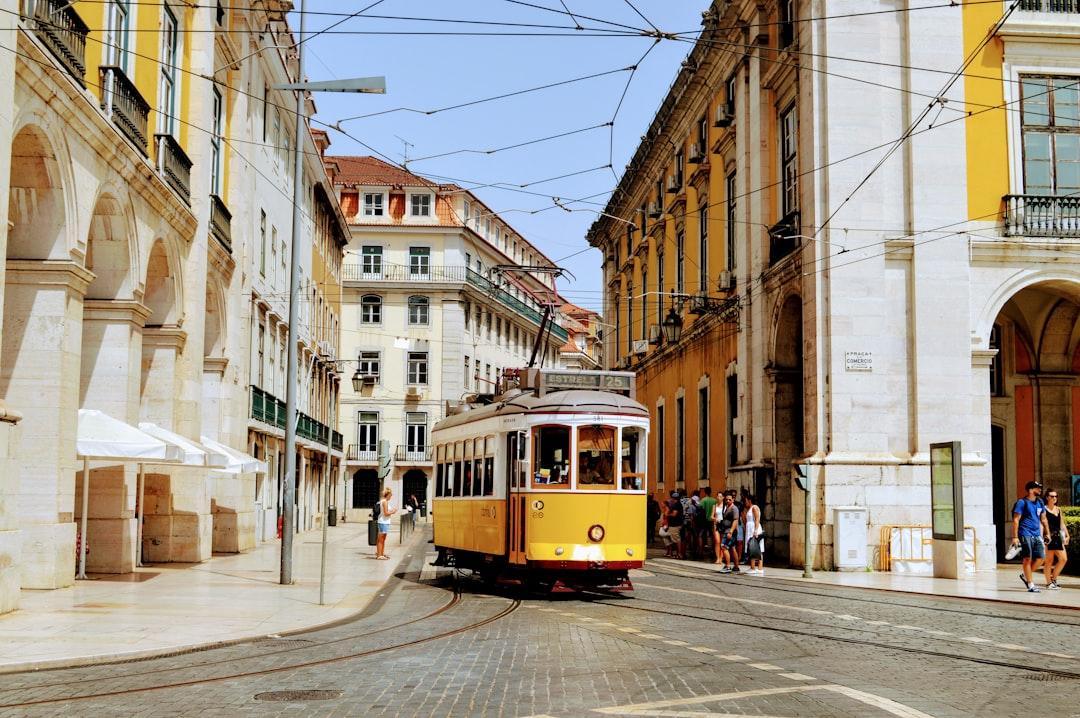
Photo by Subtle Awakening on Unsplash
About Alfama
Alfama, Lisbon's Oldest Quarter
Perched on the hillside east of Lisbon's downtown, Alfama is the city's oldest surviving neighbourhood — a tangle of narrow cobblestone lanes, whitewashed houses draped in bougainvillea, and miradouros (viewpoints) that open onto sweeping views of the Tagus River. Largely spared by the 1755 earthquake that levelled much of Lisbon, Alfama retains a medieval street plan and a lived-in authenticity that draws visitors from around the world.
Fado, Culture, and History
Alfama is the spiritual home of fado, Portugal's soulful national music. Tiny fado houses tucked along steep alleys fill each evening with the mournful sound of the Portuguese guitar and raw, emotional vocals. Beyond the music, the neighbourhood holds some of Lisbon's most important landmarks. The São Jorge Castle crowns the hilltop, offering panoramic city views and centuries of layered history stretching back to Moorish occupation. Below it, the Romanesque Sé Cathedral — Lisbon's oldest church — stands as a quiet anchor amid the bustle. The National Pantheon and the Museum of Decorative Arts are also within easy walking distance.
Street Life and Local Flavour
Alfama rewards slow exploration on foot. The Feira da Ladra flea market, held on Tuesdays and Saturdays at Campo de Santa Clara, is one of Lisbon's most atmospheric outdoor markets, where vendors sell everything from antique tiles to second-hand books. Miradouro das Portas do Sol and Miradouro de Santa Luzia are popular spots to pause, sip a coffee, and watch the city unfold toward the river. Local tascas (traditional taverns) serve honest Portuguese cooking — grilled sardines, bacalhau, and petiscos — at prices that remain relatively affordable compared to the tourist-heavy Baixa district.
Practical Tips
- Getting there: Tram 28 is the classic — and scenic — way to reach Alfama, though it gets crowded. Bus 737 is a quieter alternative.
- Best time to visit: Spring and early autumn offer comfortable temperatures for walking the steep streets. June brings the Festas de Santo António, when the neighbourhood erupts in street parties.
- Wear comfortable shoes: The cobblestones are steep and uneven; flat-soled, grip-friendly footwear is essential.
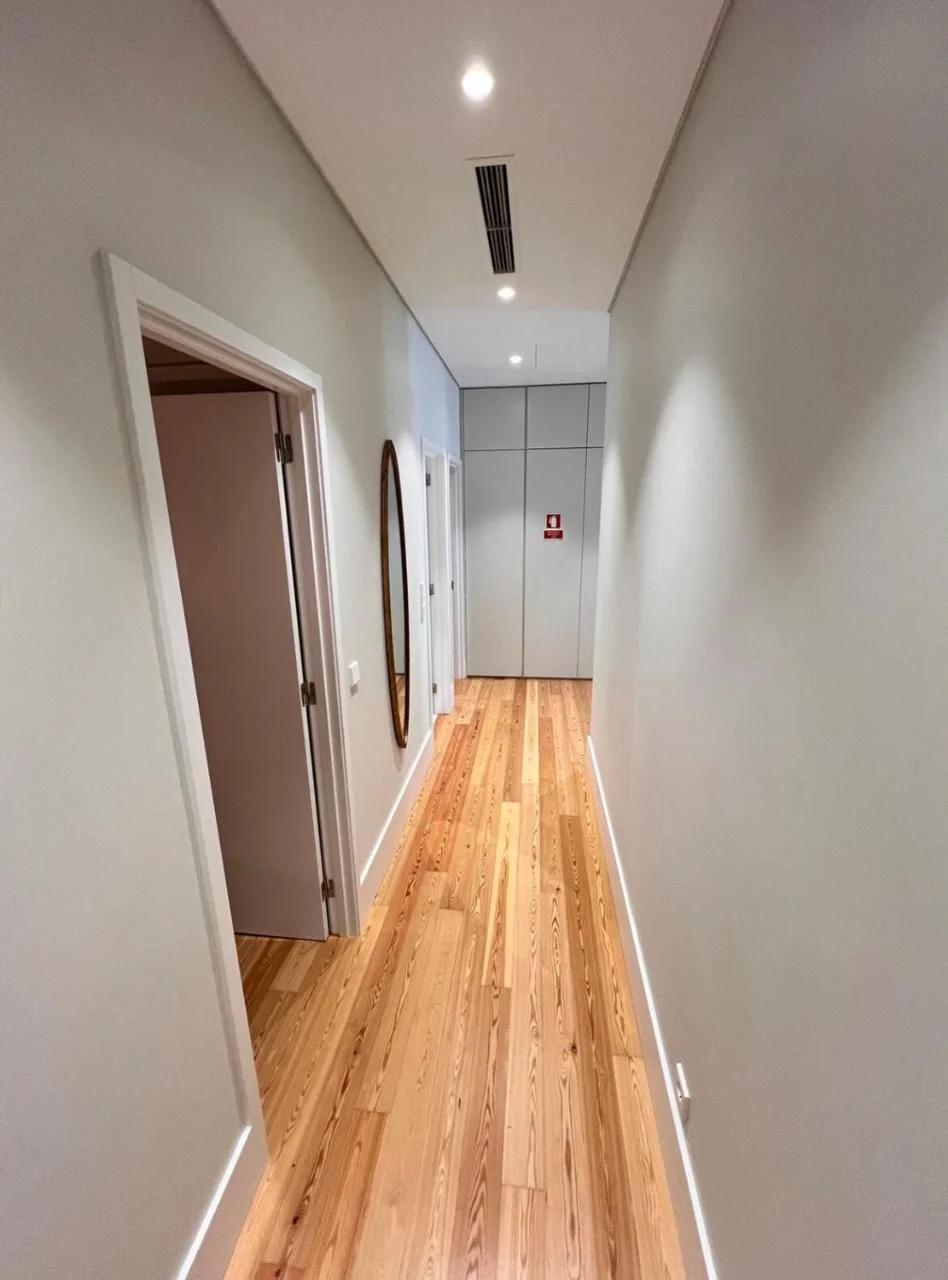
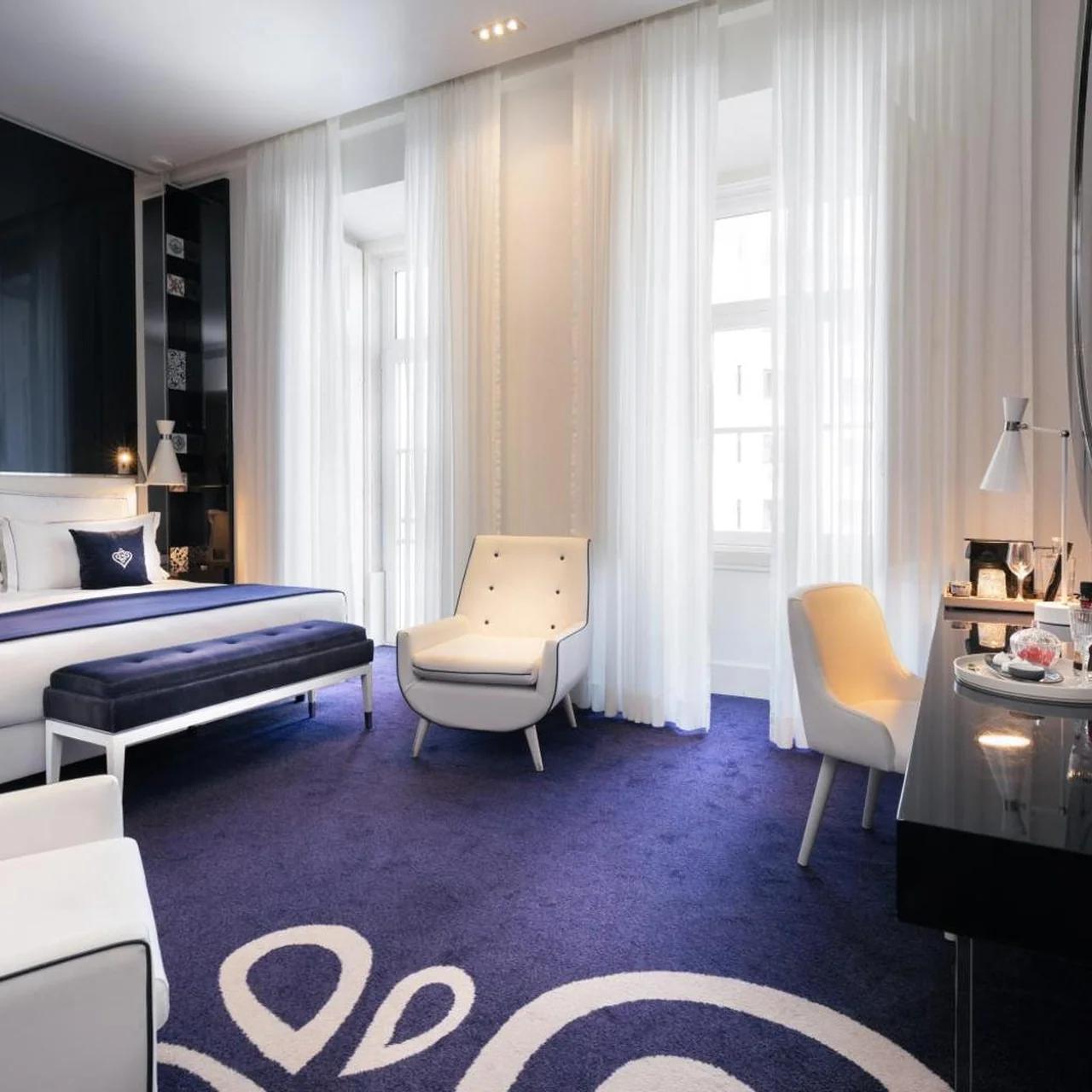
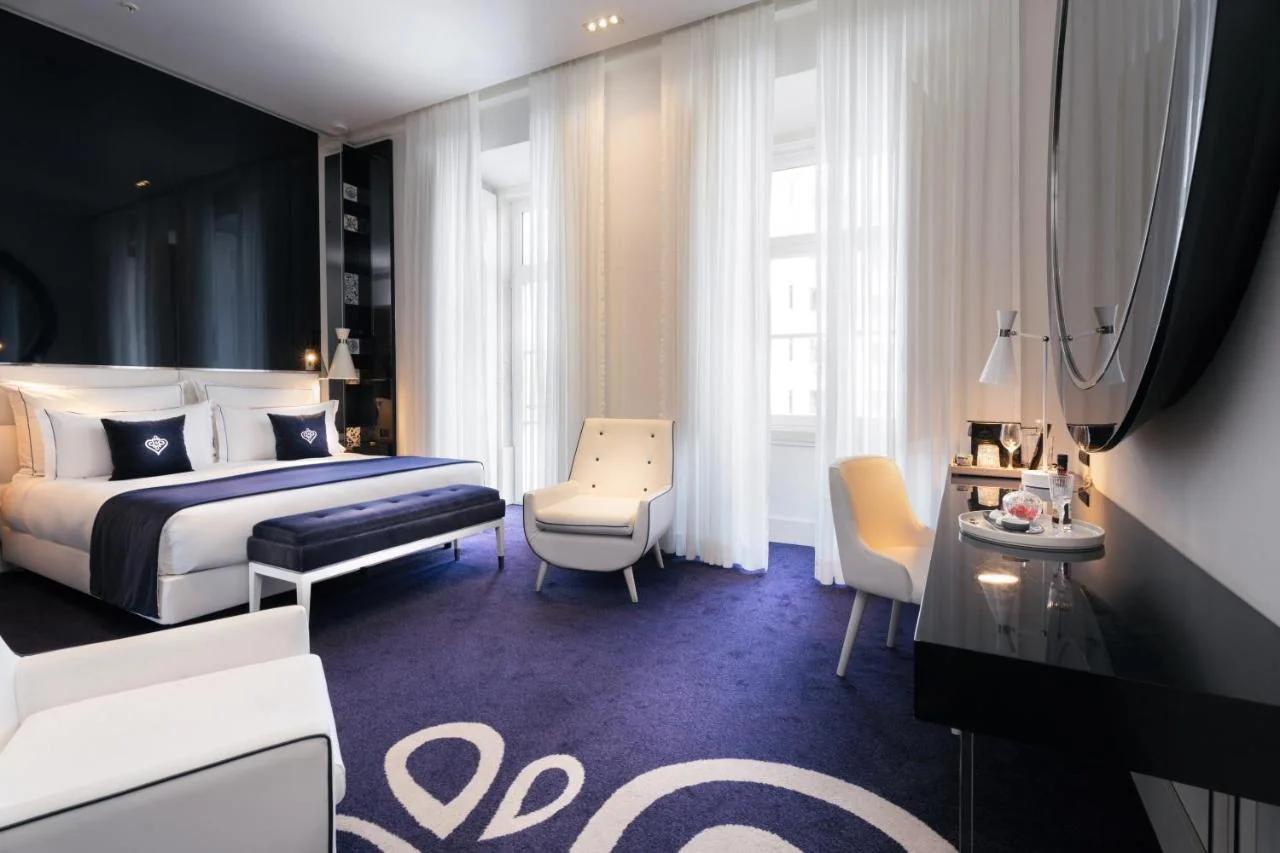
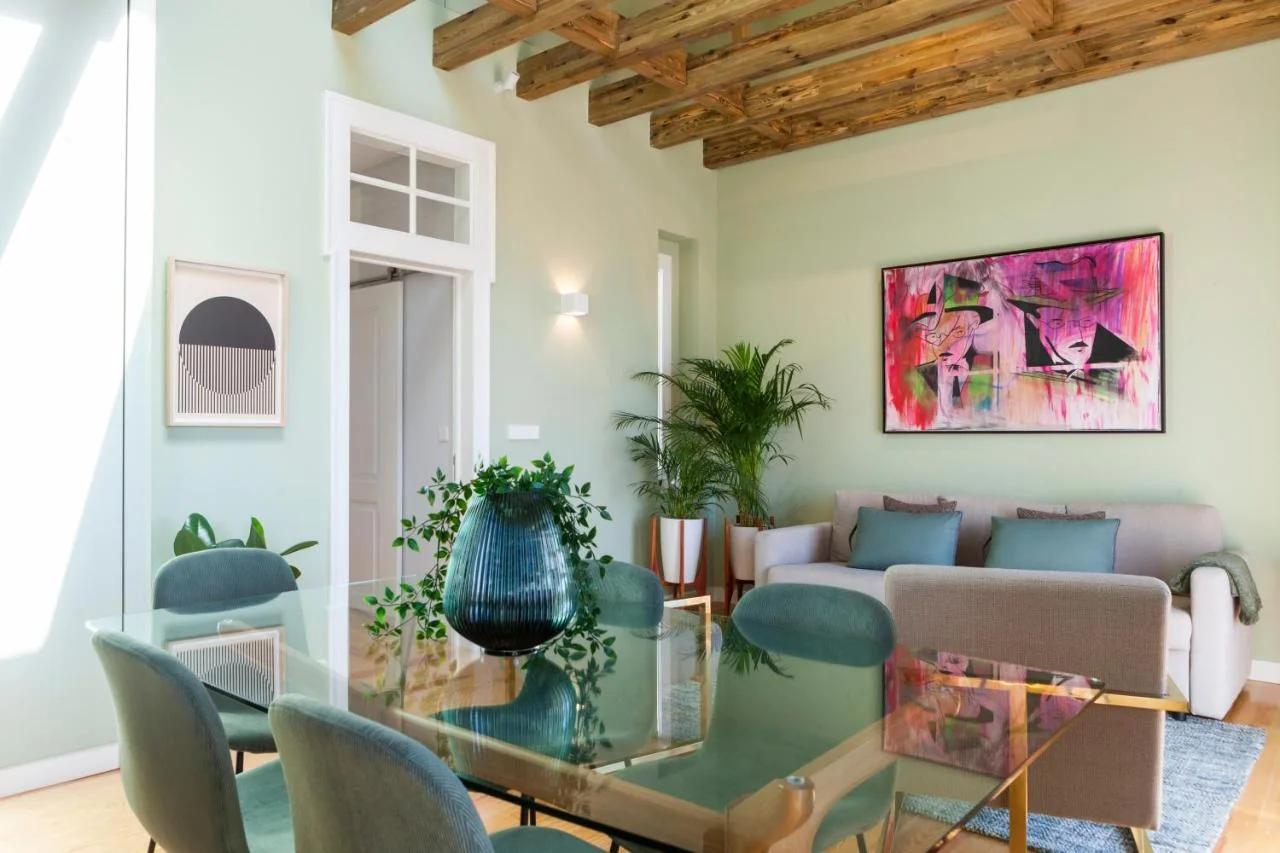
- Accommodation: Hotels and guesthouses in Alfama tend to be smaller boutique properties. Book ahead, especially for summer weekends.
- Evenings: Reserve fado dinner shows in advance during peak season, as seats fill quickly.
Nearby attractions

Sao Jorge Castle
Lisbon

Santa Apolonia Station
Lisbon

Praca do Comercio
Lisbon

Tram 28 route
Lisbon

Lisbon Oceanarium
Lisbon

Santa Justa Lift
Lisbon

Time Out Market
Lisbon

LX Factory
Lisbon
Part of Lisbon
Hotels in Alfama