Hotels in Puerto Rico
2 cities · 8 hotels
Photo by Nils Huenerfuerst on Unsplash
Puerto Rico: Caribbean Island, U.S. Territory, Distinct Culture
Puerto Rico sits in the northeastern Caribbean, roughly 1,600 km southeast of Miami. A U.S. unincorporated territory since 1898, the island spans 9,104 square kilometers and holds about 3.2 million residents. Travelers arrive without a passport from the U.S. mainland, use the U.S. dollar, and land at Luis Muñoz Marín International Airport in San Juan — the largest airport in the Caribbean. That accessibility, combined with a culture shaped by Taíno, Spanish, and African influences, makes Puerto Rico unlike any other Caribbean destination.
Cities Worth Exploring
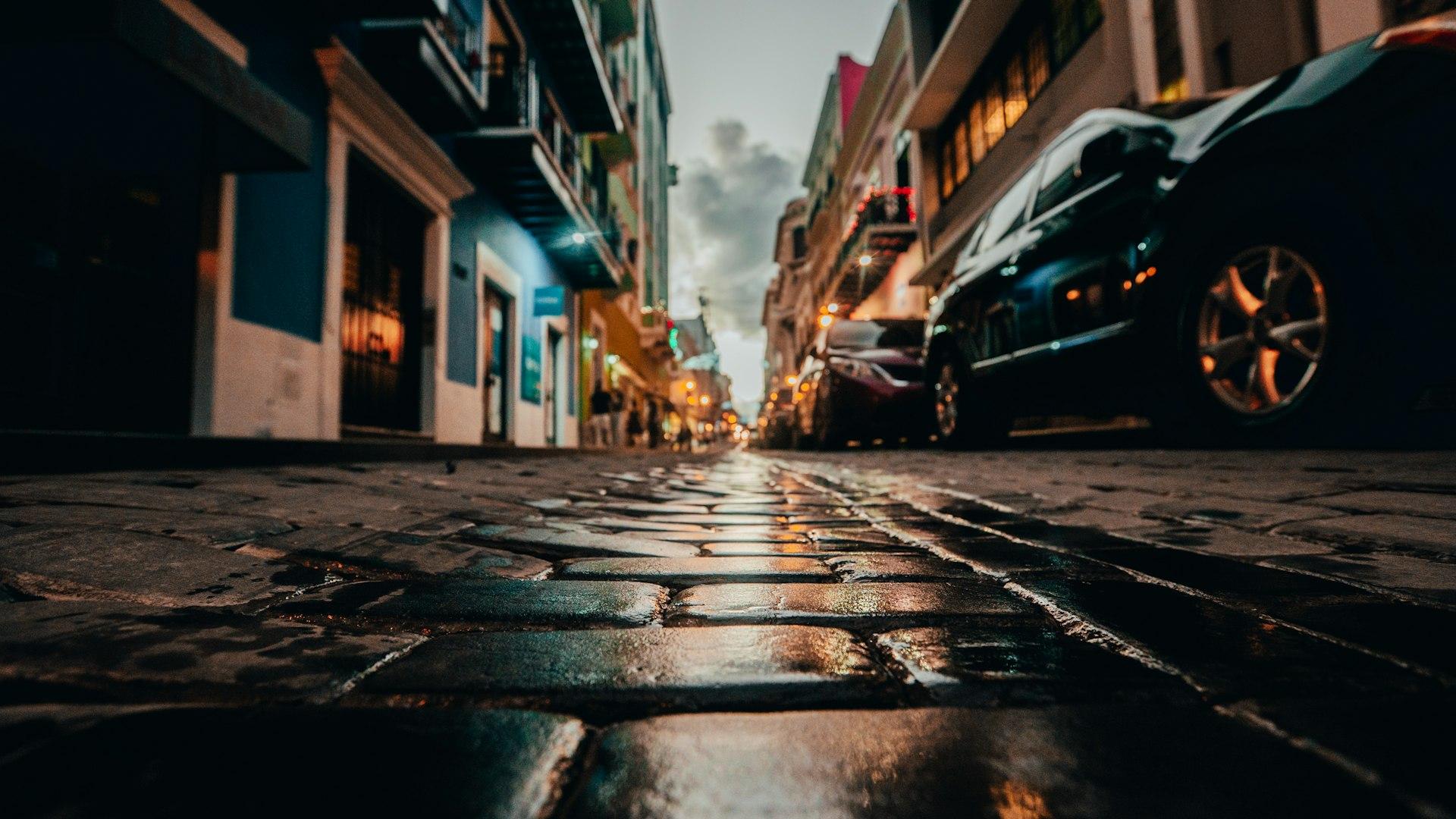
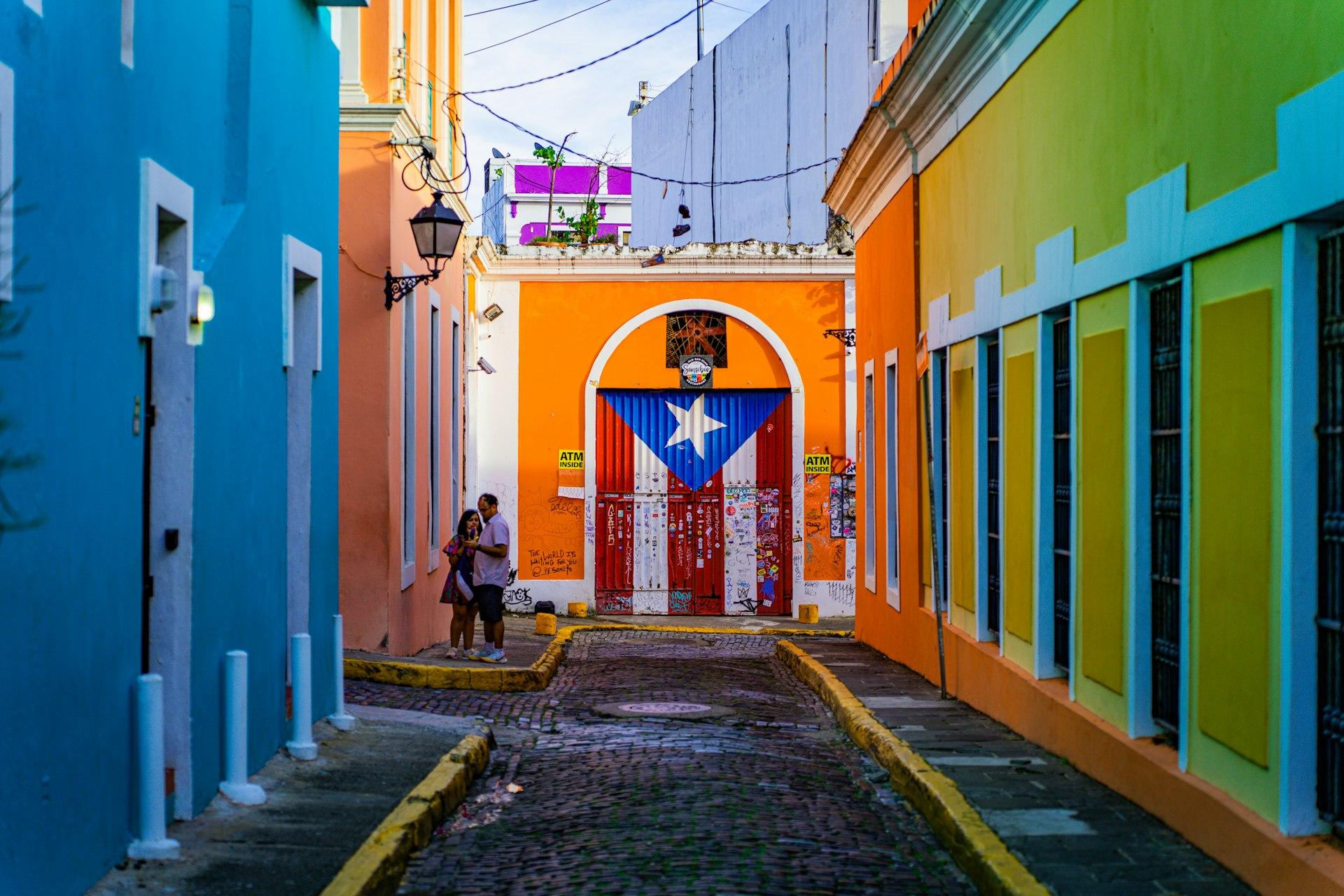
San Juan anchors the island's hotel supply and divides naturally into distinct zones. Old San Juan — a 500-year-old fortified district on a small islet — holds the 16th-century Castillo San Felipe del Morro and Castillo San Cristóbal, both UNESCO World Heritage Sites. The cobblestone streets lead to boutique hotels inside colonial buildings painted in pastels. East of the old city, Condado and Isla Verde line up along the Atlantic with 4-star and 5-star beachfront properties. Miramar and Santurce attract travelers seeking the art gallery and restaurant scene centered on La Placita de Santurce, a plaza market that runs Friday and Saturday nights.
Beyond San Juan, Ponce on the south coast is Puerto Rico's second city, with a Neo-Gothic cathedral and the Museo de Arte de Ponce holding over 4,500 works. Mayagüez on the west coast serves as a gateway to surfing beaches at Rincón, a town that hosted the 1968 World Surfing Championships. Fajardo in the northeast is the embarkation point for ferries to the islands of Vieques and Culebra, where Flamenco Beach regularly appears on Caribbean beach rankings.
Landscapes and Natural Attractions
The El Yunque National Forest — the only tropical rainforest in the U.S. National Forest System — covers 11,327 hectares in the Luquillo Mountains, about 45 km east of San Juan. Annual rainfall there exceeds 4,000 mm, sustaining waterfalls and endemic species including the Puerto Rican parrot. On the southwest coast, Cabo Rojo features salt flats, limestone cliffs, and the Los Morrillos Lighthouse dating to 1882. Vieques contains one of the world's brightest bioluminescent bays, Mosquito Bay, where dinoflagellates create a visible blue glow in calm, dark water.
When to Visit Puerto Rico
The dry season runs mid-December through April, with temperatures between 24°C and 29°C. This period draws the heaviest hotel demand and the highest rates, particularly around San Sebastián Street Festival in January and Semana Santa (Holy Week). Hurricane season officially spans June 1 to November 30, with peak risk in August and September. May and November offer a balance of lower rates, reduced crowds, and acceptable weather. The island averages 300 sunny days per year even during the rainy season, as showers are typically short and concentrated in the mountains.
Practical Tips for Visiting Puerto Rico
- Currency: U.S. dollar; no exchange required for travelers from the mainland.
- Getting around: Renting a car is the most practical option outside San Juan; rideshare apps cover the metro area.
- Ferry to Vieques/Culebra: Book ferry tickets from Fajardo well in advance during holiday weekends — demand regularly exceeds capacity.
- Hotel zones: Isla Verde for resort-style beach stays; Old San Juan for walkable colonial history; Condado for mid-range and boutique options near the beach.
- Language: Spanish is the primary language; English is widely spoken in tourist areas and required for all government services.
Frequently Asked Questions
Q: Do U.S. citizens need a passport to visit Puerto Rico? A: No. Puerto Rico is a U.S. territory, so U.S. citizens travel with a government-issued ID such as a driver's license. International visitors follow standard U.S. entry requirements.
Q: What is the best area to stay in San Juan? A: Old San Juan suits travelers focused on history and walkable dining; Condado and Isla Verde are better for beachfront access. Santurce attracts visitors interested in contemporary art and nightlife centered on Calle Loíza.
Q: How do travelers get from San Juan to Vieques? A: Ferries depart from the terminal in Fajardo, about 55 km east of San Juan. The crossing takes roughly 75 minutes. Small charter flights from the San Juan area take about 20 minutes.
Q: Is Puerto Rico expensive compared to other Caribbean islands? A: Mid-range hotels in San Juan average $150–$250 per night in high season. Costs are comparable to U.S. cities rather than budget-friendly Caribbean destinations, though local restaurants away from the resort strips offer more affordable meals.
Q: What Spanish colonial sites are open to visitors? A: Castillo San Felipe del Morro and Castillo San Cristóbal in Old San Juan are managed by the U.S. National Park Service and open daily. The fortifications date to the 1530s and 1630s respectively.