Hotels in Qatar
1 cities · 7 hotels
Photo by Md. Shaifuzzaman Ayon on Unsplash
Qatar: Desert Peninsula Between the Gulf and the Dunes
Qatar occupies a thumb-shaped peninsula jutting 160 km north into the Arabian Gulf, bordered by Saudi Arabia to the south. The country covers roughly 11,500 km², making it one of the smallest nations in the Middle East, yet it holds the third-largest proven natural gas reserves on the planet. That energy wealth funded a transformation that repositioned Doha from a modest pearl-diving port into a skyline of glass towers completed largely between 2005 and 2022. The 2022 Fifa World Cup, hosted across eight stadiums within a 50 km radius of Doha, introduced the country to millions of first-time visitors and accelerated hotel and transport infrastructure that remains available today.
Cities Worth Exploring
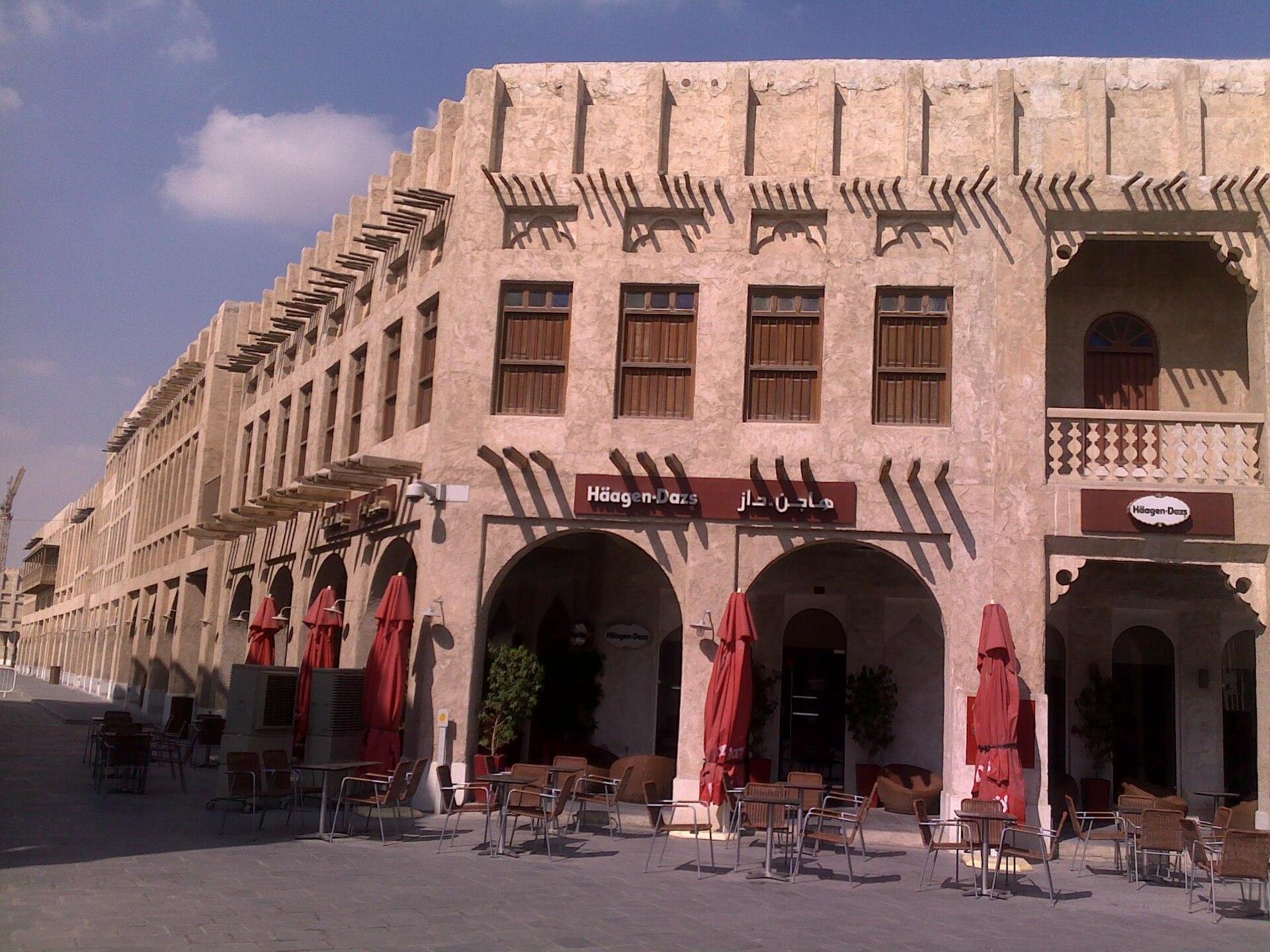
Doha is the capital and holds roughly 95 percent of Qatar's hotels. The West Bay financial district rises directly north of the old city centre, with towers like the Tornado Tower and the distinctive spiral of the Aspire Zone complex visible from the Corniche, a 7 km waterfront promenade. Directly south of West Bay, the reconstructed Souq Waqif market sells spices, falconry equipment, and regional textiles in lanes that replicate the city's early 20th-century layout. The Museum of Islamic Art, designed by I.M. Pei and opened in 2008, sits on an artificial island at the south end of the Corniche and houses 1,400 years of Islamic craftsmanship across 17 galleries.
Outside Doha, Al Wakrah — 15 km south of the capital — offers a restored heritage souq and a quieter waterfront. The inland desert town of Al Shahaniya hosts Qatar's camel-racing track, active between October and March. The Inland Sea (Khor Al Adaid), 80 km south of Doha near the Saudi border, is a UNESCO-recognised natural reserve where tidal channels cut into high dunes — the main destination for 4×4 desert excursions.
Cultural and Natural Draws
Qatar's cultural calendar concentrates in the cooler months. The Qatar International Food Festival runs each March in Katara Cultural Village, a purpose-built heritage complex in northern Doha. Katara itself hosts outdoor concerts, film screenings, and gallery exhibitions year-round. The National Museum of Qatar, shaped like interlocking desert rose crystals and opened in 2019, traces the peninsula's geology, Bedouin heritage, and modern history across 40,000 m² of exhibition space.
For outdoor travelers, the Al Thakira mangrove forest north of Al Khor — about 50 km from Doha — is accessible by kayak and shelters migratory birds between October and April. The purple-tinted sand dunes near Zekreet in the northwest fringe a plateau used as a film-set backdrop and protect the Richard Serra sculpture park, a permanent land-art installation in the desert.
Practical Tips for Visiting Qatar
- When to go: November through March delivers temperatures between 15 °C and 25 °C; June through August regularly exceeds 40 °C with high humidity.
- Getting around: Doha's Metro Red, Green, and Gold lines connect the airport, West Bay, Souq Waqif, and Education City; single fares start at QAR 2 (approx. USD 0.55). Taxis and ride-share apps cover gaps.
- Visa: Citizens of over 100 countries receive a free visa on arrival valid for 30 days.
- Dress code: Modest dress is expected in souqs, mosques, and government buildings; beachwear stays at resort pools and beaches.
- Currency: Qatari Riyal (QAR), pegged at 3.64 to the US dollar.
- Accommodation range: Budget hotels in central Doha start near USD 60/night; five-star properties along West Bay and The Pearl-Qatar exceed USD 400/night.
Frequently Asked Questions
Q: What is the best area to stay in Doha? A: West Bay places guests within walking distance of major corporate towers, upscale dining, and the Corniche waterfront. Souq Waqif area suits travelers prioritising cultural access and the Museum of Islamic Art within a short walk.
Q: Is Qatar safe for solo travelers and families? A: Qatar consistently ranks among the lowest-crime countries in the region. Solo travelers and families report few safety concerns in Doha or at desert excursion sites.
Q: How many days are enough to see Qatar? A: Three to four days cover Doha's main museums, the Corniche, Souq Waqif, and a half-day desert trip to Khor Al Adaid. A full week allows Al Wakrah, Zekreet, and Al Thakira.
Q: Can travelers visit the Inland Sea independently? A: The Inland Sea requires a 4×4 vehicle capable of driving on soft sand. Most visitors join guided half-day tours departing from Doha, which include dune driving and a shoreside stop.
Q: What language and currency should travelers prepare for? A: Arabic is the official language; English is widely spoken in hotels, restaurants, and taxis. The Qatari Riyal is the local currency, fixed at QAR 3.64 per USD.