Hotels in Saint Lucia
2 cities · 17 hotels
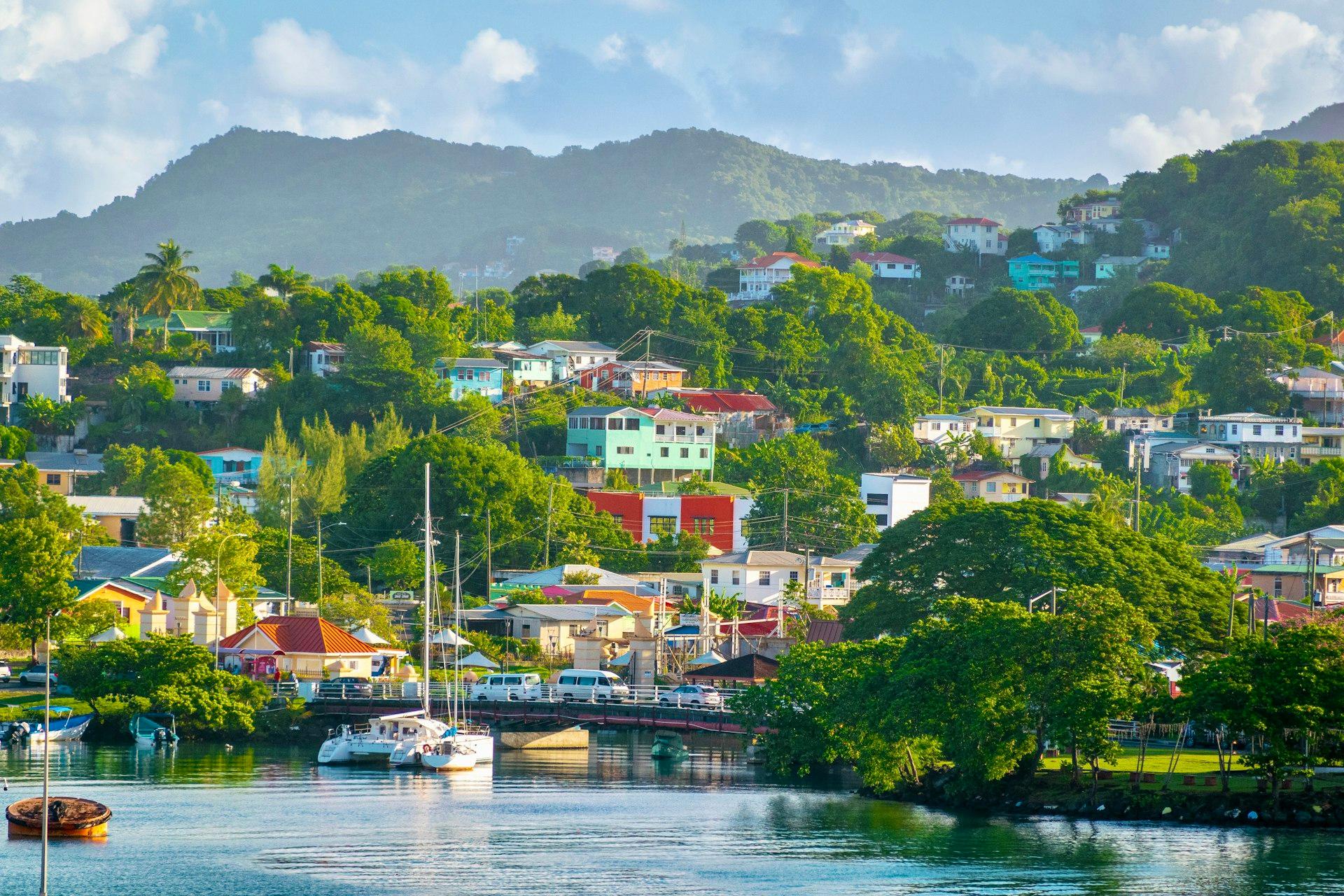
Photo by Tom Podmore on Unsplash
Saint Lucia: Volcanic Peaks, Rainforest, and Caribbean Coastline
Saint Lucia sits in the eastern Caribbean, roughly 37 km south of Martinique and 21 km northeast of Saint Vincent. The island covers 617 sq km, making it compact enough to drive from the northern tip at Cap Estate to the southern port of Vieux Fort in under two hours. Two geological landmarks define the island's silhouette: Gros Piton (771 m) and Petit Piton (743 m), twin volcanic spires that rise from the sea near the town of Soufrière and appear on the national flag. Both peaks are part of the Pitons Management Area, a UNESCO World Heritage Site designated in 2004.
Cities and Regions Worth Exploring
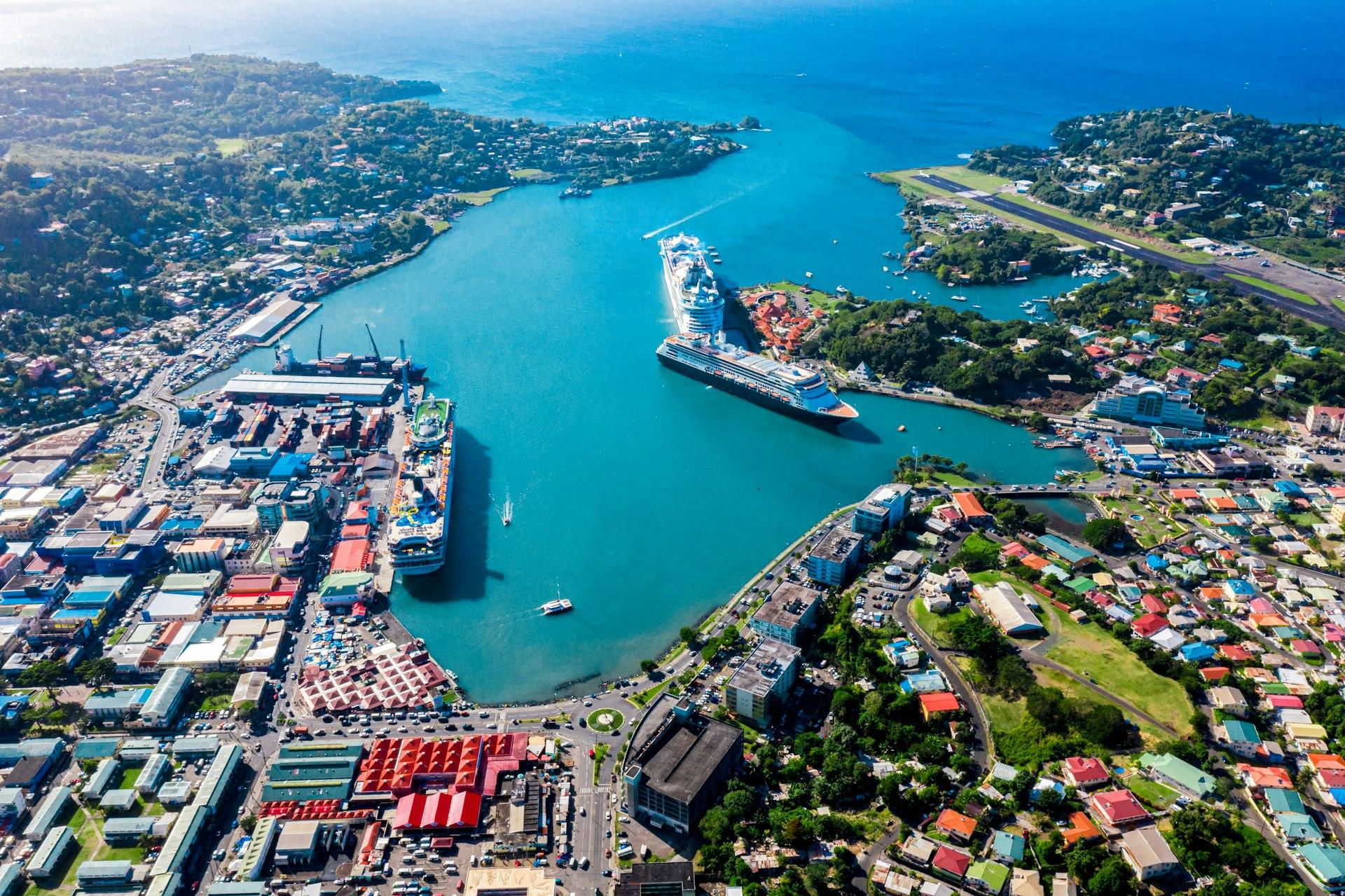
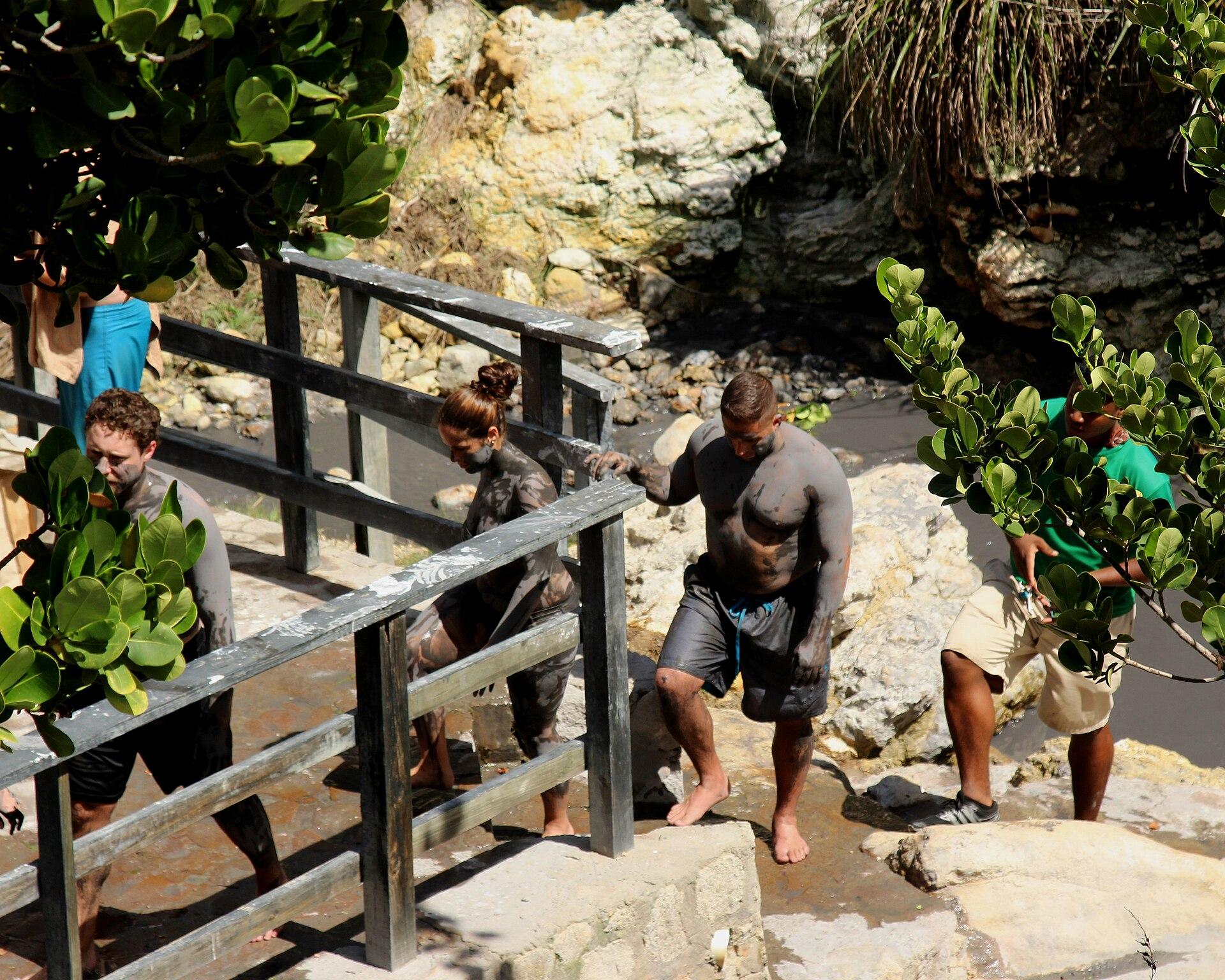
Castries, the capital, holds roughly 70,000 residents and serves as the main cruise and air arrival point. The Castries Central Market on Jeremy Street sells local spices, madras cloth, and fresh produce every Saturday from dawn. North of Castries, the Rodney Bay strip along Gros Islet offers the island's densest concentration of hotels, restaurants, and the largest marina in the eastern Caribbean. Further north, Cap Estate hosts several all-inclusive resorts set on Atlantic-facing bluffs. South of the capital, the town of Soufrière gives access to the Sulphur Springs, billed as the Caribbean's only drive-in volcano, and to the Diamond Botanical Gardens, established in 1785 by French King Louis XVI.
When to Visit Saint Lucia
The dry season runs roughly December through May, when rainfall is minimal and humidity stays moderate. The Saint Lucia Jazz & Arts Festival, held each May in Pigeon Island National Landmark, draws regional and international performers. Carnival falls in July, centered on Castries and the surrounding parishes. The wet season peaks between July and October, coinciding with the Atlantic hurricane season, though Saint Lucia sits at the southern edge of the primary hurricane track. Room rates drop 20–40% during the low season (June–November), making that window attractive for budget-conscious travelers.
What Travelers Come For
Hiking the Gros Piton Trail — a 4 km round trip with roughly 550 m of elevation gain — remains the signature activity, requiring a licensed guide arranged through the Saint Lucia Heritage Tourism Programme. Snorkeling and diving around Anse Chastanet reef, just north of Soufrière, exposes travelers to sea turtles, spotted eagle rays, and intact coral walls. The Rainforest Adventures aerial tram in Babonneau descends through the Castries Waterworks Forest Reserve, one of the island's protected watershed zones. Whale-watching is viable year-round; sperm whales are resident in the channel west of the island.
Practical Tips for Visiting Saint Lucia
- Getting around: Minibuses connect Castries to Gros Islet and Soufrière; the Castries–Soufrière route takes 60–90 minutes depending on stops. Renting a car requires a temporary Saint Lucia driving permit (approx. XCD 54), available at the rental counter.
- Currency: Eastern Caribbean Dollar (XCD); USD is widely accepted in tourist zones at roughly 2.7 XCD per dollar.
- Entry: Most nationalities require only a valid passport and a return ticket — no visa for stays under 42 days for citizens of the UK, US, EU, and Canada.
- Altitude clothing: Pack a light layer for evening hikes above 600 m; temperatures at the Piton base drop noticeably after sunset.
- Booking timing: Reserve Piton hiking permits and Anse Chastanet dive slots at least 48 hours ahead during peak season (December–April).
Frequently Asked Questions
Q: What is the main airport serving Saint Lucia? A: Hewanorra International Airport (UVF) near Vieux Fort handles international long-haul flights and sits about 67 km south of Castries. George F. L. Charles Airport (SLU) in Castries handles regional inter-island flights and is closer to northern hotels.
Q: Is Saint Lucia suitable for budget travelers? A: The island has options across price ranges. Guesthouses in Soufrière and Castries start well below the all-inclusive resorts of Rodney Bay. Visiting June–November cuts accommodation costs significantly.
Q: Do travelers need a visa to enter Saint Lucia? A: Citizens of the United States, United Kingdom, Canada, and EU member states do not require a visa for stays up to 42 days. A valid passport and proof of onward travel are required.
Q: What language is spoken in Saint Lucia? A: English is the official language. Kwéyòl (Saint Lucian Creole), derived from French, is widely spoken in daily life, particularly in rural parishes and markets.
Q: Are the Pitons safe to hike independently? A: The Saint Lucia Heritage Tourism Programme mandates licensed guides for Gros Piton and Petit Piton hikes. Guides improve both safety and ecological protection of the UNESCO site.