Hotels in São Tomé and Príncipe
1 cities · 6 hotels
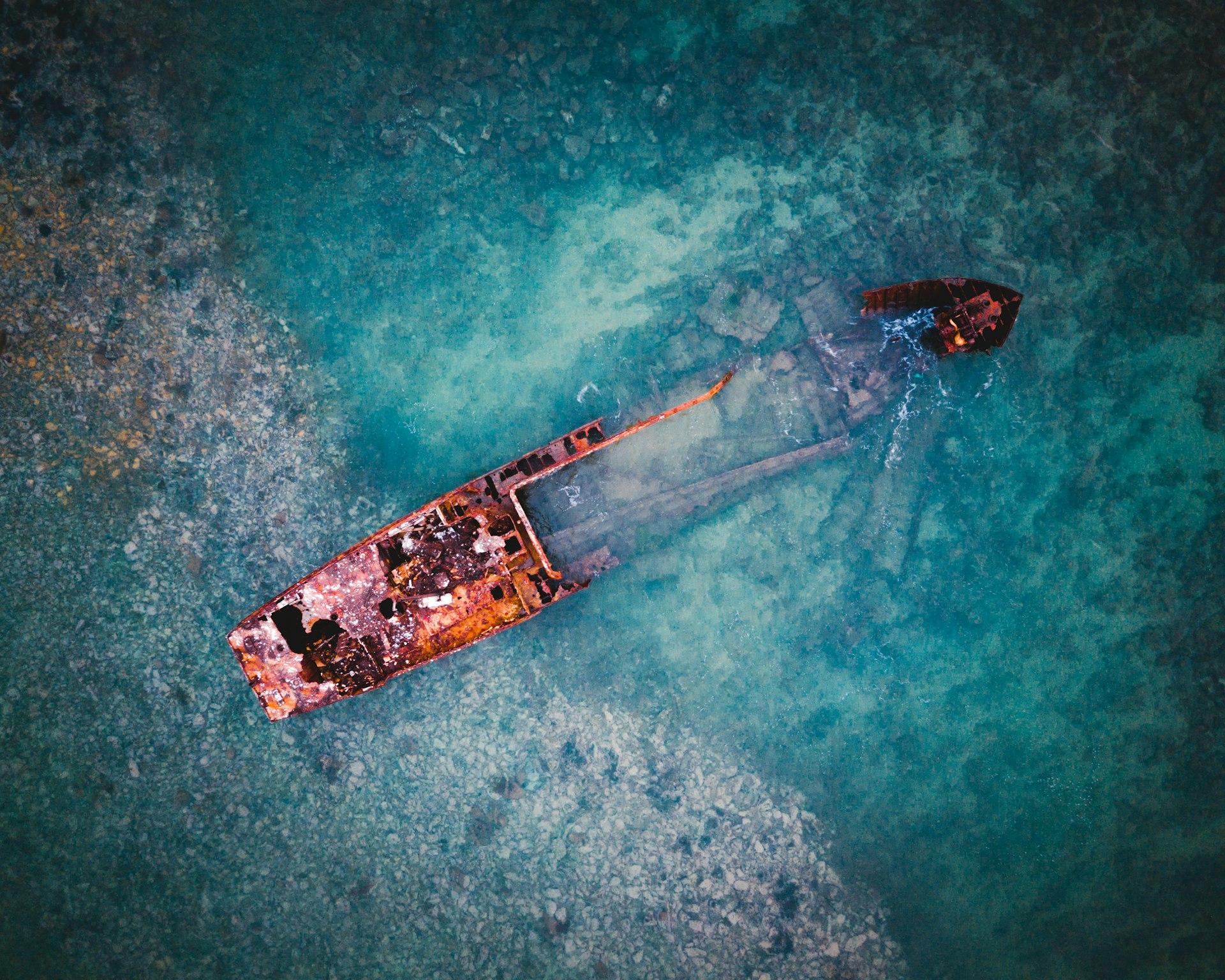
Photo by João Ferreira on Unsplash
São Tomé and Príncipe: Two Volcanic Islands in the Gulf of Guinea
São Tomé and Príncipe is a two-island nation sitting on the equator in the Gulf of Guinea, roughly 250 km off the coast of Gabon. The archipelago covers just 1,001 km² yet packs in dense rainforest, colonial Portuguese architecture, cacao plantations dating to the 15th century, and black-sand beaches that see fewer than 30,000 tourists a year. That low footfall is the defining fact for travelers: infrastructure is limited, but the payoff is near-empty coastline and forest trails shared only with endemic bird species.
Cities Worth Exploring
São Tomé city, the capital on the larger island, holds the country's main hotel concentration. The 16th-century Fortaleza de São Sebastião — now the National Museum — anchors the waterfront. The Mercado Municipal sells fresh jackfruit, breadfruit, and locally grown robusta coffee each morning. The Rua de Moçambique district retains painted colonial facades and small guesthouses within walking distance of the ferry terminal.
On the smaller island, Santo António is the only town in Príncipe, a UNESCO Biosphere Reserve since 2012. The town's population is under 8,000, and the surrounding coast — particularly Praia Banana and Baia das Agulhas — ranks among the least-visited white-sand beaches in the Atlantic.
Cacao, Rainforest, and Roças
The country's landscape is organized around former plantation estates called roças, built by Portuguese colonizers from the 1500s onward. Roça Sundy on Príncipe is where Arthur Eddington confirmed Einstein's theory of general relativity during the 1919 solar eclipse — a rare historical anchor for such a small nation. Several roças have been converted into eco-lodges and coffee-tasting venues. The southern third of São Tomé island falls inside the Parque Natural Obô, covering 235 km² of montane rainforest and protecting species such as the São Tomé fiscal and dwarf olive ibis, both endemic.
When to Visit São Tomé and Príncipe
The dry season runs from June to September (locally called gravana), bringing cooler temperatures around 24–27 °C and lower humidity — the preferred window for hiking and beach visits. A shorter dry spell occurs in December and January. The wet season (October–May) sees heavy rainfall especially in the south, making unpaved roads to roças difficult to navigate without a 4WD. Sea turtle nesting on Praia Grande and Praia Jalé peaks between October and March.
Practical Tips for Visiting São Tomé and Príncipe
- Getting there: Direct flights operate from Lisbon (TAP Air Portugal, ~6 hours) and from several West African hubs including Luanda and Accra.
- Getting around: Shared taxis (hiaces) cover the main island roads; renting a 4WD is advisable for remote roças. The inter-island ferry takes approximately 6 hours; a short domestic flight is faster.
- Currency: The Dobra (STN) is pegged to the euro at 24.5 STN = €1. Euros are widely accepted in hotels.
- Health: Yellow fever vaccination is required for entry. Malaria prophylaxis is strongly recommended.
- Accommodation range: Rates start around €40/night for guesthouses in São Tomé city; eco-lodges in Príncipe typically run €150–300/night.
- Language: Portuguese is official; Forro, Angolar, and Principense creoles are spoken locally.
Frequently Asked Questions
Q: Do visitors need a visa for São Tomé and Príncipe? A: Most nationalities require a visa, obtainable on arrival at São Tomé International Airport or in advance through an embassy. Processing on arrival takes 20–40 minutes and costs approximately €30–60 depending on nationality.
Q: What is the best island for beaches — São Tomé or Príncipe? A: Príncipe has fewer visitors and more pristine stretches, particularly Praia Banana and Praia Sundy. São Tomé's south coast around Praia Jalé offers accessible black-sand beaches backed by rainforest.
Q: Is São Tomé and Príncipe safe for travelers? A: The country has a low violent-crime rate. Petty theft can occur in São Tomé city; standard precautions apply. Road conditions outside the capital require attention, especially after rain.
Q: What language do hotels use with guests? A: Most hotel staff in larger properties speak Portuguese and French; English is available in upscale eco-lodges, particularly on Príncipe.