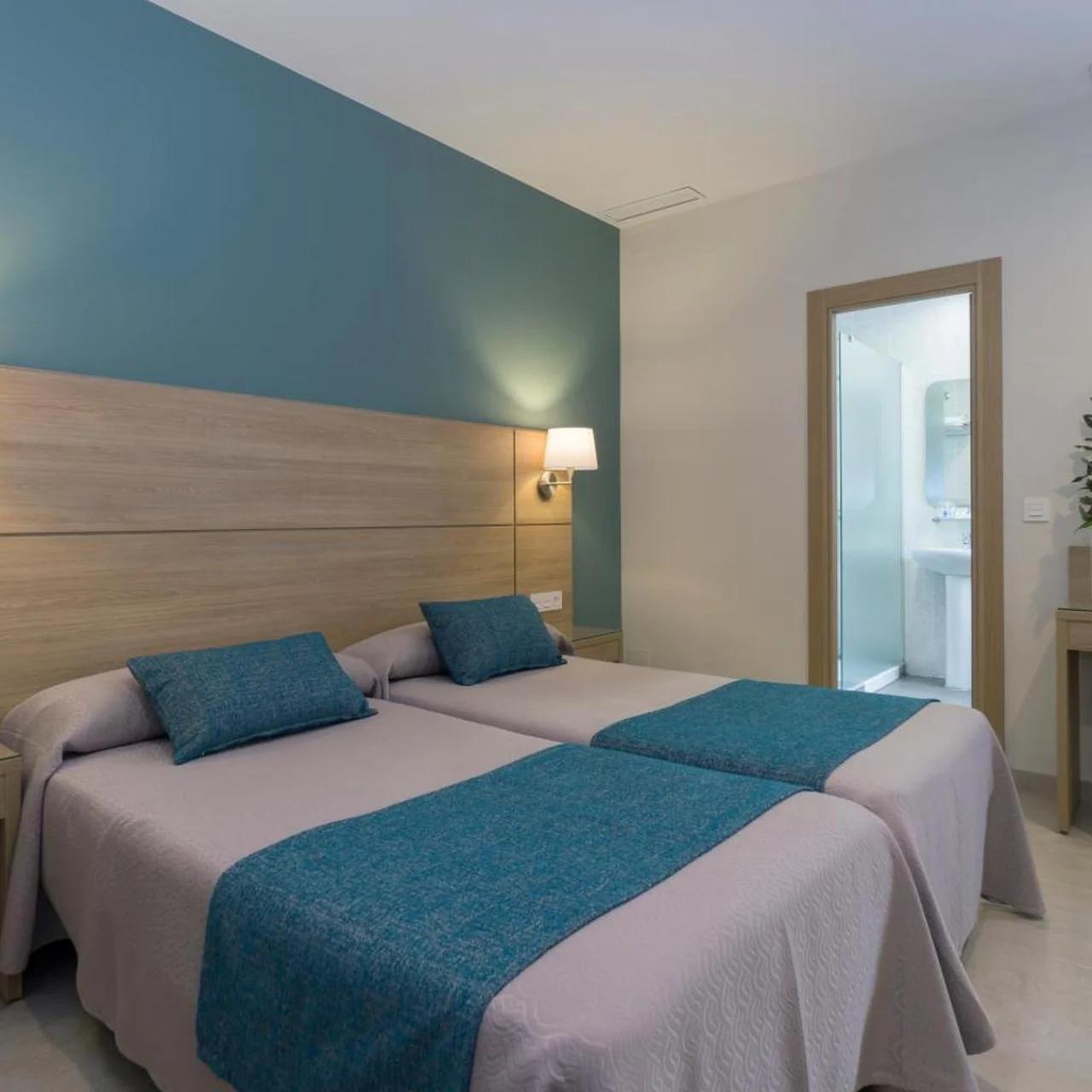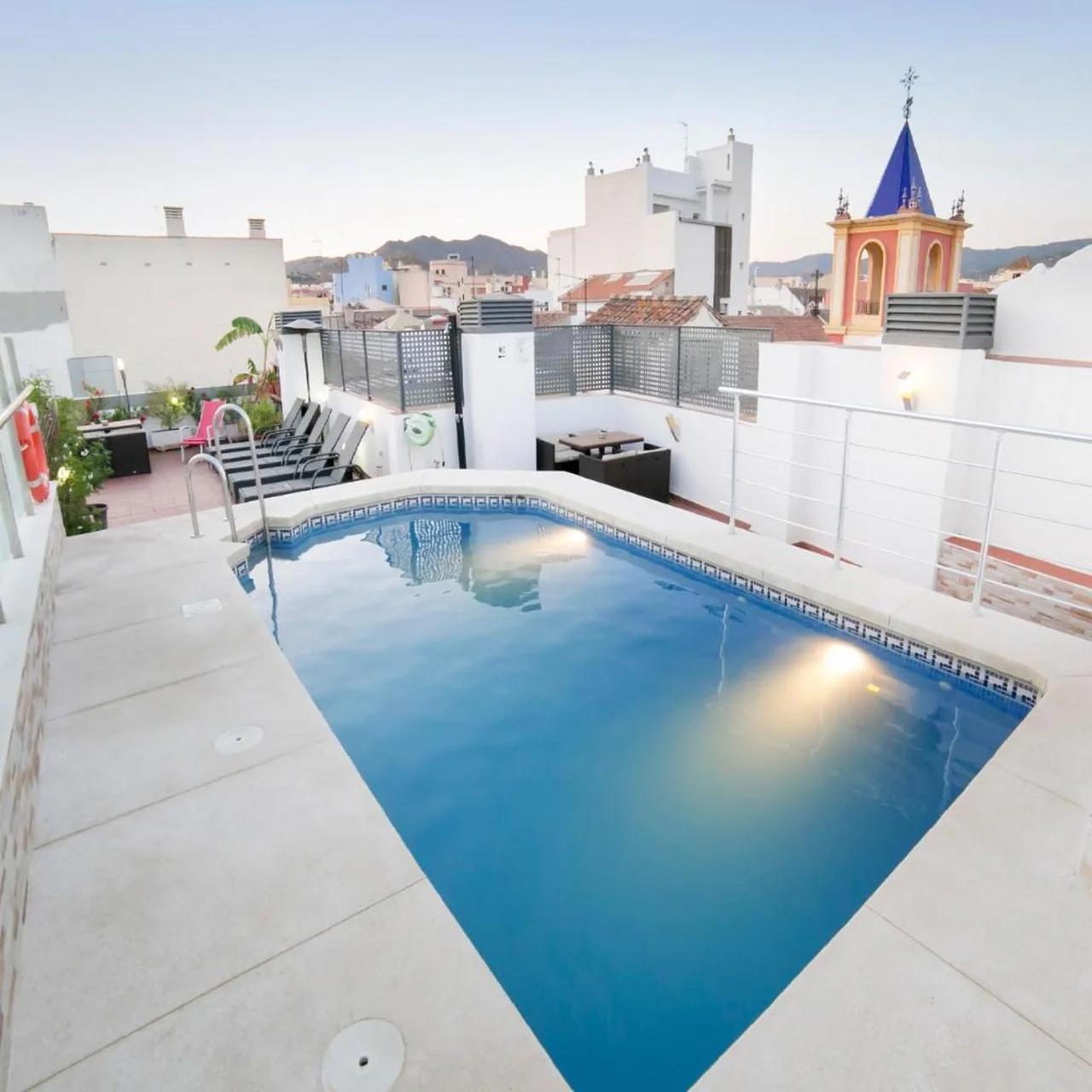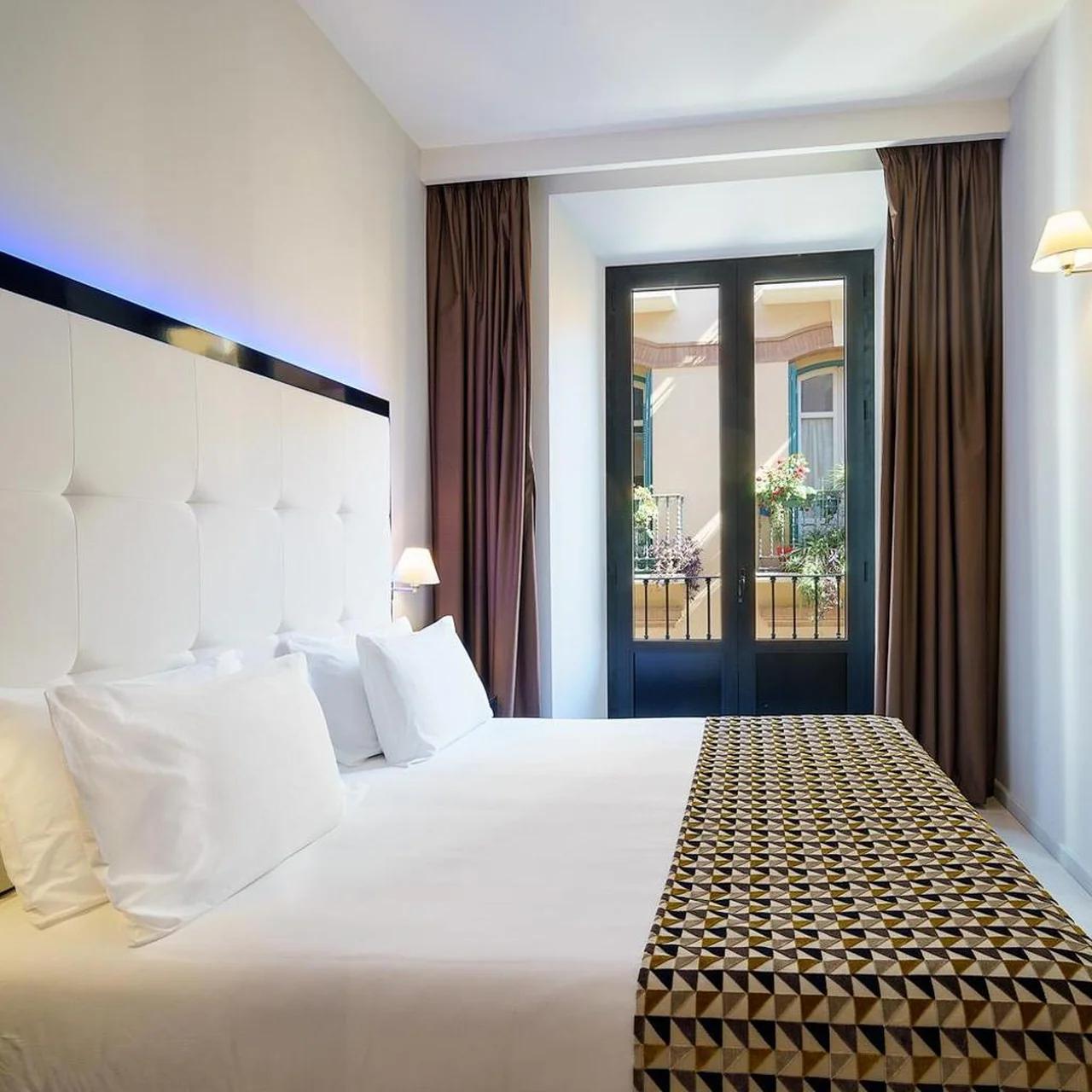

Hotels near Alcazaba
Malaga · 37 hotels nearby (showing closest 20)
Photo by Sergio Guardiola Herrador on Unsplash
About Alcazaba
Perched on a rocky hillside above Málaga's historic center, the Alcazaba is one of the best-preserved Moorish palatial fortresses in Spain. Built primarily in the 11th century under the Hammudid dynasty and later expanded by the Nasrid rulers of Granada, it offers visitors a vivid window into Andalusia's Islamic past.
History and Architecture
Construction of the Alcazaba began around 1057, making use of stone and columns salvaged from the earlier Roman theater that sits at its base. The fortress is arranged in a series of walled enclosures rising toward a palace complex at the summit. Horseshoe arches, ornamental tile work, and tranquil garden courtyards with fountains reflect the Nasrid architectural style also seen at the Alhambra in Granada. The site served both as a military stronghold and a royal residence for Moorish governors.
Views and Surroundings
The Alcazaba's elevated position rewards visitors with broad views over Málaga's port, the Mediterranean Sea, and the city rooftops. A covered walkway connects the fortress to Gibralfaro Castle higher up the hill, making it easy to visit both in a single outing. At the foot of the Alcazaba, the restored Roman theater — dating to the 1st century BC — provides an additional layer of historical depth to the visit.
Practical Tips
- Opening hours: Vary by season; check the official Málaga tourism website before visiting.
- Entry fee: A combined ticket with Gibralfaro Castle offers good value.
- Access: The main entrance is near the Roman theater on Calle Alcazabilla. The climb involves steps and uneven surfaces.
- Nearby attractions: The Picasso Museum and the Pompidou Centre Málaga are both within easy walking distance in the city center.
Frequently asked questions
How long does a visit to the Alcazaba typically take?
Most visitors spend between 45 minutes and 1.5 hours exploring the fortress, depending on their interest in the architecture and gardens.
Can you walk from the Alcazaba to Gibralfaro Castle?
Yes. A covered pathway connects the two sites, and a combined ticket is available for visitors who wish to explore both.
Is the Alcazaba suitable for visitors with mobility limitations?
The site involves a significant number of steps and uneven stone surfaces, which can make it challenging for visitors with limited mobility. It is advisable to check current accessibility information before your visit.
When was the Alcazaba built?
Construction began around 1057 under the Hammudid dynasty, with later additions made during the Nasrid period. Parts of the structure reuse materials from a Roman theater dating to the 1st century BC.
Hotels nearby