
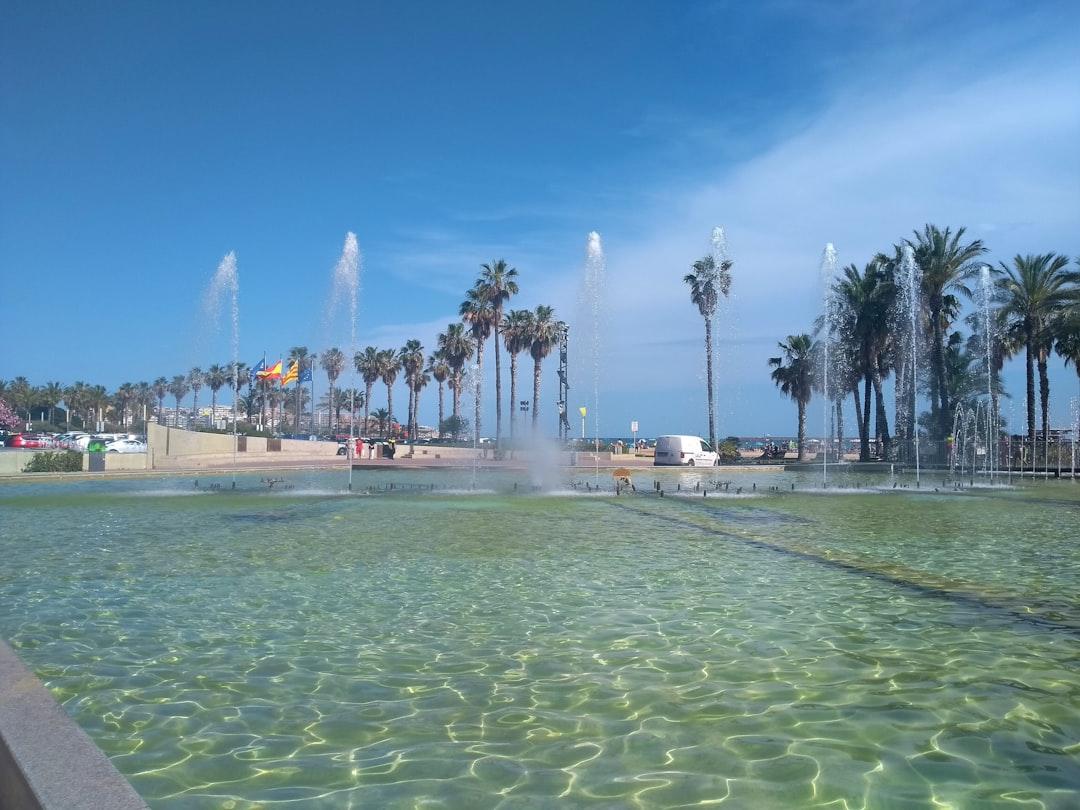
Hotels in Spain
239 cities · 2533 hotels
Photo by Shell Chapman on Unsplash
Spain Travel Guide
Spain is one of Europe's most visited countries, drawing millions of travelers each year with its diverse landscapes, rich history, vibrant cities, and world-renowned cuisine. From the sun-drenched coastlines of Andalusia to the architectural boldness of Barcelona, Spain offers an extraordinary range of experiences packed into a single destination. Whether you're planning a city break, a beach holiday, or a cultural deep-dive, Spain delivers on nearly every front.
Cities Worth Exploring
Spain's cities each carry a distinct personality. Madrid, the capital, is home to three of the world's great art museums — the Prado, the Reina Sofía, and the Thyssen-Bornemisza — along with lively plazas and a nightlife culture that runs well past midnight. Barcelona, the capital of Catalonia, is famous for Antoni Gaudí's architectural works, including the Sagrada Família basilica and Park Güell, as well as its Gothic Quarter and buzzing waterfront.
In the south, Seville stands out for its ornate Alcázar palace, the towering Giralda bell tower, and its deep roots in flamenco culture. Granada offers the Alhambra, a medieval Moorish palace complex set against the backdrop of the Sierra Nevada mountains — one of Spain's most visited historic sites. Further along the coast, Málaga combines a thriving arts scene with easy beach access, while Cádiz is considered one of the oldest continuously inhabited cities in Western Europe.
In the Basque Country, Bilbao transformed itself in the late 1990s through cultural investment, with the Guggenheim Museum Bilbao becoming a landmark of contemporary architecture. Nearby San Sebastián is internationally recognized for its concentration of Michelin-starred restaurants and its elegant La Concha beach.
Regions and Coastlines
Spain's regional diversity is one of its defining characteristics. Andalusia, in the south, is the largest region by area and encompasses cities like Seville, Granada, and Málaga, as well as the famous Costa del Sol. The whitewashed villages of the Alpujarras and the sherry-producing town of Jerez de la Frontera add further depth to the region.
Catalonia, in the northeast, blends Spanish and distinct Catalan culture, with the rugged Costa Brava coastline offering rocky coves and clear Mediterranean waters. The Balearic Islands — including Mallorca, Menorca, Ibiza, and Formentera — sit in the western Mediterranean and are known for their beaches, historic old towns like Palma de Mallorca, and varied terrain. The Canary Islands, located off the northwest coast of Africa, include Tenerife and Las Palmas de Gran Canaria and offer a year-round warm climate, volcanic landscapes, and a range of outdoor activities.
Along Spain's southeastern coast, Alicante, Valencia, and Murcia provide a combination of beach resorts, historic city centers, and agricultural landscapes. Valencia is also the birthplace of paella, and its annual Las Fallas festival — a UNESCO-recognized celebration involving elaborate sculptures and fireworks — draws visitors from around the world.
Food, Culture, and Festivals
Spanish cuisine varies significantly by region. Tapas culture is strongest in Andalusia and Madrid, while the Basque Country's pintxos tradition offers small bites of exceptional quality. Catalonia has its own culinary identity, and Valencia's rice dishes extend well beyond paella to include arroz a banda and fideuà.
Flamenco, though associated primarily with Andalusia, can be experienced across the country in dedicated tablaos. Spain's festival calendar is packed year-round: La Tomatina in Buñol, the Running of the Bulls in Pamplona, Semana Santa (Holy Week) processions in Seville, and the Feria de Abril are among the most well-known events.
Practical Tips for Visiting Spain
- Best time to visit: Spring (April–June) and autumn (September–October) offer mild temperatures and fewer crowds in most regions. The Canary Islands are pleasant year-round.
- Getting around: Spain has an extensive high-speed rail (AVE) network connecting major cities. Domestic flights are affordable for reaching the islands.
- Language: Spanish (Castilian) is spoken nationwide. Catalan, Basque, and Galician are co-official languages in their respective regions.
- Currency: Euro (€). Card payments are widely accepted, though cash is still useful in smaller towns.
- Dining hours: Lunch is typically served from 2–4 PM and dinner from 9–11 PM. Arriving earlier than these windows may result in closed kitchens.
- Tipping: Not mandatory but appreciated; rounding up the bill or leaving 5–10% is common in restaurants.
Cities in Spain
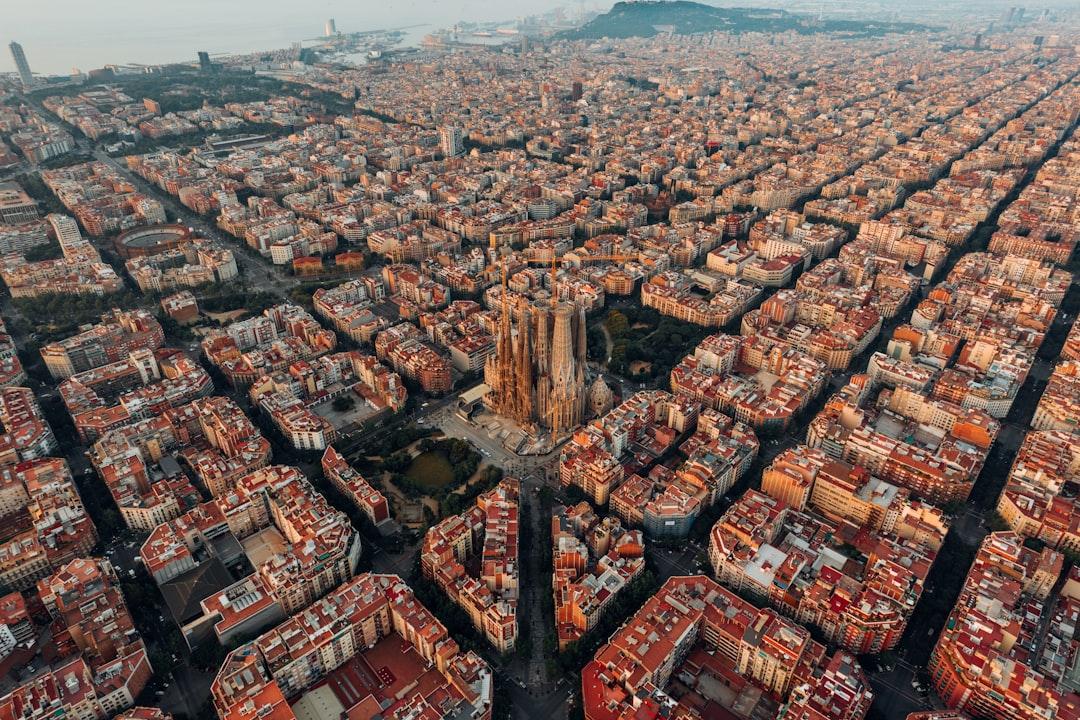
Barcelona hotels
Catalonia · 198 hotels
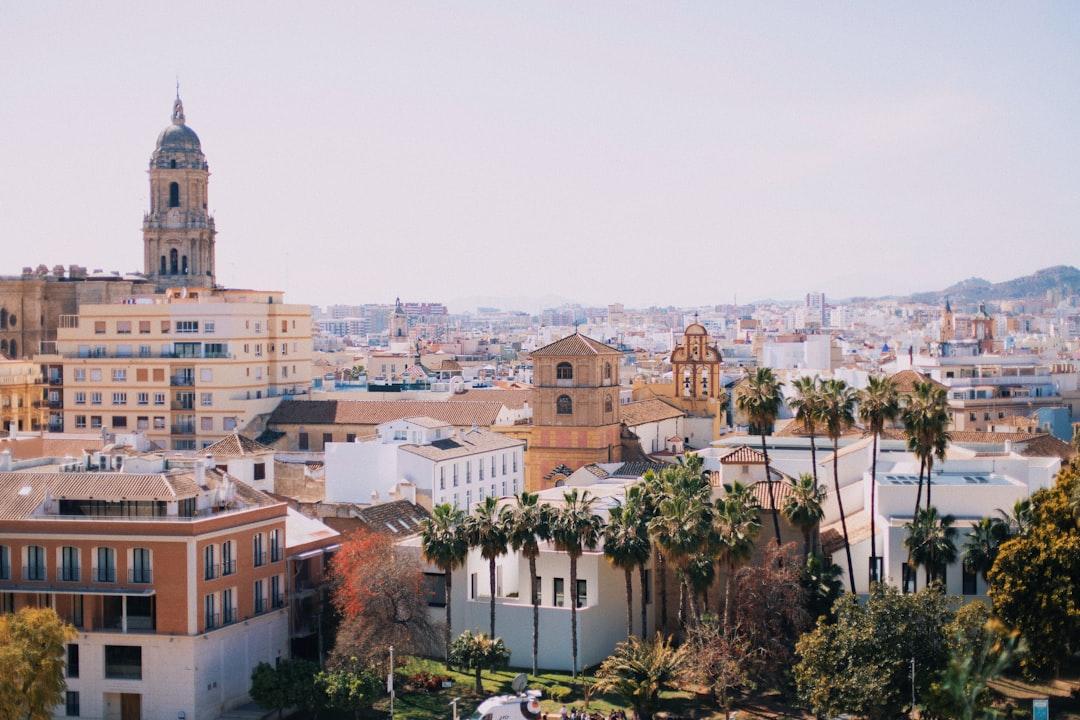
Malaga hotels
Andalusia · 138 hotels
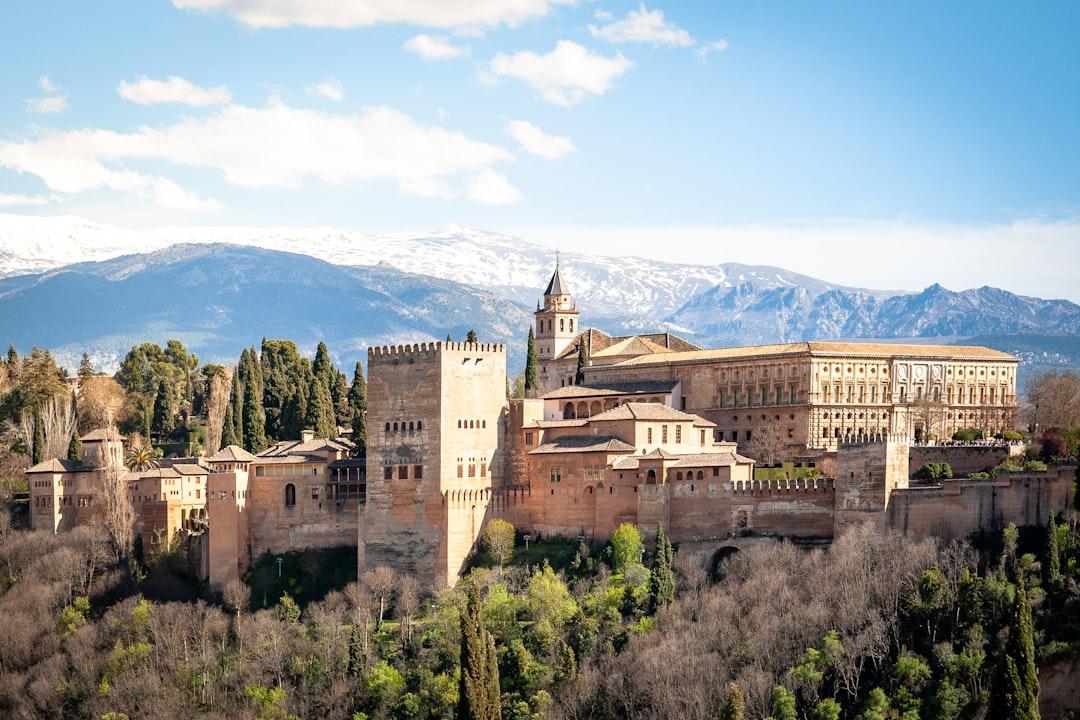
Granada hotels
Andalusia · 135 hotels
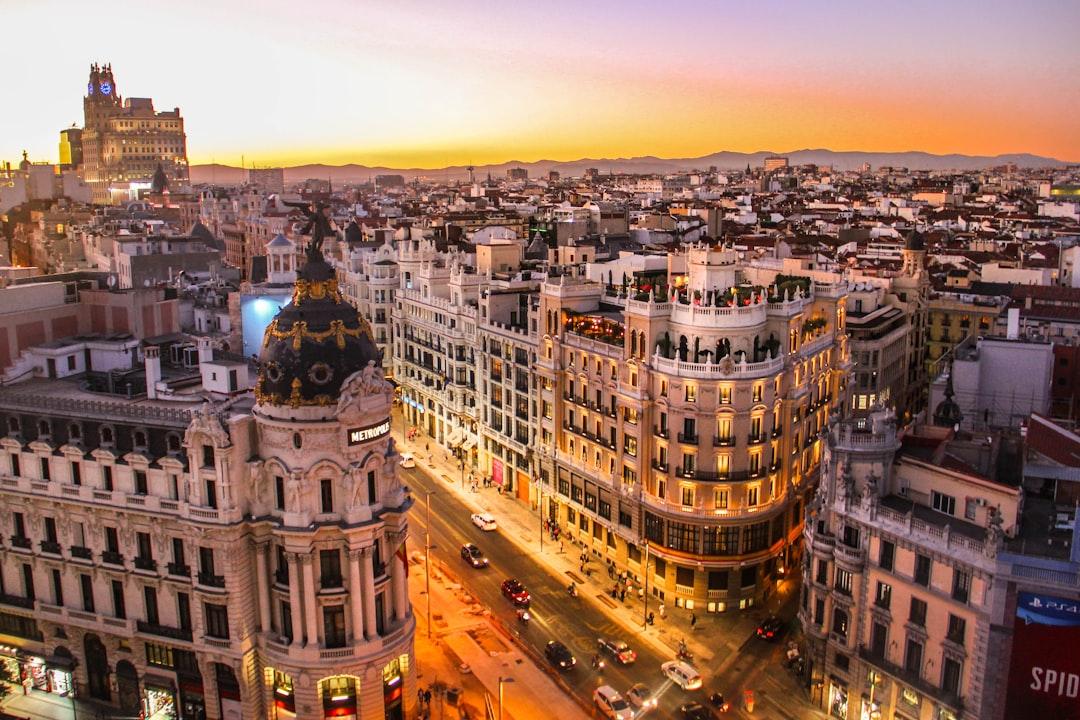
Madrid hotels
Spain · 131 hotels
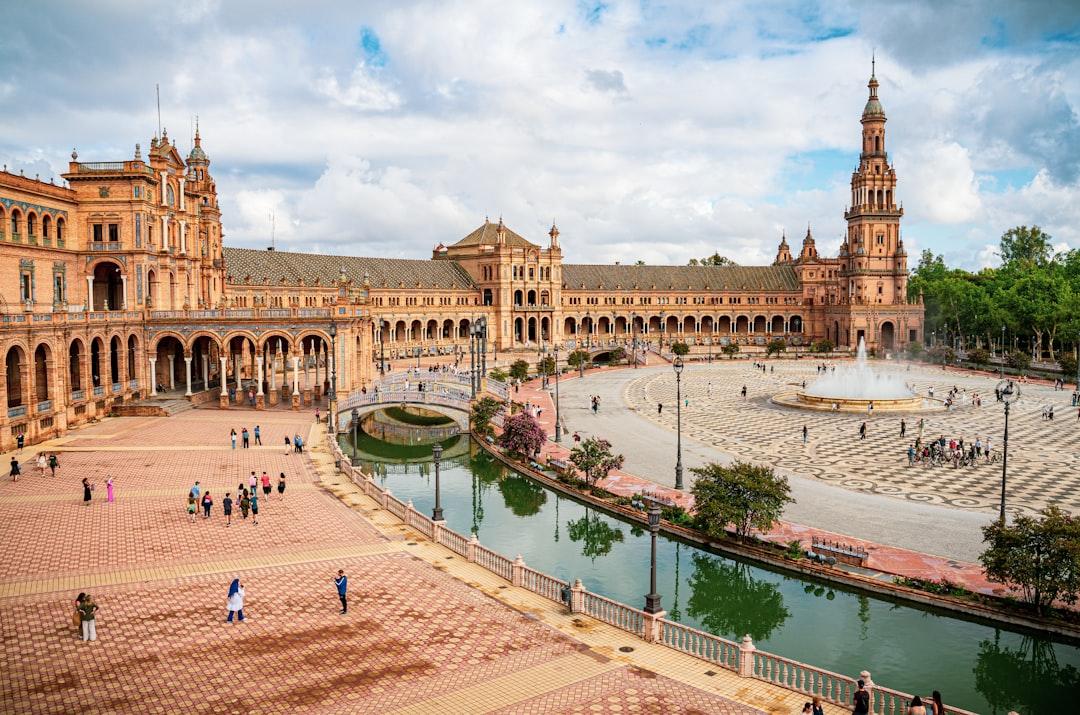
Seville hotels
Andalusia · 111 hotels
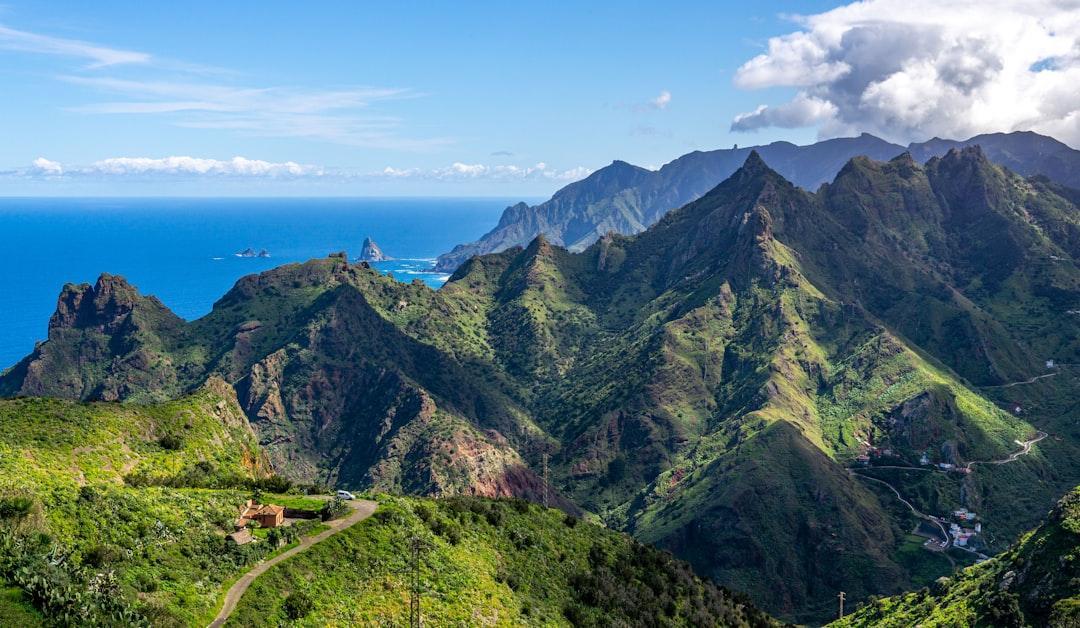
Tenerife hotels
Canary Islands · 107 hotels
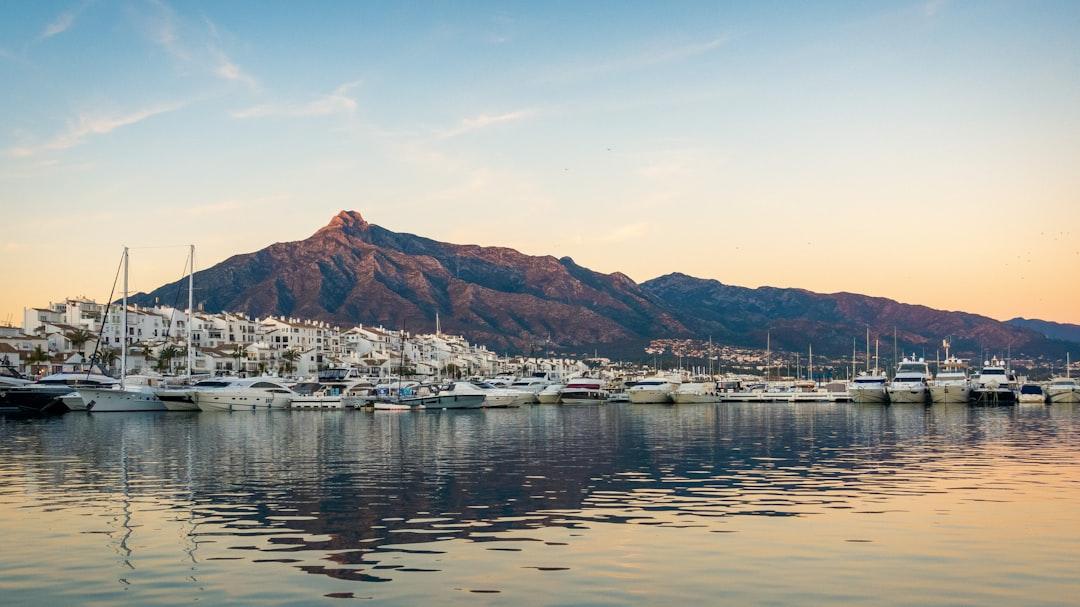
Marbella hotels
Andalusia · 95 hotels
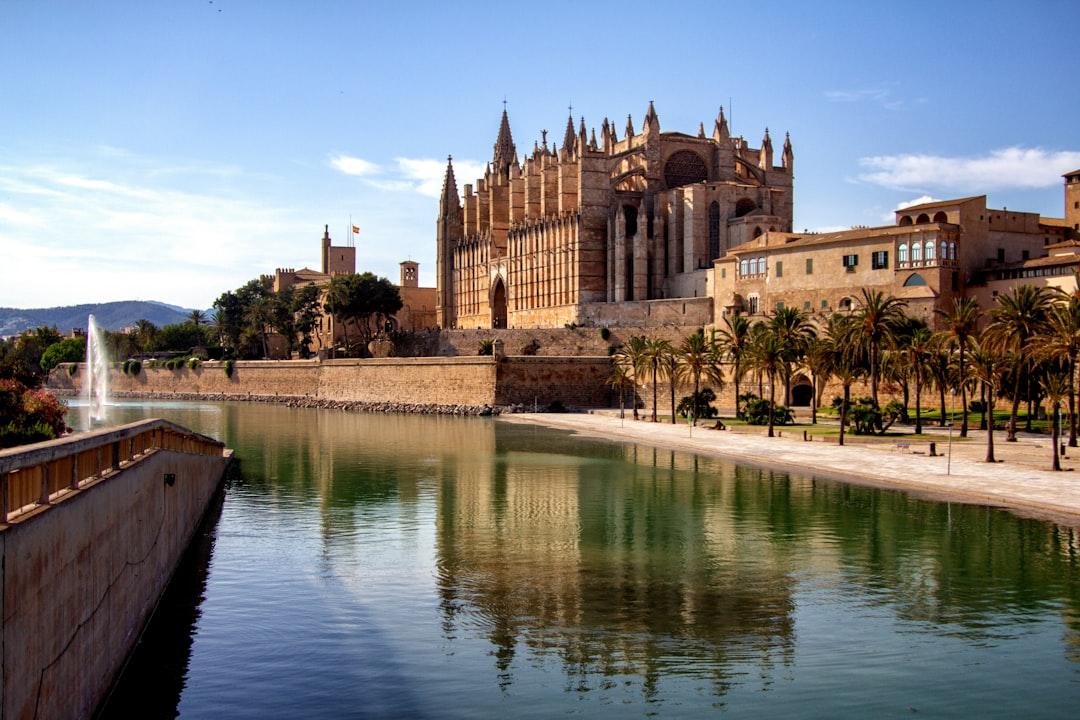
Palma de Mallorca hotels
Balearic Islands · 86 hotels
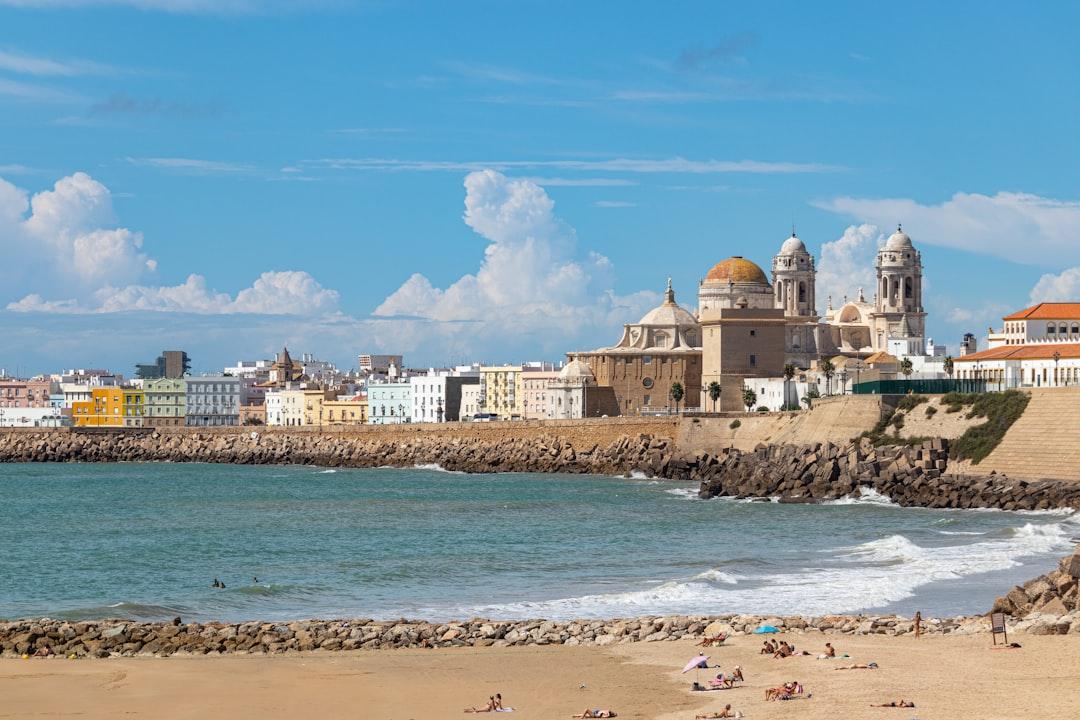
Cádiz hotels
Andalusia · 81 hotels
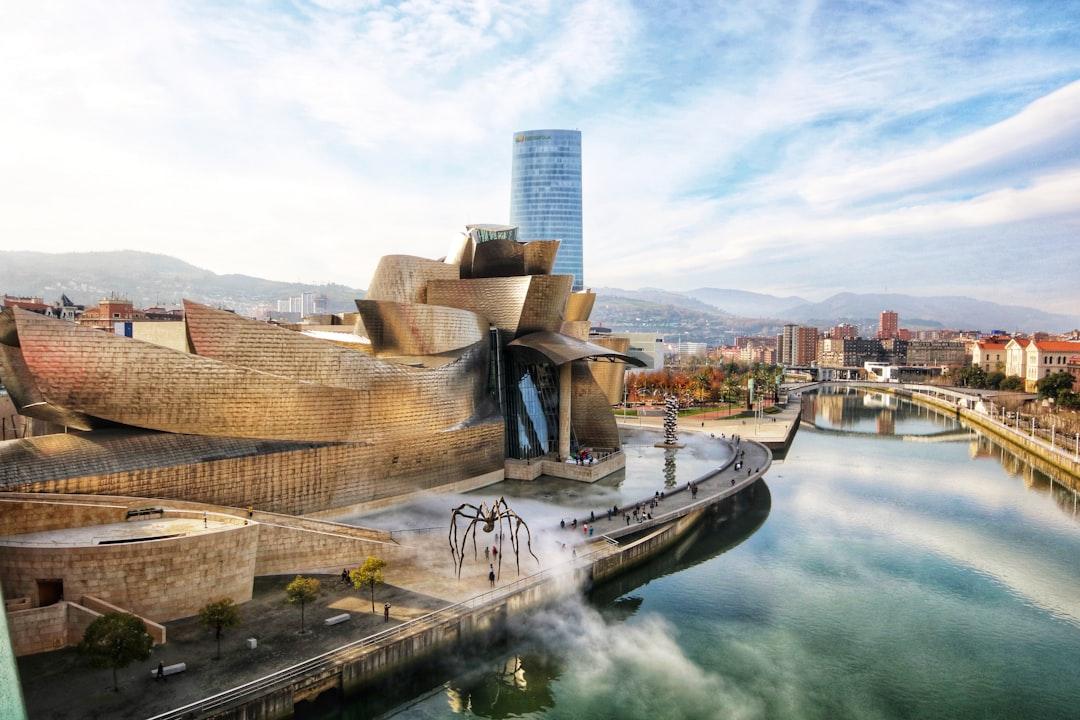
Bilbao hotels
Spain · 77 hotels
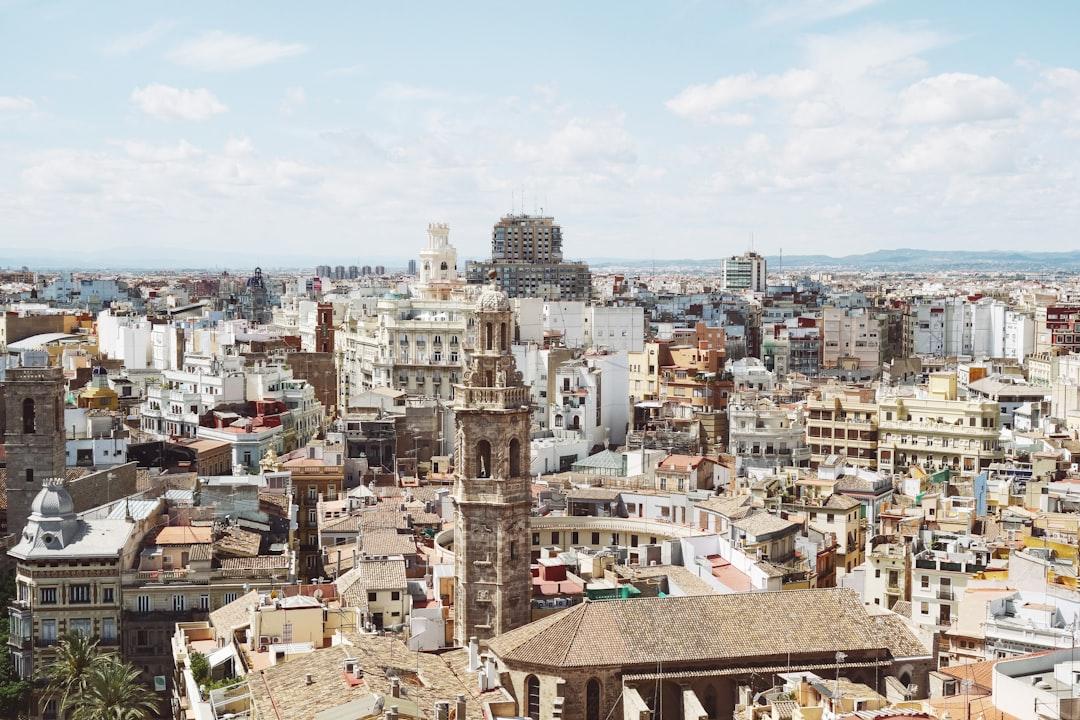
Valencia hotels
Spain · 74 hotels
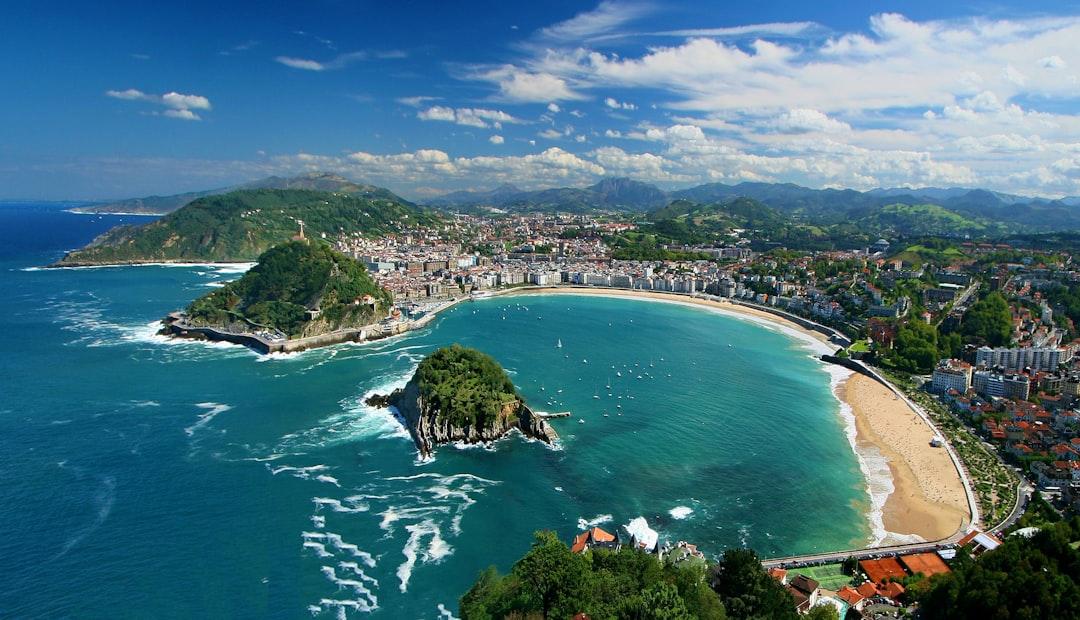
San Sebastián hotels
Spain · 69 hotels
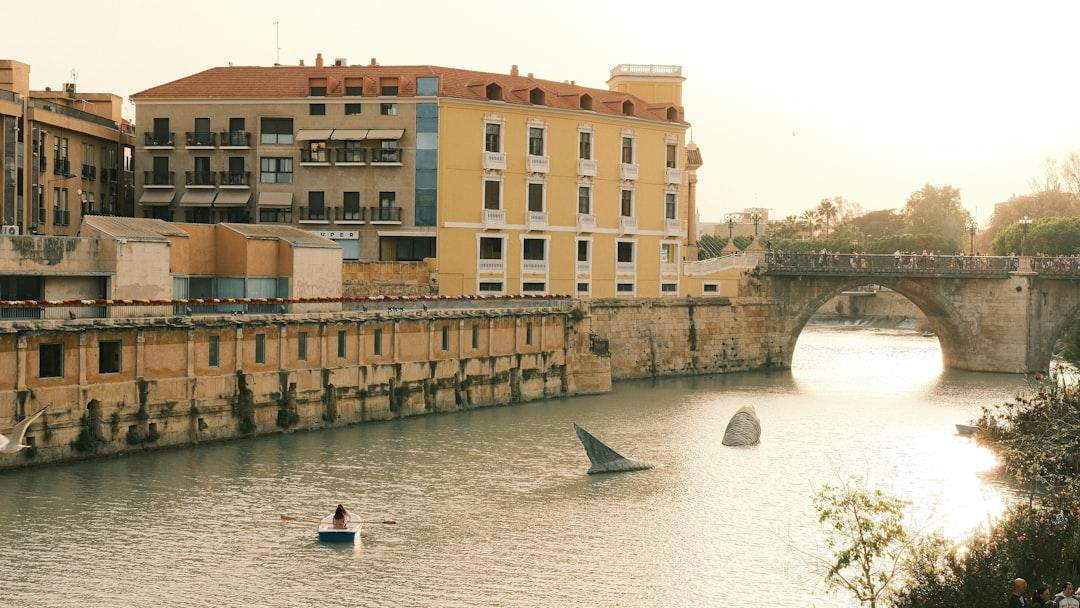
Murcia hotels
Spain · 68 hotels
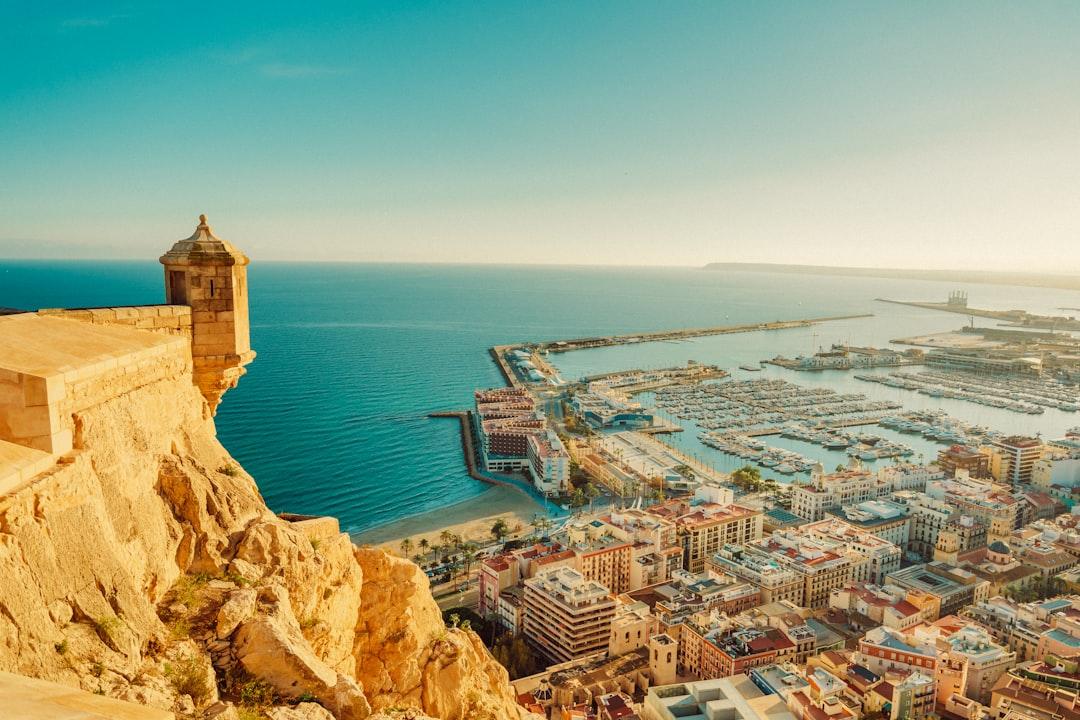
Alicante hotels
Spain · 65 hotels
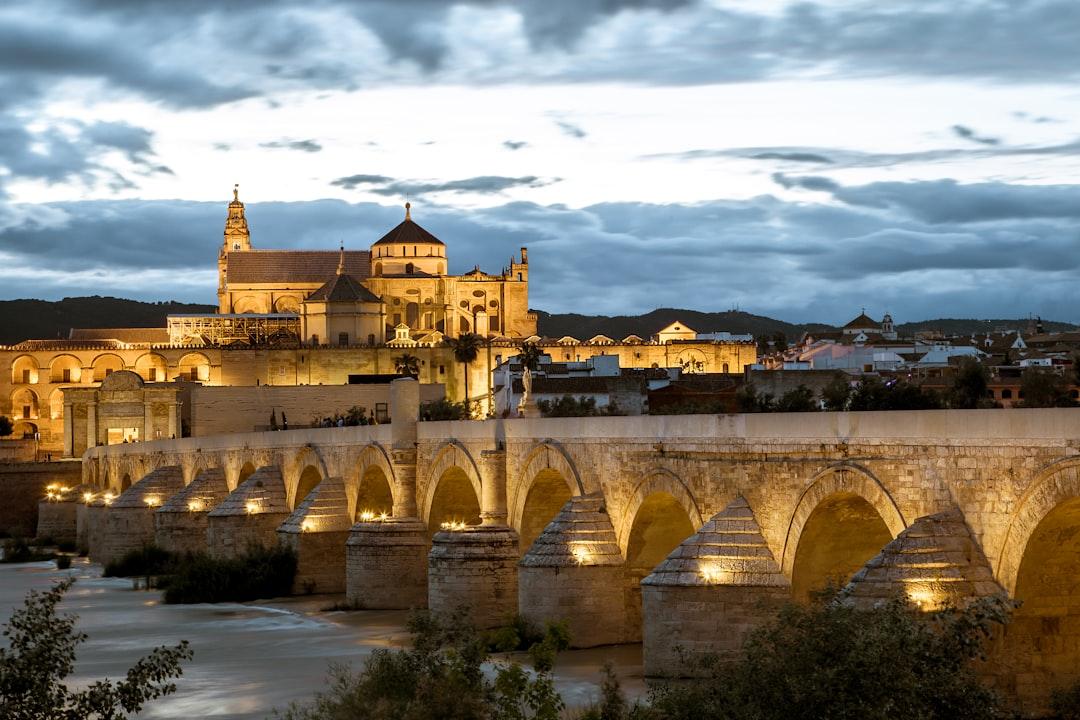
Córdoba hotels
Spain · 58 hotels
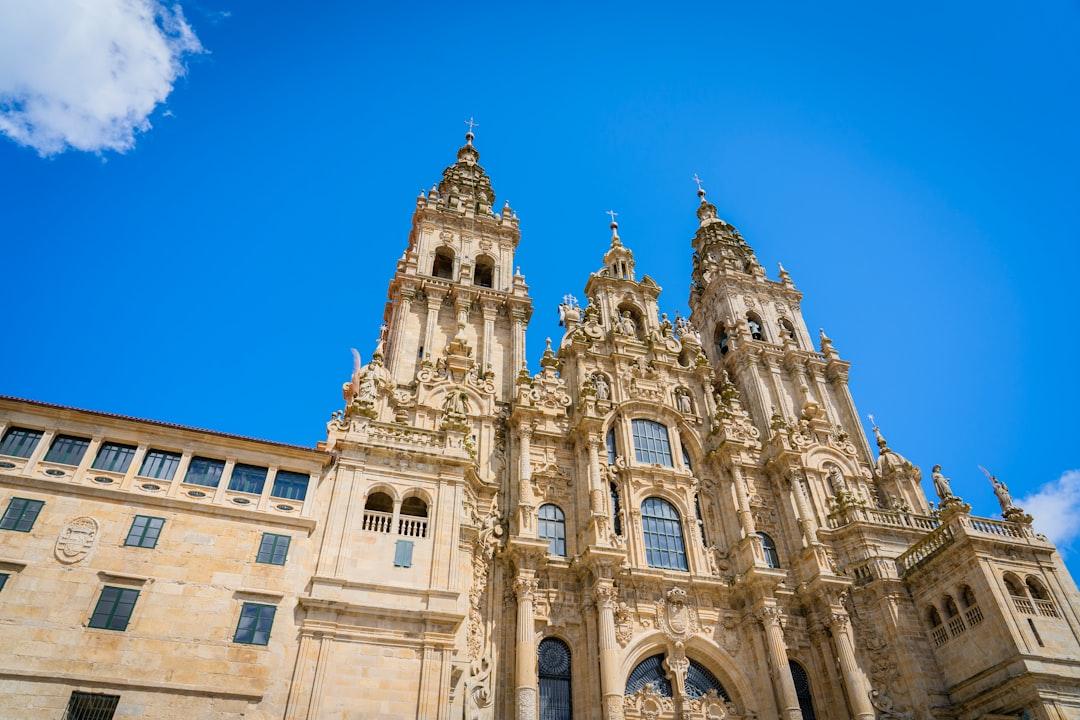
Santiago de Compostela hotels
Spain · 49 hotels
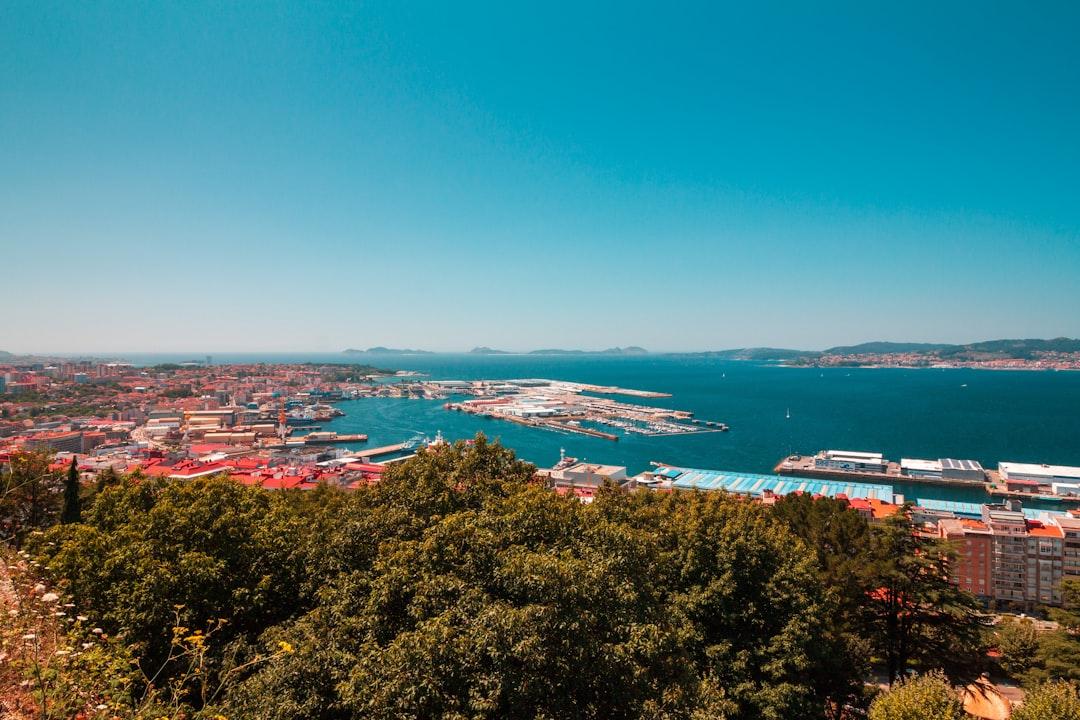
Vigo hotels
Spain · 43 hotels
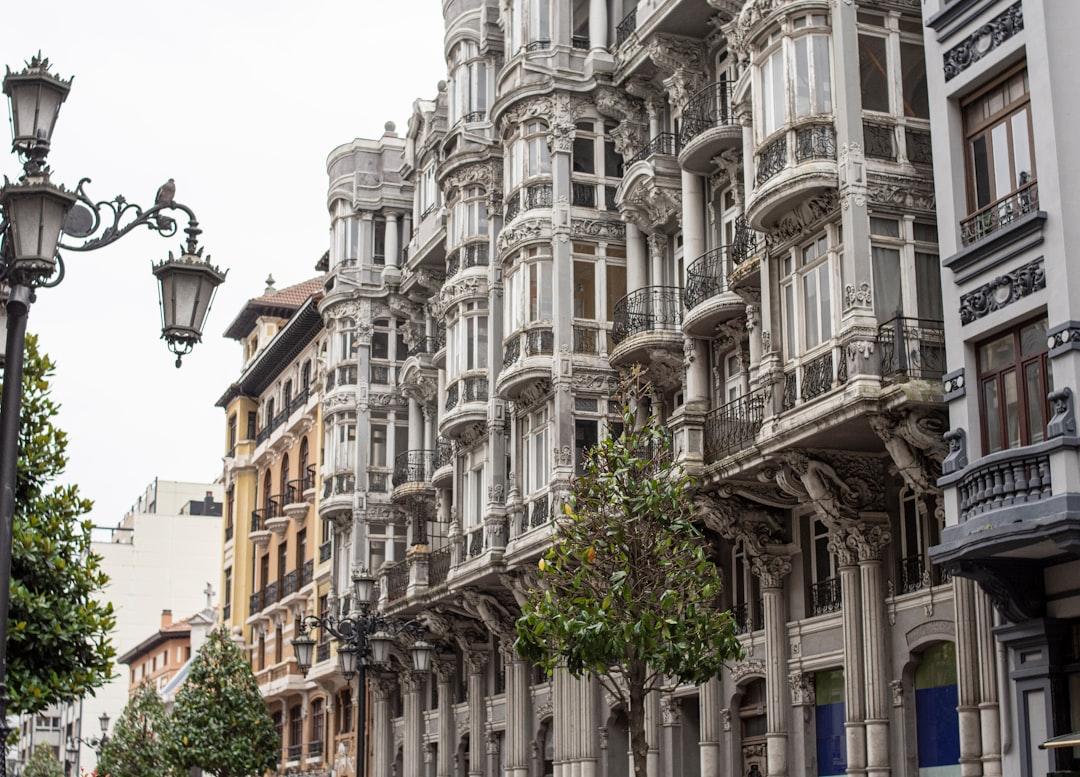
Oviedo hotels
Spain · 38 hotels
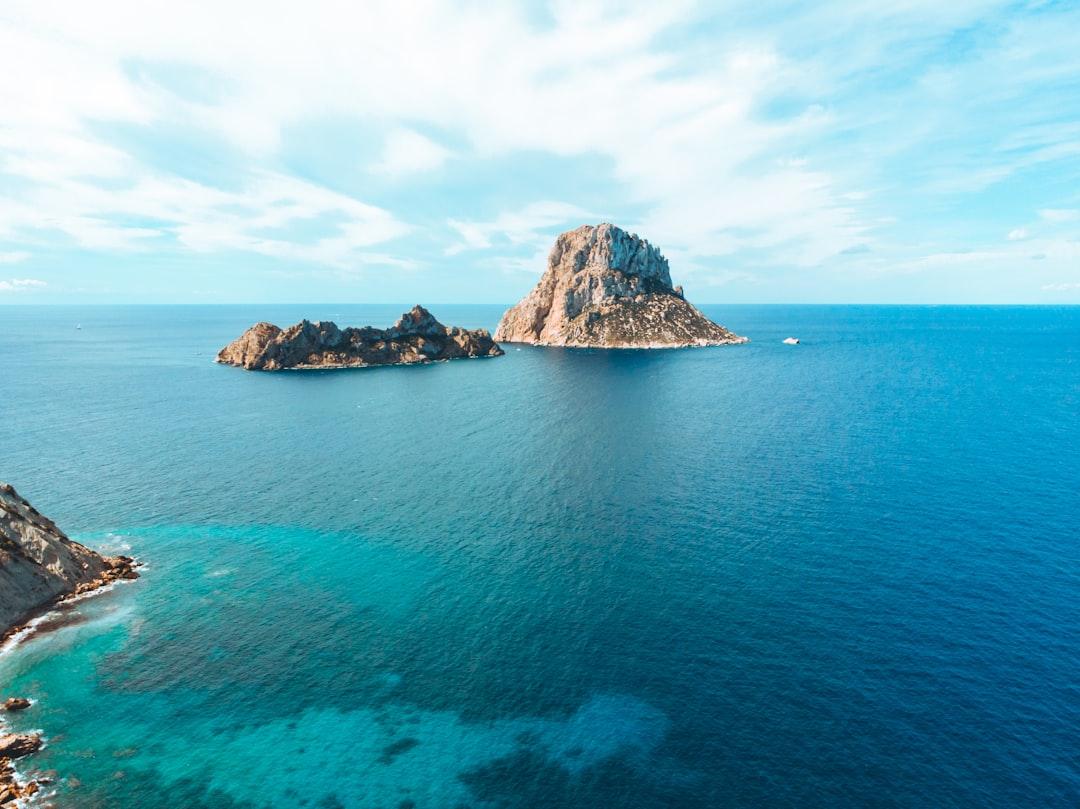
Ibiza hotels
Spain · 38 hotels
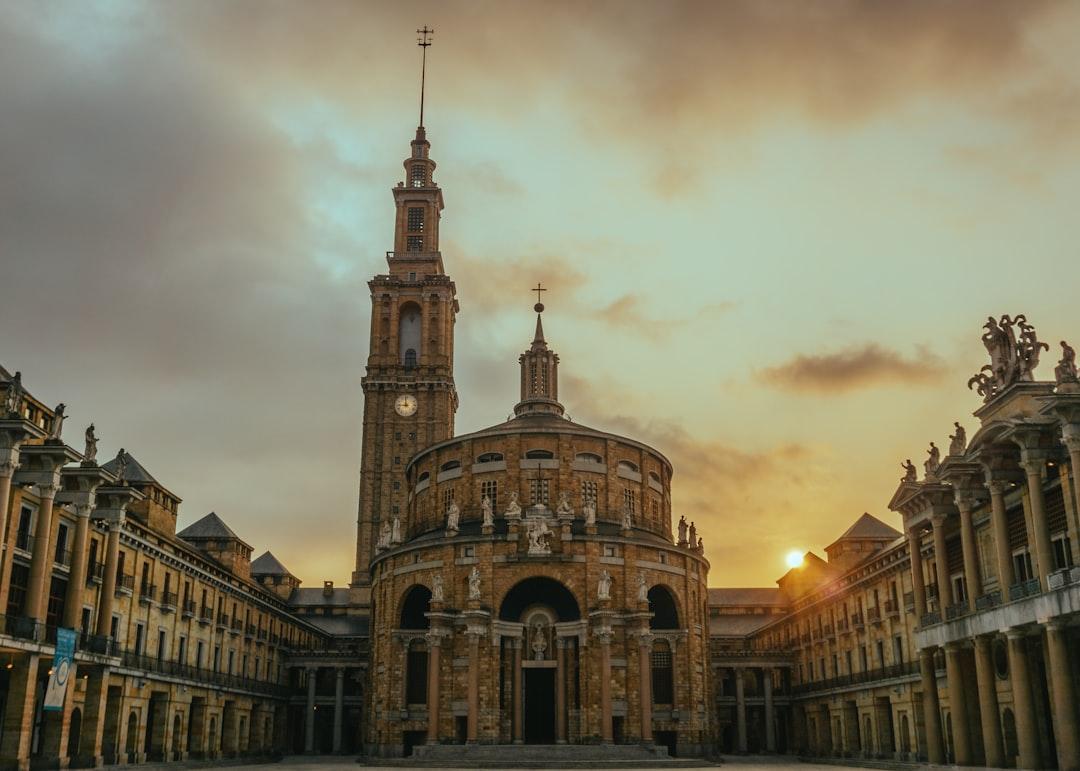
Gijón hotels
Spain · 35 hotels
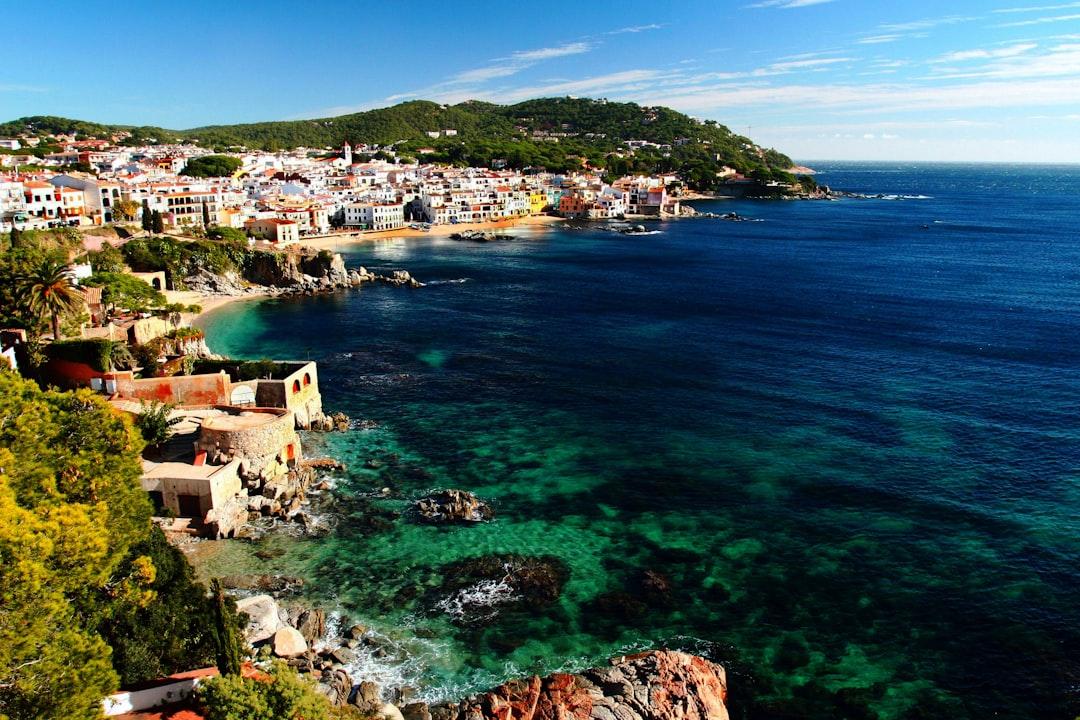
Costa Brava hotels
Catalonia · 32 hotels
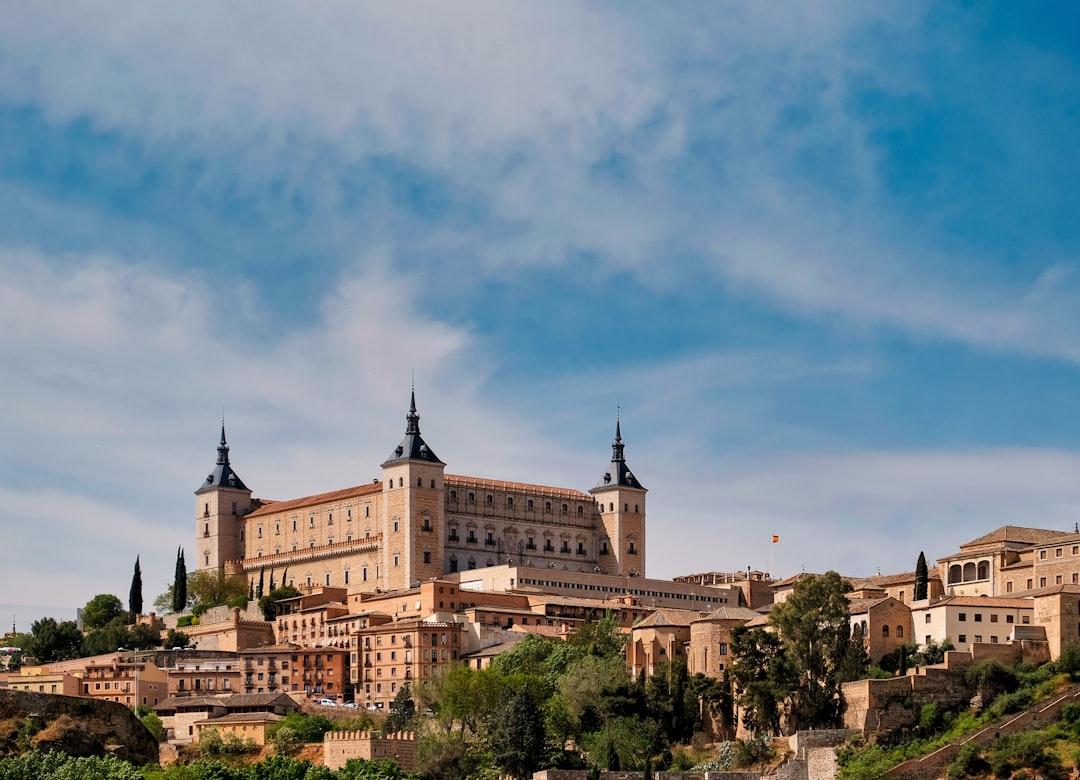
Toledo hotels
Spain · 24 hotels
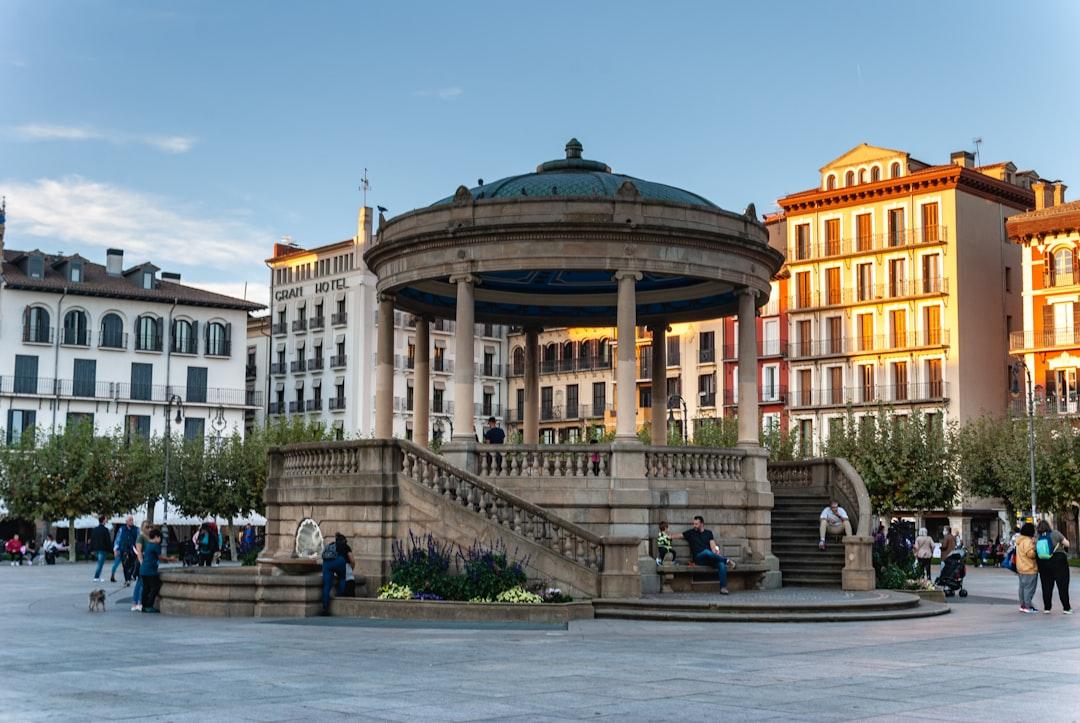
Pamplona hotels
Spain · 23 hotels
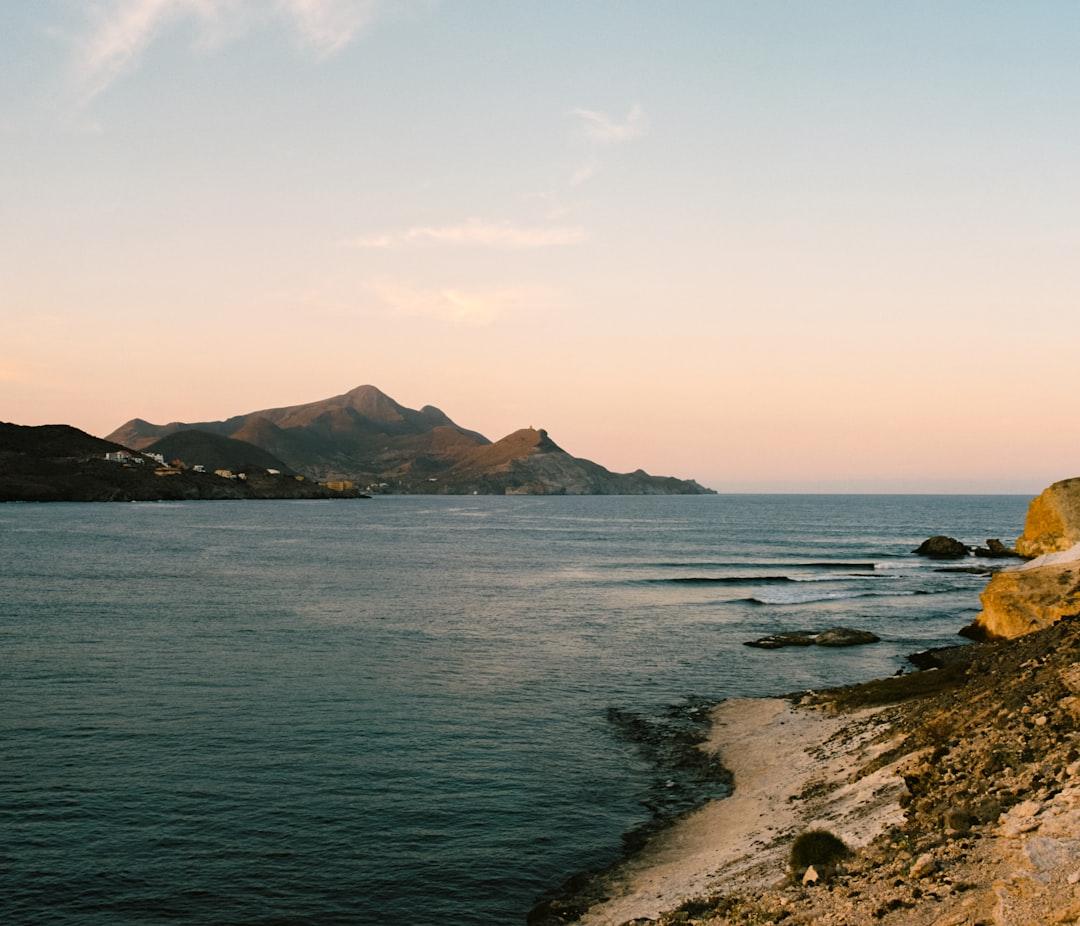
Almeria hotels
Spain · 22 hotels
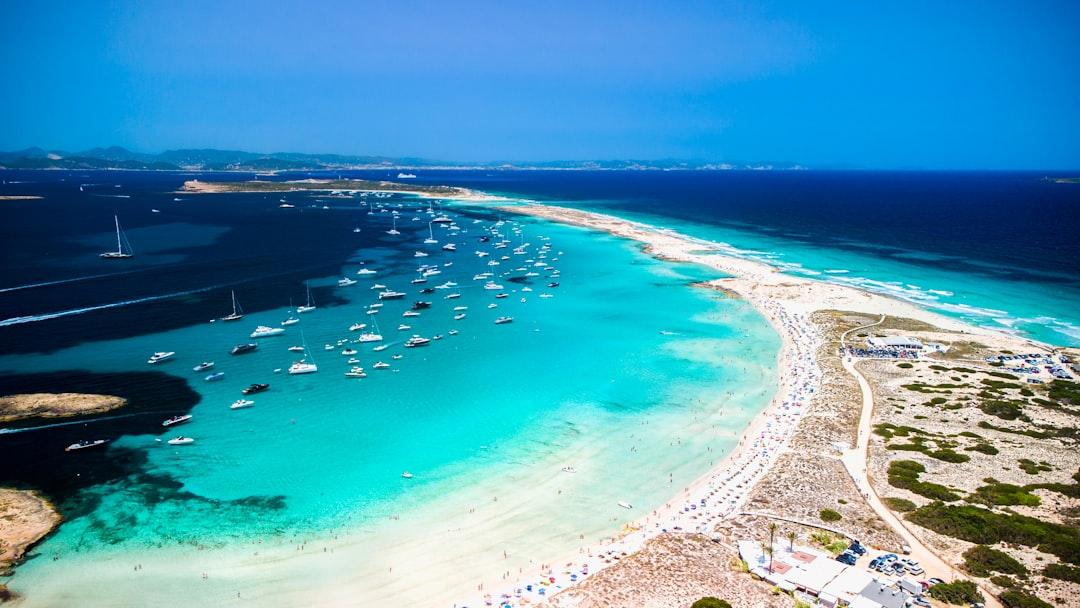
Formentera hotels
Spain · 21 hotels
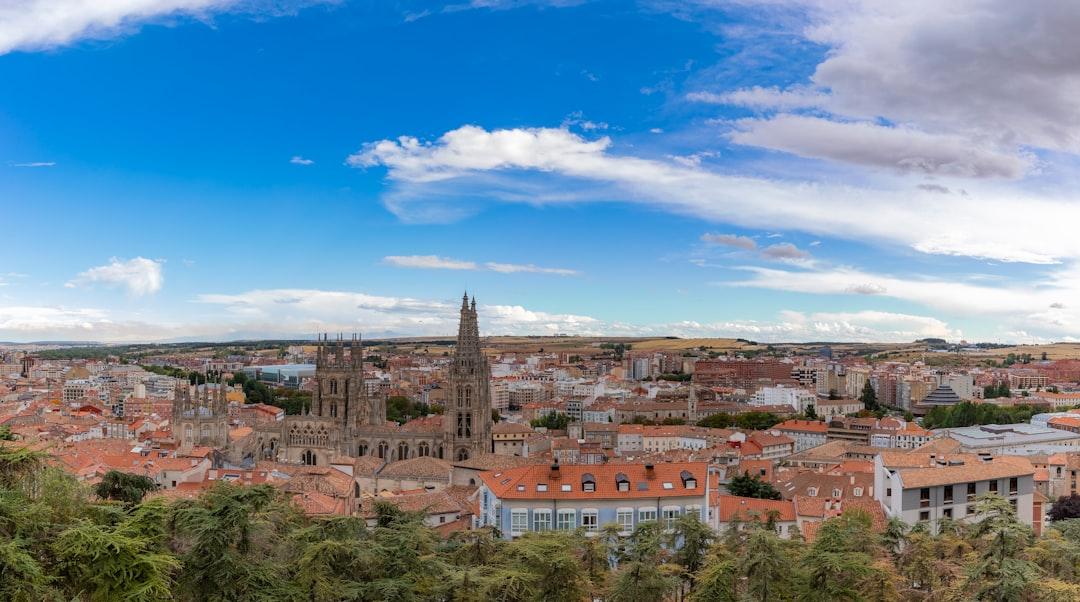
Burgos hotels
Spain · 20 hotels
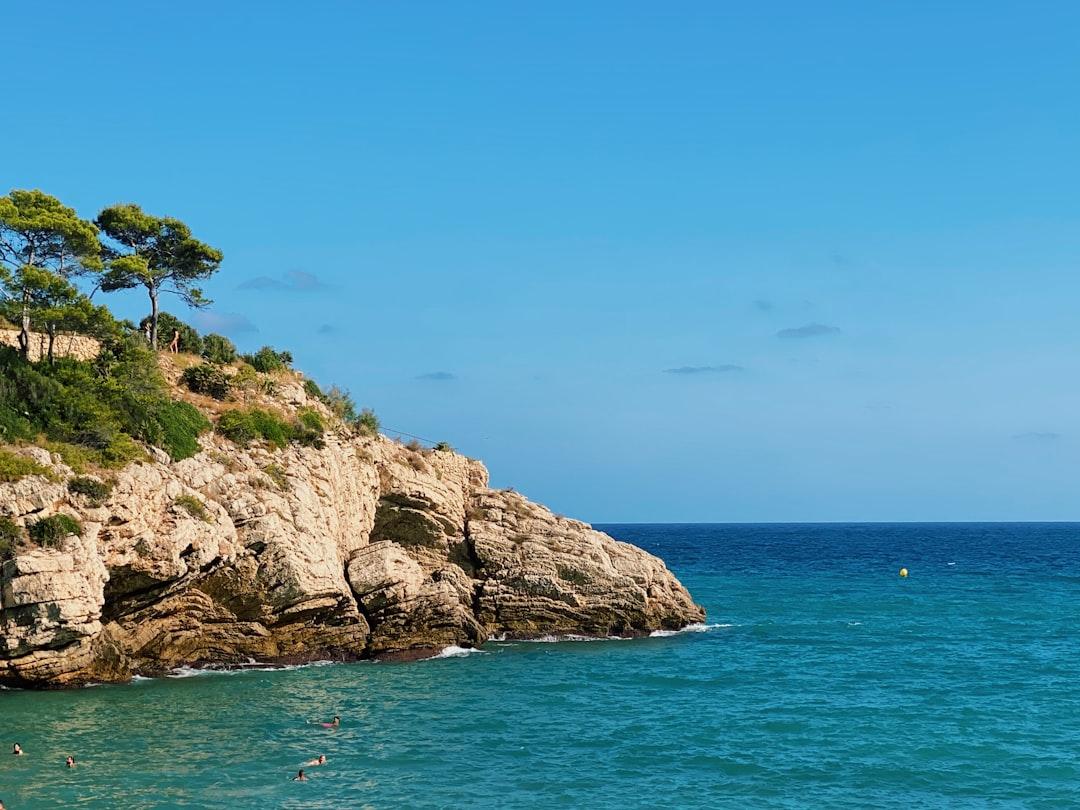
Salou hotels
Spain · 20 hotels

Albacete hotels
Spain · 17 hotels
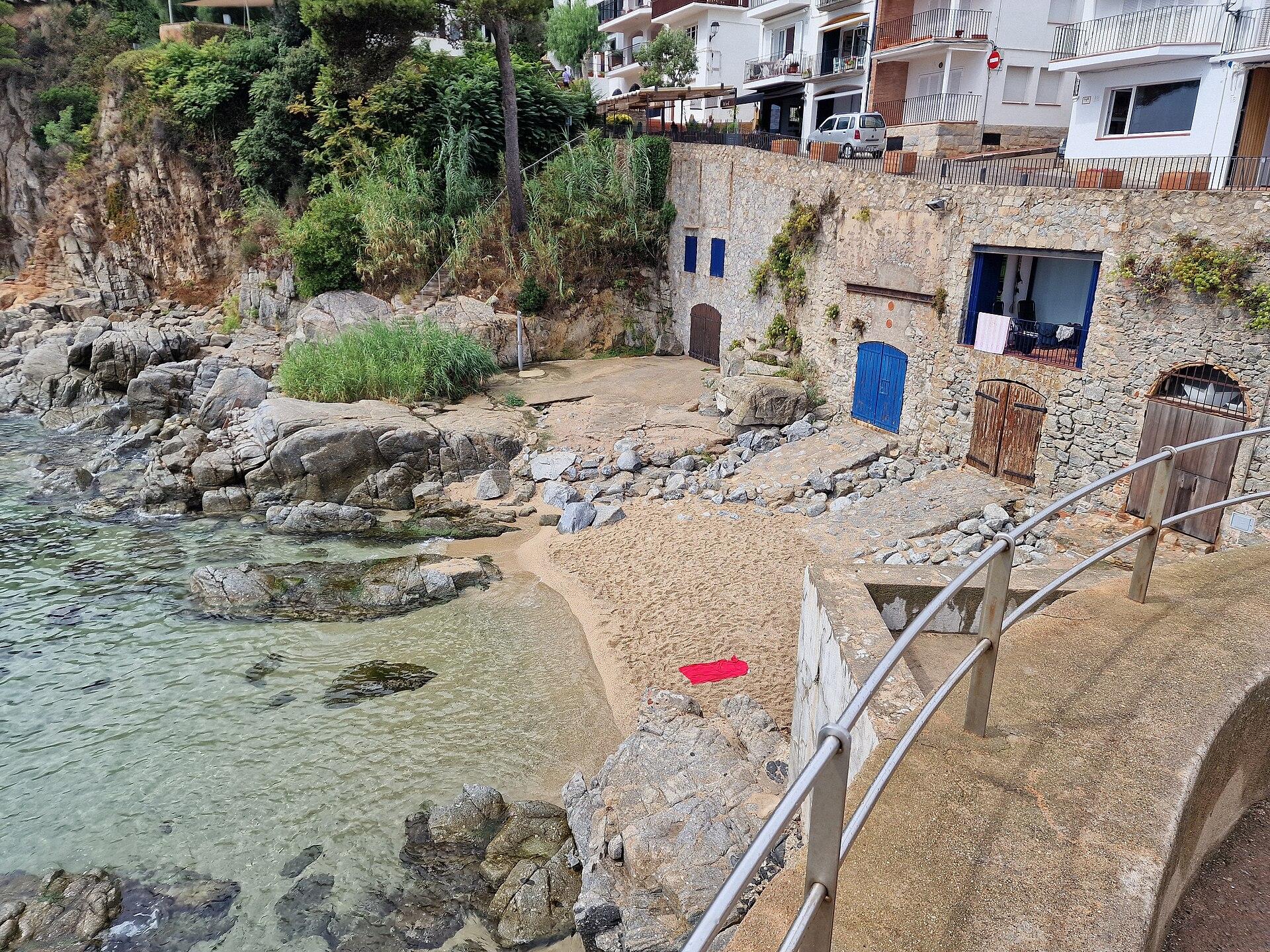
Calella de Palafrugell hotels
Spain · 16 hotels
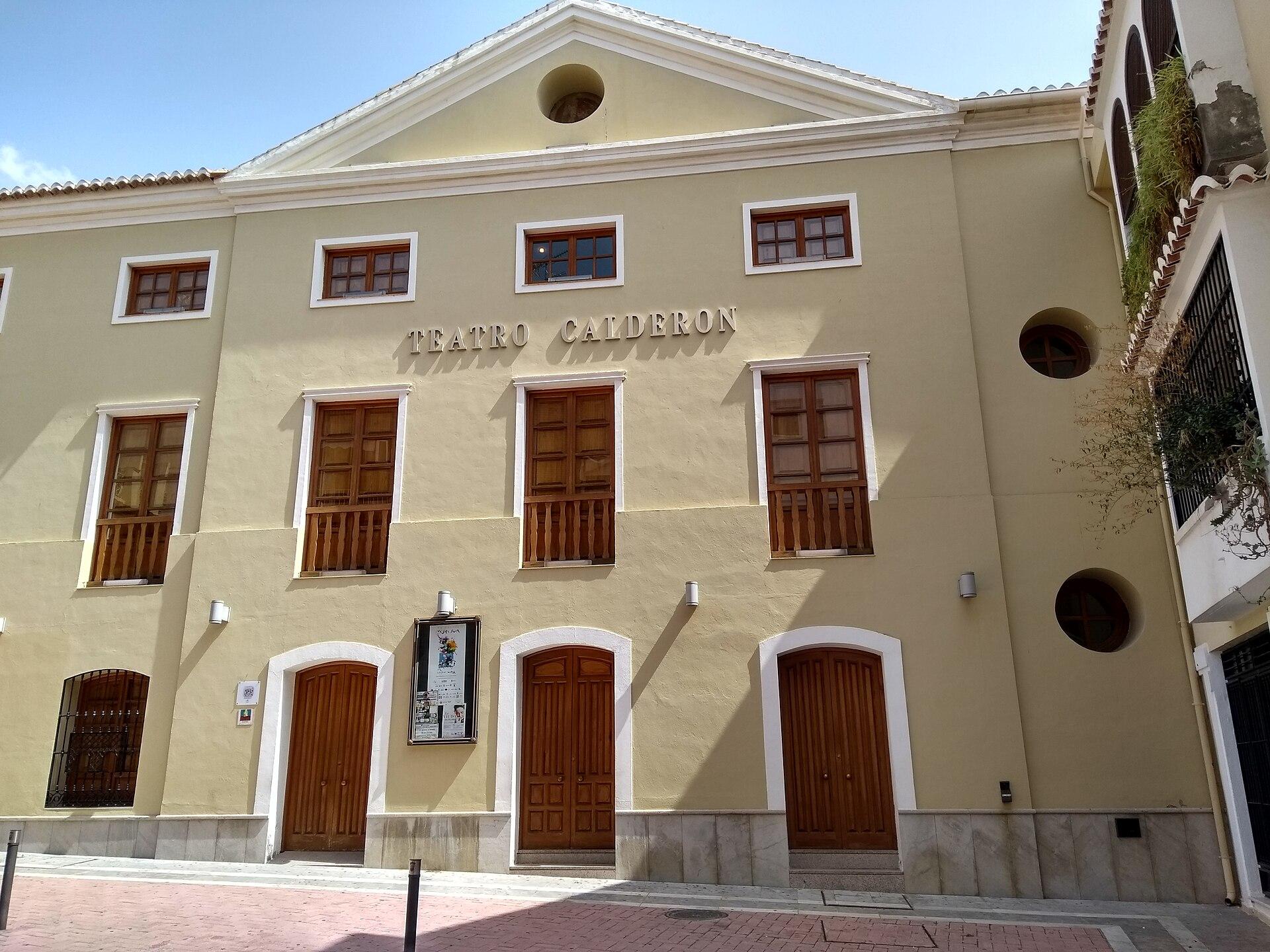
El Varadero hotels
Spain · 15 hotels
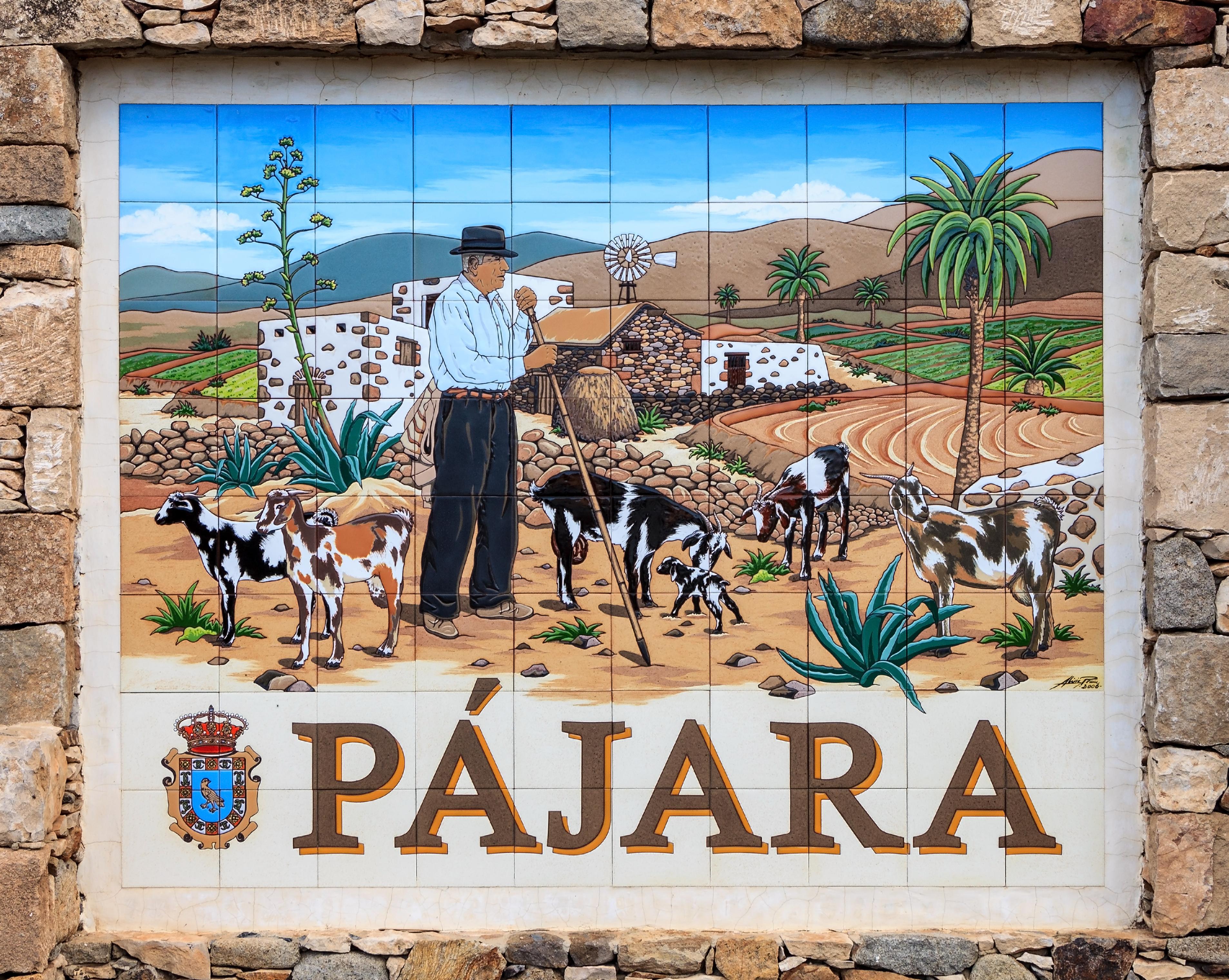
Pájara hotels
Spain · 15 hotels
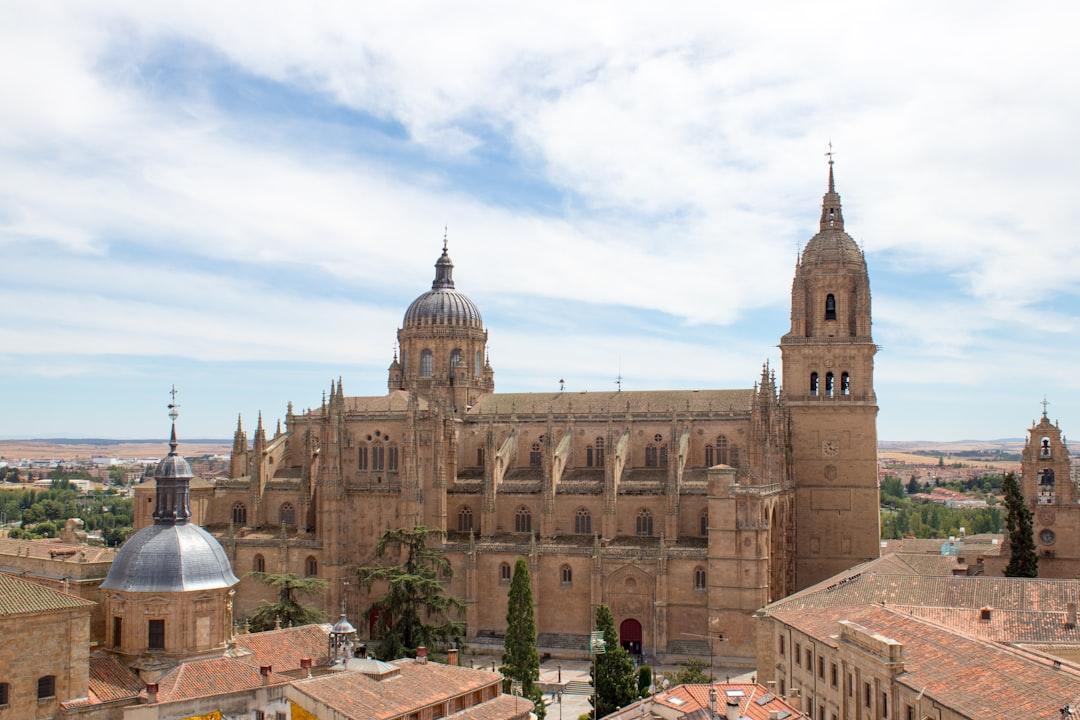
Salamanca hotels
Spain · 14 hotels

León hotels
Spain · 14 hotels
Port de Pollença hotels
Spain · 14 hotels
Mijas Costa hotels
Spain · 12 hotels
Jávea hotels
Spain · 12 hotels
Nerja hotels
Spain · 12 hotels
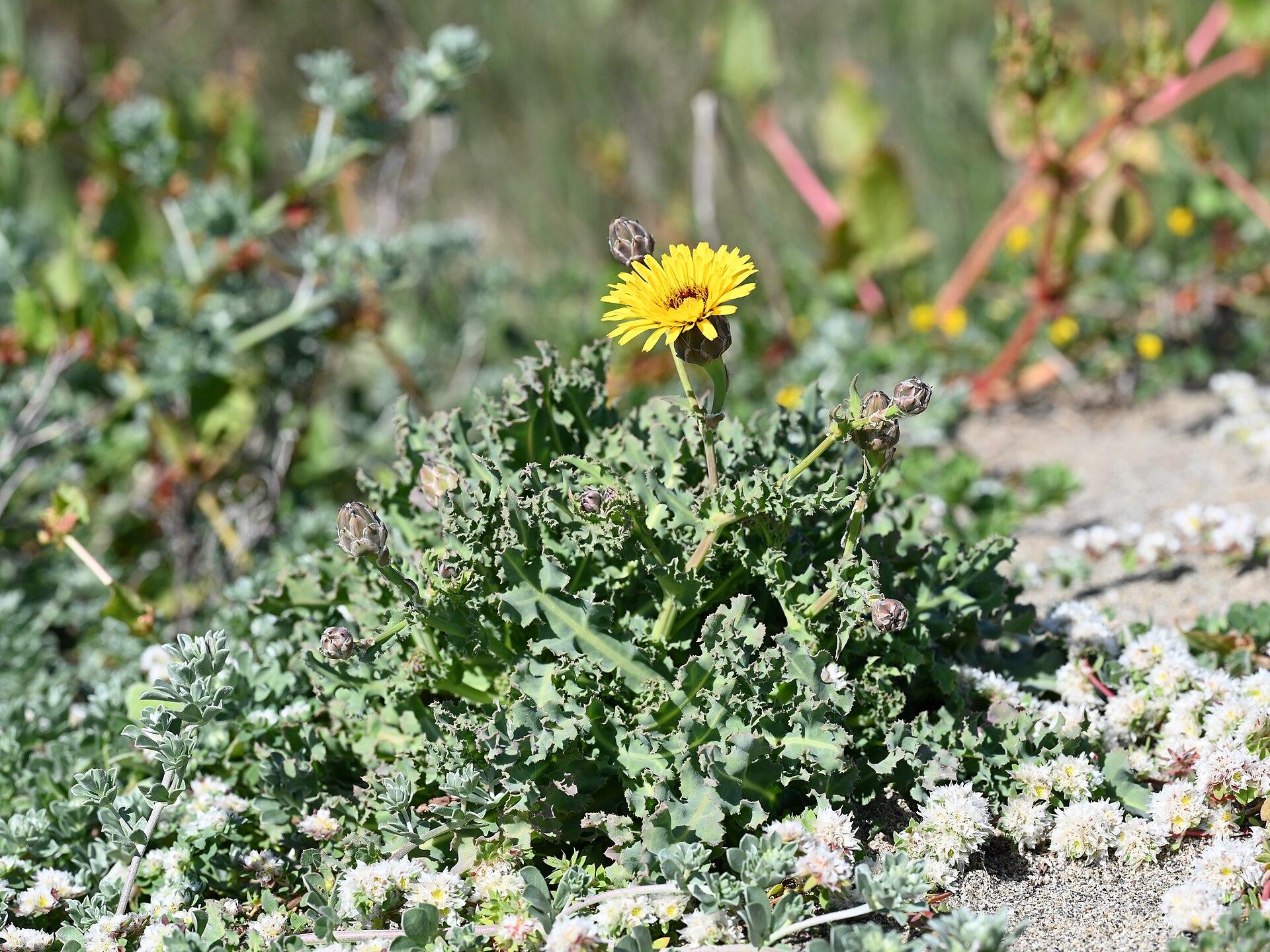
Sotogrande hotels
Spain · 11 hotels
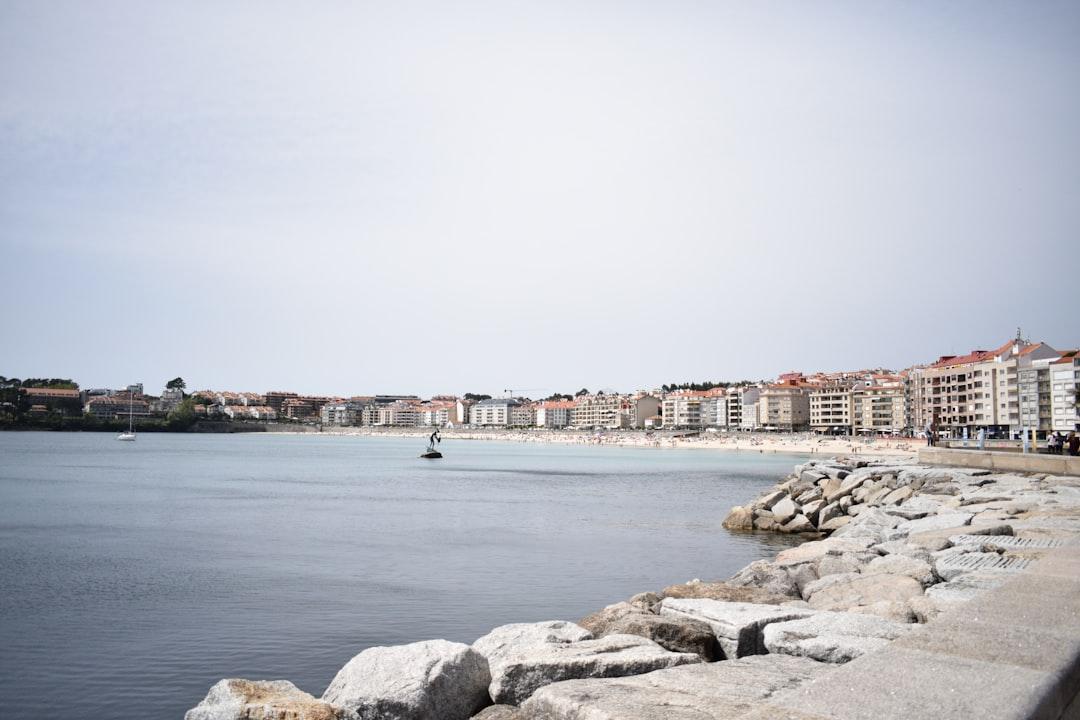
Sanxenxo hotels
Spain · 11 hotels
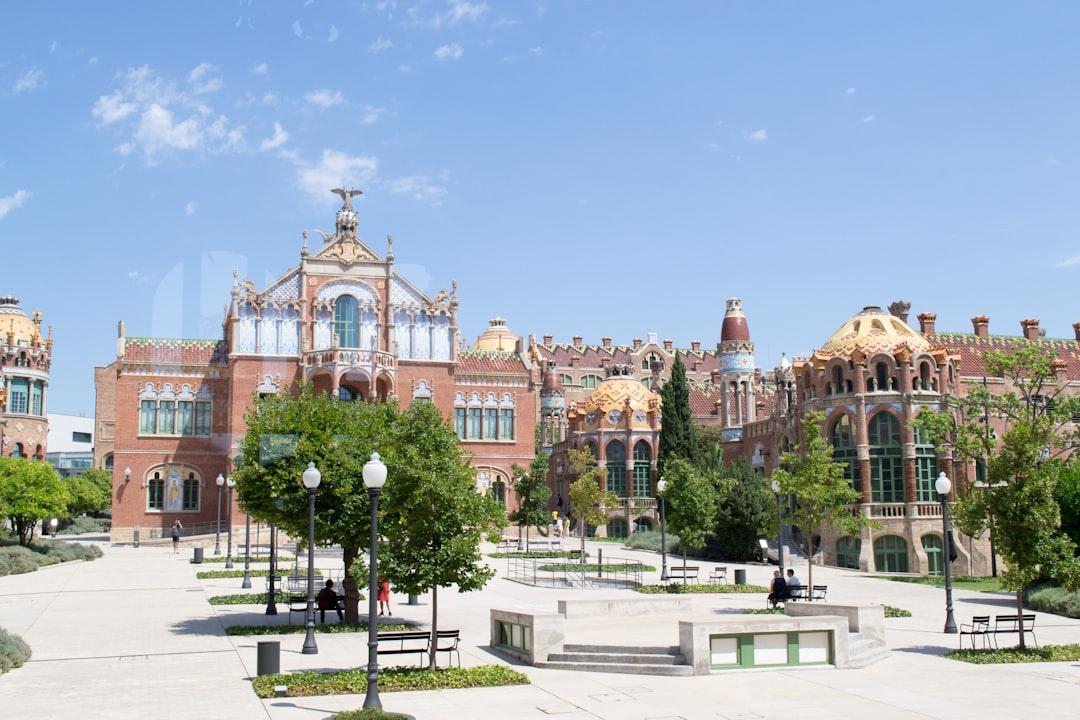
Sant Lluís hotels
Spain · 11 hotels
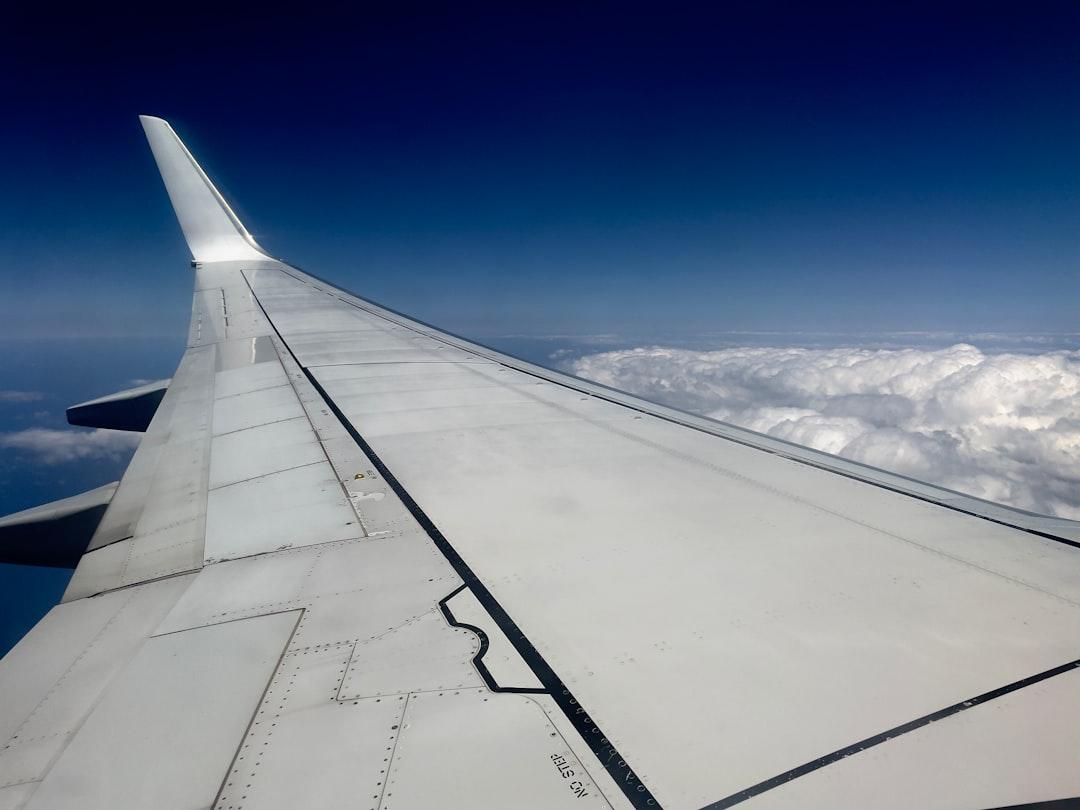
Maó hotels
Spain · 11 hotels
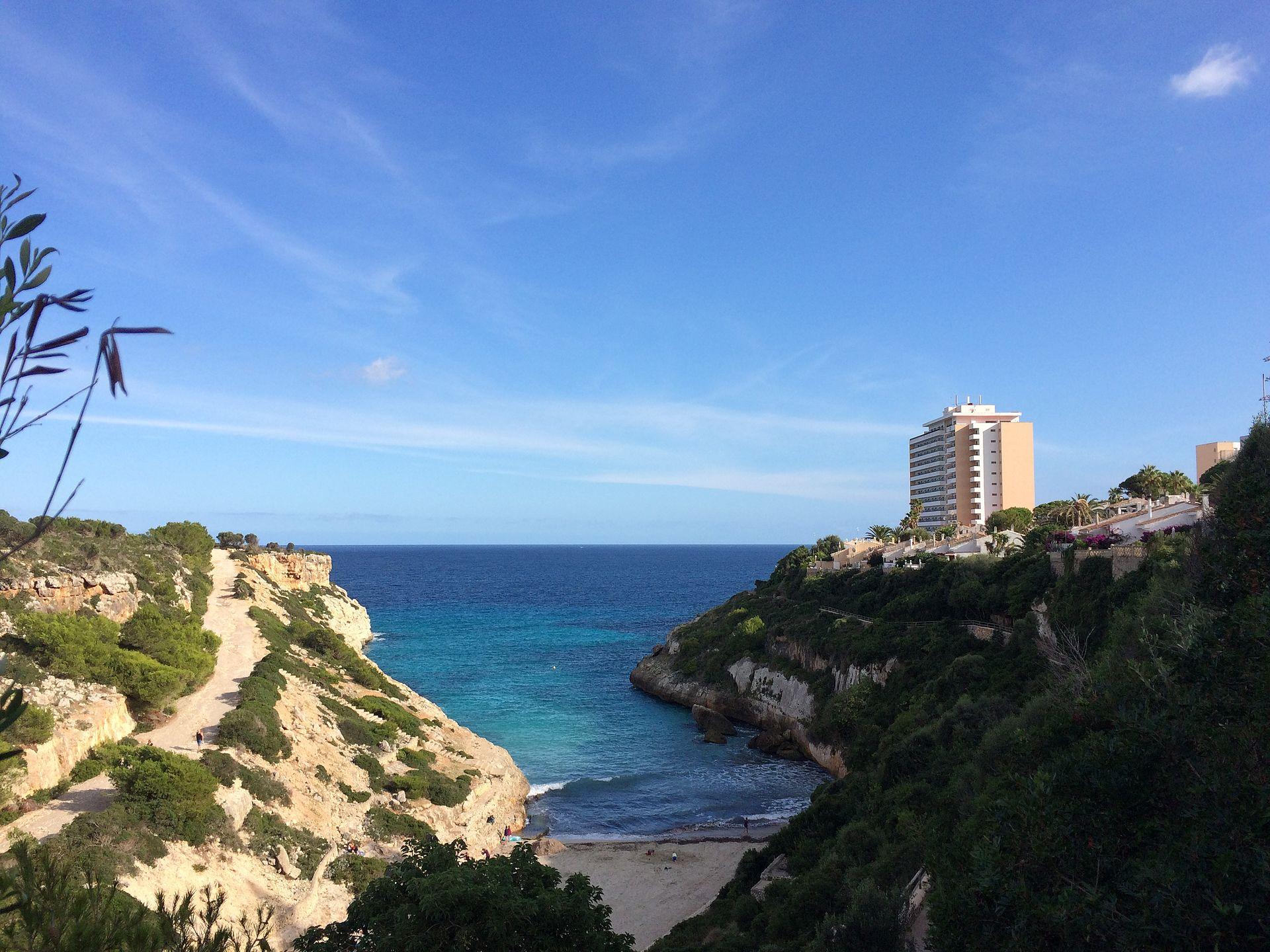
Calas de Mallorca hotels
Spain · 10 hotels
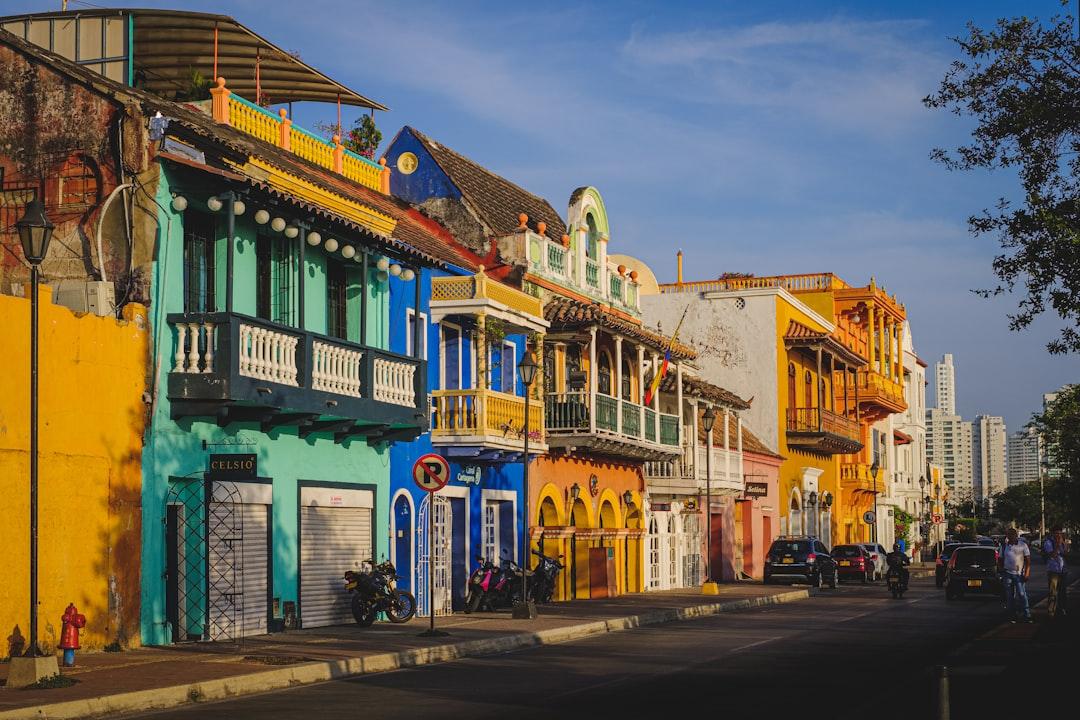
Cartagena hotels
Spain · 10 hotels
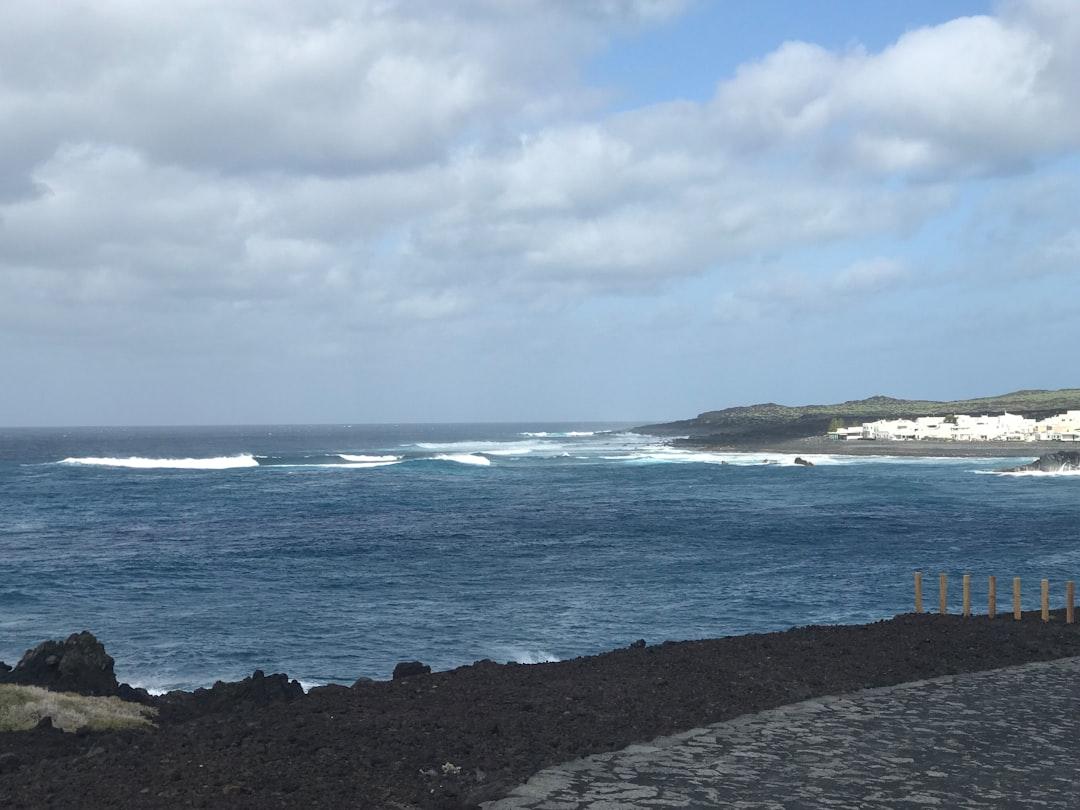
Yaiza hotels
Spain · 10 hotels
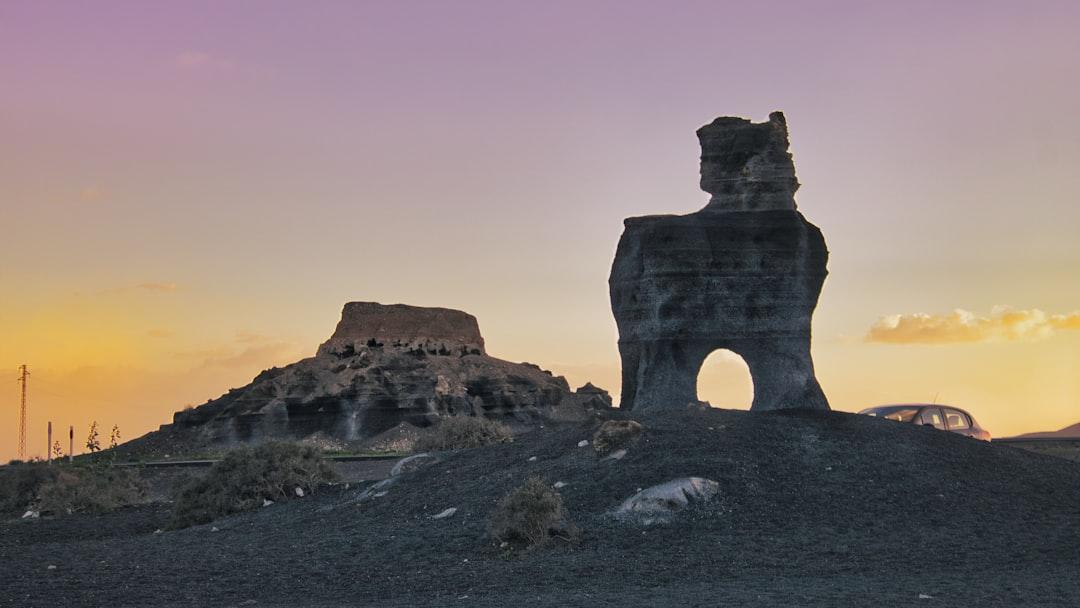
Teguise hotels
Spain · 10 hotels
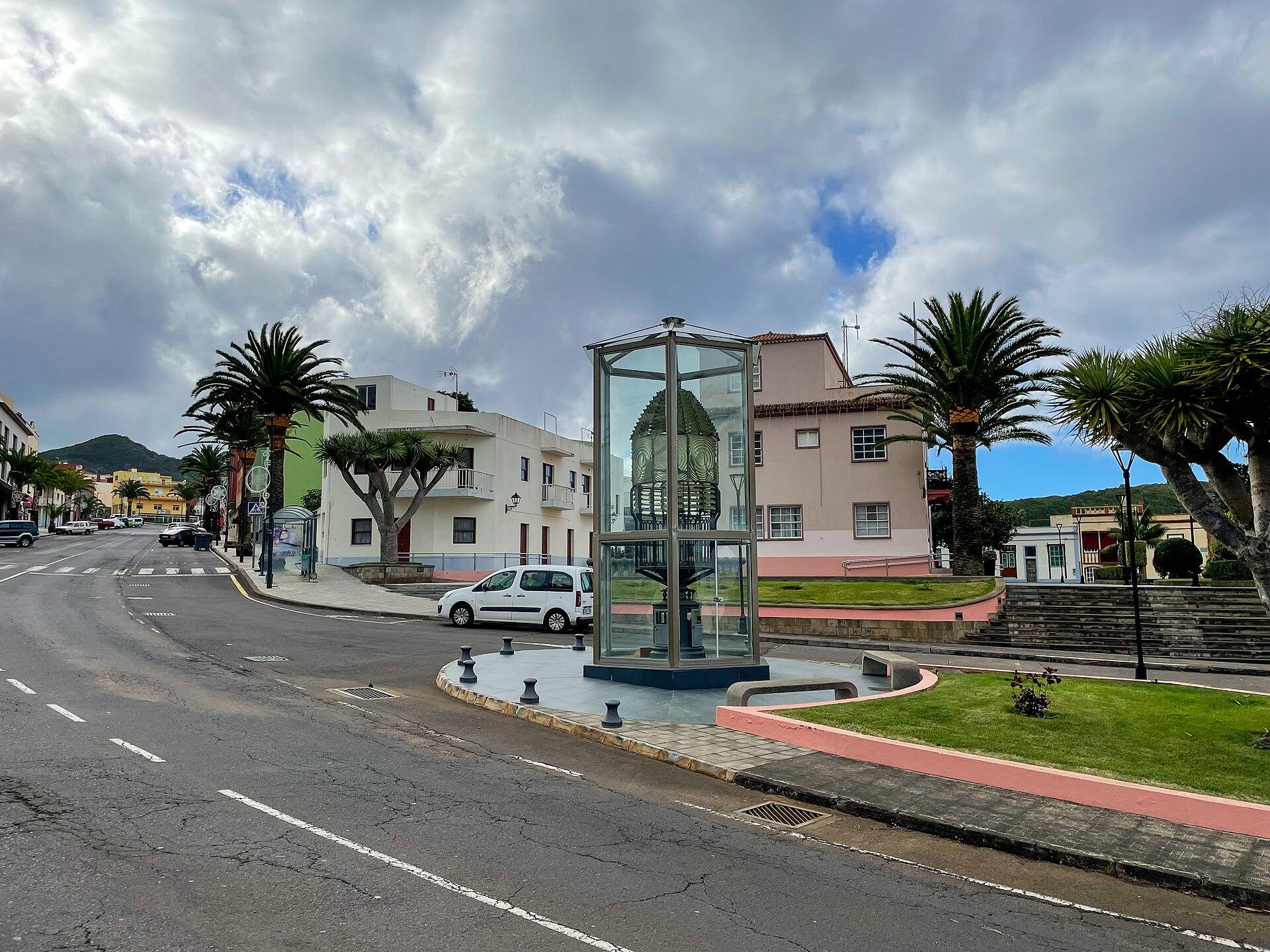
Barlovento hotels
Spain · 10 hotels
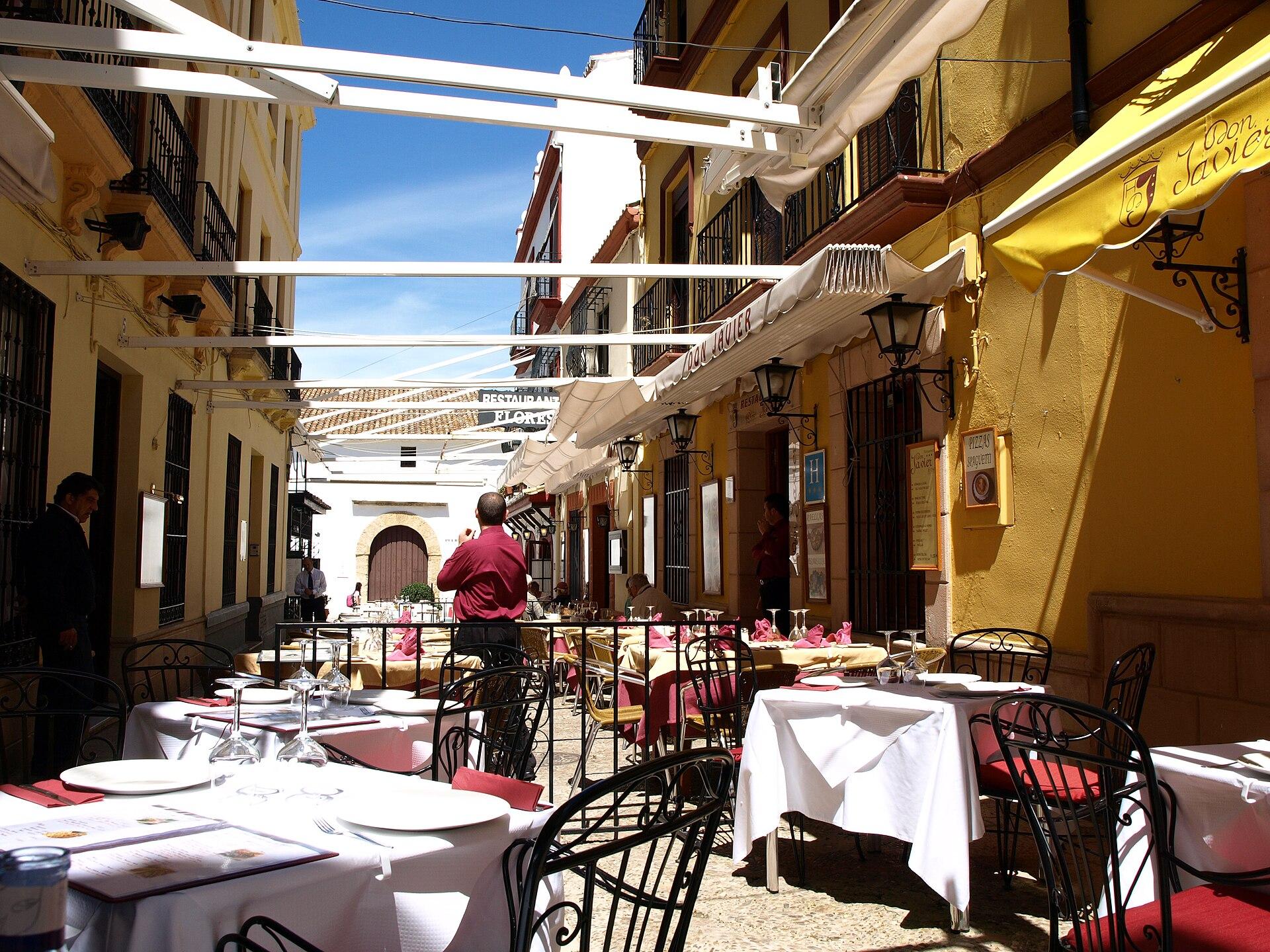
Ronda hotels
Spain · 9 hotels
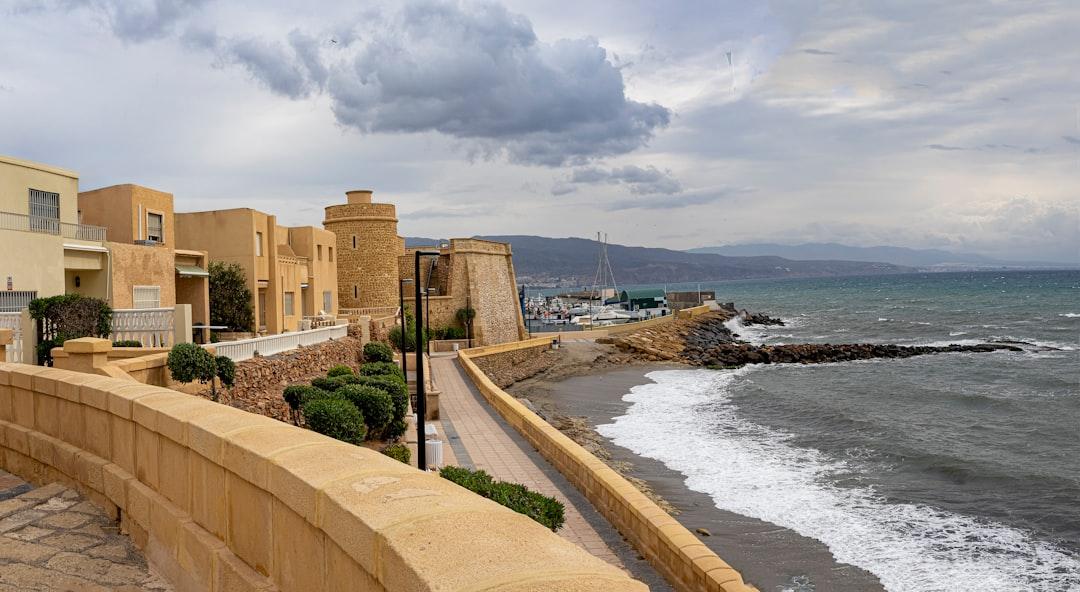
Roquetas de Mar hotels
Spain · 9 hotels

Tías hotels
Spain · 9 hotels
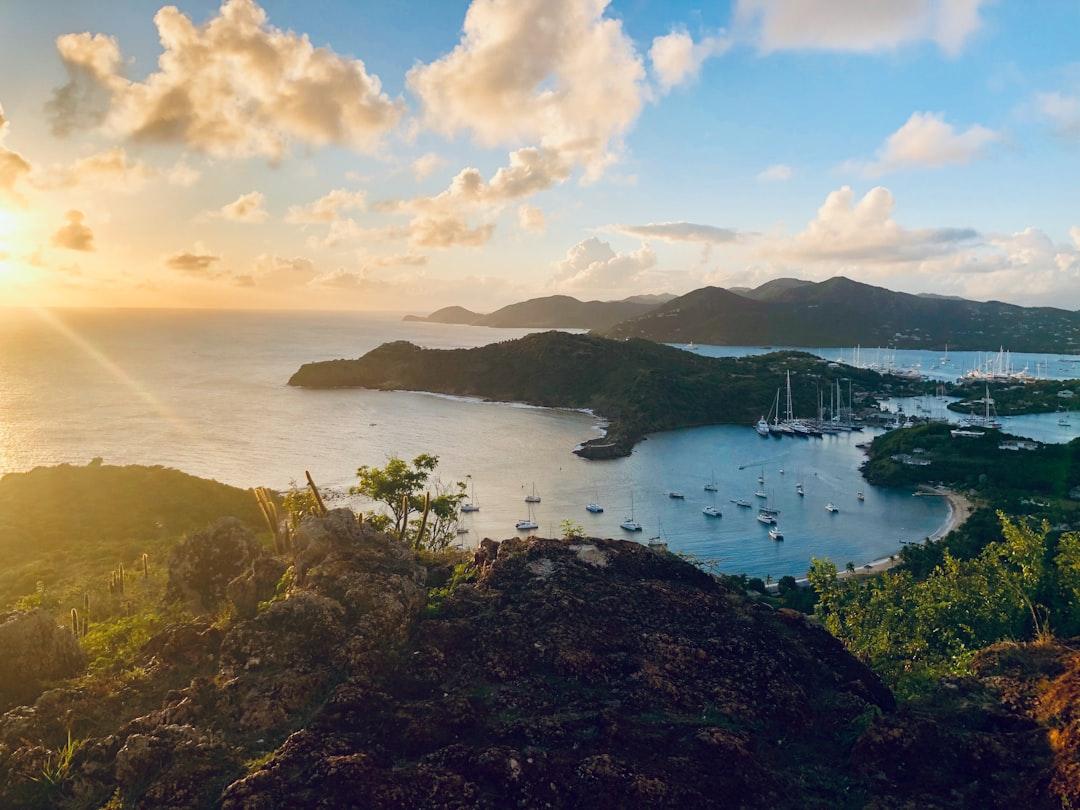
Antigua hotels
Spain · 9 hotels