Hotels in Tenerife
107 hotels
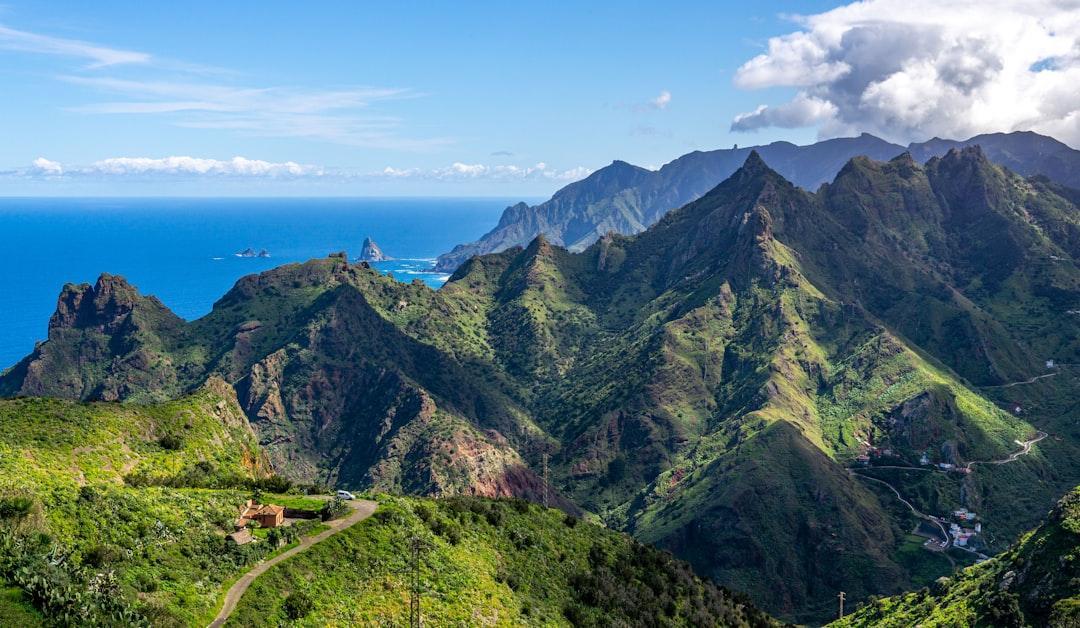
Browse hotels in Tenerife, Canary Islands — stays near Mount Teide, Costa Adeje resorts, and Santa Cruz. 320 sunny days per year await.
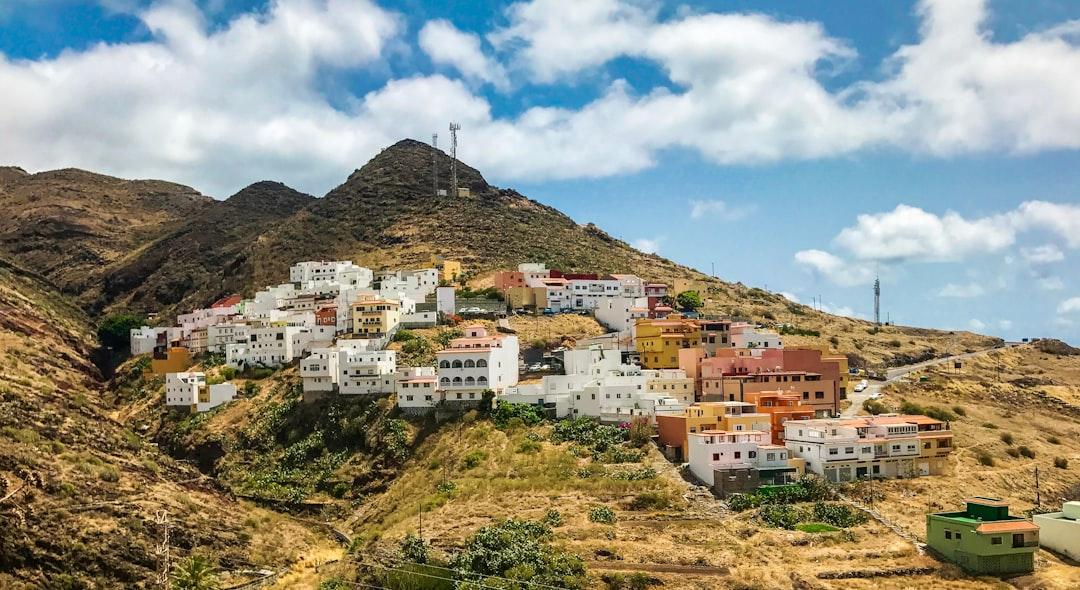
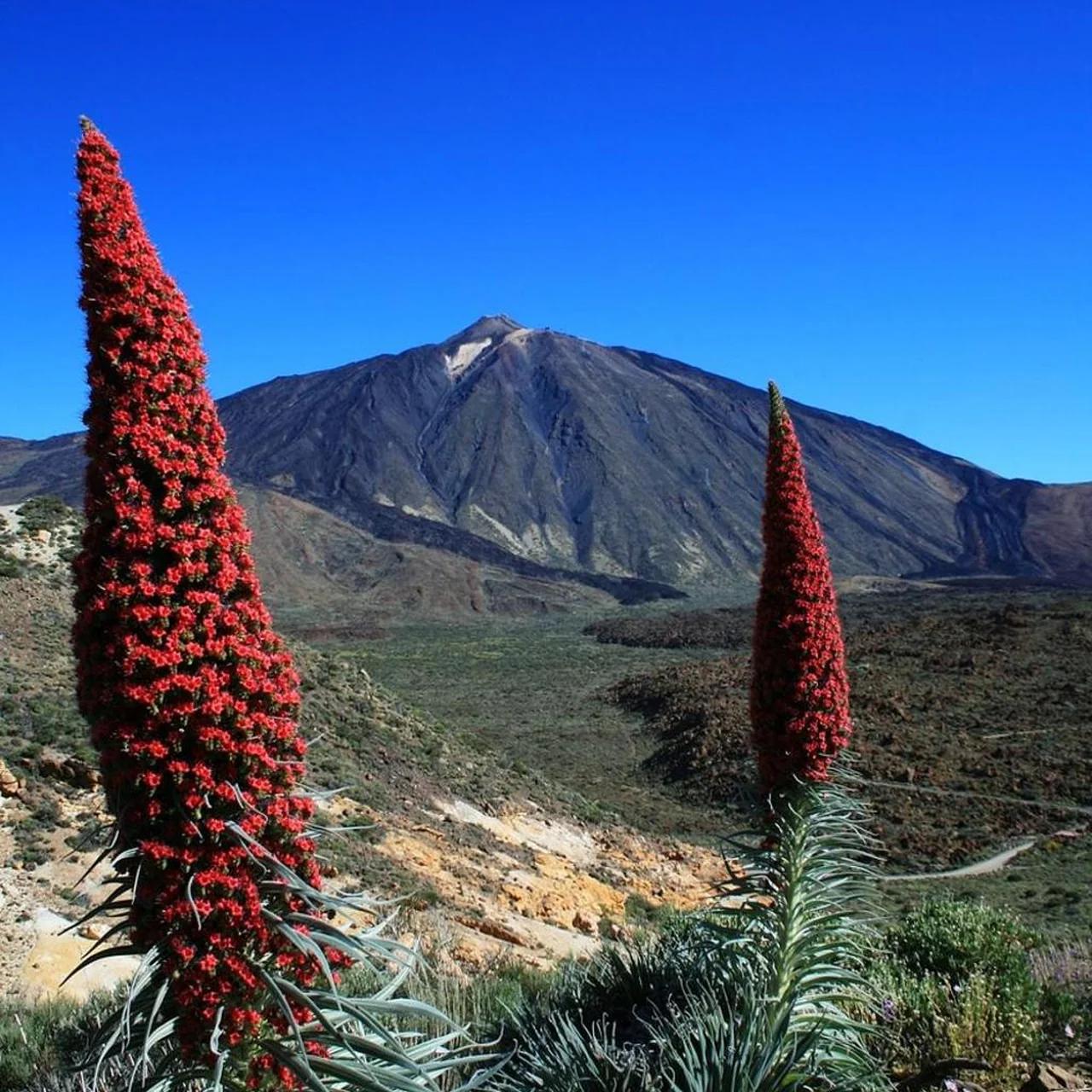
Photo by Hendrik Cornelissen on Unsplash
About Tenerife
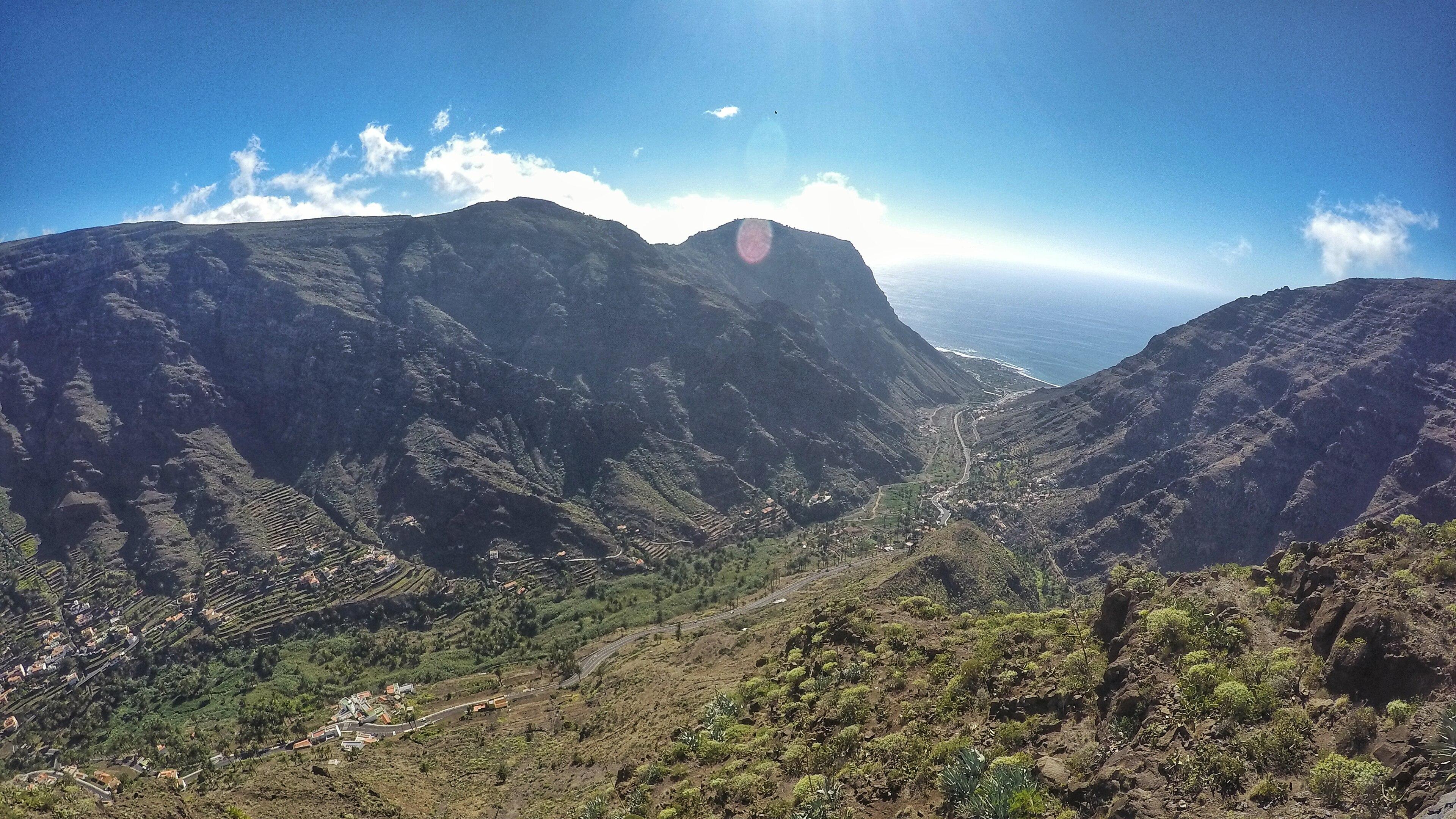
Tenerife is the largest of Spain's Canary Islands, sitting off the northwest coast of Africa in the Atlantic Ocean. With year-round warm weather, a dramatic volcanic landscape, and a coastline that ranges from black lava beaches to golden sandy shores, it draws millions of visitors annually. Whether you're after outdoor adventure, cultural history, or simply a reliable dose of sunshine, Tenerife delivers with considerable variety.
Natural Landscapes and the Teide National Park
At the heart of Tenerife stands Mount Teide, a stratovolcano that rises to 3,715 metres and is the highest peak in Spain. The surrounding Teide National Park is a UNESCO World Heritage Site, recognised for its exceptional geological formations and unique flora. Visitors can take a cable car close to the summit or hike designated trails through lava fields and pine forests. The park is also one of the best places in Europe for stargazing, thanks to its altitude and low light pollution. Booking a cable car ticket in advance is strongly recommended, especially during peak months.
Beaches and Coastal Areas
Tenerife's coastline offers genuinely diverse beach experiences. The southern resorts of Playa de las Américas and Los Cristianos are known for their calm, warm waters and wide sandy beaches, making them popular with families and sun-seekers. In contrast, the northern coast features rougher Atlantic swells that attract surfers and windsurfers. The black volcanic beach of Playa Jardín in Puerto de la Cruz is a distinctive alternative, set against a backdrop of lush gardens designed by local artist César Manrique. Water temperature remains comfortable throughout the year, rarely dropping below 18°C even in winter.
Culture, History, and Local Life
Santa Cruz de Tenerife serves as the island's capital and offers a more authentic urban experience away from the resort strips. The city is home to the Auditorio de Tenerife, an architecturally striking concert hall designed by Santiago Calatrava, and hosts one of the most celebrated carnivals in the world each February, second in scale only to Rio de Janeiro's. The historic town of La Laguna, a UNESCO World Heritage Site, preserves colonial-era architecture and a lively university atmosphere. Local cuisine features fresh seafood, papas arrugadas (wrinkled potatoes served with mojo sauce), and Canarian wines produced from vineyards grown on volcanic soil.
Practical Tips for Visiting Tenerife
- Getting there: Tenerife has two international airports — Tenerife South (TFS) serves most charter and budget flights, while Tenerife North (TFN) handles more regional and domestic routes.
- Best time to visit: The island enjoys a mild climate year-round. July to September brings the hottest temperatures; December to February is cooler but still pleasant and less crowded.
- Getting around: Renting a car gives the most flexibility for exploring the interior and less accessible beaches. TITSA buses connect major towns reliably and affordably.
- Currency: Euro (€). Card payments are widely accepted in tourist areas.
- Language: Spanish is the official language; English is widely spoken in resort zones.
- Teide access: A free permit is required to reach the summit crater area above the cable car station. Apply online through the Spanish National Parks website well in advance.
All hotels in Tenerife
Showing 1–20 of 107 hotels








Cities like Tenerife
Other destinations across Spain within reach.