Hotels in Canary Islands
2 cities · 107 hotels
Photo by Zinah Insignia on Unsplash
The Canary Islands are a Spanish archipelago located off the northwest coast of Africa, sitting roughly 100 kilometres from the Moroccan coast. Comprising seven main islands, the region enjoys a mild, subtropical climate year-round, making it one of Europe's most visited destinations for sun-seekers, hikers, and nature lovers alike.
Geography and Natural Diversity
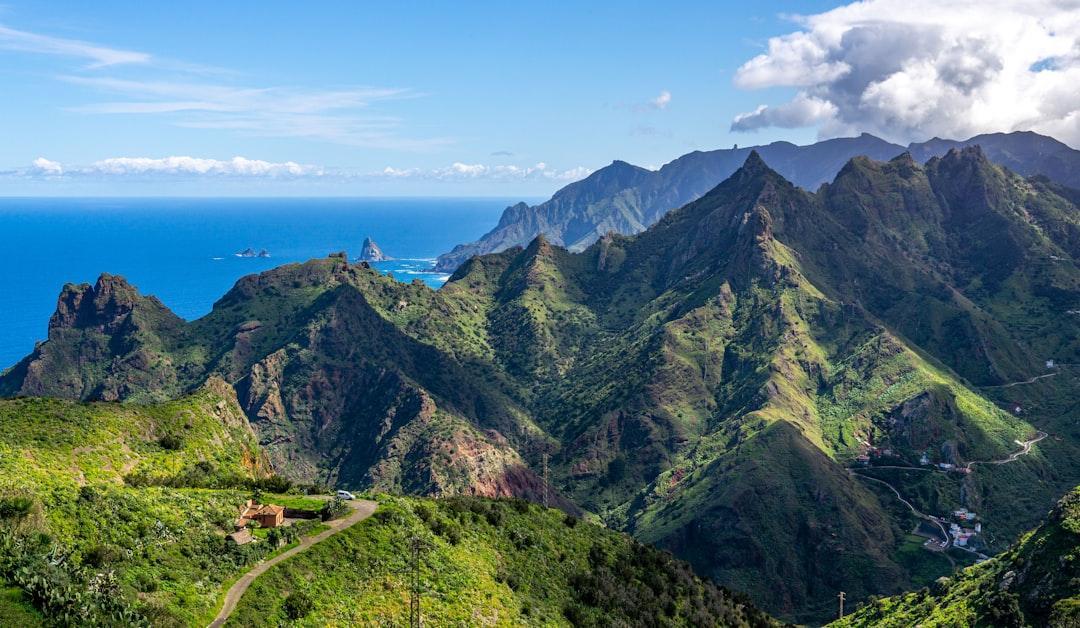
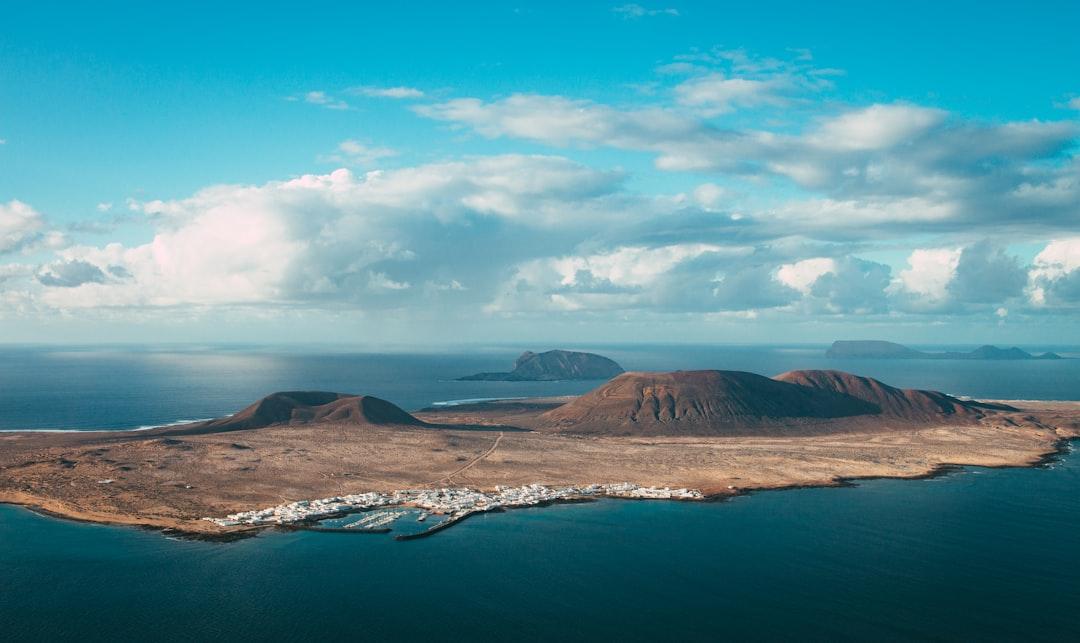
The Canary Islands belong to the Macaronesian region and are of volcanic origin, which gives each island a dramatically different landscape. Tenerife is home to Mount Teide, a stratovolcano that stands at 3,715 metres and is the highest peak in Spain. It sits within Teide National Park, a UNESCO World Heritage Site. Gran Canaria, sometimes called a "continent in miniature," features sand dunes at Maspalomas in the south, lush laurel forests in the north, and rugged mountain terrain in the interior. Lanzarote is known for its stark volcanic landscapes shaped by eruptions in the 18th and 19th centuries, while La Palma is one of the greenest and most biodiverse islands in the archipelago.
Main Cities and Urban Life
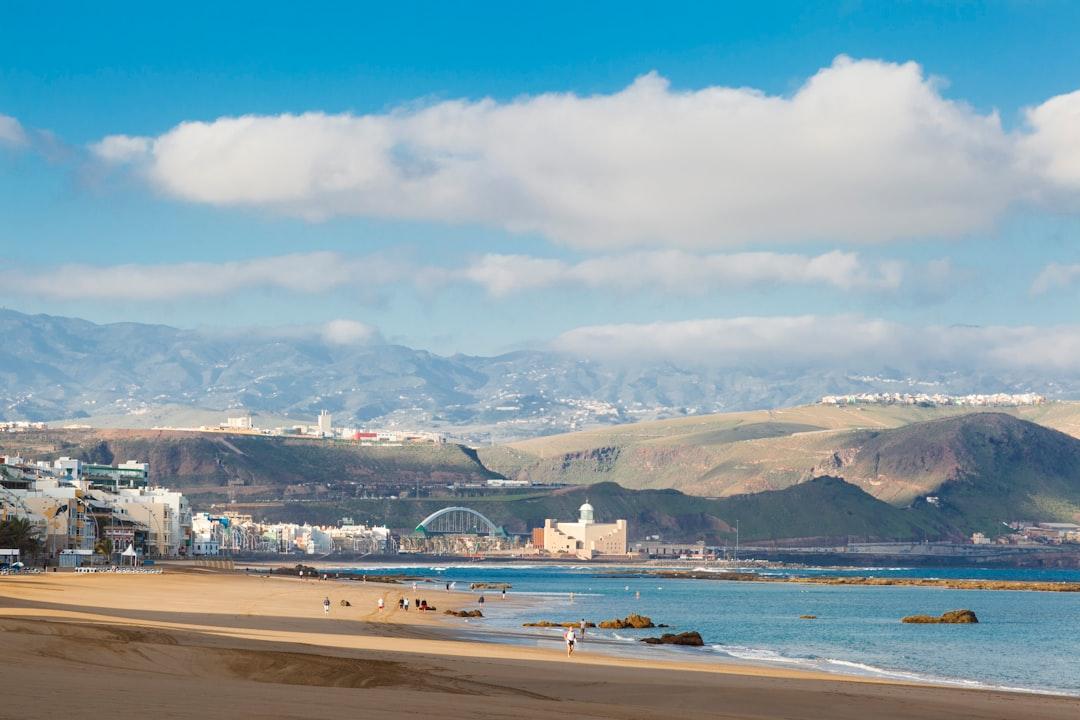
Tenerife is the most populous island, with Santa Cruz de Tenerife serving as one of the two regional capitals. The city hosts one of the largest carnivals in the world each February, drawing hundreds of thousands of visitors. Las Palmas de Gran Canaria, the other regional capital, is a vibrant Atlantic port city with a historic quarter called Vegueta, where Christopher Columbus reportedly stayed before his first voyage to the Americas in 1492. The city also features Las Canteras Beach, a well-regarded urban beach stretching nearly three kilometres along the city's waterfront.
Outdoor Activities and Wildlife
The islands offer a wide range of outdoor pursuits. Hikers will find well-marked trails across all seven islands, from coastal paths to high-altitude routes on Tenerife and La Palma. The waters around the archipelago are rich in marine life, supporting whale and dolphin watching excursions, particularly off the coast of Tenerife where resident populations of pilot whales are frequently spotted. Surfing is popular on the western coasts of Fuerteventura and Lanzarote, which host international competitions. Stargazers benefit from some of the clearest skies in the world, especially on La Palma, which is home to the Roque de los Muchachos Observatory.
Practical Tips
- Getting there: All major islands have airports, with Tenerife South and Gran Canaria receiving the most international flights.
- Getting around: Inter-island ferries and short domestic flights connect the islands efficiently.
- Best time to visit: The climate is mild throughout the year, with temperatures typically ranging from 18°C in winter to 28°C in summer. Spring and autumn are generally the least crowded periods.
- Currency: The euro (€) is used, as the islands are part of Spain and the European Union.
- Language: Spanish is the official language, though English is widely spoken in tourist areas.