Hotels in Las Palmas de Gran Canaria
Curated collection coming soon
Find hotels in Las Palmas de Gran Canaria, capital of Gran Canaria — home to Playa de Las Canteras, Vegueta's historic quarter, and year-round mild weather.
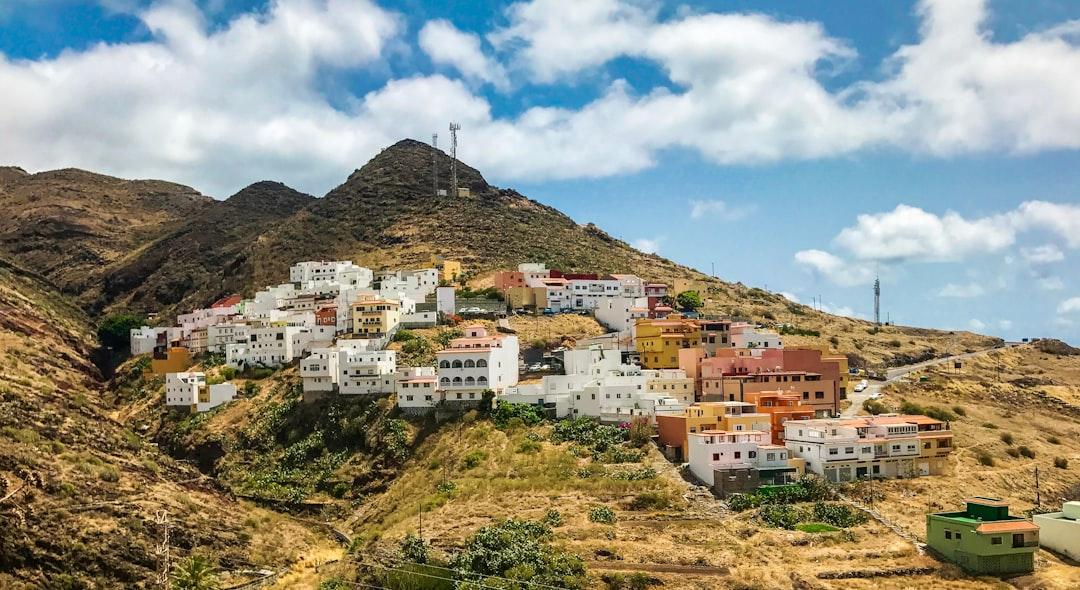
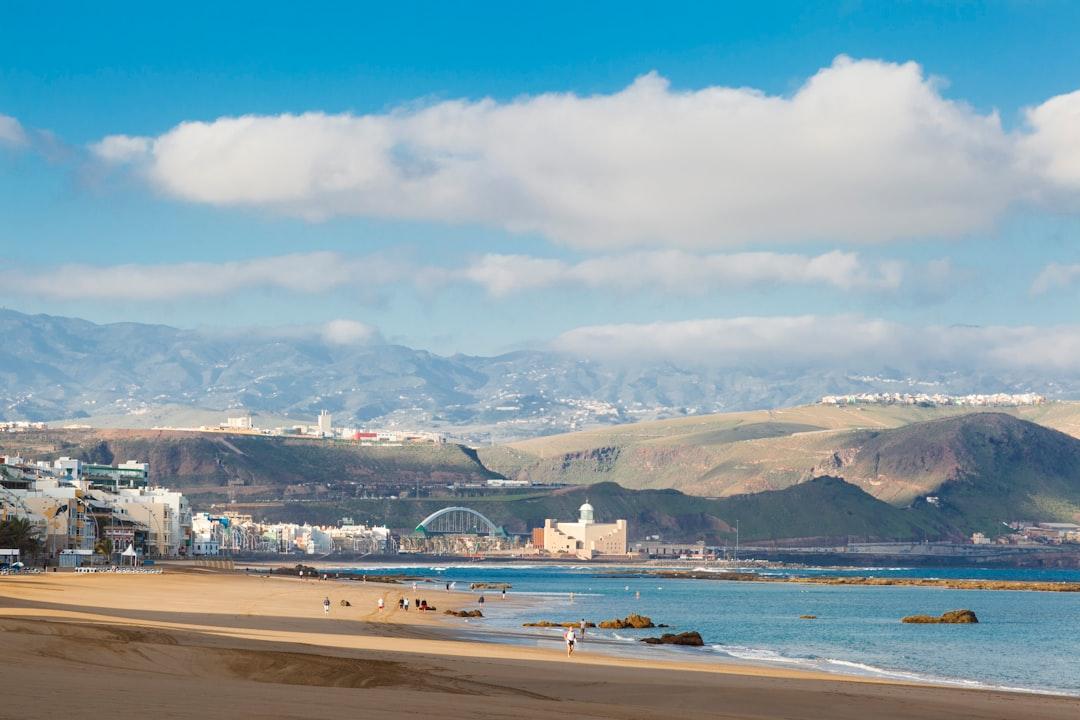
Photo by Gran Canaria For Nomad List on Unsplash
About Las Palmas de Gran Canaria
Las Palmas de Gran Canaria is the capital of Gran Canaria and the largest city in the Canary Islands, sitting on the northeastern tip of the island at the crossroads of Europe and Africa. With a year-round mild climate, a historic old quarter, and one of the most celebrated urban beaches in Spain, it draws travelers seeking culture, sun, and authentic city life in equal measure.
History and the Vegueta Quarter
The city was founded in 1478 by Spanish conquistadors and retains one of the best-preserved colonial old towns in the Atlantic world. The Vegueta district is the historic heart of Las Palmas, where cobblestone streets lead past the Cathedral of Santa Ana — a Gothic-neoclassical structure whose construction spanned several centuries — and the Casa de Colón, a 15th-century mansion that once served as the residence of the island's governors and is closely associated with Christopher Columbus, who stopped in Gran Canaria during his 1492 voyage to the Americas. The Museo Canario, also located in Vegueta, houses an important collection of pre-Hispanic Guanche artifacts, offering genuine insight into the indigenous culture of the Canary Islands.
Las Canteras Beach and the Waterfront
Playa de Las Canteras is a 3.5-kilometer urban beach widely regarded as one of the finest city beaches in Europe. A natural reef called La Barra runs parallel to much of the shoreline, creating calm, sheltered waters ideal for swimming. The beach is backed by a lively promenade — the Paseo de Las Canteras — lined with restaurants, cafés, and surf shops. The northern end of the beach, known as La Cicer, is popular with windsurfers and bodyboarders. The area around Las Canteras is also home to the city's main commercial and residential neighborhoods, making it easy to combine beach time with exploring local markets and dining.
Culture, Carnival, and Local Life
Las Palmas hosts one of the most famous carnivals in Spain, typically held in February or March, rivaling the celebrations of Tenerife and drawing hundreds of thousands of visitors each year. The event features elaborate costumes, street parades, and live music across the city. Beyond carnival season, the city supports a vibrant arts scene anchored by institutions such as the Centro Atlántico de Arte Moderno (CAAM) in Vegueta. The Mercado del Puerto, a converted 19th-century market hall near the port, is a popular spot for sampling local food including fresh fish, Canarian wrinkled potatoes (papas arrugadas), and mojo sauce.
Practical Tips
- Getting there: Las Palmas is served by Gran Canaria Airport (LPA), located about 18 kilometers south of the city center, with frequent connections to mainland Spain and major European cities.
- Getting around: The city has a reliable bus network (Guaguas Municipales). The historic center and Las Canteras are both walkable once you arrive.
- Best time to visit: The climate is mild throughout the year, with average temperatures ranging from 18°C in winter to 26°C in summer. Spring and autumn offer comfortable conditions with fewer crowds than peak summer.
- Currency: Euro (€). Credit cards are widely accepted.
- Language: Spanish is the official language; English is spoken in tourist areas but less commonly in local neighborhoods.
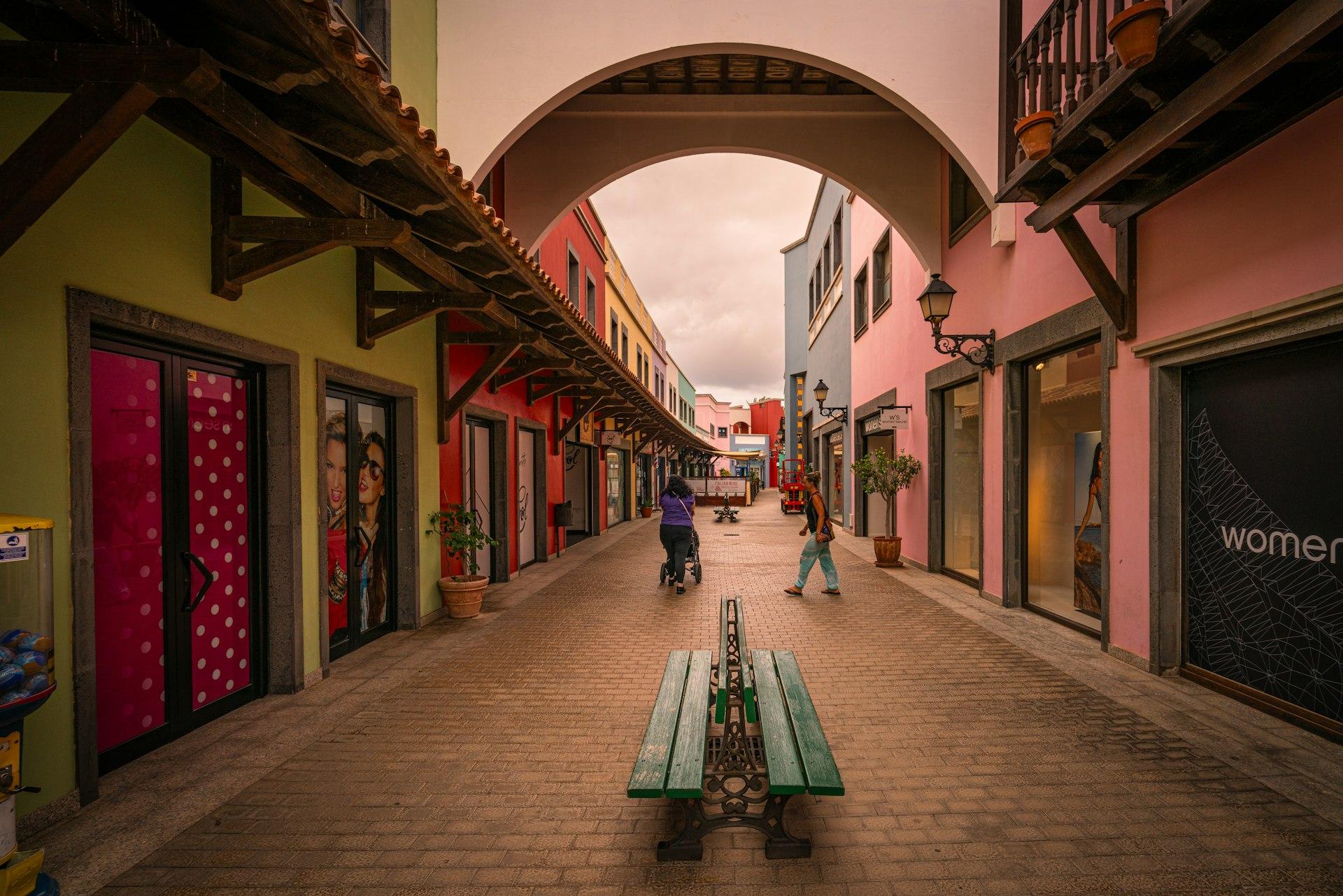
- Local tip: The Triana neighborhood, adjacent to Vegueta, is known for its pedestrian shopping street and Art Nouveau architecture, and is worth exploring on foot.
All hotels in Las Palmas de Gran Canaria
Hotels coming soon
We're carefully selecting properties for Las Palmas de Gran Canaria.
Cities like Las Palmas de Gran Canaria
Other destinations across Spain within reach.