48 hotels across 3 neighborhoods
Valencia: discover the best hotels and travel tips for your stay.
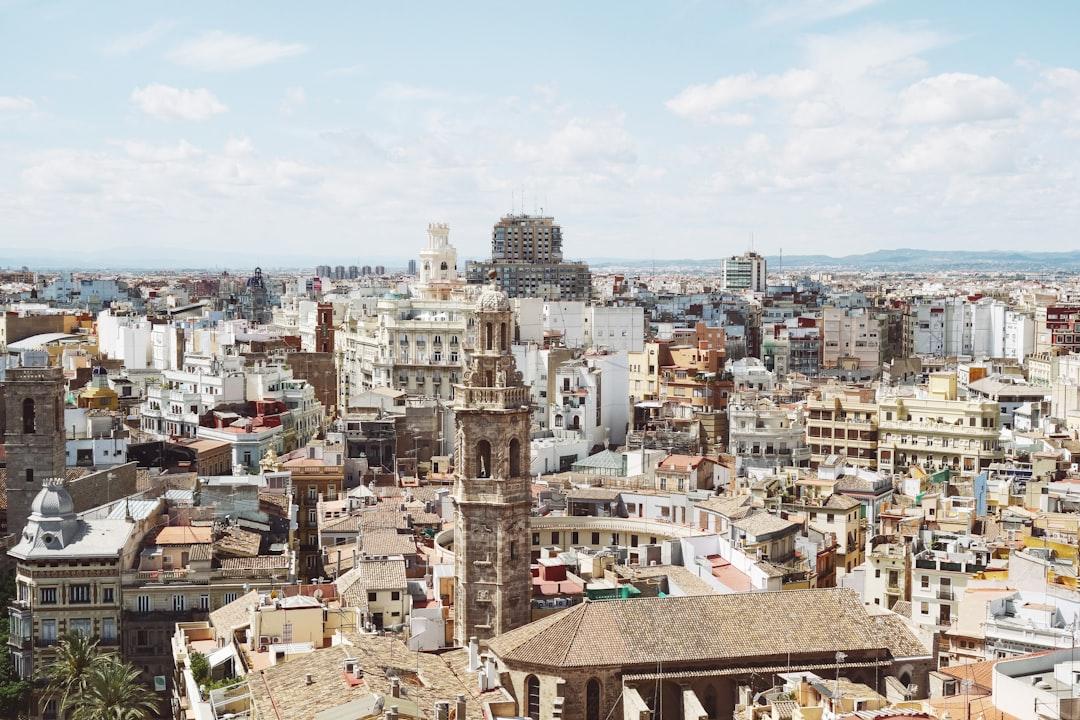
Photo by travelnow.or.crylater on Unsplash
Valencia is Spain's third-largest city, sitting on the southeastern Mediterranean coast where the Turia River once carved its way to the sea. Known as the birthplace of paella, it blends medieval architecture with bold contemporary design, a working port with sandy beaches, and a food culture that draws visitors from across Europe. Whether you are here for the architecture, the gastronomy, or simply the 300-plus days of sunshine per year, Valencia rewards exploration at every turn.
Valencia's architectural range is one of its most distinctive qualities. In the historic core of Ciutat Vella, the Lonja de la Seda — a UNESCO World Heritage Site — stands as one of the finest examples of late Gothic civil architecture in Europe, built between 1482 and 1548 as a silk exchange. Nearby, Valencia Cathedral, begun in the 13th century, displays a mix of Romanesque, Gothic, and Baroque styles accumulated over centuries of construction and modification. The cathedral also claims to house the Holy Grail, a chalice venerated since the medieval period.
Just a short walk away, the Estación del Norte railway station offers a striking example of Valencian Modernisme, its facade decorated with orange blossom motifs in ceramic tile — a nod to the region's agricultural heritage.
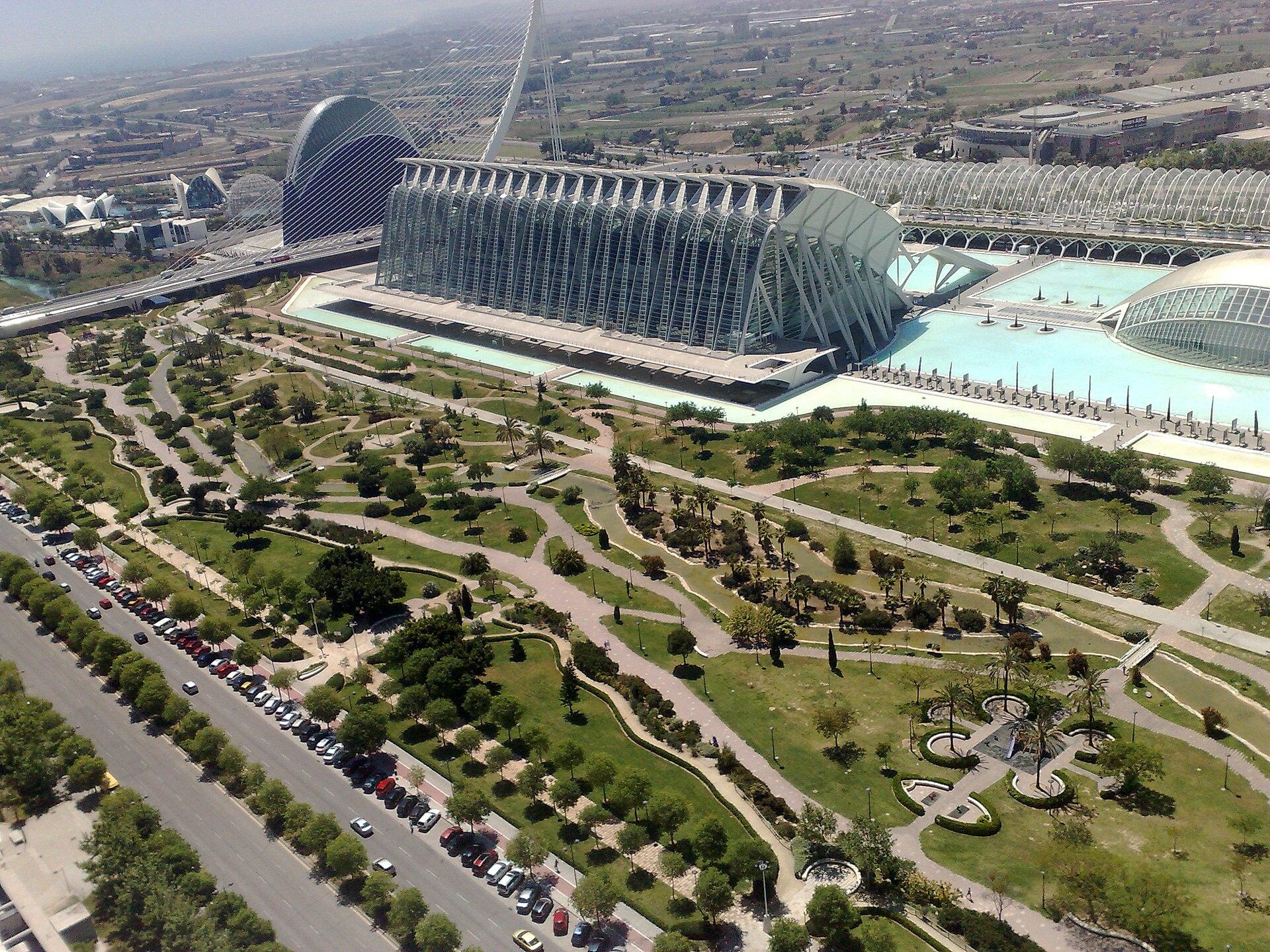
At the opposite end of the design spectrum, the City of Arts and Sciences occupies a 350,000-square-metre complex at the eastern end of the old Turia riverbed. Designed primarily by architect Santiago Calatrava, the complex includes an opera house, a science museum, an IMAX cinema, and Europe's largest oceanarium. The white concrete and glass structures are among the most photographed in contemporary Spanish architecture.
El Carmen, part of the broader Ciutat Vella district, is Valencia's oldest surviving quarter. Its narrow streets are lined with medieval walls, street art, independent bars, and small galleries. The neighbourhood has a lived-in character that makes it popular with both long-term residents and visitors looking for something beyond the main tourist circuit.
Ruzafa, located south of the city centre, has transformed over the past two decades from a working-class residential area into one of Valencia's most creative neighbourhoods. It is now home to independent coffee shops, vintage stores, international restaurants, and a strong arts scene. The Sunday market on Calle Cuba is a local institution.
The Turia Gardens are one of the most practical and well-used green spaces in any Spanish city. When the Turia River was diverted south of the city after catastrophic flooding in 1957, the old riverbed was converted into a 9-kilometre park running through the heart of Valencia. Today it is used daily by cyclists, joggers, families, and anyone seeking shade. The park connects many of the city's major landmarks, including the City of Arts and Sciences at its eastern end and Bioparc Valencia — a well-regarded immersive zoo — at its western end.
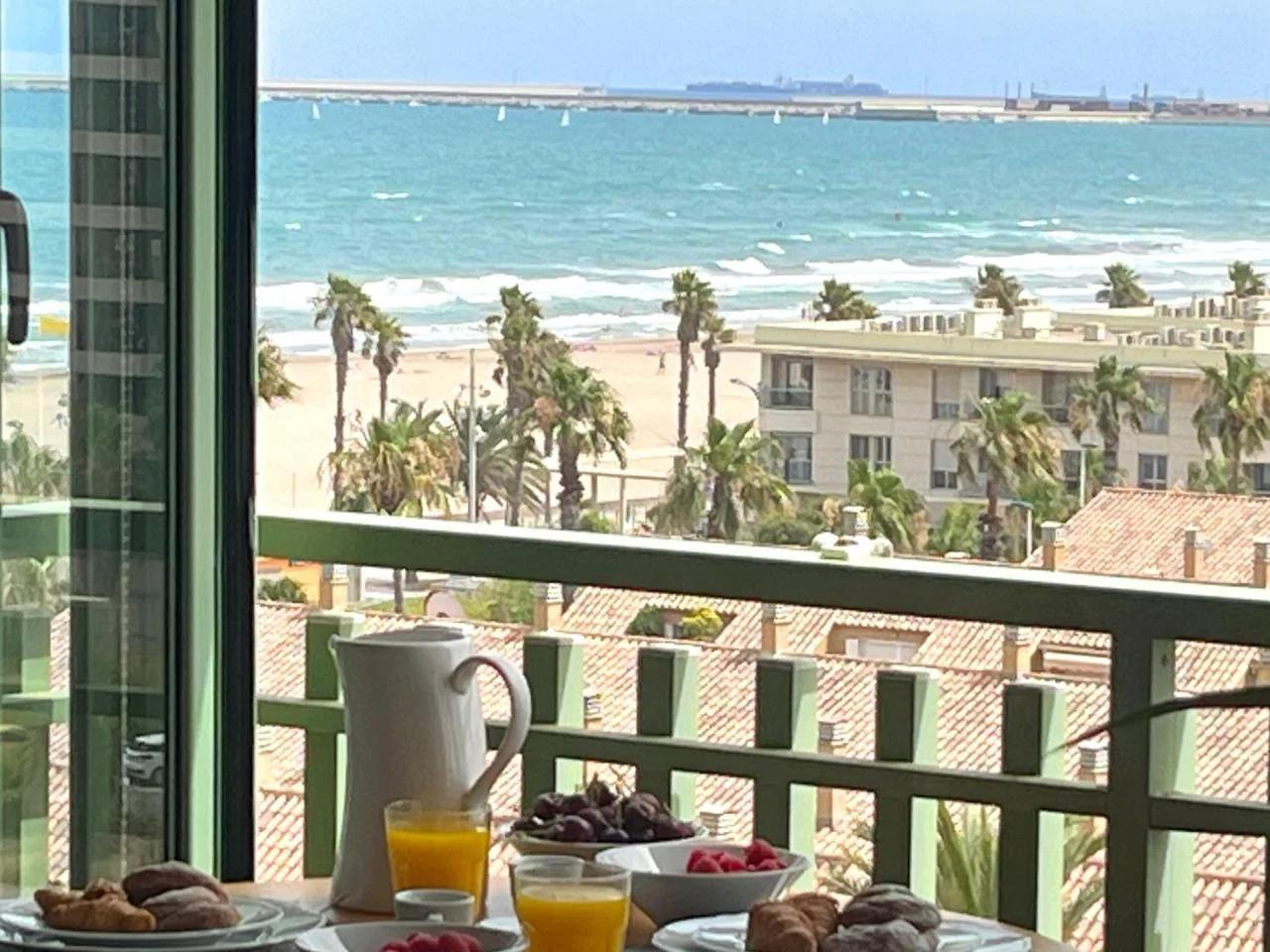
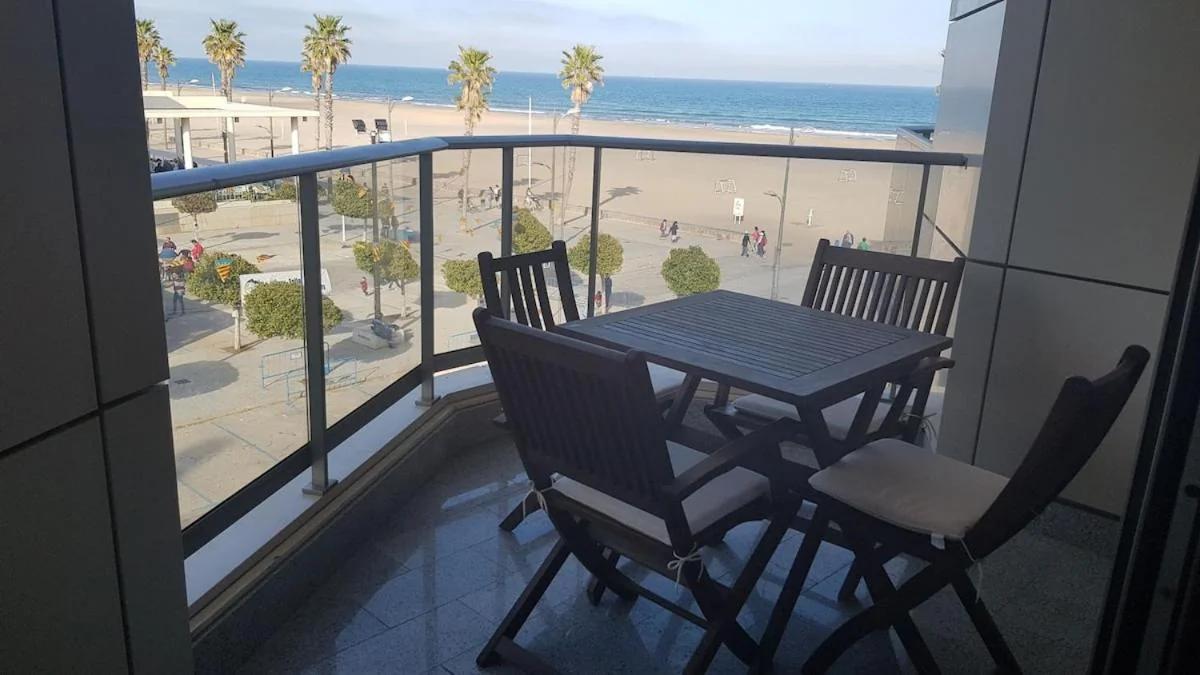
Malvarrosa Beach stretches for roughly 1.5 kilometres along Valencia's coastline, backed by the Paseo Marítimo promenade. The beach is accessible by tram from the city centre and is lined with restaurants serving fresh seafood and, of course, paella. The water is calm and the sand is fine, making it a practical option for families and day-trippers alike.
Valencia's Central Market (Mercado Central) is one of the largest covered fresh food markets in Europe, housed in a Modernista building completed in 1928. It sells local produce, fish, meat, and regional specialities, and is worth visiting early in the morning when it is most active. The market is located directly opposite the Lonja de la Seda.
For accommodation, options range from beach hotels near Malvarrosa to boutique hotels in the historic centre, budget-friendly properties throughout the city, and family-oriented hotels near the City of Arts and Sciences. Hotels with pools are available in several districts, particularly useful during the hot summer months when temperatures regularly exceed 30°C.
Valencia Airport (VLC) is located approximately 8 kilometres west of the city centre. A metro line connects the airport to the city in around 20 minutes. The city also has an extensive bus and tram network, and the flat terrain makes cycling a practical way to get around. Renting a bike is straightforward, with multiple hire stations across the city.
The best time to visit is generally spring (March to May) or early autumn (September to October), when temperatures are moderate and crowds are smaller than in peak summer. The Las Fallas festival in March, during which enormous papier-mâché sculptures are built and then ceremonially burned, is one of the most distinctive events in the Spanish calendar and draws visitors from around the world.
Valencia · 43 hotels
Valencia · 15 hotels
Valencia · 5 hotels
Valencia · 43 hotels

Check availability

Check availability

2 reviews
Check availability
1 reviews
Check availability

2 reviews
Check availability
1 reviews
Check availability

59 reviews
Check availability

38 reviews
Check availability

59 reviews
Check availability

61 reviews
Check availability

18 reviews
Check availability

36 reviews
Check availability

2,531 reviews
Check availability

2,058 reviews
Check availability

152 reviews
Check availability

21 reviews
Check availability

7 reviews
Check availability

935 reviews
Check availability

101 reviews
Check availability

79 reviews
Check availability