Hotels in Seville
111 hotels across 4 neighborhoods
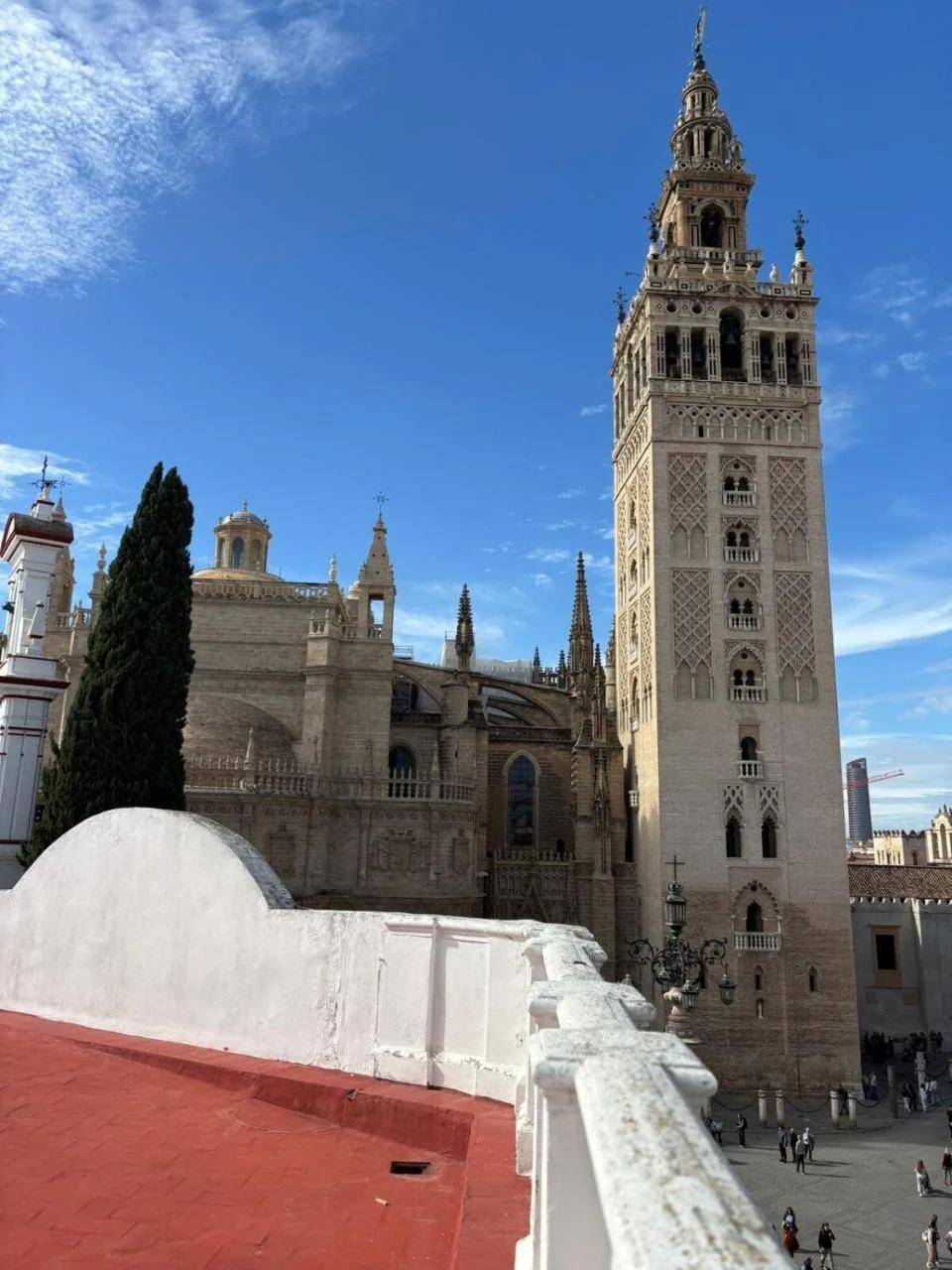
Browse hotels in Seville, Andalusia — properties from the Triana barrio to Santa Cruz, steps from the 1184 Giralda tower. Book your Andalusian base here.
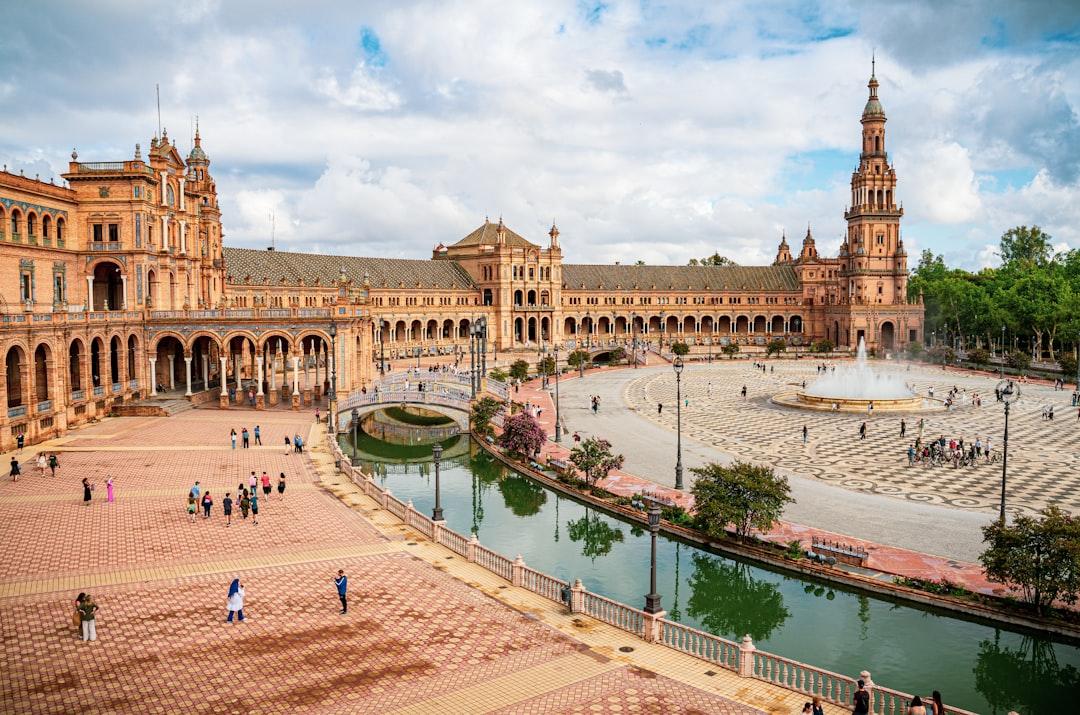
Photo by Taisia Karaseva on Unsplash
About Seville
Santa Cruz, the medieval Jewish quarter beside the Alcázar, suits first-time visitors and those wanting walkable sightseeing; Triana, across the Guadalquivir, draws flamenco fans and tapas seekers; El Arenal places guests near the bullring and river; Nervión offers quieter, residential stays with good metro access. Most visitors allow three to four nights. Seville Airport (SVQ) is 10 km from the centre, roughly 25 minutes by taxi.
Where to Stay in Seville's Key Neighbourhoods
Santa Cruz is the most in-demand area — narrow lanes open directly onto the Real Alcázar (a UNESCO World Heritage site since 1987) and Seville Cathedral, the world's largest Gothic cathedral. Hotels here fill quickly; book at least six weeks ahead in April during Feria de Abril.
Triana sits on the west bank of the Guadalquivir. Its ceramic tile workshops, the Mercado de Triana, and a dense concentration of flamenco tablaos make it popular with repeat visitors. Rates tend to run lower than Santa Cruz.
El Arenal centres on the 1761 Plaza de toros de la Real Maestranza, one of Spain's oldest bullrings. The riverside Paseo de Cristóbal Colón runs through the district — useful for orientation and evening walks.
Nervión is a largely residential area east of the old town, anchored by the Estadio Ramón Sánchez-Pizjuán. Suited to travellers who prefer chain hotels with parking and easy metro connections.
Getting Around
Seville's metro (4 lines) connects Nervión to the centre in under 10 minutes. The Tussam bus network covers the old town where metro access is limited. Cycling is practical — the city has over 180 km of dedicated cycle lanes. High-speed AVE trains link Seville to Madrid in approximately 2.5 hours from Santa Justa station.
Practical Tips
- Best months: March–May and September–October avoid the 38–40 °C July heat.
- Feria de Abril: Hotels across the city sell out a year ahead for this April festival.
- Airport transfer: Taxis to Santa Cruz cost approximately €25–30; the EA bus line runs to the Prado de San Sebastián stop for under €5.
- Walking shoes: Santa Cruz cobblestones are uneven — flat soles are essential.


Explore attractions


Curated collections in Seville

Boutique hotels in Seville
Seville · 42 hotels

Budget hotels in Seville
Seville · 15 hotels

Hotels near Alcázar
Seville · 43 hotels
Hotels near Cathedral
Seville · 49 hotels
Hotels with patio in Seville
Seville · 104 hotels

Luxury hotels in Seville
Seville · 4 hotels

Romantic hotels in Seville
Seville · 52 hotels
All hotels in Seville
Showing 1–20 of 111 hotels


Check availability









Cities like Seville
Other destinations across Spain within reach.