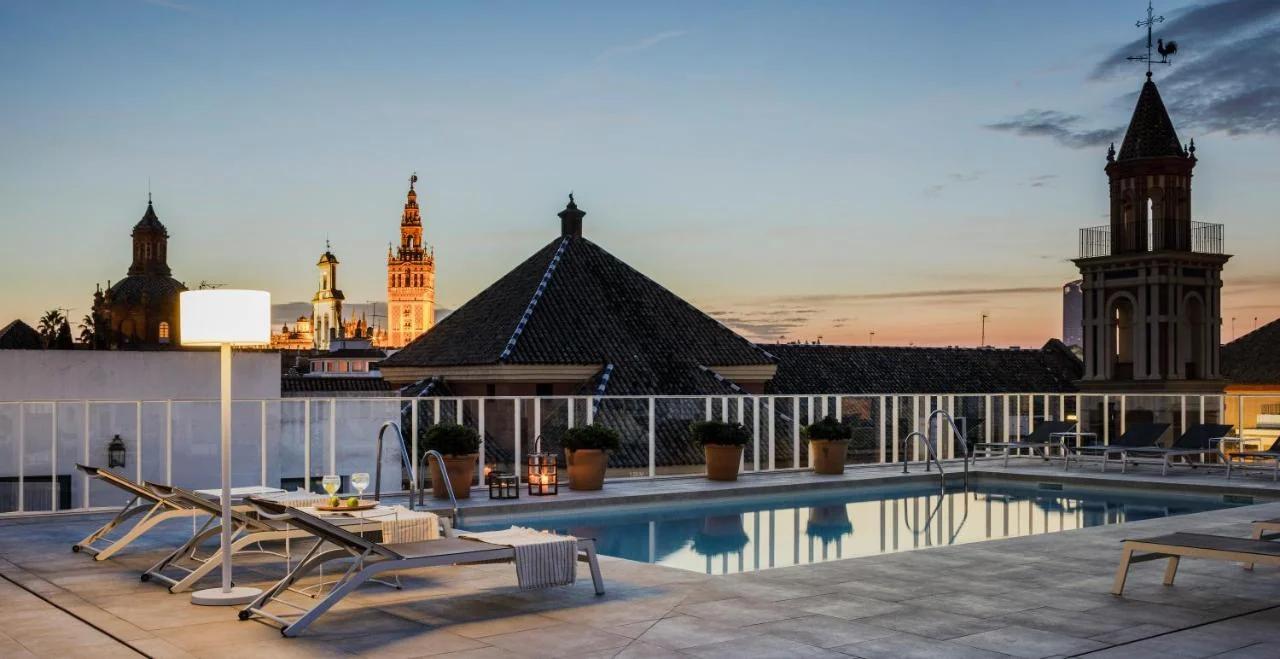

Hotels near Metropol Parasol
Seville · 48 hotels nearby (showing closest 20)
Photo by Andrea Fontalvo on Unsplash
About Metropol Parasol
Rising dramatically above the old La Encarnación square in central Seville, the Metropol Parasol is one of the most striking pieces of contemporary architecture in Spain. Completed in 2011 and designed by German architect Jürgen Mayer H., this enormous timber-and-concrete structure has earned the nickname Las Setas — "The Mushrooms" — for its distinctive organic, mushroom-like canopy forms.
Architecture and Design
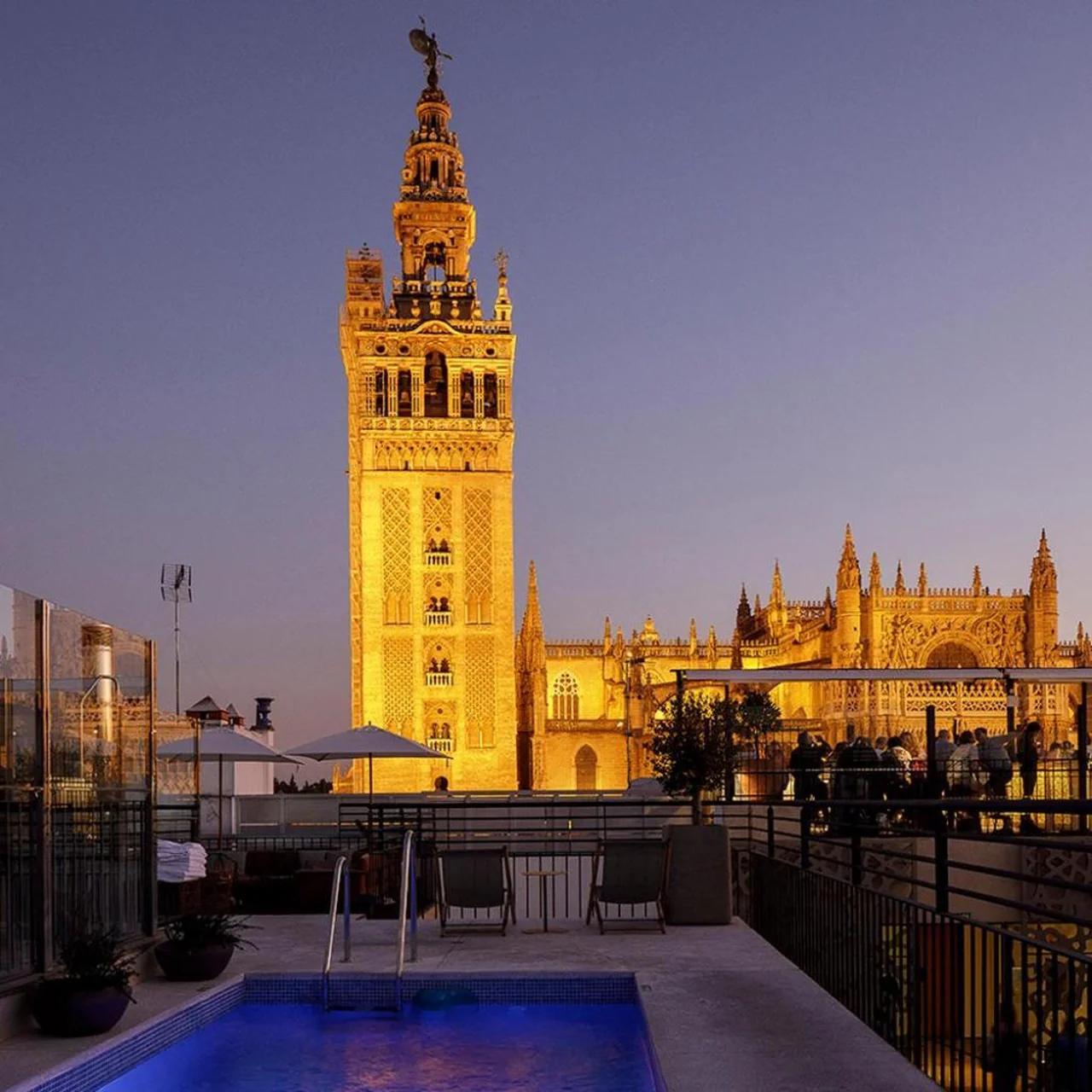
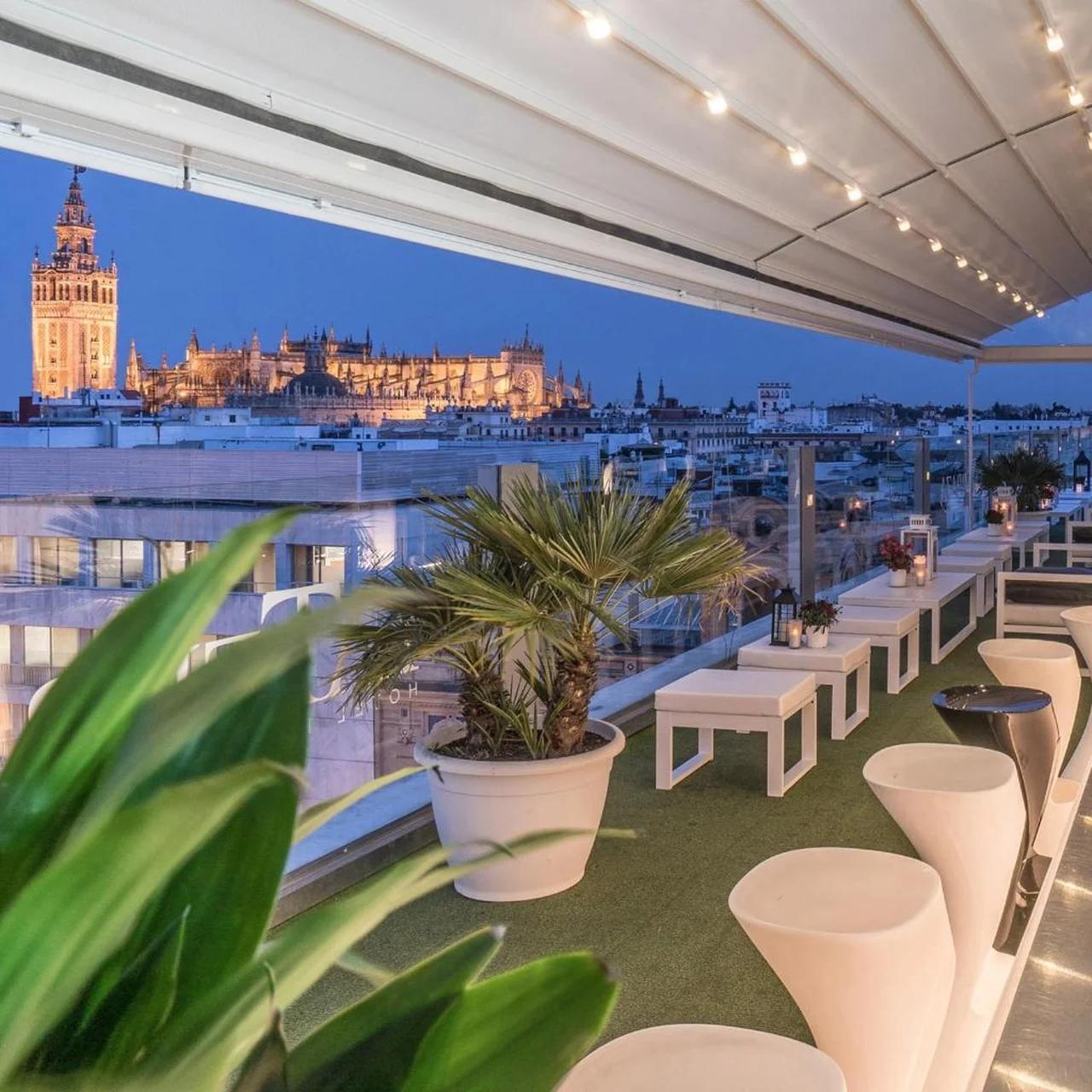
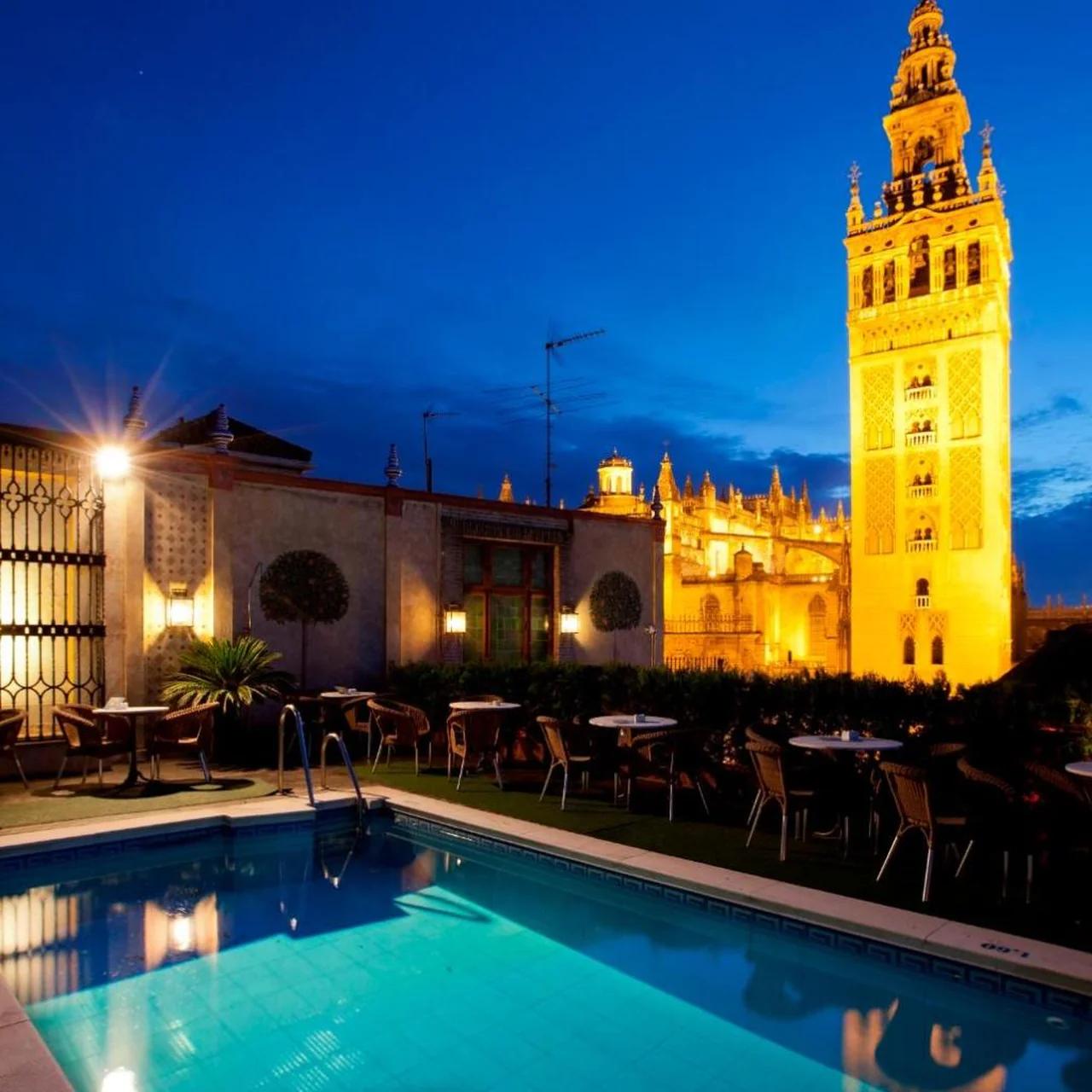
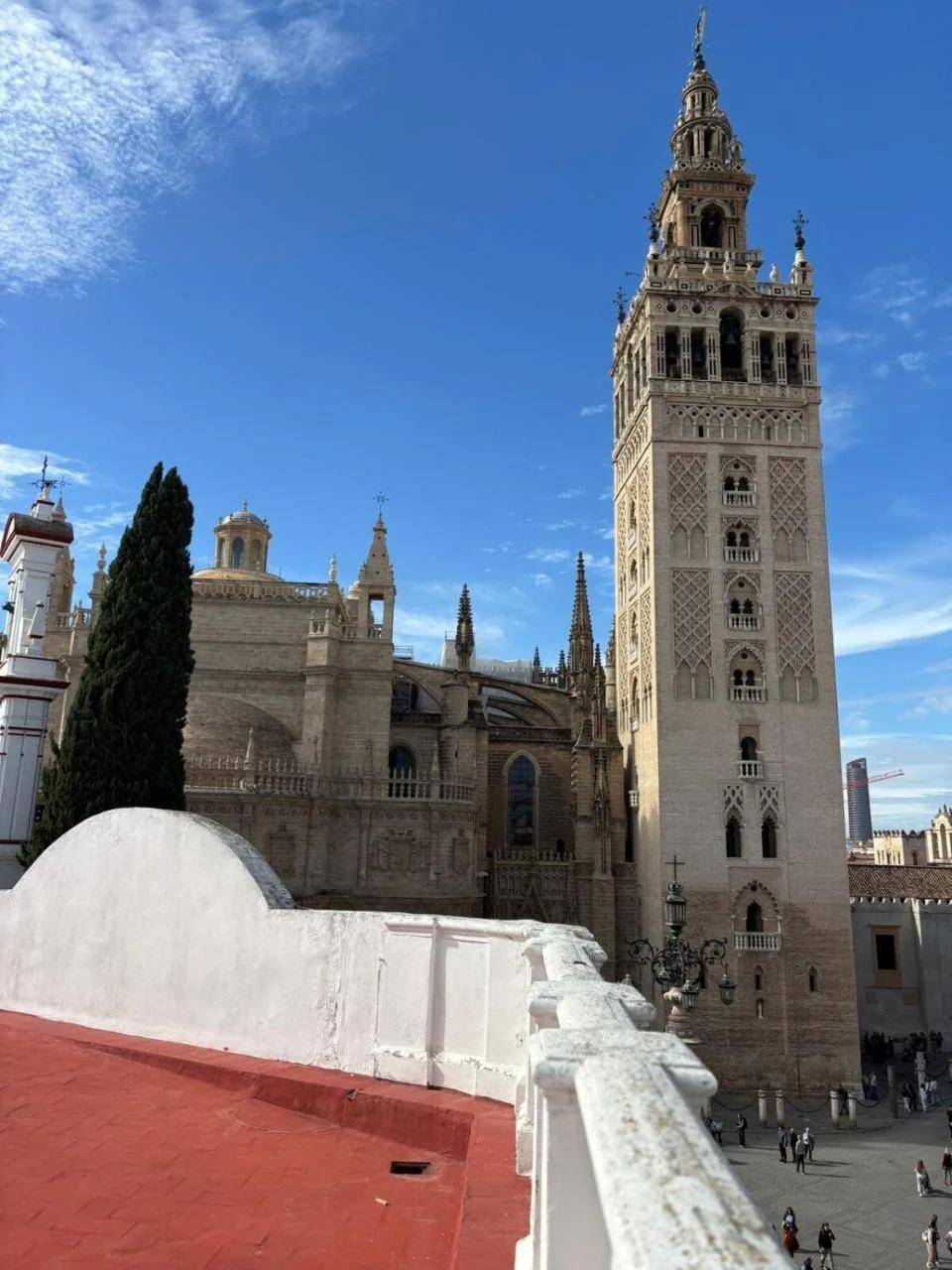
The Metropol Parasol is widely cited as the world's largest wooden structure, spanning approximately 150 metres in length and rising up to 26 metres in height. Its undulating lattice canopy is constructed from bonded timber panels coated in polyurethane. The structure sits on concrete pillars and houses a market, restaurants, an elevated walkway, and a panoramic viewing terrace at the top — offering sweeping views across Seville's rooftops toward the Giralda tower and Seville Cathedral.
What to See and Do
Visitors can explore the Antiquarium, a museum at the base of the structure displaying Roman and Moorish archaeological remains uncovered during construction. The rooftop walkway winds through the canopy and is particularly popular at sunset, when the warm Andalusian light catches the wooden lattice. The ground-level Encarnación market operates daily, offering fresh local produce and a lively atmosphere.
Practical Tips
- The rooftop walkway has a small entrance fee; check the official website for current pricing.
- Arrive early morning or late afternoon to avoid peak crowds.
- The structure is a short walk from the Real Alcázar and Seville Cathedral, making it easy to combine visits.
- The surrounding plaza has several café terraces ideal for viewing the structure from below.
Frequently asked questions
What is the Metropol Parasol in Seville?
The Metropol Parasol, locally known as Las Setas (The Mushrooms), is a large contemporary structure in La Encarnación square, designed by architect Jürgen Mayer H. and completed in 2011. It includes a market, restaurants, a museum, and a rooftop walkway.
Is there a fee to visit the Metropol Parasol?
Access to the ground level and market area is free. The rooftop panoramic walkway requires a paid ticket; it is advisable to check the official site for up-to-date pricing before your visit.
What can you see from the top of the Metropol Parasol?
From the rooftop terrace, visitors can see panoramic views of Seville, including the Giralda tower, Seville Cathedral, and the surrounding historic neighborhoods of Andalusia's capital.
What is the Antiquarium inside the Metropol Parasol?
The Antiquarium is an archaeological museum located at the base of the structure. It displays Roman and Moorish remains that were discovered during the excavation phase of the Metropol Parasol's construction.
Hotels nearby