
Hotels near Real Alcázar
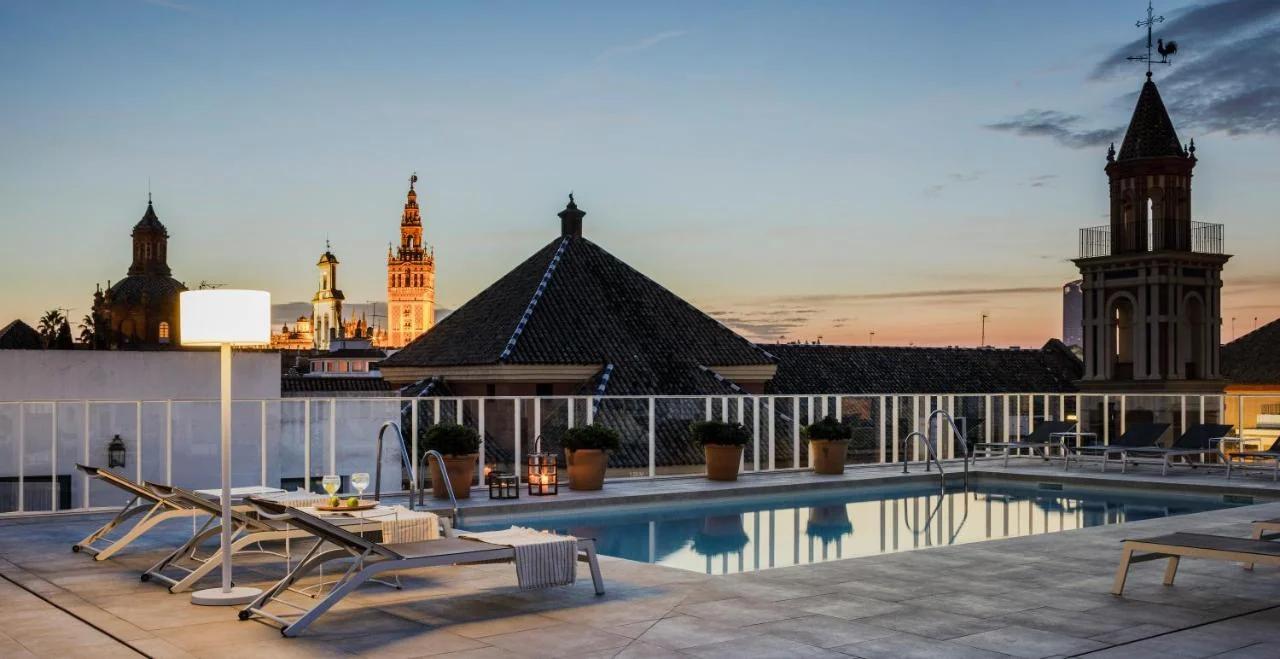
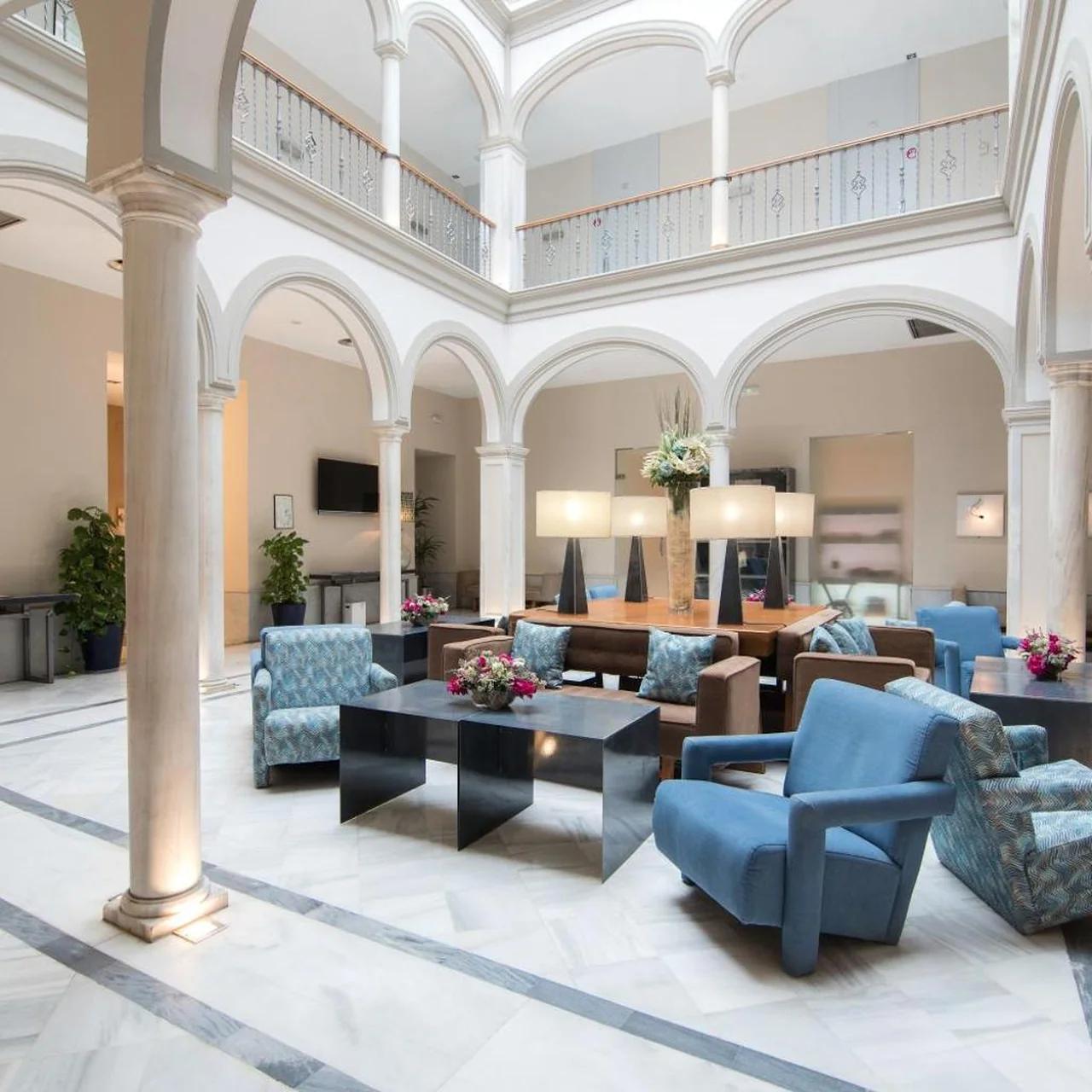
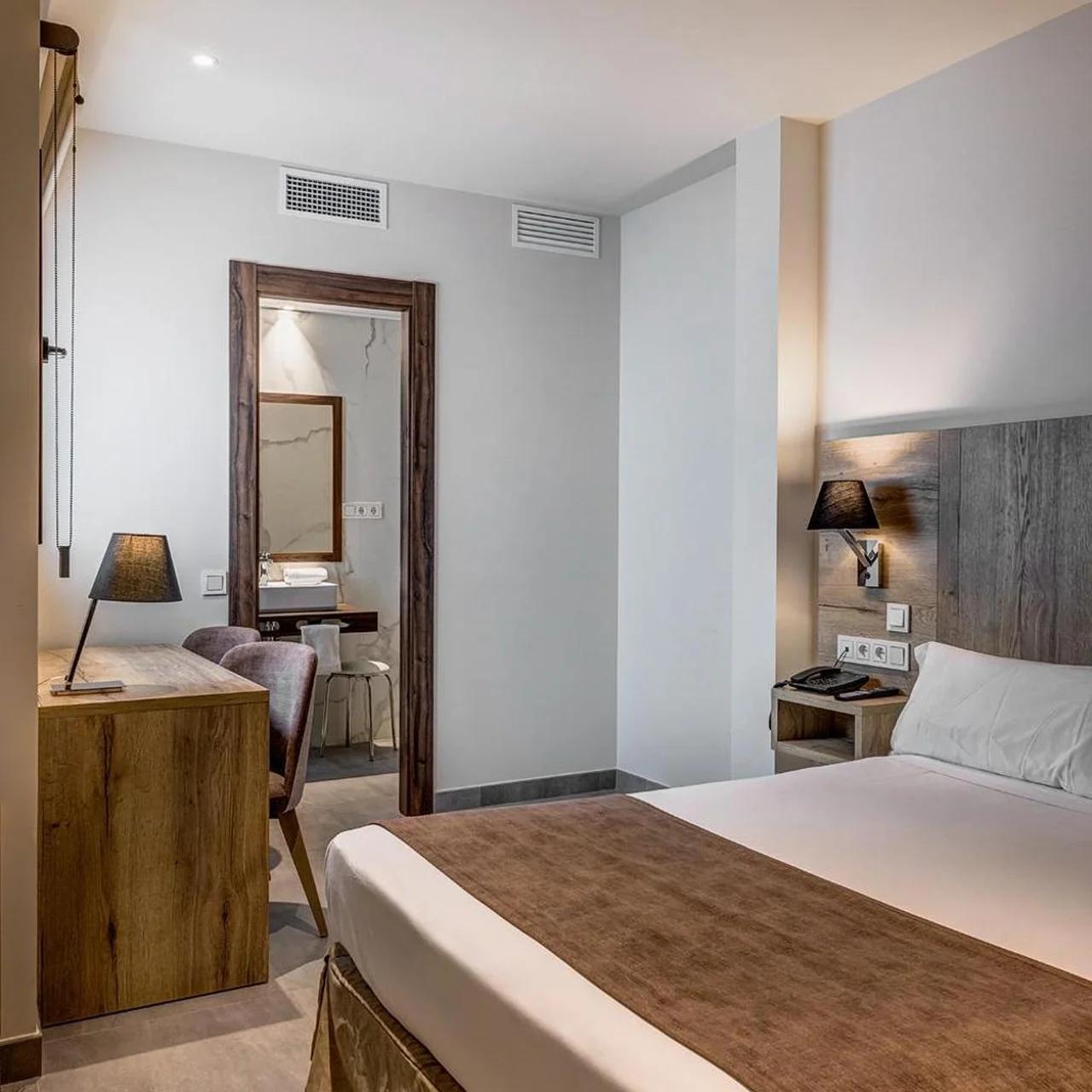
Seville · 50 hotels nearby (showing closest 20)
Photo by Andrea Huls Pareja on Unsplash
About Real Alcázar
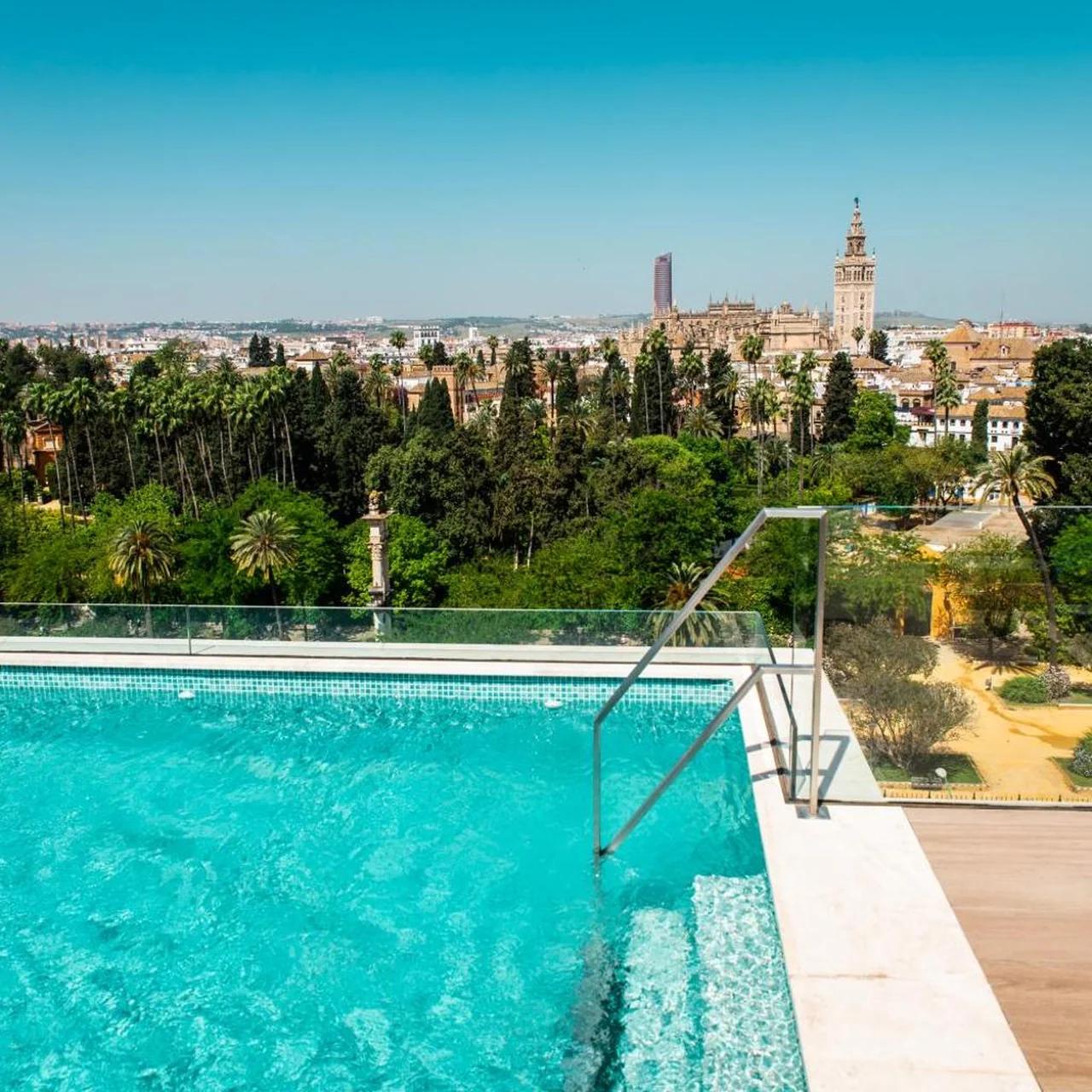
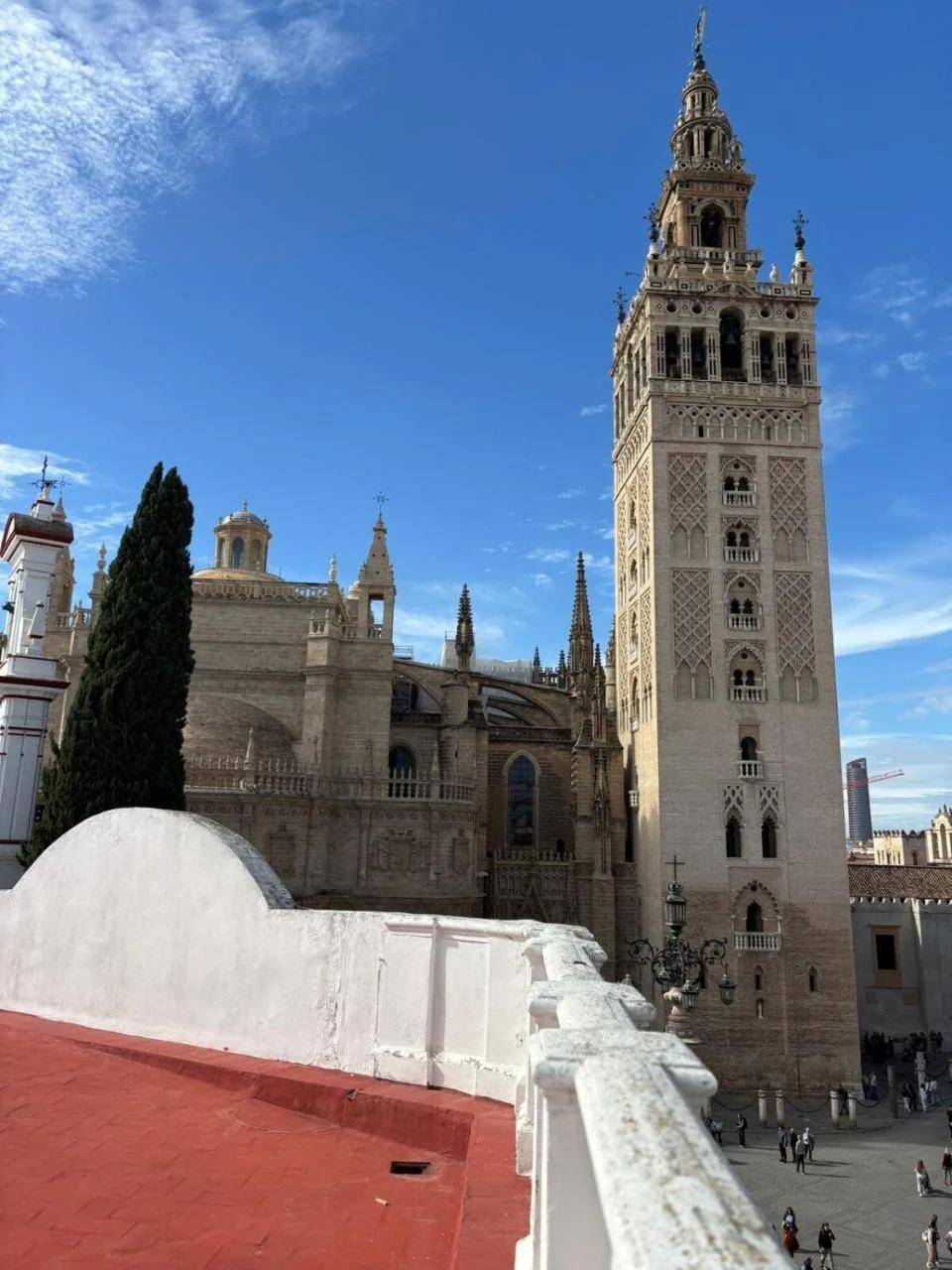
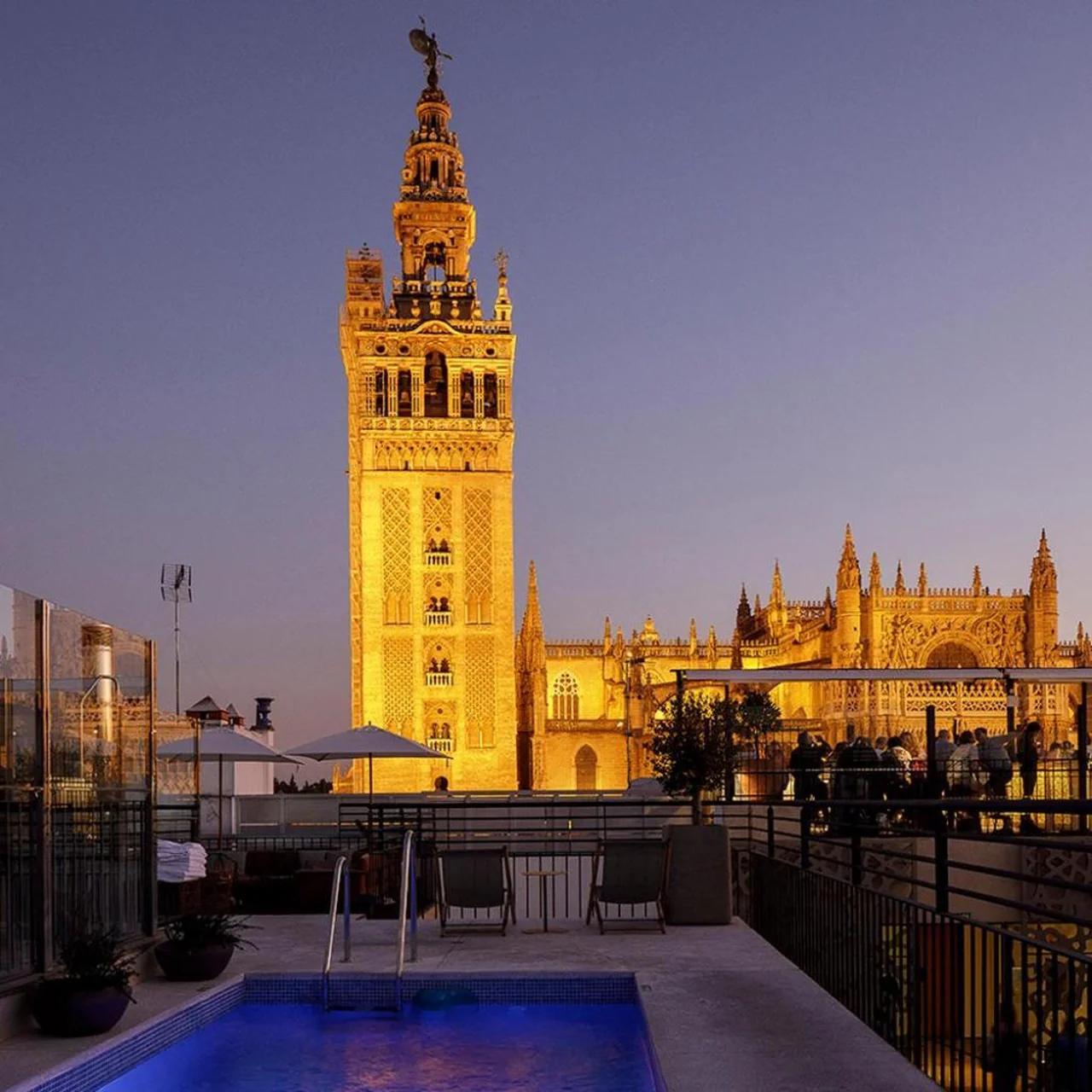
The Real Alcázar of Seville is one of the oldest royal palaces still in use in Europe, a layered complex of courtyards, gardens, and ornate halls that tells the story of Moorish, Gothic, and Renaissance architecture side by side. Located in the heart of Seville's historic center, it sits just steps from the Cathedral and the Giralda tower.
A Palace Built Across Centuries
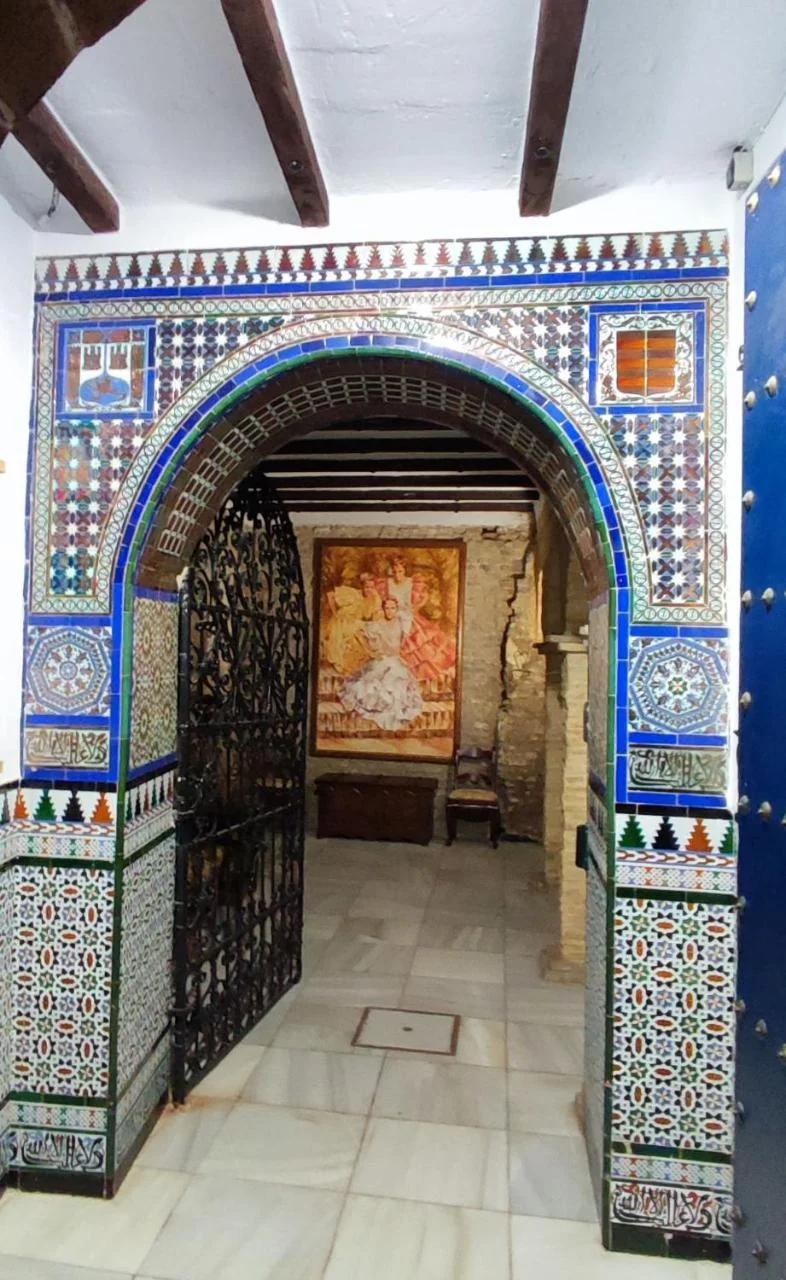
Originally constructed by Moorish rulers in the 10th century, the Alcázar was expanded and transformed by successive Christian kings after the Reconquista. The Mudéjar Palace, commissioned by King Pedro I in the 14th century, is the architectural centerpiece — its intricate tilework, carved plasterwork, and horseshoe arches reflect the skilled craftsmanship of Moorish artisans working under Christian patronage. The upper floors remain an official royal residence used by the Spanish royal family when visiting Seville.
Gardens, Halls, and Hidden Courtyards
Beyond the palace interiors, the Alcázar's gardens stretch across several acres of manicured hedges, fountains, and orange trees. The Patio de las Doncellas, or Courtyard of the Maidens, is a particularly well-preserved example of Mudéjar design. Visitors can also explore the Gothic Hall and the Admiral's Hall, where maps and nautical instruments recall Seville's role in the Age of Exploration.
Practical Tips
- Book tickets online in advance, especially during spring and summer when queues are long.
- The site opens early — arriving at opening time gives you the quietest experience.
- Audio guides are available and add useful historical context.
- The Alcázar is a short walk from Torre del Oro and Seville Cathedral, making it easy to combine in a single day.
- Allow at least 2 hours to explore the palace and gardens properly.
Frequently asked questions
Is the Real Alcázar still used as a royal residence?
Yes. The upper floors of the Real Alcázar serve as an official residence for the Spanish royal family during their visits to Seville, making it one of the few royal palaces in Europe still actively used by a reigning monarchy.
How long does a visit to the Real Alcázar typically take?
Most visitors spend between 1.5 and 3 hours exploring the palace rooms, courtyards, and gardens. If you plan to visit the gardens thoroughly, allow closer to 2.5 to 3 hours.
Do I need to book tickets in advance?
Advance booking is strongly recommended, particularly from March through October. Tickets sell out quickly during peak season, and online booking lets you choose a specific entry time slot.
What architectural styles can I see at the Real Alcázar?
The complex showcases Moorish, Mudéjar, Gothic, and Renaissance styles, reflecting the many rulers who expanded and modified it over several centuries. The Mudéjar Palace, built in the 14th century, is considered the highlight.
Hotels nearby