
Hotels in Triana, Seville
19 hotels · 8 nearby attractions· Part of Seville
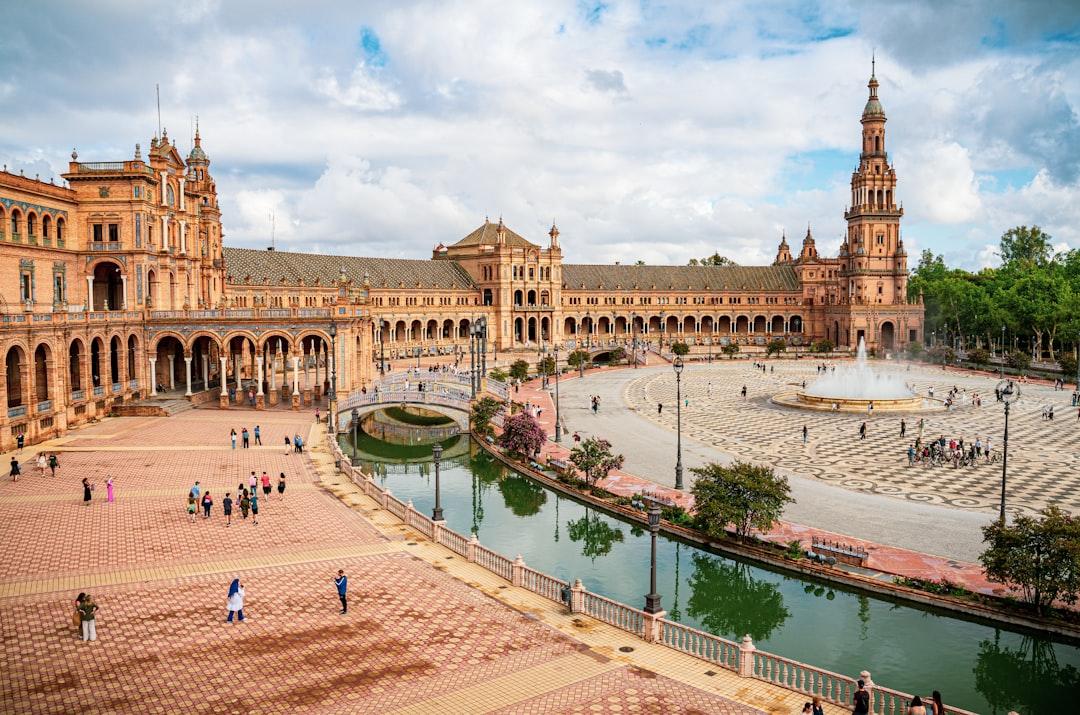
Photo by Lothar Boris Piltz on Unsplash
About Triana
Triana is one of Seville's most characterful districts, sitting on the west bank of the Guadalquivir River directly opposite the city's historic core. Long considered a world apart from the rest of Seville, this former working-class neighborhood has shaped Andalusian culture in ways that far exceed its modest size — from flamenco traditions to the art of hand-painted ceramics.
A Neighborhood Rooted in Flamenco and Gypsy Heritage
Triana has historically been home to Seville's Roma community, and this heritage runs deep in the district's identity. The neighborhood is widely regarded as one of the birthplaces of flamenco, and its streets and tablaos still carry that legacy. The Centro Andaluz de Flamenco may be located in Jerez, but Triana's local peñas and intimate venues offer some of the most authentic flamenco experiences in the city. Calle Betis, which runs along the riverbank, is lined with bars and restaurants where live music is a regular feature.
Ceramics, Markets, and Riverside Life
Triana has been a center of ceramic production since at least the medieval period, when its kilns supplied tiles for buildings across Andalusia — including the Real Alcázar. Today, several family-run workshops and shops along Calle Alfarería and Calle San Jorge continue this craft, selling hand-painted azulejos in traditional geometric and floral patterns. The Mercado de Triana, housed inside a converted 19th-century castle structure near the Isabel II Bridge, is a lively covered market offering fresh produce, local cheeses, olives, and prepared foods. It's an ideal spot to experience everyday Sevillano life.
Crossing the River: Location and Access
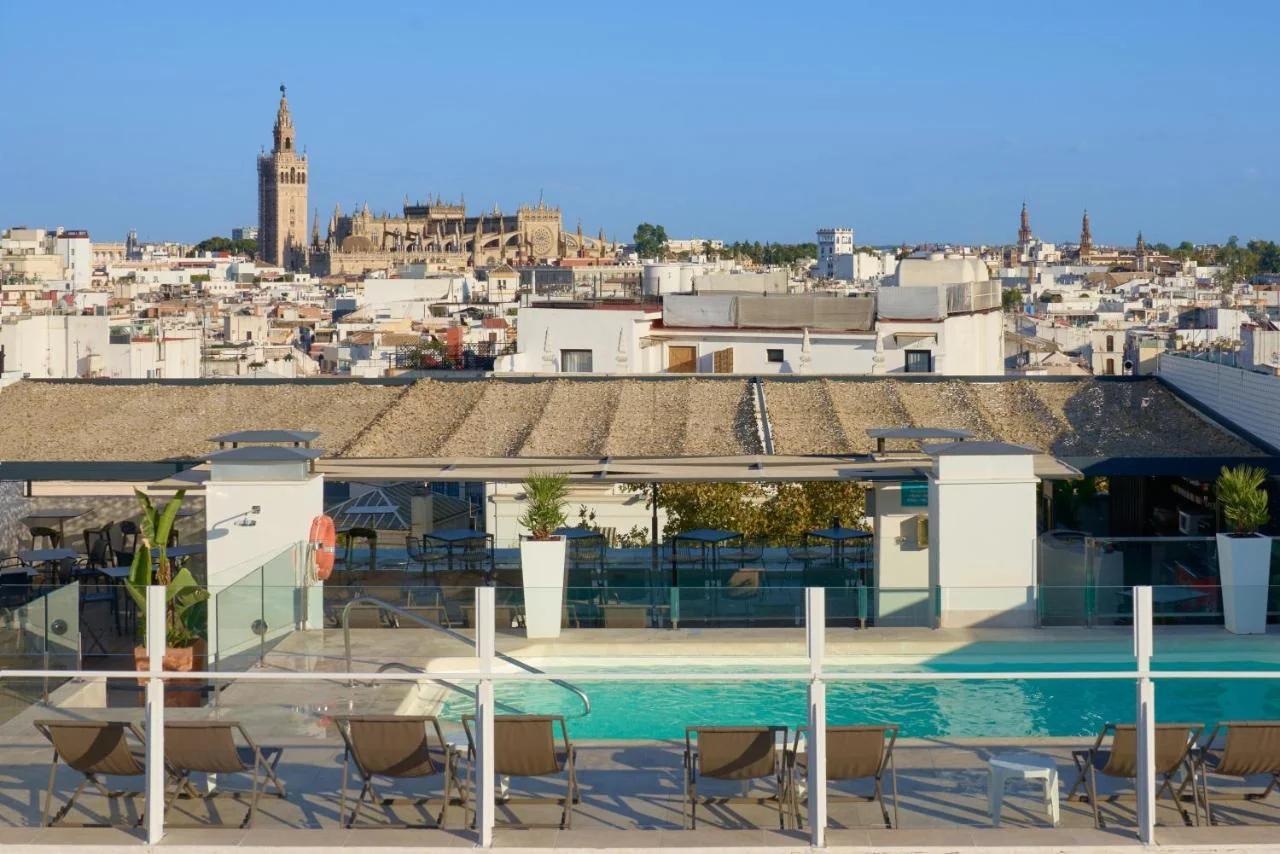
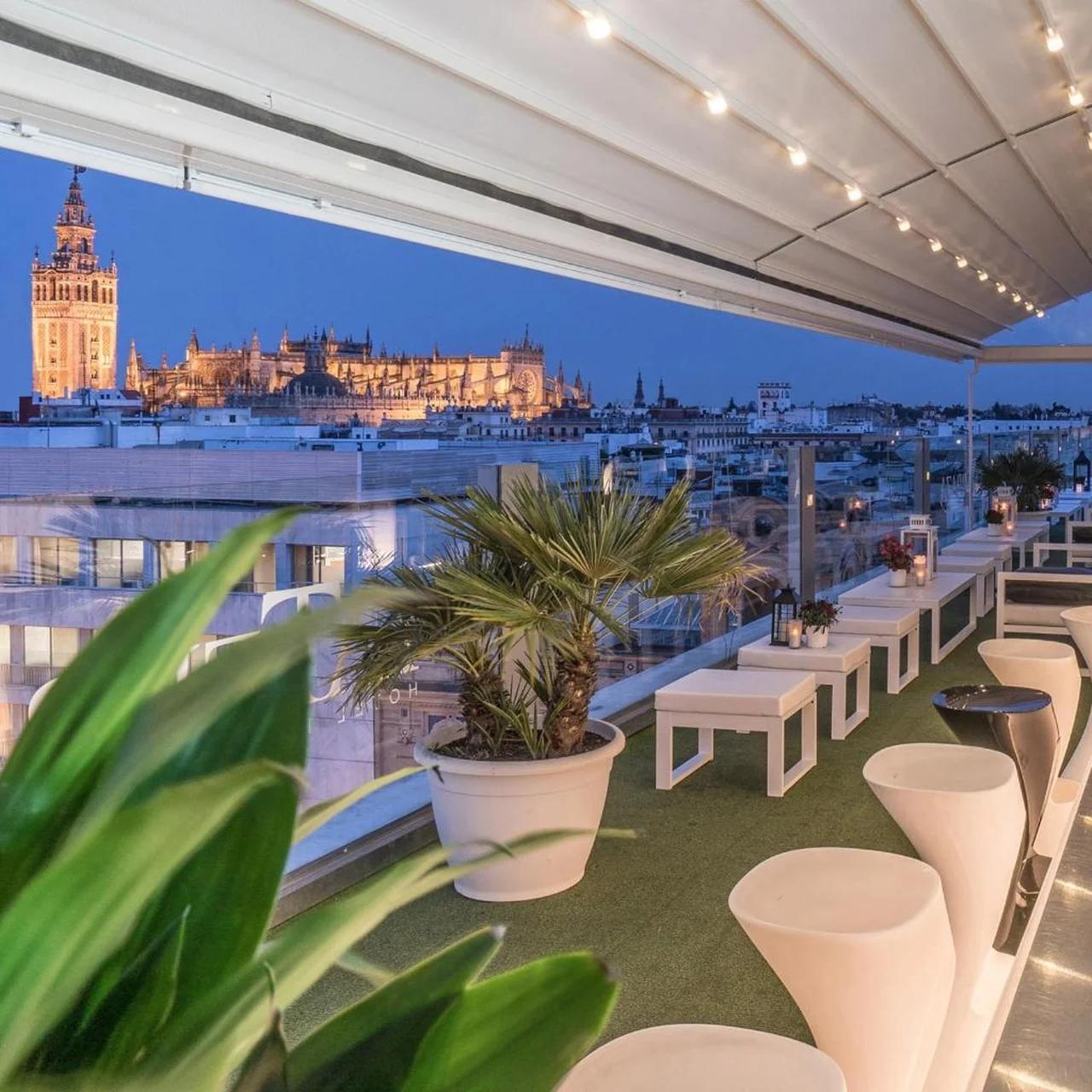
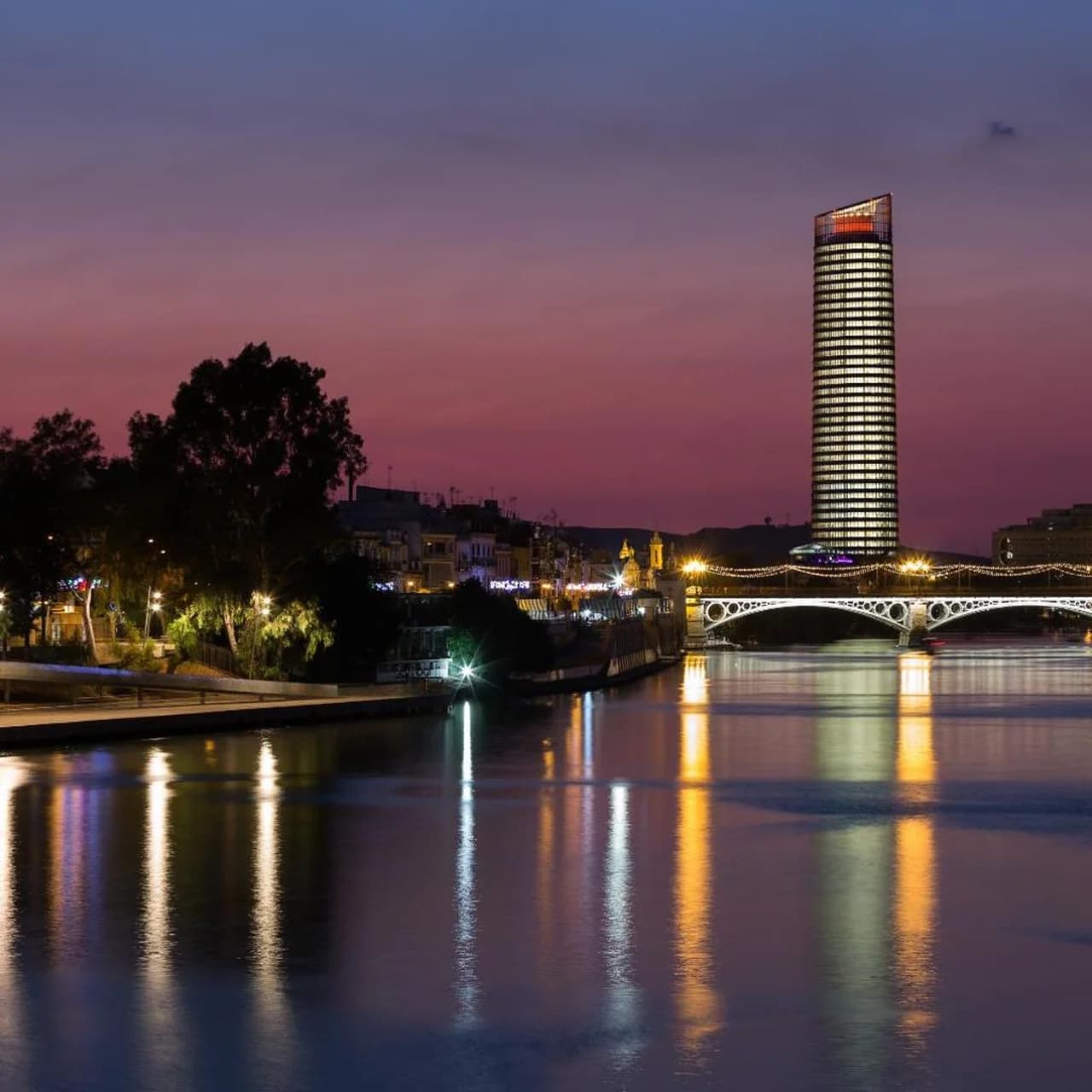
Triana is easily reached on foot from the city center via the Puente de Isabel II (also called the Triana Bridge), a cast-iron bridge completed in 1852. The Torre del Oro, Seville Cathedral, and the Giralda are all visible from the riverbank promenade, making the walk between districts a pleasure in itself. The Metropol Parasol and the Real Alcázar are both within a short distance once you cross back into the historic center.
Practical Tips
- Best time to visit: Morning hours are ideal for the Mercado de Triana and ceramic workshops. Evenings come alive along Calle Betis.
- Getting there: Walk across the Puente de Isabel II from the city center, or take the C1 or C2 circular bus lines.
- Ceramics shopping: Look for pieces marked as locally made — authentic Triana ceramics typically carry the name of the workshop.
- Dining: The riverside bars on Calle Betis offer views of the Torre del Oro and are popular for evening tapas and drinks.
Frequently Asked Questions
Q: What is Triana known for? A: Triana is known for its deep flamenco roots, its long tradition of ceramic tile production, and its distinct identity as a historic working-class neighborhood on the west bank of the Guadalquivir.
Q: How do you get to Triana from Seville's city center? A: The most direct route is on foot across the Puente de Isabel II, which connects the historic center to Triana in just a few minutes.
Q: Where can I buy authentic Triana ceramics? A: Several workshops and shops along Calle Alfarería and Calle San Jorge sell hand-painted tiles and pottery made using traditional techniques. Look for family-run establishments with on-site production.
Q: Is Triana good for nightlife? A: Yes. Calle Betis is one of Seville's most popular streets for evening socializing, with a range of bars, restaurants, and occasional live flamenco performances along the riverfront.
Q: Is Triana suitable for a half-day visit? A: Absolutely. A half-day gives enough time to explore the market, browse ceramic shops, walk along the riverbank, and enjoy a meal or drink before heading back to the city center.
Nearby attractions


Part of Seville
Hotels in Triana