Hotels in Andalusia
5 cities · 560 hotels
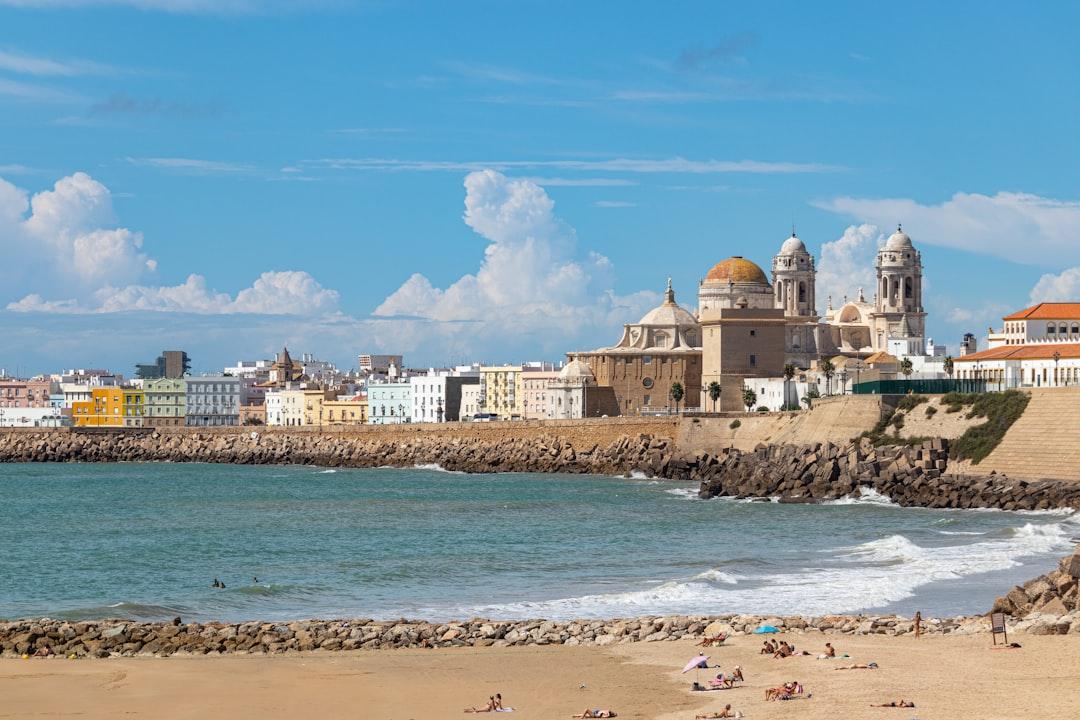
Photo by Jorge Fernández Salas on Unsplash
Andalusia Travel Guide: Southern Spain's Most Storied Region
Andalusia stretches across the southern tip of Spain, bordered by the Atlantic Ocean to the west, the Mediterranean Sea to the south, and the Sierra Nevada mountains to the east. Home to eight provinces and some of Europe's most historically layered cities, this autonomous region blends Moorish architecture, flamenco culture, sun-soaked coastlines, and fertile olive groves into a destination that rewards every type of traveler.
History and Culture
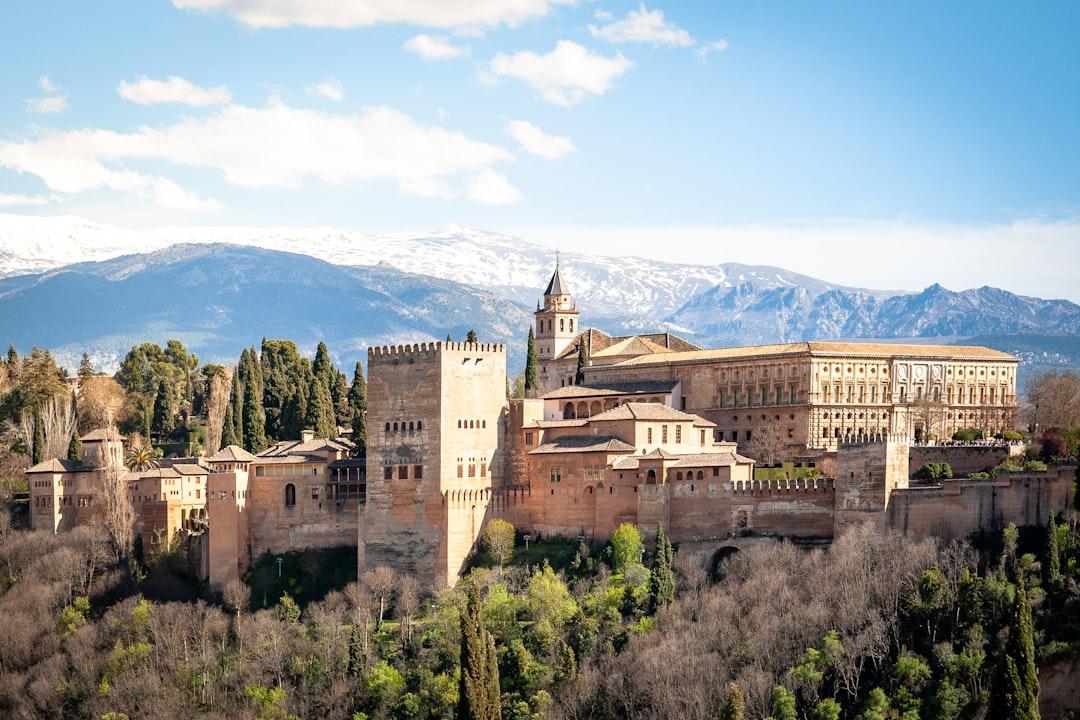
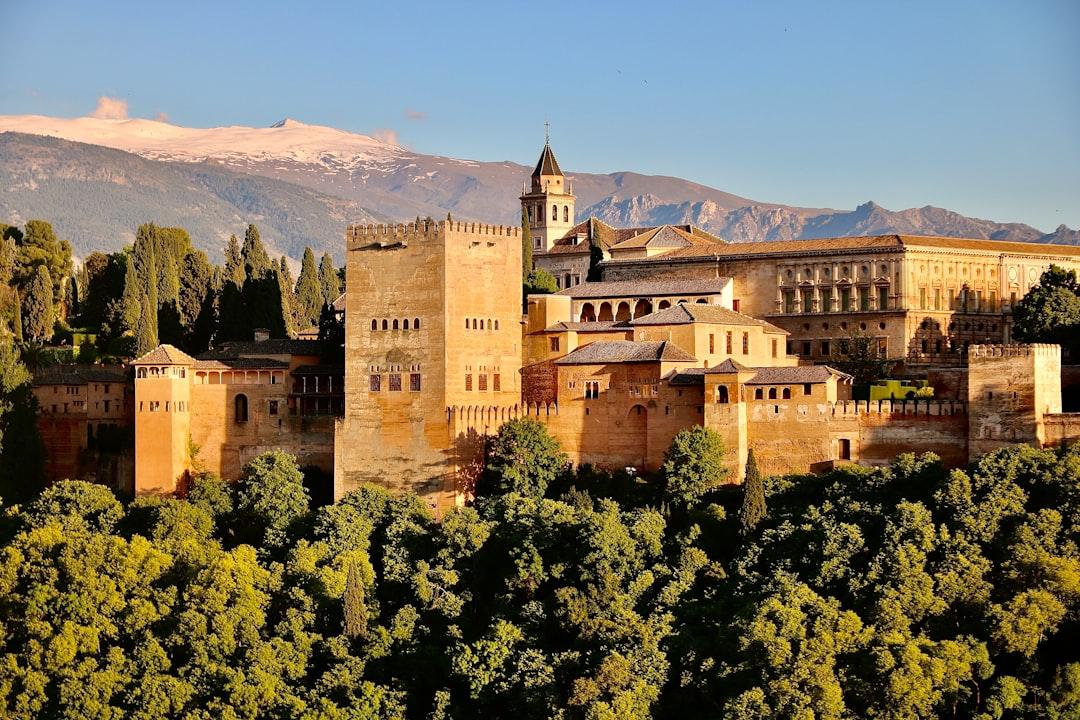
Andalusia served as the heartland of Al-Andalus, the medieval Islamic civilization that shaped Iberian culture for nearly eight centuries. The legacy of Moorish, Christian, and Jewish coexistence — known as convivencia — is visible across the region's cities. Granada's Alhambra palace complex, Córdoba's Mezquita cathedral, and Seville's Alcázar are among the most visited historic monuments in Spain, each telling a distinct chapter of this layered past. Flamenco, recognized by UNESCO as an Intangible Cultural Heritage, originated in Andalusia and remains deeply embedded in daily life, from intimate tablaos in Seville's Triana neighborhood to open-air performances during local festivals.
Key Cities to Explore
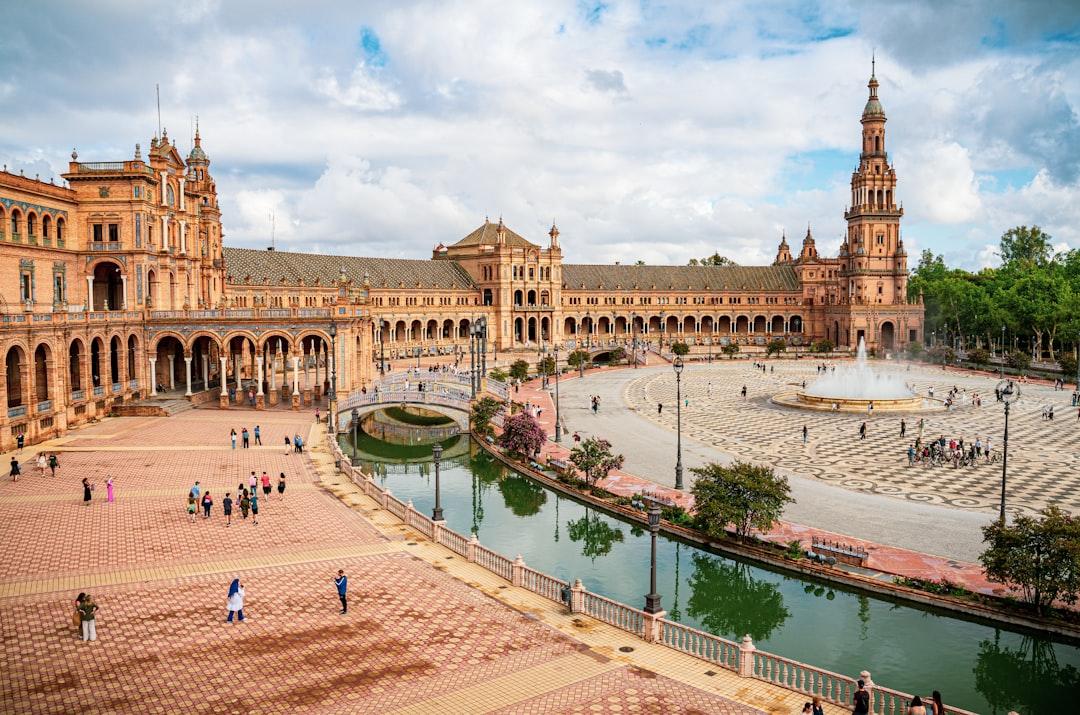
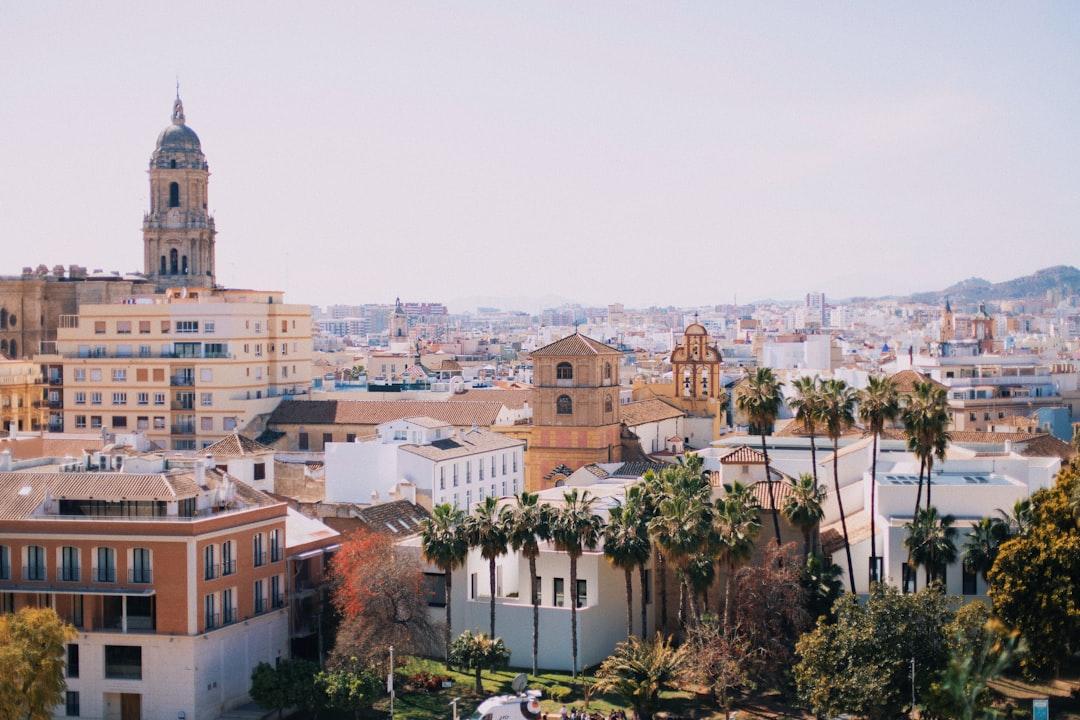
Seville, the regional capital, is home to the world's largest Gothic cathedral, a vibrant tapas culture, and the annual Feria de Abril festival. Granada sits at the foot of the Sierra Nevada and draws visitors year-round to the Alhambra, one of the best-preserved examples of Moorish palatial architecture in the world. Málaga, a port city on the Costa del Sol, has grown into a cultural hub with more than 30 museums — including the Picasso Museum, dedicated to the artist born there in 1881. Smaller cities like Ronda, perched above a dramatic gorge, and the whitewashed hilltop town of Arcos de la Frontera offer a quieter side of Andalusian life.
Landscapes and Outdoor Activities
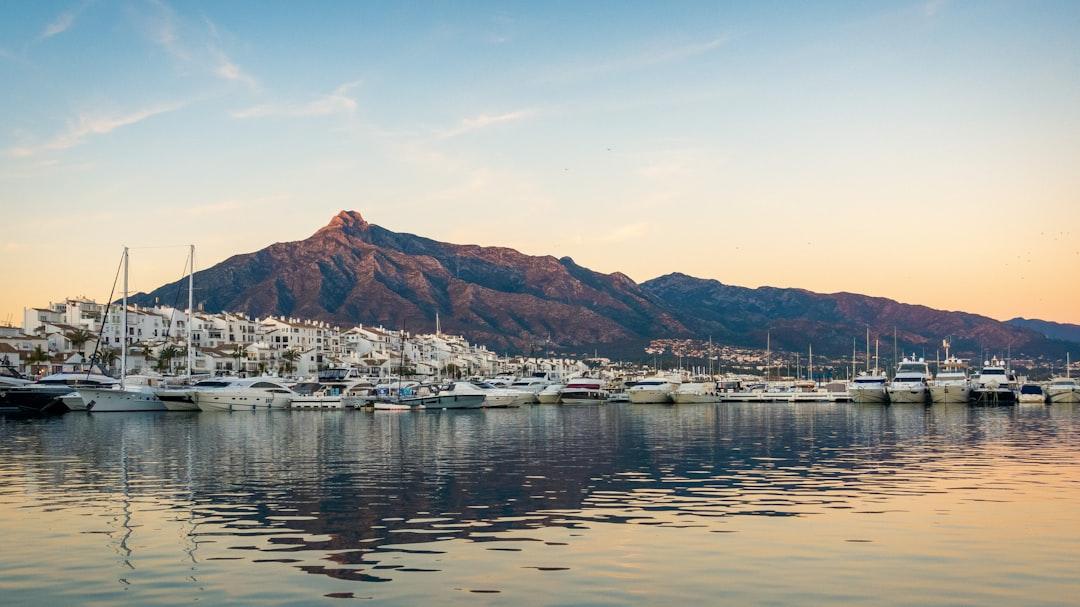
Beyond the cities, Andalusia offers remarkable natural variety. The Sierra Nevada National Park, southeast of Granada, contains mainland Spain's highest peak, Mulhacén, at 3,479 meters, and supports skiing in winter and hiking in summer. The Doñana National Park, a UNESCO World Heritage Site near Huelva, protects one of Europe's most important wetland ecosystems and serves as a critical habitat for migratory birds and the endangered Iberian lynx. Along the coast, the Costa del Sol offers over 300 days of sunshine annually, while the lesser-visited Costa de la Luz faces the Atlantic with wide, wind-swept beaches popular with kitesurfers.
Practical Tips
- Best time to visit: Spring (March–May) and autumn (September–November) offer mild temperatures and fewer crowds. Summers are intensely hot, particularly inland, with temperatures regularly exceeding 40°C in Seville.
- Getting around: A high-speed AVE train connects Seville and Málaga to Madrid. Buses are the most practical option for smaller towns. Renting a car gives the most flexibility for rural areas.
- Food and drink: Andalusia is the birthplace of tapas culture. Look for local specialties like salmorejo (a thick cold tomato soup), pescaíto frito (fried fish), and jamón ibérico from the Jabugo region. Sherry (Jerez) wine originates here.
- Language: Spanish is the official language. English is widely spoken in tourist areas.
- Currency: Euro (€).
FAQ
Q: What is Andalusia best known for? A: Andalusia is best known for its Moorish architectural heritage, flamenco music and dance, historic cities like Seville, Granada, and Córdoba, and its Mediterranean and Atlantic coastlines.
Q: How many days do you need in Andalusia? A: Most travelers spend between 7 and 14 days to cover the main cities and at least one natural area. A focused trip to two or three cities can work well in 5–7 days.
Q: Is Andalusia expensive to visit? A: Andalusia is generally more affordable than northern Spain or other Western European destinations. Accommodation, food, and transport costs are moderate, though peak-season prices in coastal resorts can rise significantly.
Q: What language is spoken in Andalusia? A: Spanish (Castilian) is the official language. Andalusian Spanish has a distinct regional accent. English is commonly understood in tourist areas.
Q: When is the best time to visit Andalusia? A: Spring and autumn are the most comfortable seasons. Summers are extremely hot inland, while winters are mild along the coast but can be cold in mountain areas.
Q: Do I need a visa to visit Andalusia? A: Andalusia is part of Spain, which is a member of the Schengen Area. EU citizens travel freely; visitors from many other countries, including the US, UK, and Canada, can enter without a visa for stays up to 90 days.