Skip to content
Granada

Hotels in Granada

28 hotels across 0 neighborhoods

Granada: discover the best hotels and travel tips for your stay.

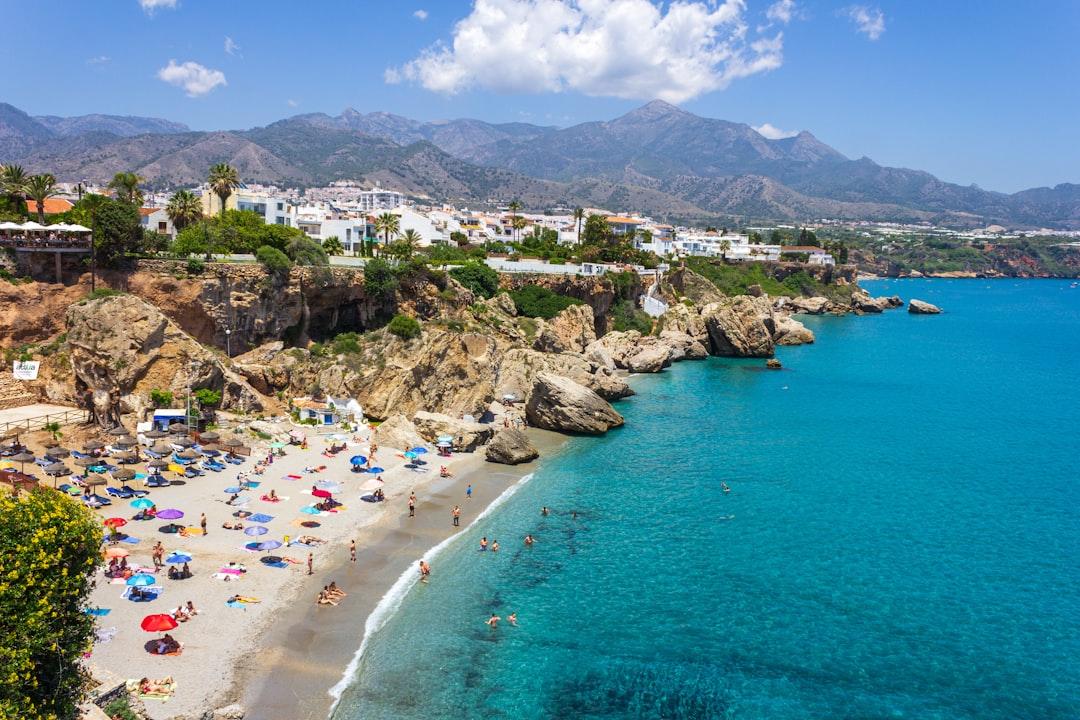
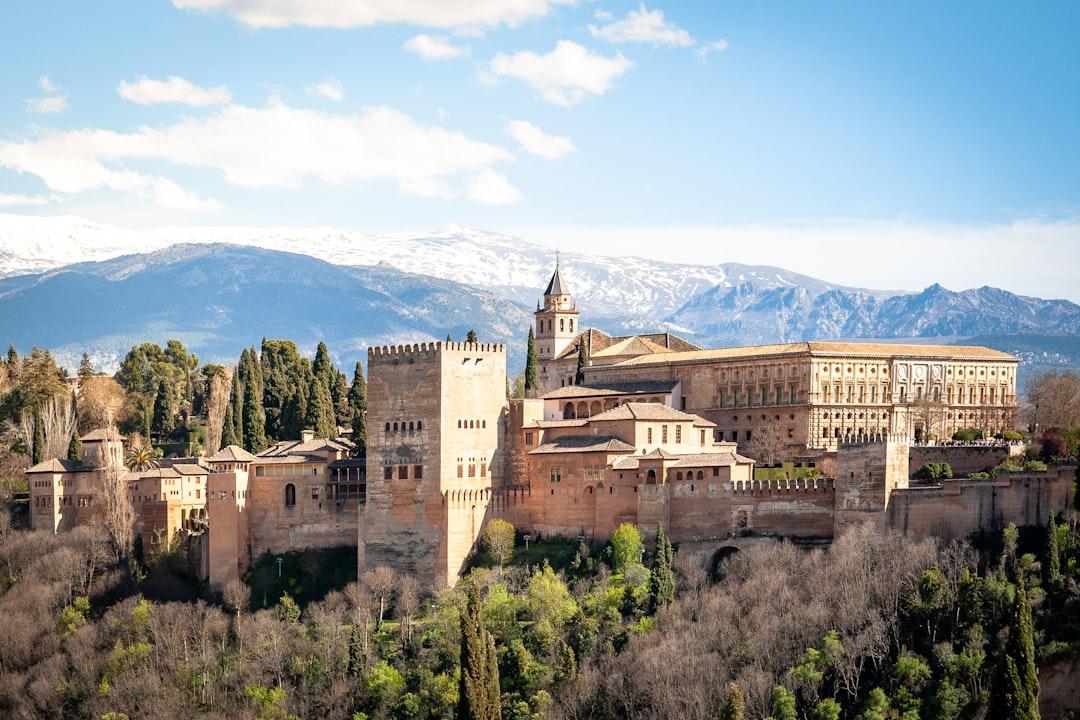
Photo by Dimitry B on Unsplash

0 neighborhoods8 points of interest6 curated listsCountry: Spain

About Granada

Granada sits at the foot of the Sierra Nevada mountains in Andalusia, southern Spain, where Moorish, Christian, and Jewish histories have layered themselves into a city unlike any other on the Iberian Peninsula. From the red-walled fortress of the Alhambra rising above the rooftops to the cave dwellings of Sacromonte echoing with flamenco, Granada rewards visitors with a depth of culture, architecture, and atmosphere that few Spanish cities can match.

The Alhambra and Generalife Gardens

No visit to Granada is complete without time spent at the Alhambra, the medieval Nasrid palace and fortress complex that draws visitors from across the world. Built primarily between the 13th and 14th centuries, the Alhambra is one of the finest surviving examples of Moorish architecture in Europe, with its intricate geometric tilework, carved stucco walls, and arcaded courtyards designed to evoke paradise on earth. Tickets sell out weeks in advance, especially for the Nasrid Palaces section, so booking early is strongly advised.

Directly adjacent to the Alhambra, the Generalife Gardens served as the summer retreat of the Nasrid sultans. Terraced pathways, water channels, rose beds, and cypress trees create a composed, peaceful environment with views across the city. The combination of the palace complex and gardens can easily fill a full day.

The Albaicín, Sacromonte, and the Historic Centre

Across the Darro River from the Alhambra, the Albaicín is Granada's oldest surviving neighbourhood, a UNESCO World Heritage Site of whitewashed houses, narrow cobbled lanes, and Moorish-era carmenes — walled garden homes unique to Granada. The Mirador de San Nicolás viewpoint in the Albaicín offers one of the most photographed views of the Alhambra, particularly at dusk when the fortress is bathed in warm light.

Climbing further into the hillside brings you to Sacromonte, the traditional neighbourhood of Granada's Roma community, known for its cave houses carved into the hillside and its association with flamenco. Several venues here offer live flamenco performances in intimate cave settings, giving visitors direct access to an art form deeply rooted in Andalusian culture.

In the lower city, Granada Cathedral is a large Renaissance structure begun in the 16th century on the site of the former Great Mosque. Attached to it is the Royal Chapel, the mausoleum of the Catholic Monarchs Ferdinand and Isabella, whose reign ended Moorish rule in Granada in 1492. Both are significant historical landmarks and worth a visit for context on the city's layered past.

Where to Stay in Granada

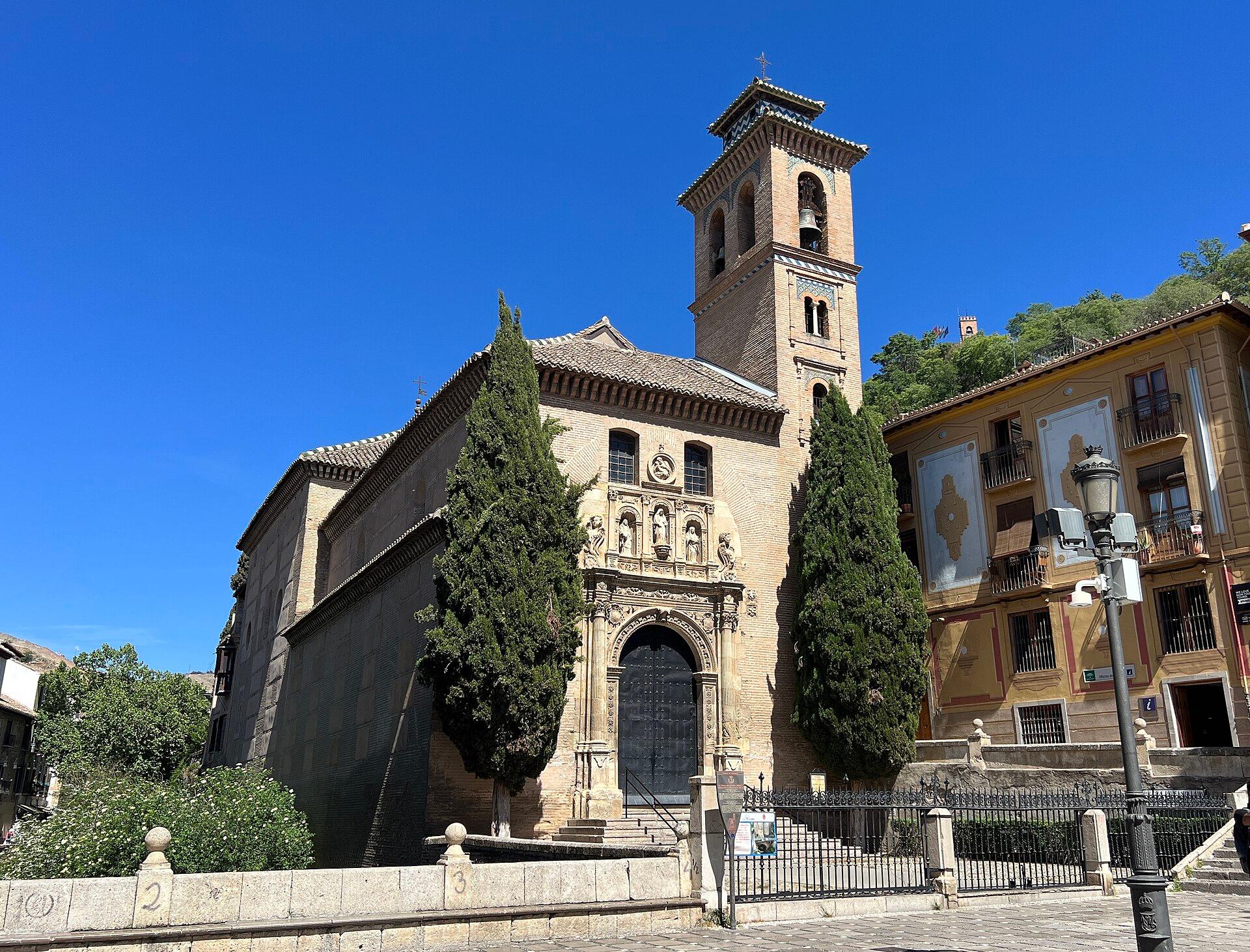
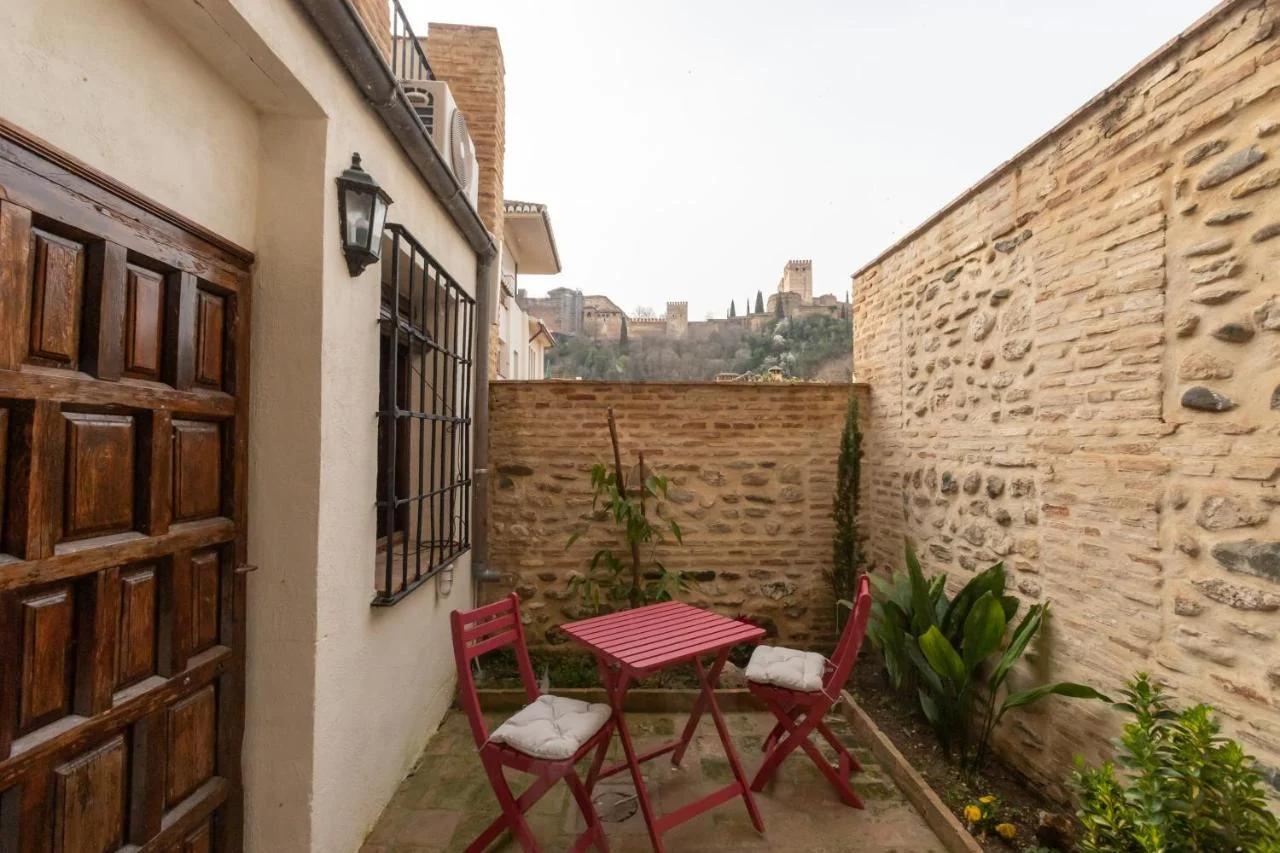
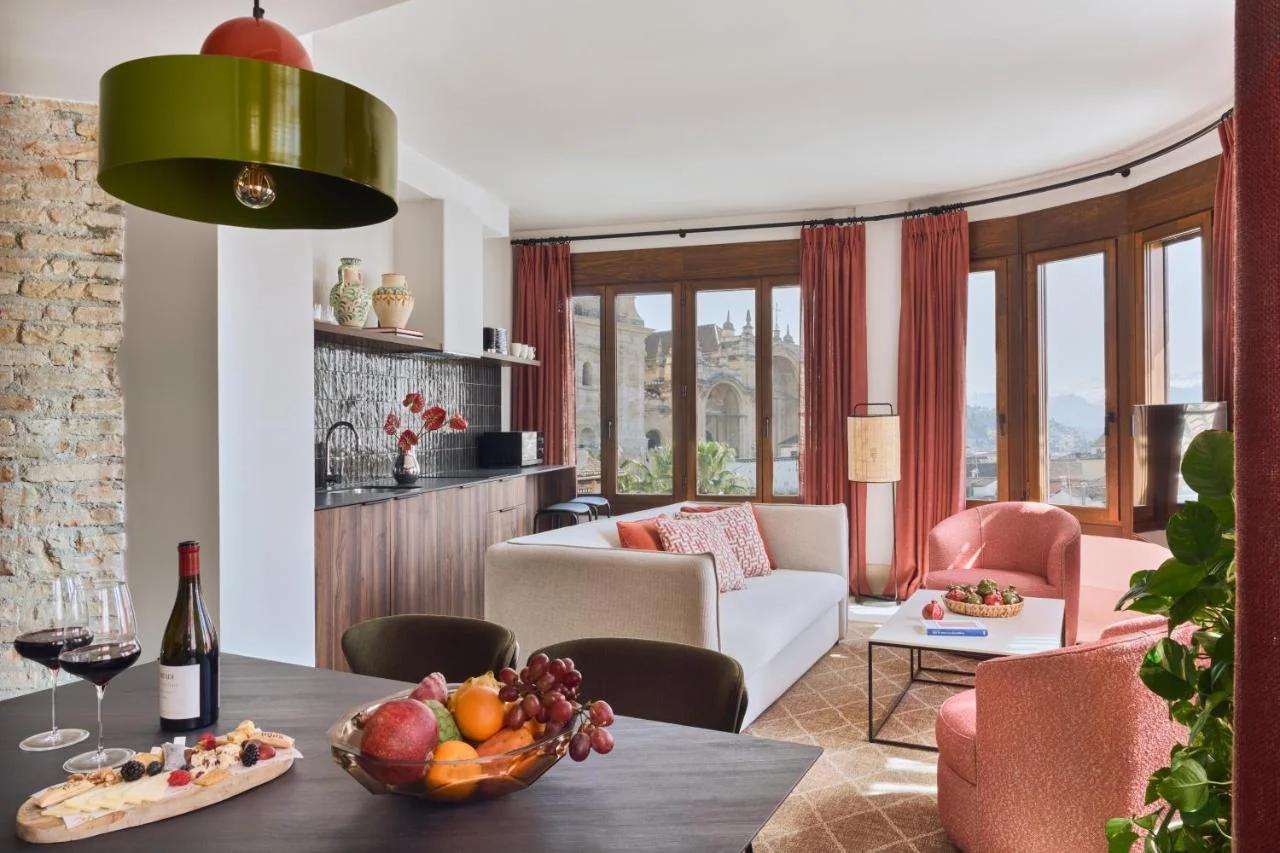
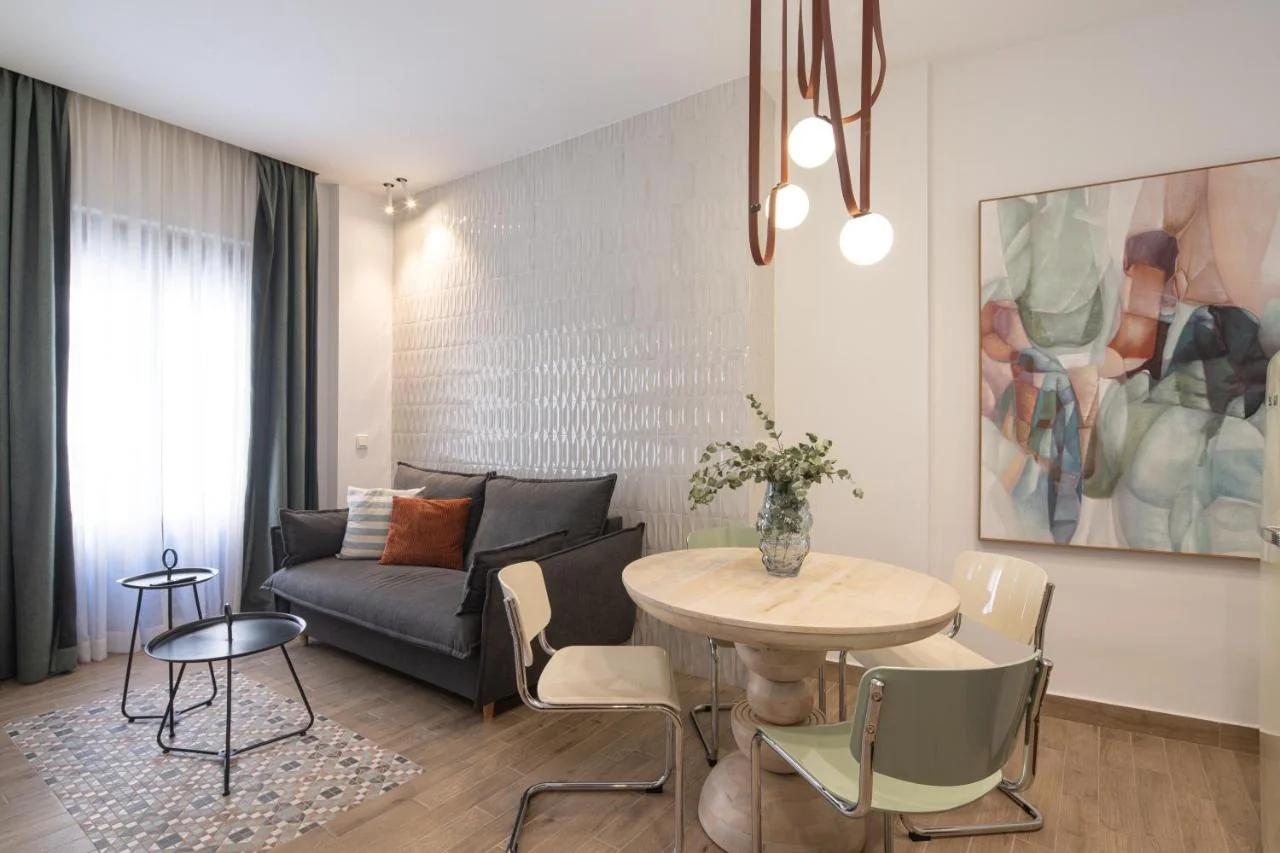
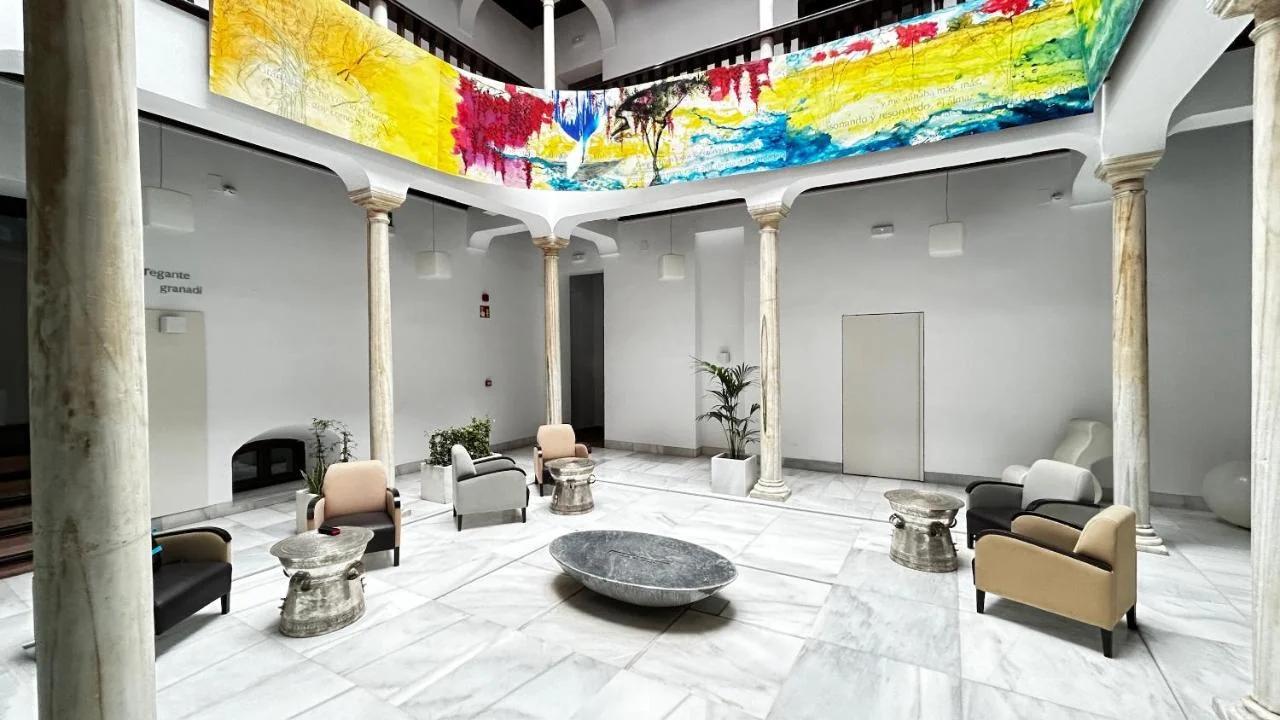
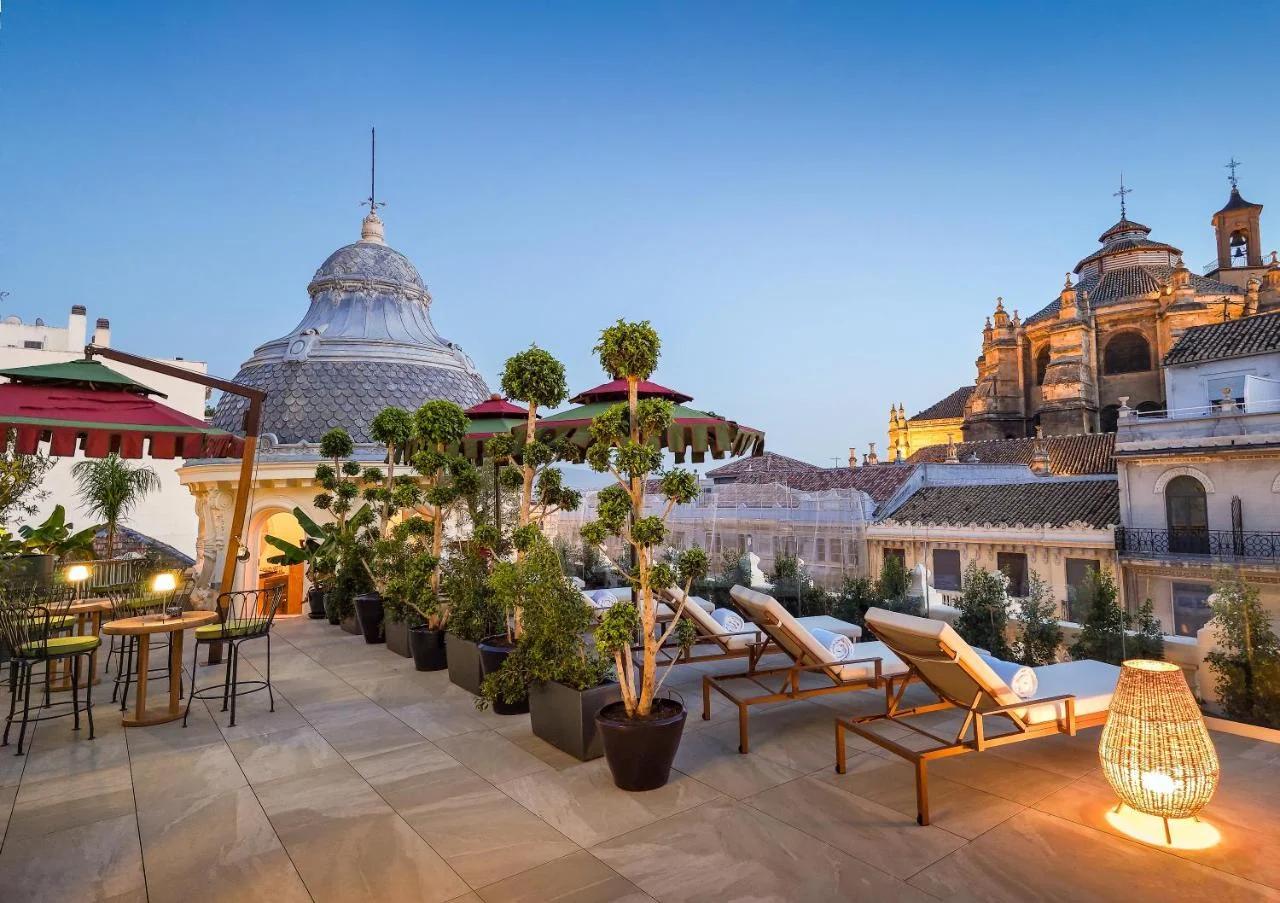
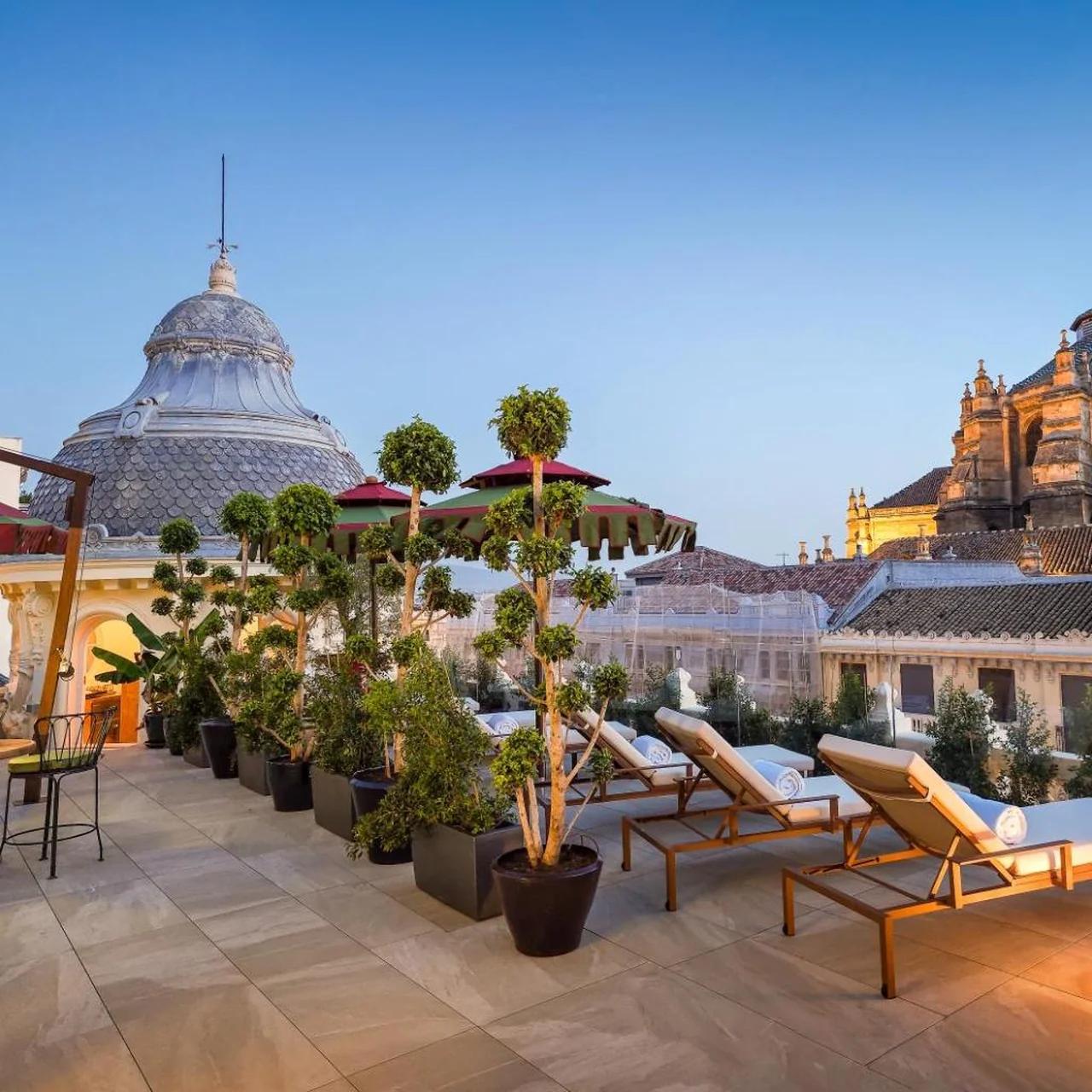
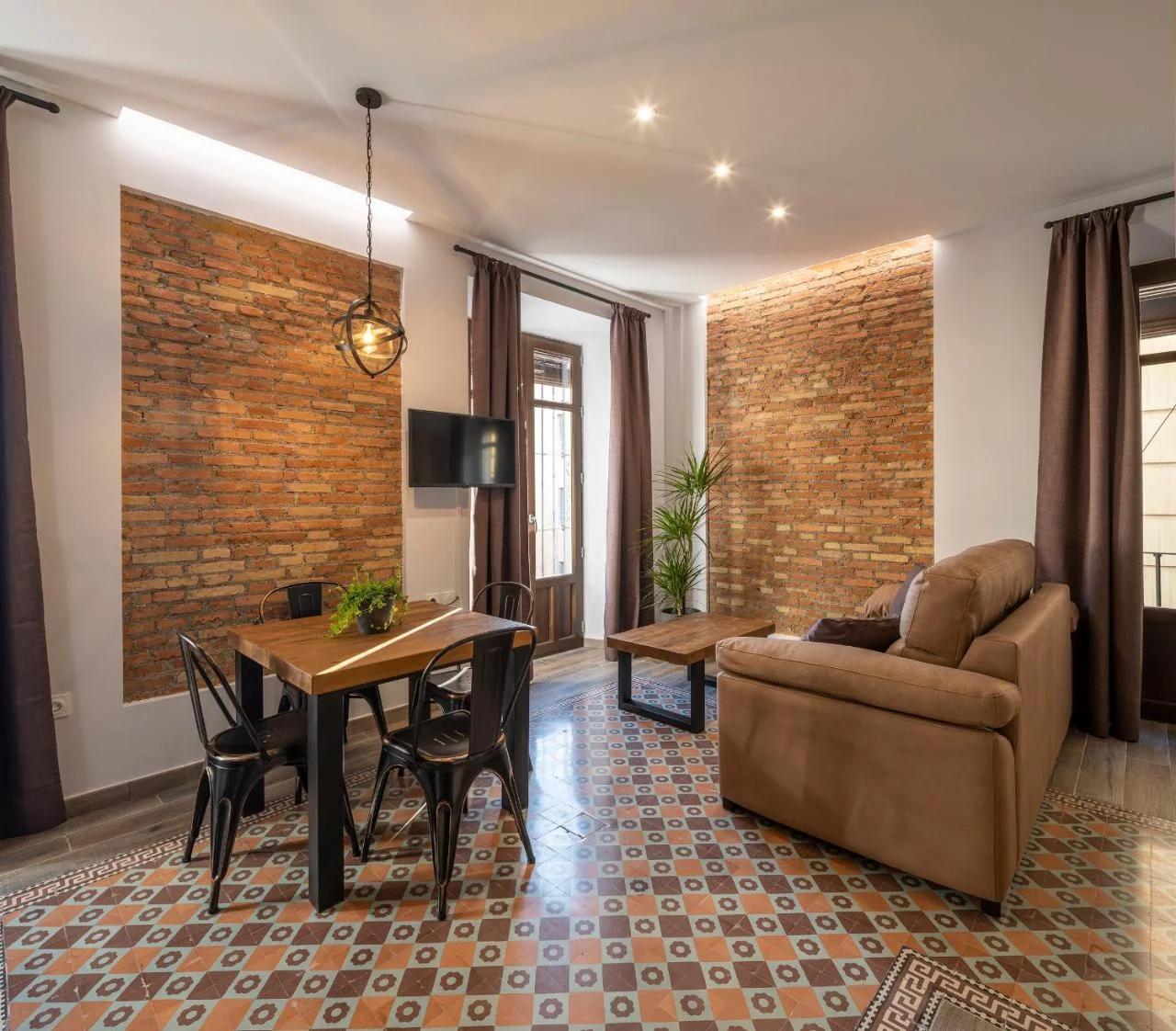
Accommodation in Granada covers a broad range of styles and budgets. Boutique hotels in Granada are often housed in restored historic buildings, offering individually designed rooms and a strong sense of place. For travellers seeking proximity to the main sights, hotels near the Alhambra place you within walking distance of the fortress and the Albaicín. Hotels in the Albaicín neighbourhood itself tend to be smaller and more characterful, with some offering terrace views across to the palace complex — making them popular choices for romantic hotels in Granada. Budget hotels in Granada are concentrated in the city centre and around the university district, where rates are more accessible without sacrificing convenience.

Practical Tips for Visiting Granada

  • Alhambra tickets: Book online well in advance through the official website. Timed entry slots for the Nasrid Palaces fill up quickly, especially from March to October.
  • Getting there: Granada Airport connects the city to several European destinations, while Granada Train Station offers rail links to Madrid, Barcelona, and other Spanish cities. High-speed AVE trains have significantly reduced journey times in recent years.
  • Getting around: The city centre and the Albaicín are best explored on foot. A local bus (the C3 minibus) runs up to the Albaicín and Sacromonte if the steep hills become tiring.
  • Free tapas culture: Granada is one of the few Spanish cities where bars still serve a free tapa with every drink ordered. This tradition is a genuine part of local life and a cost-effective way to eat well.
  • Best time to visit: Spring (April to June) and autumn (September to November) offer mild temperatures and fewer crowds than peak summer. July and August can be very hot, with daytime temperatures regularly exceeding 35°C.
  • Sierra Nevada access: Granada serves as the gateway to the Sierra Nevada National Park and ski resort, which is accessible year-round for hiking and in winter for skiing.