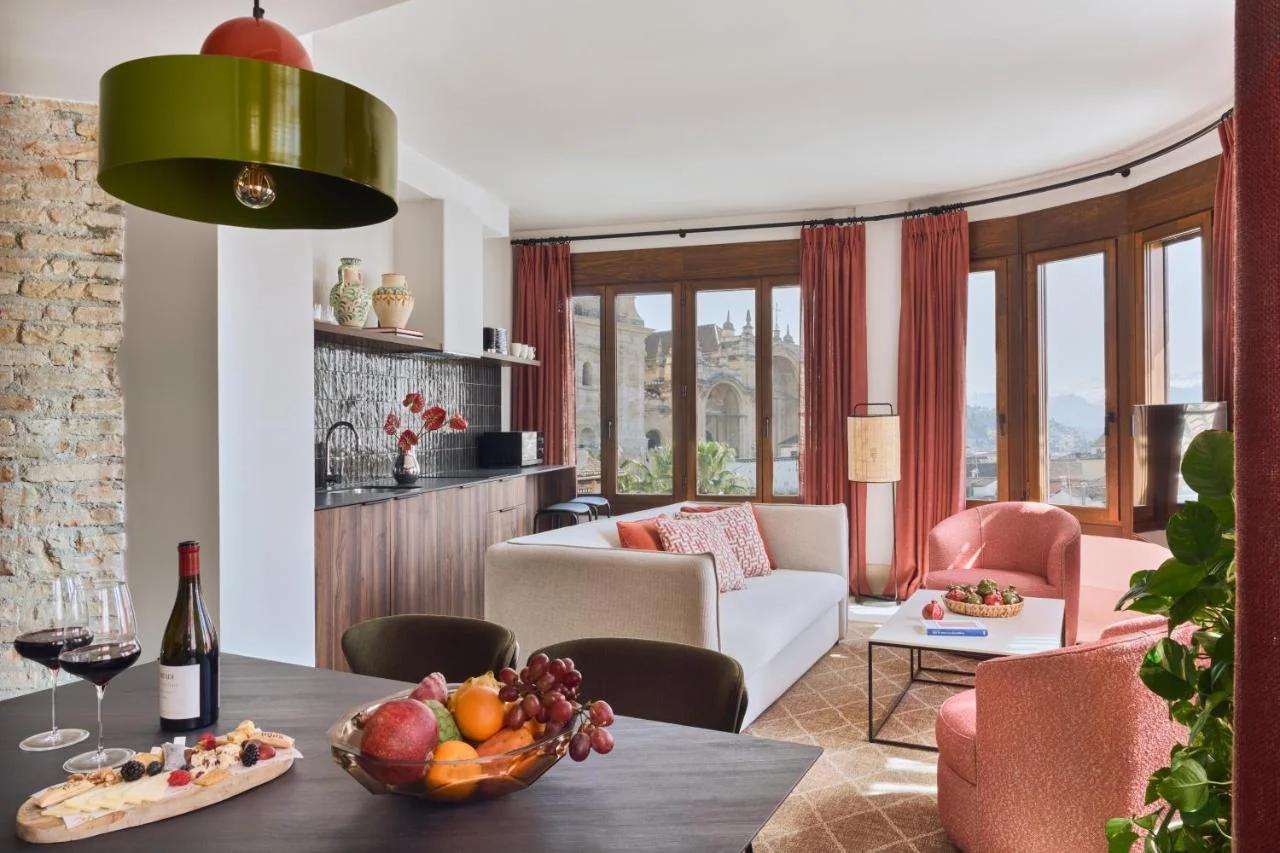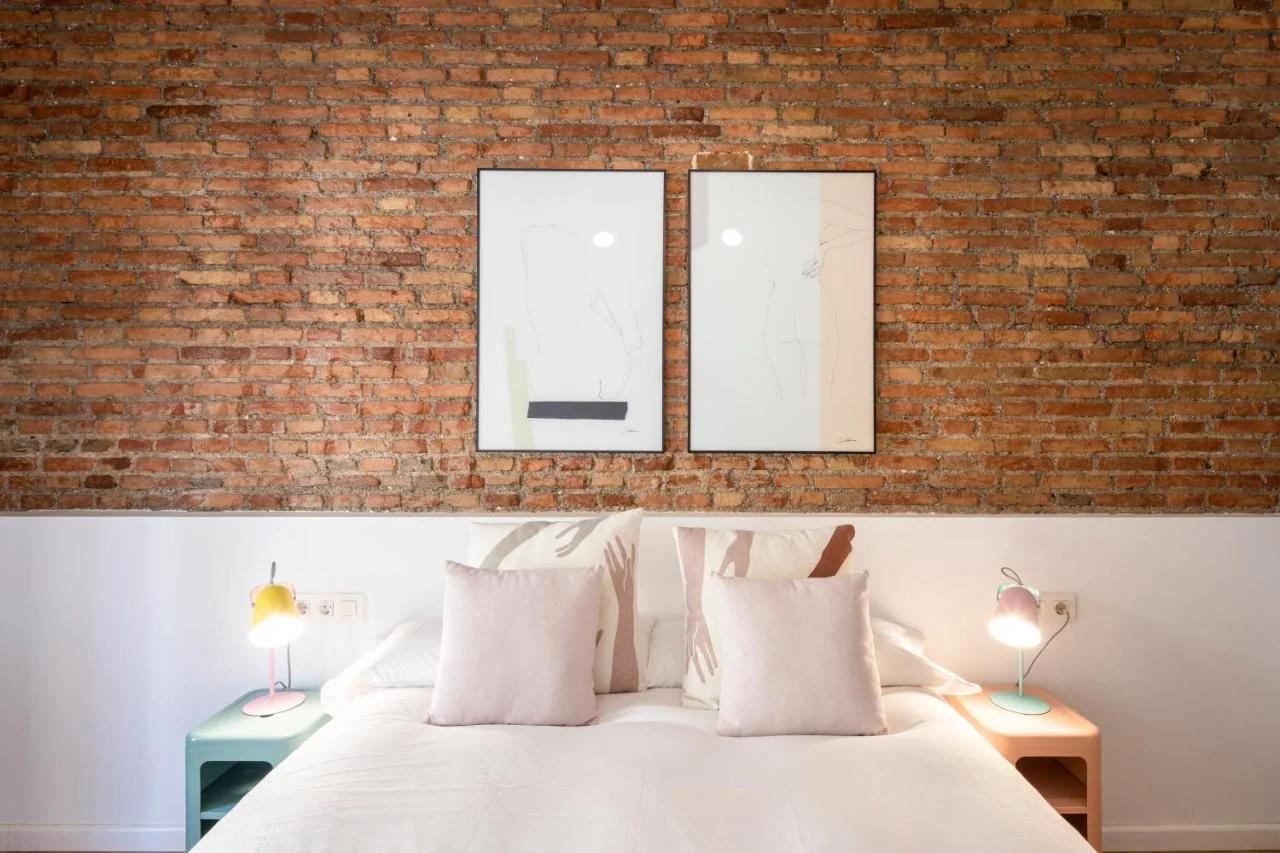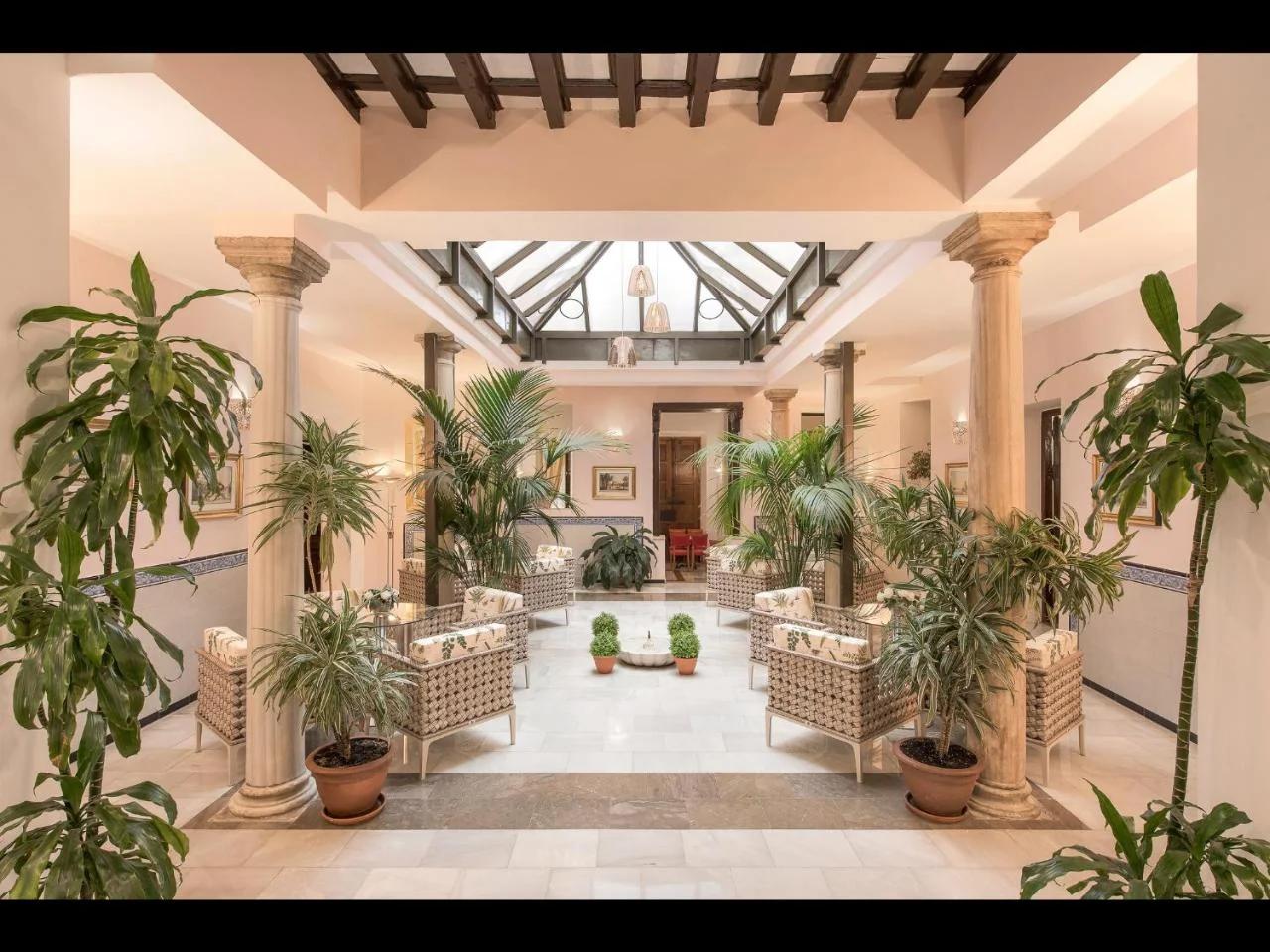

Hotels near Granada Cathedral
Granada · 89 hotels nearby (showing closest 20)
About Granada Cathedral
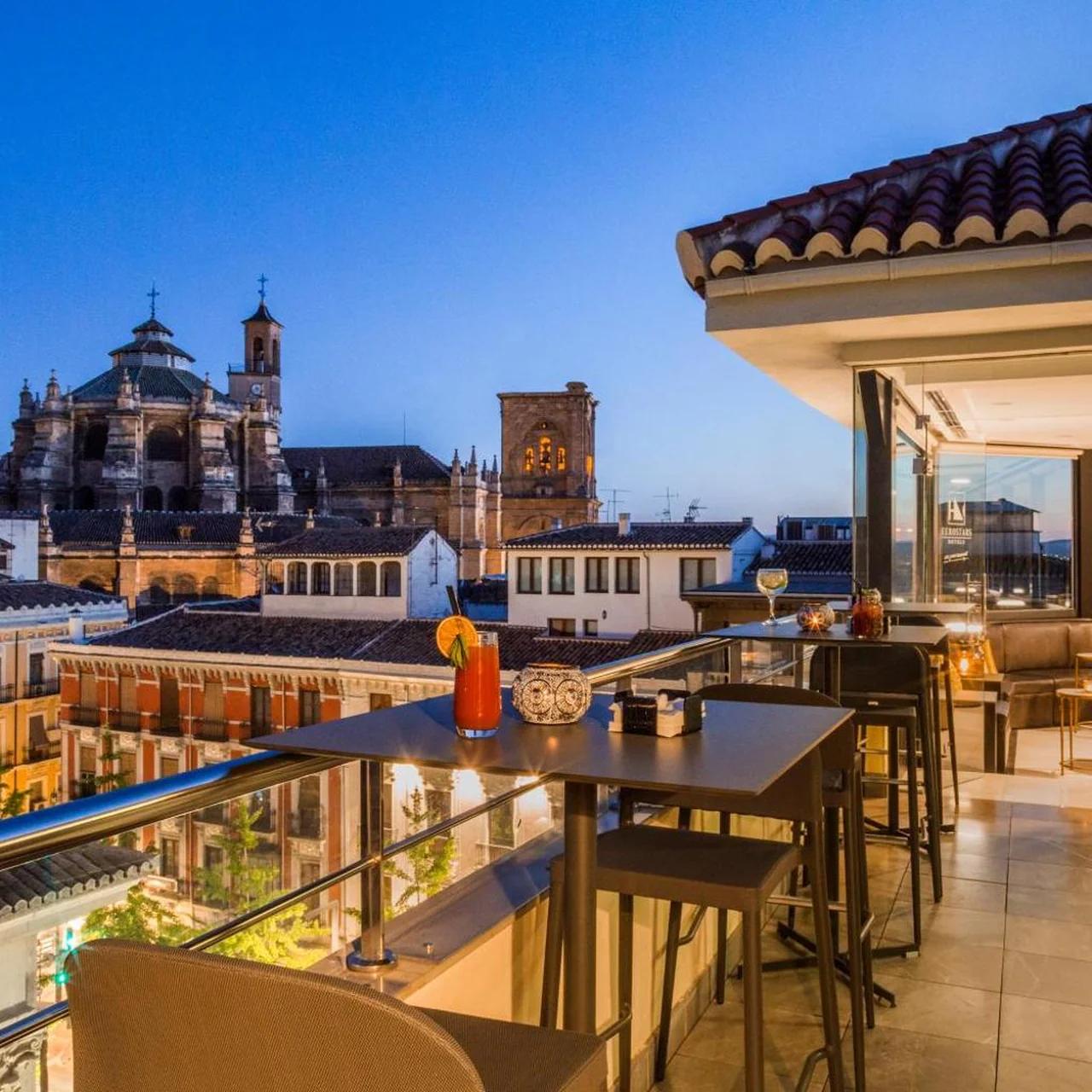
Granada Cathedral stands as one of the most significant Renaissance churches in Spain, rising above the historic center of a city where Moorish, Christian, and Jewish histories have shaped every street and stone. Built on the site of the city's former Great Mosque following the Christian Reconquista, the cathedral took nearly two centuries to complete, from 1523 to 1703.
Architecture and Historical Significance
Designed initially by Enrique de Egas in the Gothic style, the cathedral was later reimagined by Diego de Siloé, who introduced Renaissance principles that would define its final form. The result is a bold, harmonious interior featuring soaring columns, a circular main chapel, and an impressive collection of religious art. The façade, completed by Alonso Cano in the 17th century, is considered one of the finest examples of Spanish Baroque design. Attached directly to the cathedral is the Royal Chapel, a separate but connected structure that serves as the burial site of the Catholic Monarchs, Ferdinand and Isabella, whose reign transformed both Granada and Spain.
Visiting the Cathedral
The cathedral is located on Calle Gran Vía de Colón in the heart of Granada's city center, within easy walking distance of the Albaicín neighborhood and the Alcaicería market. The interior houses an audio guide museum that traces the building's long construction history and its artistic treasures, including works by Alonso Cano.
Practical Tips
- Opening hours vary by season; check the official website before visiting.
- Combined tickets with the Royal Chapel offer better value.
- Arrive early in the morning to avoid peak crowds.
- Dress modestly, as the cathedral is an active place of worship.
- The cathedral is accessible from the city center on foot.
Frequently asked questions
How long does a visit to Granada Cathedral typically take?
Most visitors spend between 45 minutes and one hour exploring the cathedral and its museum. Combining it with the adjacent Royal Chapel can extend your visit to around two hours.
Is Granada Cathedral free to enter?
No, there is an entrance fee for the cathedral. A combined ticket that includes the Royal Chapel is available and generally offers better value for money.
What architectural style is Granada Cathedral?
The cathedral blends Gothic and Renaissance styles. Diego de Siloé reshaped the original Gothic plans into a Renaissance design, while the façade added by Alonso Cano in the 17th century reflects Spanish Baroque influences.
Who is buried in the Royal Chapel next to Granada Cathedral?
The Royal Chapel contains the tombs of the Catholic Monarchs, Queen Isabella I of Castile and King Ferdinand II of Aragon, along with other members of the royal family.
Hotels nearby