
Hotels near Albaicín
Granada · 83 hotels nearby (showing closest 20)
Photo by Jose Antonio Jiménez Macías on Unsplash
About Albaicín
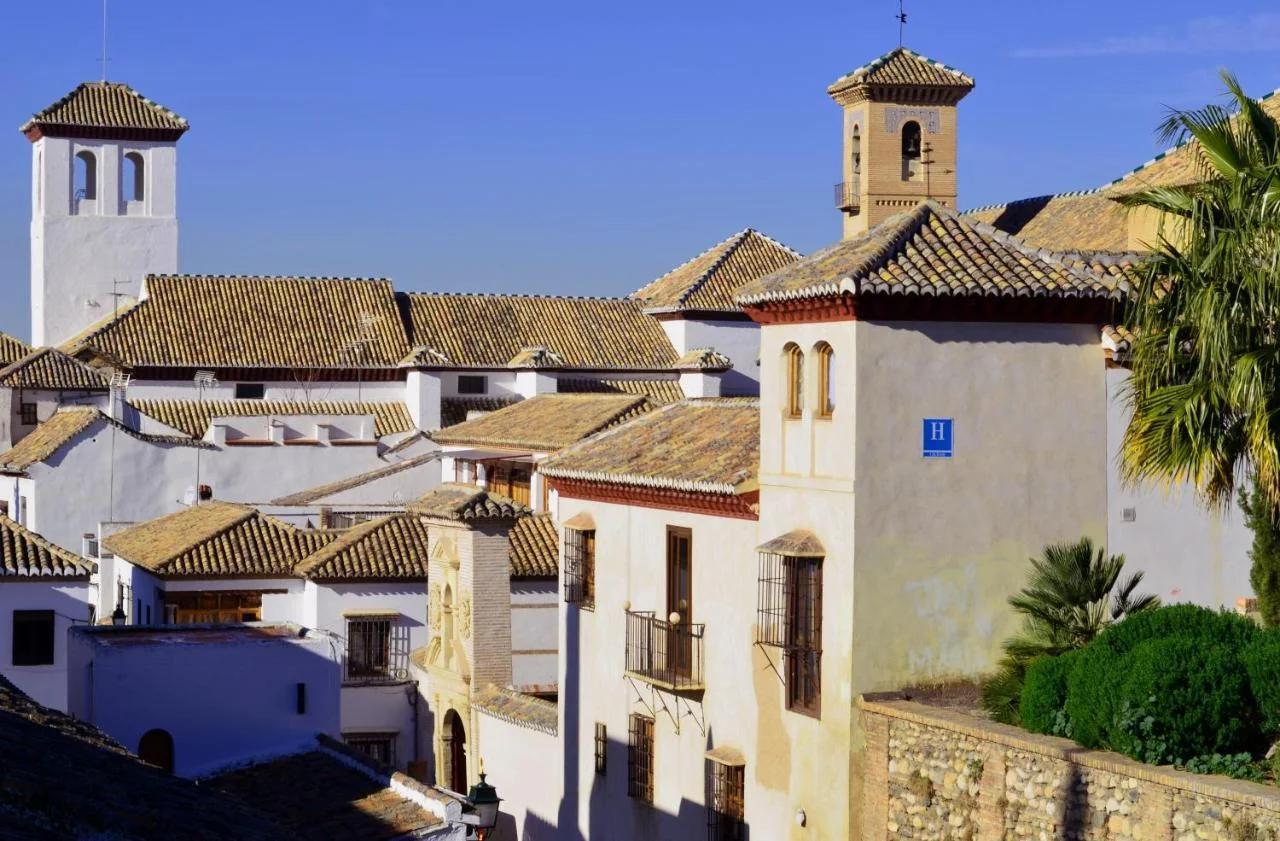
The Albaicín is Granada's oldest neighborhood, a hillside quarter of whitewashed houses, narrow cobblestone lanes, and ancient Moorish walls that has survived largely intact since the medieval period. Recognized as a UNESCO World Heritage Site alongside the Alhambra, it offers one of the most historically layered urban landscapes in southern Spain.
A Moorish Quarter Frozen in Time
The Albaicín developed as the main residential district of Nasrid Granada during the 13th and 14th centuries. Its street plan, carmen houses with enclosed gardens, and remaining sections of the old city wall (the Zirid walls dating to the 11th century) reflect centuries of Islamic urban tradition. After the Christian Reconquista in 1492, mosques were converted to churches, yet the neighborhood's fundamental structure remained. Walking its streets today means moving through a largely unchanged medieval layout.
Views, Plazas, and Daily Life
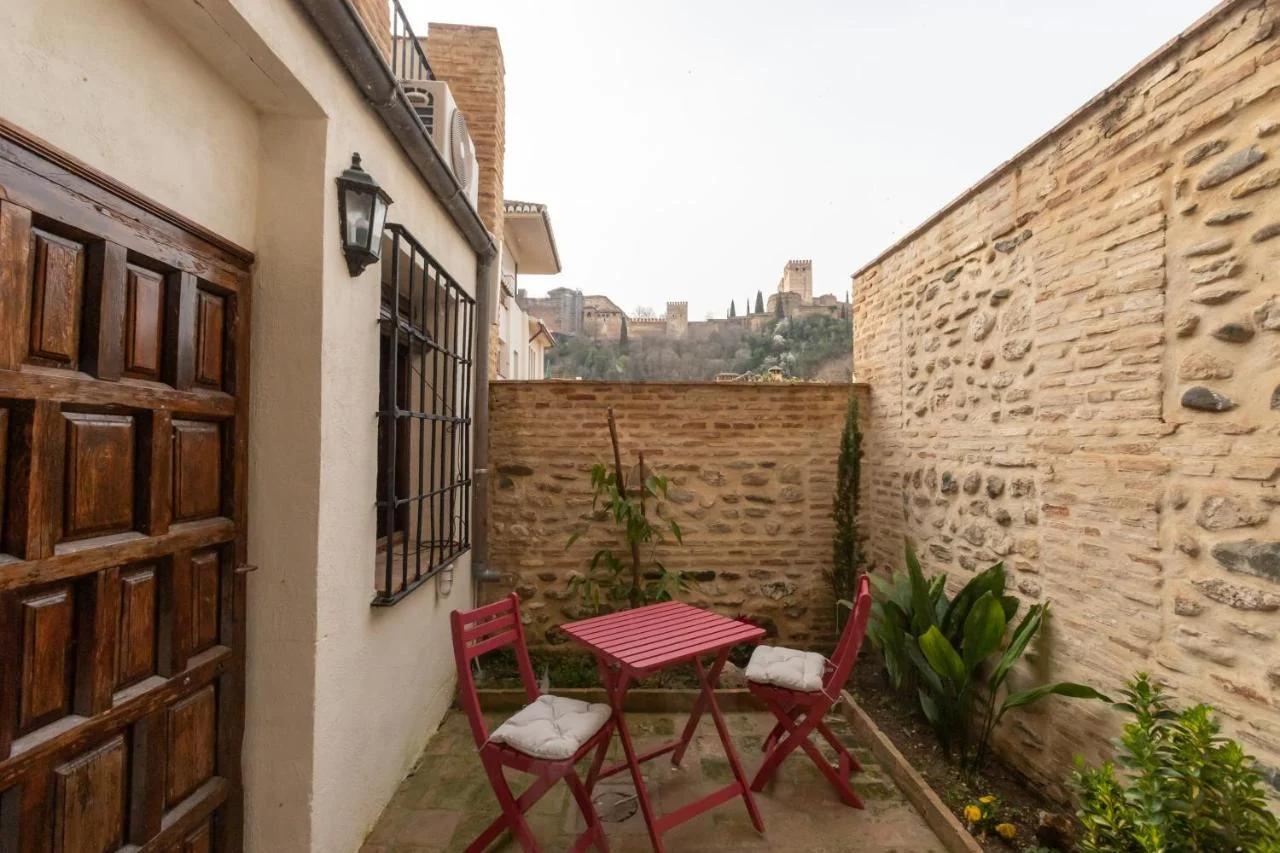
The Mirador de San Nicolás, a terrace in front of the Church of San Nicolás, provides a direct view across the Darro River valley toward the Alhambra palace complex and the Sierra Nevada beyond. It is one of the most photographed viewpoints in Granada. The neighborhood is also home to several working carmenes, small teahouses (teterías), and local markets. The nearby Sacromonte district, known for its cave dwellings and flamenco tradition, borders the Albaicín to the east.
Practical Tips
- Getting there: The Albaicín is best reached on foot from Plaza Nueva, or by the C1 minibus that navigates the narrow streets.
- Best time to visit: Early morning or late afternoon to avoid crowds at the Mirador de San Nicolás.
- Wear comfortable shoes: The steep, uneven cobblestone paths require sturdy footwear.
- Combine your visit: Pair it with the Royal Chapel and the Alhambra for a full day of Granada's historic core.
Frequently asked questions
Is the Albaicín free to visit?
Yes, the Albaicín is a public neighborhood and there is no entrance fee to walk its streets or visit the Mirador de San Nicolás. Individual churches or monuments inside may charge a small admission.
How long does it take to explore the Albaicín?
A thorough walk through the main lanes, plazas, and the Mirador de San Nicolás typically takes two to three hours. Adding a visit to nearby Sacromonte can extend the outing to a half-day.
Is the Albaicín safe for tourists?
The Albaicín is generally considered safe during daylight hours. As with any busy tourist area, visitors should keep an eye on their belongings, particularly in crowded spots like the Mirador de San Nicolás.
Can I visit the Albaicín and the Alhambra on the same day?
Yes, many visitors combine both sites in one day. It is advisable to book Alhambra tickets well in advance, as entry is timed and capacity is limited, then explore the Albaicín afterward.
Hotels nearby