Hotels in Cádiz
81 hotels
Hotels in Cádiz, Andalusia — stay near the 1838 cathedral or La Caleta beach. Jerez airport is 35 km away. Compare rates and book your stay.
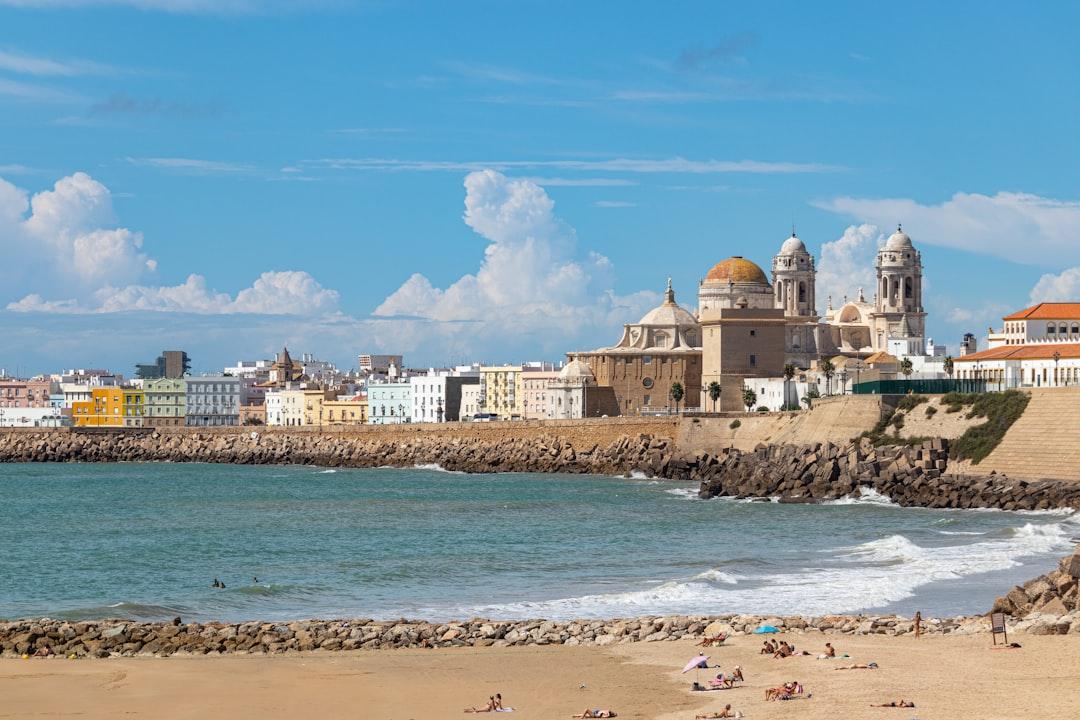
Photo by Jordi Vich Navarro on Unsplash
About Cádiz
The Old City peninsula suits travelers who want Atlantic sea views within walking distance of the Cathedral of Cádiz (completed 1838) and the tapas bars of El Pópulo, the oldest neighborhood. La Viña fits those who prefer the Carnival atmosphere and beach access at Playa de la Caleta. Extramuros offers quieter lodging near the train station, a 10-minute walk from the historic gates. Seville is 1 hour 45 minutes by regional rail.
Where to Stay in Each Barrio
El Pópulo is Cádiz's medieval core, pressing against the old city walls between the Roman Theatre (1st century BC) and the Cathedral. Hotels here are small and independent. La Viña runs along the western shore and fills during February's Carnaval de Cádiz, one of Spain's oldest carnival celebrations. Book at least two months ahead for that period. Santa María connects both barrios and suits mid-range travelers. Extramuros, across the city gates on the mainland isthmus, has newer hotels and easier car parking.
Getting Around
The Old City is compact — most sights fall within a 1.5 km radius. Buses cross the isthmus frequently. The ferry to El Puerto de Santa María runs in 30 minutes across the Bay of Cádiz. Jerez de la Frontera Airport is 40 km east, roughly 35 minutes by taxi.
Practical Tips
- Sea wind: Pack a light layer — the Levante and Poniente winds keep evenings cool even in summer.
- Carnival dates: Carnaval falls in February; room rates spike city-wide that week.
- Parking: Driving into the Old City is restricted; use car parks near Puertas de Tierra.
All hotels in Cádiz
Showing 1–20 of 81 hotels

Check availability

Check availability












Cities like Cádiz
Other destinations across Spain within reach.