Hotels in Costa Brava
32 hotels
Hotels in Costa Brava, Spain — stays near Dalí's Cadaqués and Begur's cliff coves. Girona-Costa Brava Airport is 11 km from Girona.
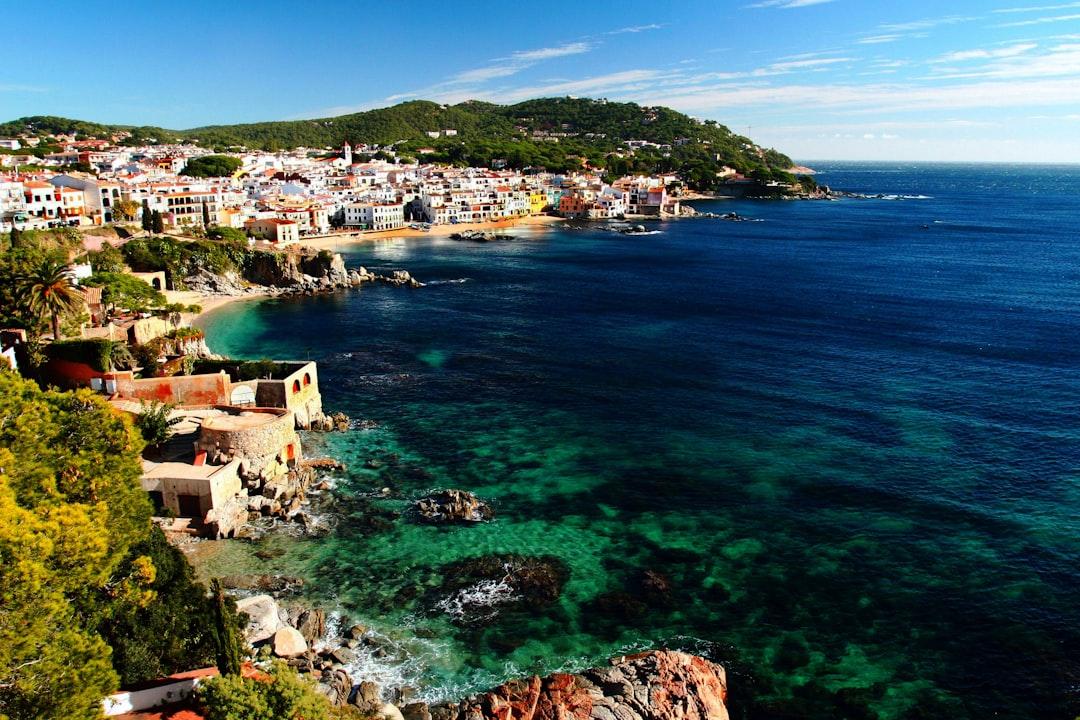
Photo by Michael Cadieux on Unsplash
About Costa Brava
Costa Brava is a coastal region in the northeast corner of Spain, stretching along the Mediterranean shoreline of Catalonia from Blanes in the south to the French border at Portbou in the north. Known for its rugged cliffs, clear turquoise waters, and charming fishing villages, it has drawn visitors for decades with a combination of natural beauty, rich history, and authentic Catalan culture. Whether you are drawn to the sea, the food, or the art, Costa Brava offers a well-rounded destination that rewards slow, curious travel.
Landscapes and Coastline
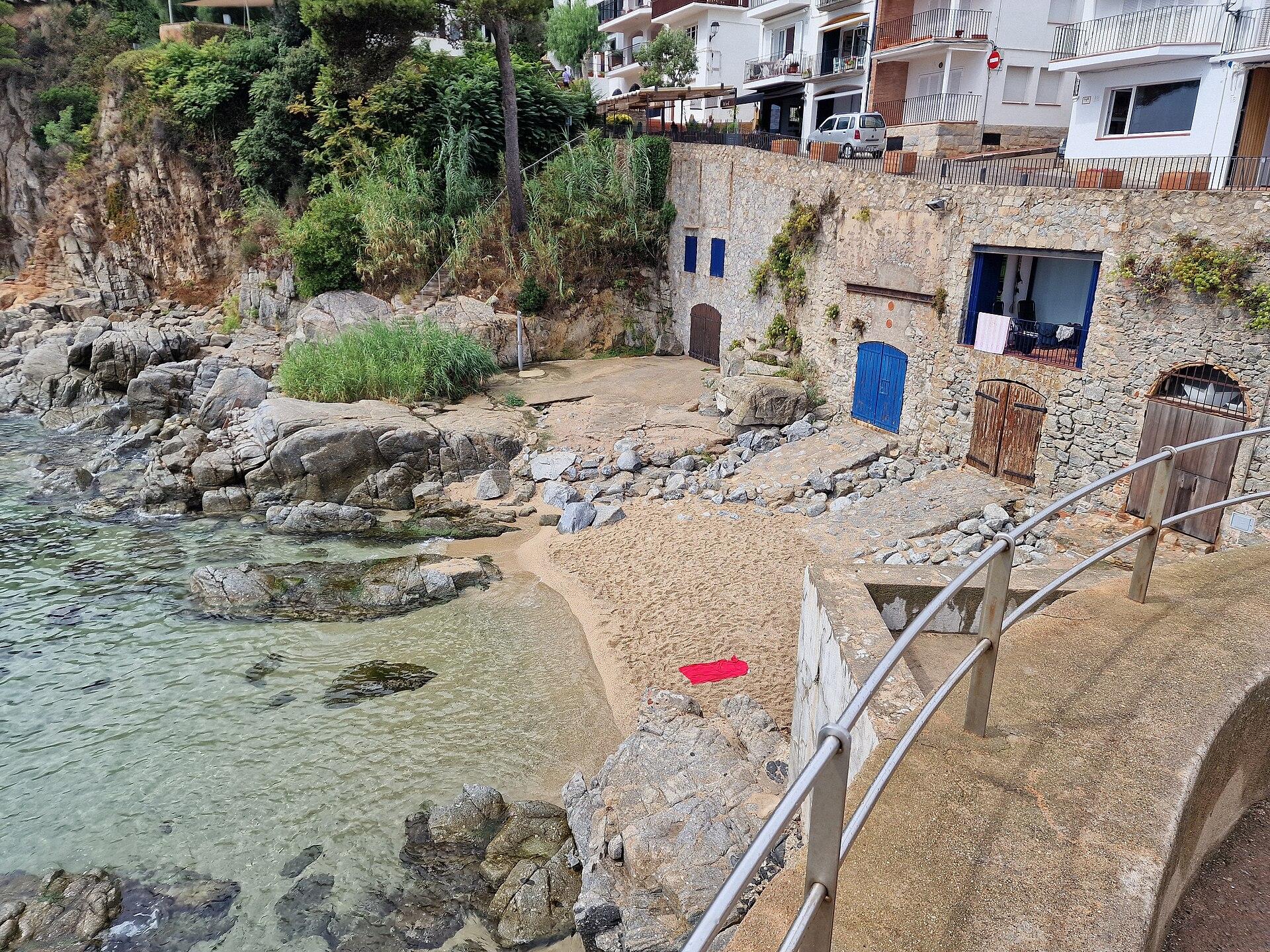
The name Costa Brava translates roughly as "wild coast" or "rugged coast," and the landscape lives up to that description. Dramatic limestone cliffs drop directly into the sea, framing hidden coves called calas that are accessible by boat or on foot via the coastal hiking trail, the Camí de Ronda. This historic path once served as a patrol route for customs officers and today connects villages and beaches along much of the coast. The waters here are exceptionally clear, making the area popular for snorkeling and diving, particularly around the protected marine reserve of the Illes Medes near L'Estartit. Sandy beaches exist alongside the rocky coves, with broader stretches found near Roses and Empuriabrava in the north.
Culture, History, and the Dalí Connection
Costa Brava has a cultural depth that goes well beyond its beaches. The region is home to the Dalí Triangle, a trio of sites connected to the surrealist painter Salvador Dalí, who was born in Figueres and spent much of his life in this part of Catalonia. The Dalí Theatre-Museum in Figueres is the most visited museum in Spain after the Prado, and it was designed by Dalí himself as an immersive work of art. His home in Cadaqués, the Casa-Museu Salvador Dalí in Portlligat, offers an intimate look at where he lived and worked for decades. The medieval town of Pals and the Greek and Roman ruins at Empúries near L'Escala add further historical layers, making the region genuinely interesting beyond its summer beach season.
Food and Local Flavors
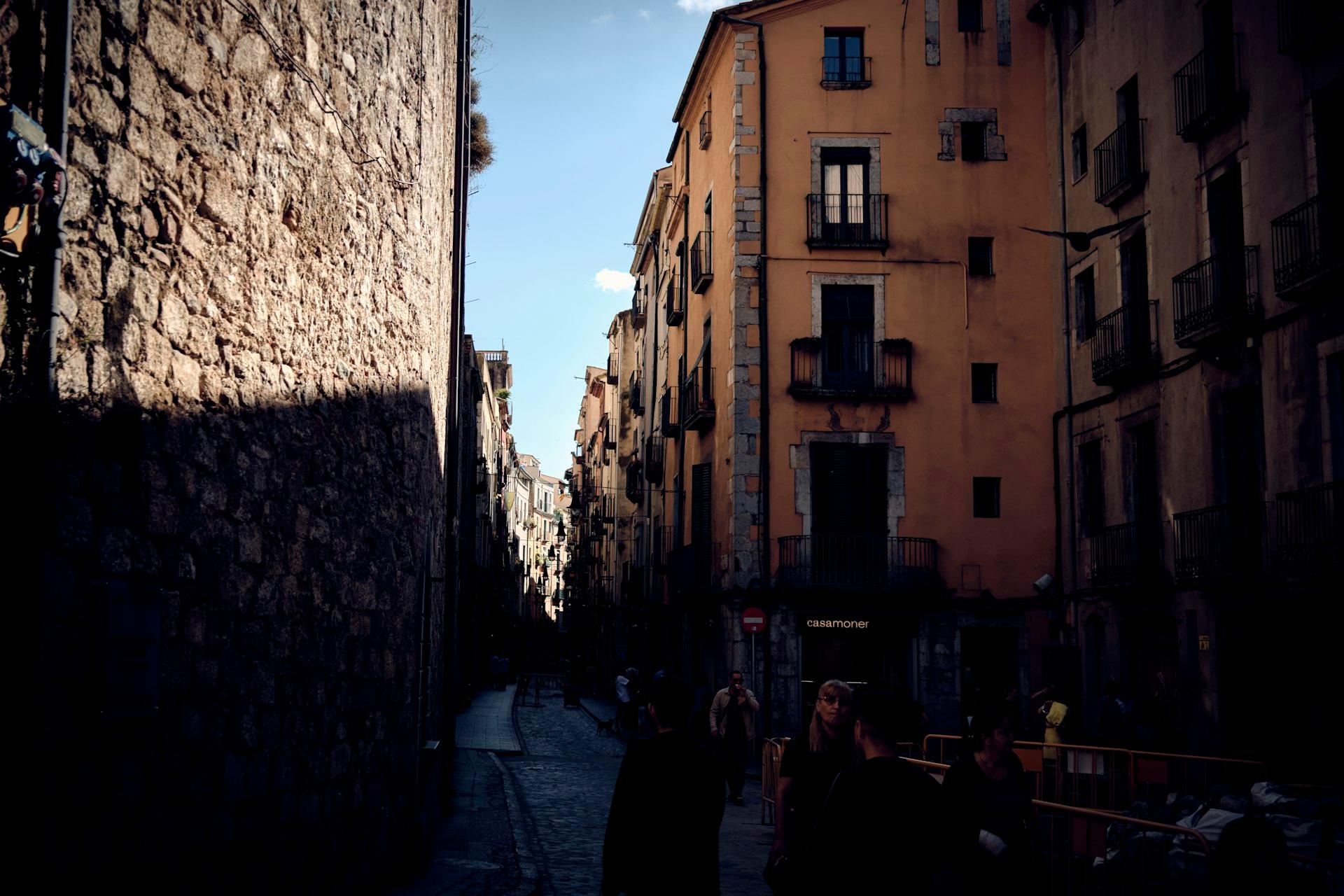
Catalan cuisine is central to any visit to Costa Brava. The coast produces excellent seafood, with suquet de peix (a rich fish stew) and fresh grilled fish featuring prominently on local menus. The area around Alt Empordà is also wine country, producing notable reds and whites under the DO Empordà designation. Local markets in towns like Figueres and Girona — the region's elegant inland capital — are excellent places to find regional products including anchovies from L'Escala, which are considered among the finest in Spain. The city of Girona, just 40 kilometres inland, is worth a dedicated visit for its well-preserved medieval Jewish quarter, cathedral, and a dining scene that has attracted international recognition.
Practical Tips
- Best time to visit: Late spring (May–June) and early autumn (September–October) offer warm weather, calmer seas, and fewer crowds than July and August.
- Getting there: Girona–Costa Brava Airport receives budget airline flights from across Europe. Barcelona–El Prat Airport is about 100 km south and connects to the region by road or rail.
- Getting around: A rental car is the most practical option for exploring the smaller coves and inland villages. Public buses connect major towns but schedules are limited in rural areas.
- Language: Catalan is the primary language, but Spanish is widely spoken. English is understood in most tourist areas.
- Currency: Euro (EUR). Card payments are widely accepted, though cash is useful in smaller markets and villages.
All hotels in Costa Brava
Showing 1–20 of 32 hotels

Check availability





Cities like Costa Brava
Other destinations across Spain within reach.