Hotels in Catalonia
2 cities · 230 hotels
Photo by Jorge Salvador on Unsplash
Catalonia is an autonomous community in northeastern Spain, bordered by the Pyrenees mountains to the north, the Mediterranean Sea to the east, and the regions of Aragon and Valencia to the west and south. With its own language, distinct cultural identity, and a landscape that ranges from alpine peaks to sandy coastline, Catalonia offers travelers a richly layered experience that goes well beyond its famous capital.
Barcelona and the Urban Heart of Catalonia
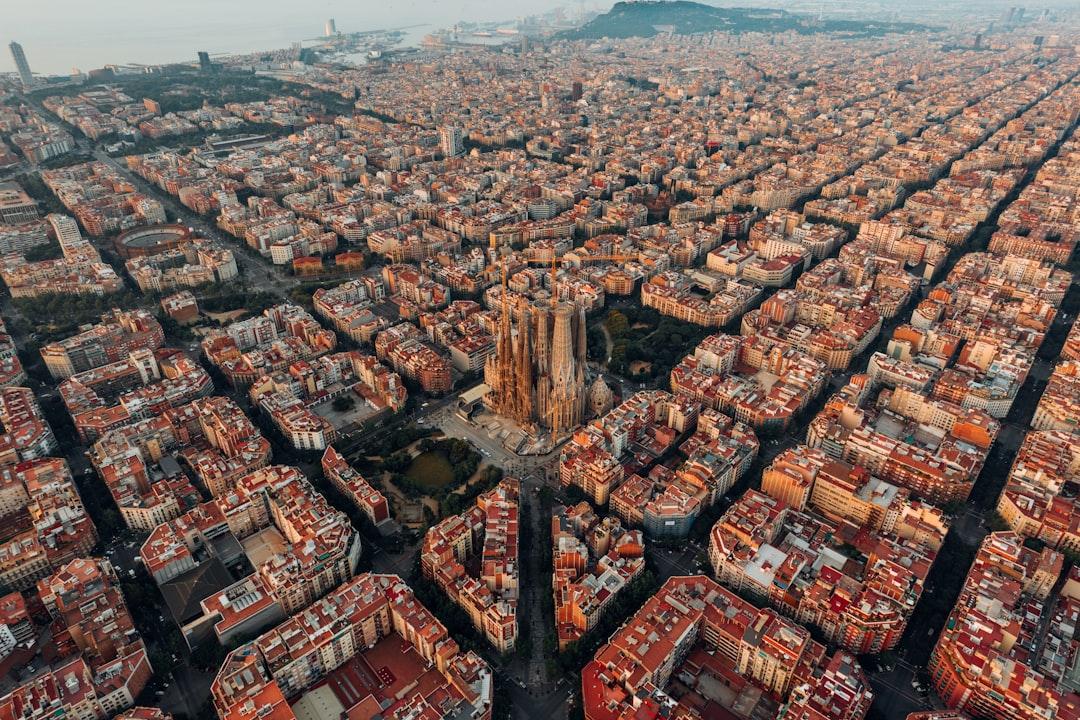
Barcelona, the regional capital, draws visitors from across the globe with its blend of Gothic medieval architecture and early 20th-century Modernisme. The works of Antoni Gaudí — including the Sagrada Família basilica, Park Güell, and Casa Batlló — are recognized UNESCO World Heritage Sites. Beyond Gaudí, the Gothic Quarter preserves Roman ruins and medieval streets, while the Eixample district is lined with elegant Modernista buildings. Barcelona's food scene, anchored by the famous La Boqueria market and a strong tapas culture, reflects both Catalan tradition and contemporary creativity.
Landscapes: Pyrenees, Costa Brava, and the Interior
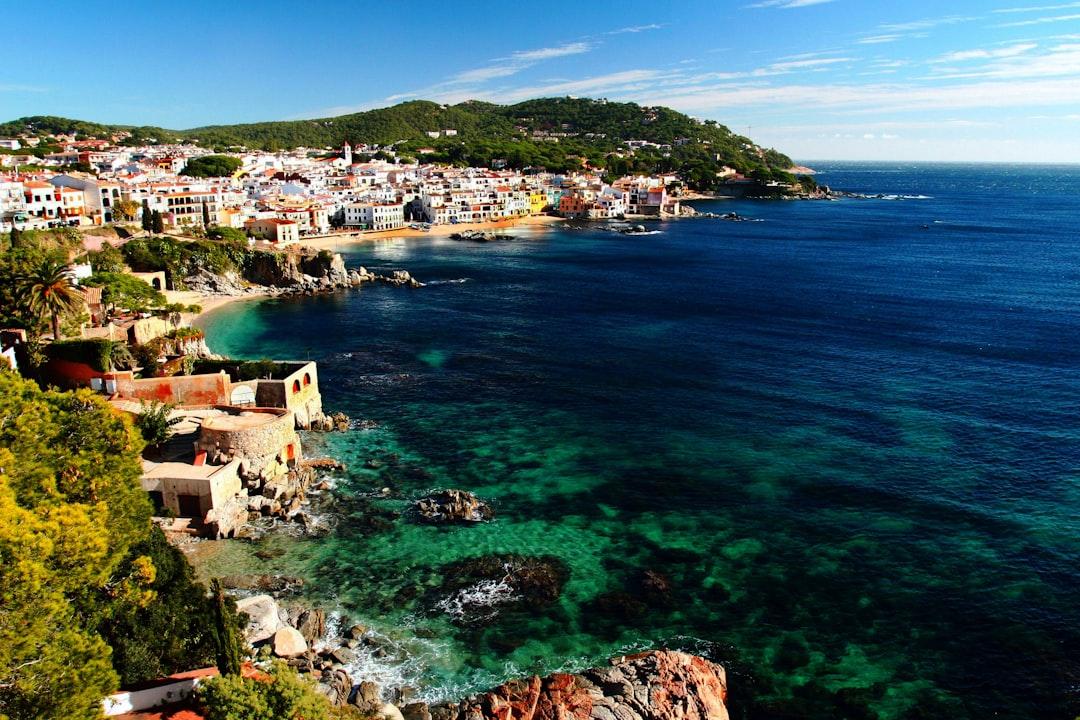
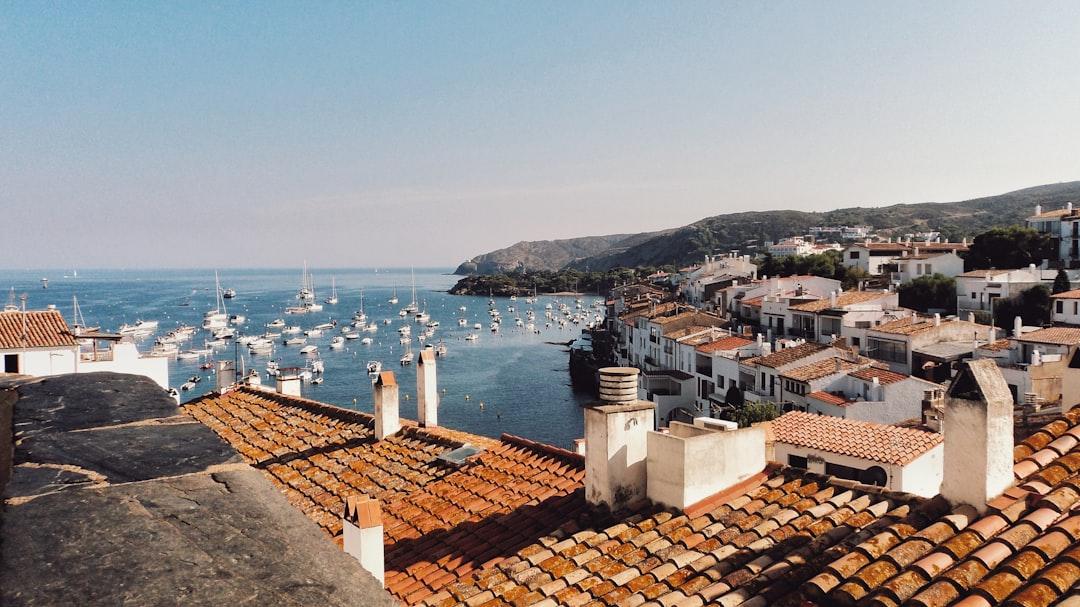
Catalonia's geography is one of its greatest assets. The Pyrenean foothills and high peaks in the north are home to Aigüestortes i Estany de Sant Maurici National Park, the only national park in Catalonia, where glacial lakes and rugged terrain attract hikers and nature lovers. Along the coast, the Costa Brava stretches from Blanes northward to the French border, offering rocky coves, clear water, and charming fishing villages like Cadaqués and Calella de Palafrugell. Inland, the volcanic landscape of La Garrotxa Natural Park and the medieval town of Vic provide quieter alternatives to the coast.
Catalan Culture, Language, and Gastronomy
Catalan is the co-official language alongside Spanish, and travelers will notice it prominently on signs, menus, and in daily conversation. Catalan cuisine is distinct from the broader Spanish tradition, with dishes like pa amb tomàquet (bread rubbed with tomato and olive oil), escudella i carn d'olla (a hearty stew), and crema catalana forming the backbone of local cooking. The region also produces notable wines, particularly from the Penedès and Priorat designations, as well as cava, Spain's traditional sparkling wine, which originates from the Alt Penedès area.
Practical Tips for Visiting Catalonia
- Best time to visit: Spring (April–June) and early autumn (September–October) offer mild temperatures and fewer crowds than peak summer.
- Getting around: Barcelona has an extensive metro and bus network. For the rest of Catalonia, trains connect major towns, though a rental car is useful for rural areas and the Pyrenees.
- Language: Learning a few words of Catalan is appreciated by locals, though Spanish and English are widely understood in tourist areas.
- Currency: Spain uses the euro (€).
- Day trips from Barcelona: Montserrat, Sitges, Tarragona, and the Dalí Theatre-Museum in Figueres are all reachable within two hours by public transport.