Hotels in Murcia
68 hotels
Hotels in Murcia, Spain — properties from the Cathedral Quarter to Barrio del Carmen. Murcia Airport is 25 km away; AVE trains reach Madrid in 2h 20m.
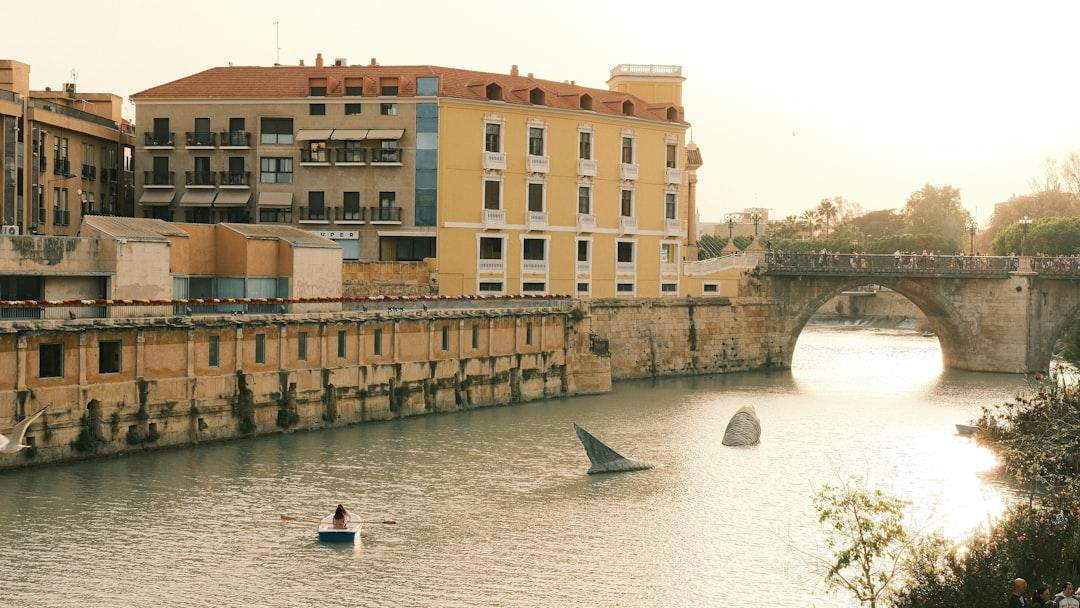
Photo by Pablo Jiménez Pérez on Unsplash
About Murcia
Murcia is a sun-drenched city in southeastern Spain, sitting inland along the Segura River and surrounded by fertile plains known as the Huerta de Murcia. As the capital of the Region of Murcia, this mid-sized city blends Baroque architecture, a lively food culture, and a warm climate that averages over 300 sunny days per year. Often overlooked in favor of Spain's more famous destinations, Murcia rewards curious travelers with authentic Spanish life at an accessible pace.
History and Architecture
Murcia was founded by Arab settlers in the 9th century under the name Mursiyya, and its Moorish heritage is woven into the city's layout and culture. The most prominent landmark is the Cathedral of Santa María, a towering structure built between the 14th and 18th centuries that combines Gothic, Renaissance, and Baroque elements. Its bell tower, rising over 90 meters, is one of the tallest in Spain and dominates the city skyline. The nearby Casino de Murcia, a private social club dating to 1847, features an ornate interior with a Moorish-inspired patio, a French Rococo ballroom, and a Roman-style library — visitors can enter and explore its eclectic rooms for a small fee.
Food and Market Culture
Murcia has a strong claim to being one of Spain's most important agricultural regions, and this directly shapes its cuisine. The Huerta produces an abundance of vegetables, citrus fruits, and peppers, making the local diet notably fresh and vegetable-forward compared to other Spanish regions. Signature dishes include zarangollo (a scrambled egg dish with zucchini and onion), marinera (a tapa of salted fish on bread with onion), and the hearty caldero, a rice dish cooked with fish and a rich red pepper sauce traditionally associated with the Mar Menor coast nearby. The Mercado de Verónicas, Murcia's central covered market, is the best place to experience this produce culture firsthand, with stalls selling local fruit, vegetables, meat, and fresh fish.
Festivals and Local Life
Murcia takes its festivals seriously. The Spring Festival (Fiestas de Primavera), held each April, is one of the city's defining events and includes the colorful Bando de la Huerta parade, where locals dress in traditional huertano costumes, and the Battle of Flowers, a street procession featuring elaborate floral floats. Semana Santa (Holy Week) in Murcia is also widely recognized, featuring processional sculptures by the celebrated 18th-century artist Francisco Salzillo, whose polychrome wooden figures are considered among the finest religious sculptures in Spain. Salzillo's work can be seen year-round at the Museo Salzillo, located in the city center.
Practical Tips
- Best time to visit: Spring (March–May) and autumn (September–November) offer the most comfortable temperatures. Summers are hot, regularly exceeding 35°C.
- Getting there: Murcia is served by the Región de Murcia International Airport, with connections to several European cities. The city also has good rail links to Madrid, Valencia, and Alicante.
- Getting around: The city center is compact and walkable. Murcia has a tram line connecting the center with the university district.
- Language: Spanish is the primary language. English is less commonly spoken than in larger tourist cities, so basic Spanish phrases are helpful.
- Currency: Euro (€). Credit cards are widely accepted, though smaller tapas bars may prefer cash.
- Day trips: The Mar Menor lagoon, the historic town of Cartagena, and the Ricote Valley are all within easy reach by car or public transport.
All hotels in Murcia
Showing 1–20 of 68 hotels

Check availability

Check availability




Cities like Murcia
Other destinations across Spain within reach.