Hotels in Madrid
131 hotels across 6 neighborhoods
Hotels in Madrid, Spain — properties from the Prado to Retiro Park. Stay near Gran Vía or Malasaña. Metro Line 8 links Barajas Airport in 25 minutes.
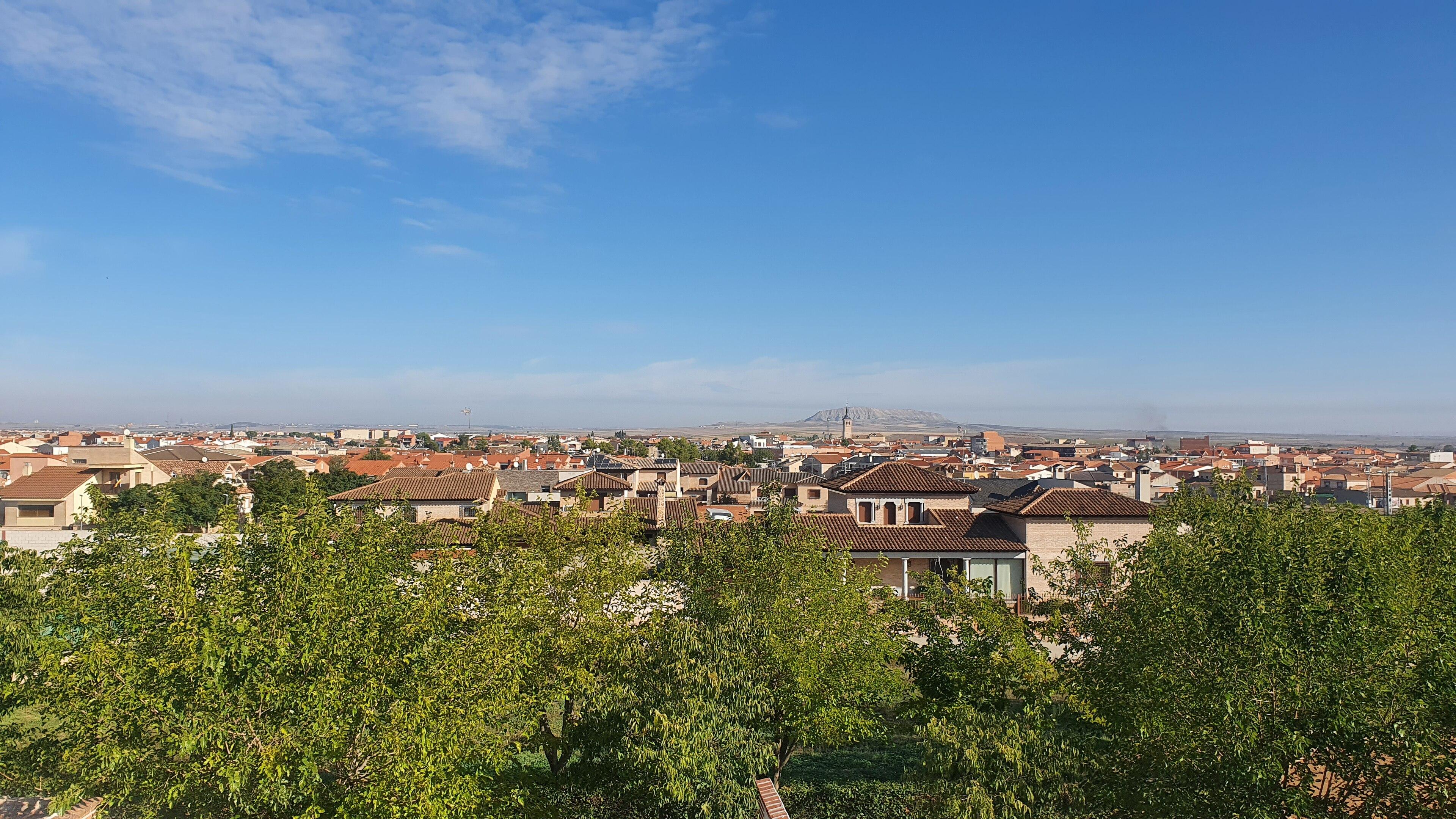
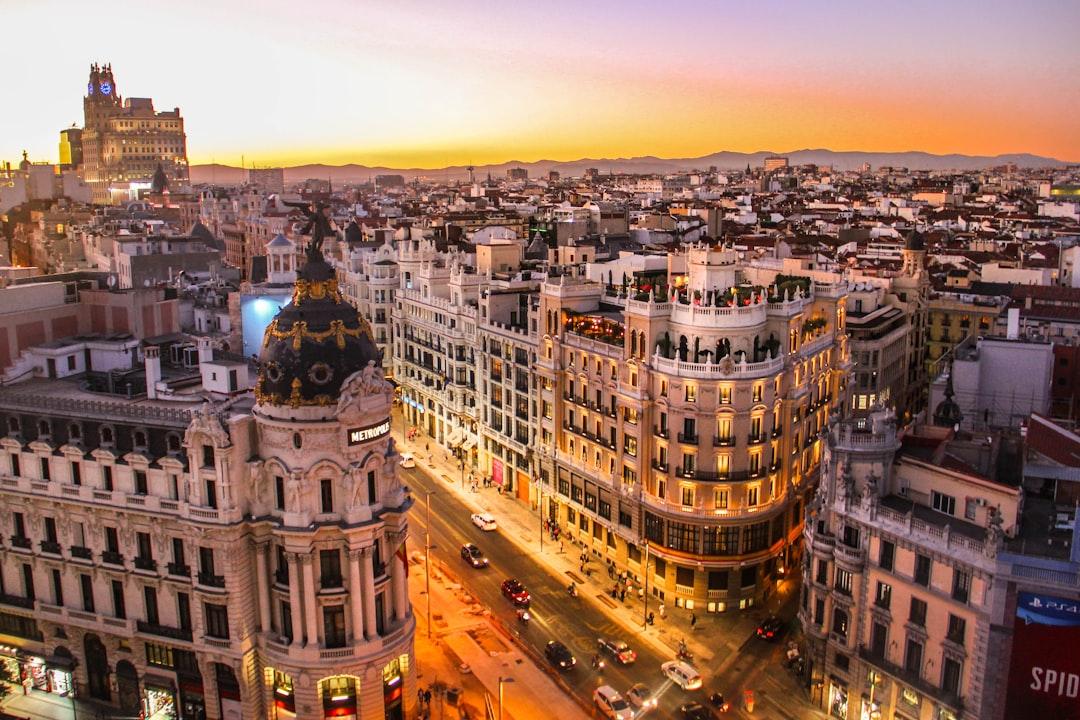
Photo by Florian Wehde on Unsplash
About Madrid
Madrid Travel Guide: Everything You Need to Know Before You Visit
Madrid, the capital of Spain, sits at the geographic heart of the Iberian Peninsula at an elevation of around 650 metres — making it the highest capital city in the European Union. A city of wide boulevards, world-class art museums, lively neighbourhoods, and a food culture built around late nights and long lunches, Madrid rewards visitors who take the time to explore beyond the obvious. Whether you are here for a long weekend or a full week, the city offers a dense concentration of things to see, eat, and experience within a very walkable centre.
Art, History, and Culture in Madrid
Madrid is home to one of the most important concentrations of fine art in the world, centred on the so-called Golden Triangle of Art along the Paseo del Prado. The Prado Museum holds one of Europe's finest collections of European painting, with major works by Velázquez, Goya, El Greco, and Rubens. A short walk away, the Reina Sofía Museum is dedicated to modern and contemporary Spanish art, and is best known for housing Picasso's Guernica — a large-scale painting documenting the 1937 bombing of the Basque town. The Thyssen-Bornemisza Museum completes the triangle, covering Western art from the 13th century through to the late 20th century in a single, well-organised building.
Beyond the museums, the Royal Palace is the official residence of the Spanish Royal Family, though it is used primarily for state ceremonies. It is one of the largest royal palaces in Europe by floor area and is open to the public most days. Plaza Mayor, a grand 17th-century arcaded square just west of Puerta del Sol, has served as a marketplace, a bullfighting arena, and a public gathering space over the centuries. Today it is lined with cafés and is a natural starting point for exploring the historic centre.
Madrid's Neighbourhoods: Where to Stay and Explore
Madrid's districts each have a distinct character. Sol/Centro is the geographic and tourist centre, anchored by Puerta del Sol — the square from which all road distances in Spain are measured. La Latina, just to the southwest, is one of the oldest parts of the city and is known for its tapas bars, particularly along Calle Cava Baja, and for the El Rastro flea market held every Sunday morning.
Malasaña and Chueca, both north of Gran Vía, are the city's most culturally vibrant neighbourhoods. Malasaña has a bohemian, independent feel with record shops, vintage stores, and a dense selection of bars. Chueca is Madrid's LGBTQ+ hub and one of the most energetic parts of the city for nightlife and dining. Salamanca, to the northeast of Retiro Park, is the upscale shopping district, home to high-end boutiques and some of the city's most refined restaurants. Retiro itself is a 125-hectare park in the city centre, built as a royal garden and now open to the public — ideal for a morning walk or an afternoon boat ride on the central lake.
Gran Vía, Madrid's main commercial boulevard, cuts through the city from Cibeles to Plaza de España and is lined with early 20th-century architecture, theatres, cinemas, and chain stores.
Getting Around Madrid
Madrid-Barajas Airport (Adolfo Suárez Madrid-Barajas) is located around 12 kilometres northeast of the city centre and is one of the busiest airports in Europe. Metro Line 8 connects the airport directly to the city centre, with a journey time of roughly 25 minutes to Nuevas Ministerios. Taxis and ride-hailing services are also available from the terminal.
Within the city, the Madrid Metro is extensive, clean, and easy to navigate. A ten-trip card (Metrobús) offers significantly better value than single tickets. The city centre is compact enough to walk between most major landmarks — Puerta del Sol to the Prado, for example, takes around 15 minutes on foot. Atocha Station, the city's main rail hub, connects Madrid to other Spanish cities via high-speed AVE trains, including Barcelona (approximately 2.5 hours), Seville (around 2.5 hours), and Valencia (around 1.5 hours).
Practical Tips for Visiting Madrid
- Best time to visit: Spring (April–June) and autumn (September–October) offer the most comfortable temperatures. July and August are very hot, with daytime highs regularly exceeding 35°C, and many locals leave the city.
- Meal times: Lunch is typically eaten between 2pm and 4pm, and dinner rarely starts before 9pm. Adjusting to local meal times will give you access to better-value set menus (menú del día) at lunch.
- Museum passes: The Paseo del Arte card covers entry to the Prado, Reina Sofía, and Thyssen-Bornemisza at a combined discount.
- Sundays: Many museums offer free or reduced entry during certain hours on Sundays — check individual websites before you go.
- Language: Spanish is the primary language. English is spoken in most tourist-facing businesses, but learning a few basic phrases is appreciated.
- Currency: Spain uses the Euro (€). Card payments are widely accepted, but carrying some cash is useful for smaller tapas bars and markets.
- Safety: Madrid is generally a safe city for tourists. As in any major European capital, be aware of pickpockets in crowded areas like Puerta del Sol and on the Metro.
Curated collections in Madrid
Boutique hotels in Madrid
Madrid · 33 hotels
Budget hotels in Madrid
Madrid · 16 hotels
Business hotels in Madrid
Madrid · 12 hotels
Family-friendly hotels in Madrid
Madrid · 28 hotels
Hotels near Atocha Station
Madrid · 25 hotels
Hotels near Prado Museum
Madrid · 44 hotels
Hotels near Puerta del Sol
Madrid · 53 hotels
Luxury hotels in Madrid
Madrid · 2 hotels
All hotels in Madrid
Showing 1–20 of 131 hotels


Check availability


1,449 reviews
Check availability


Cities like Madrid
Other destinations across Spain within reach.