Hotels in Balearic Islands
1 cities · 86 hotels
Photo by Mariya Oliynyk on Unsplash
Balearic Islands, Spain
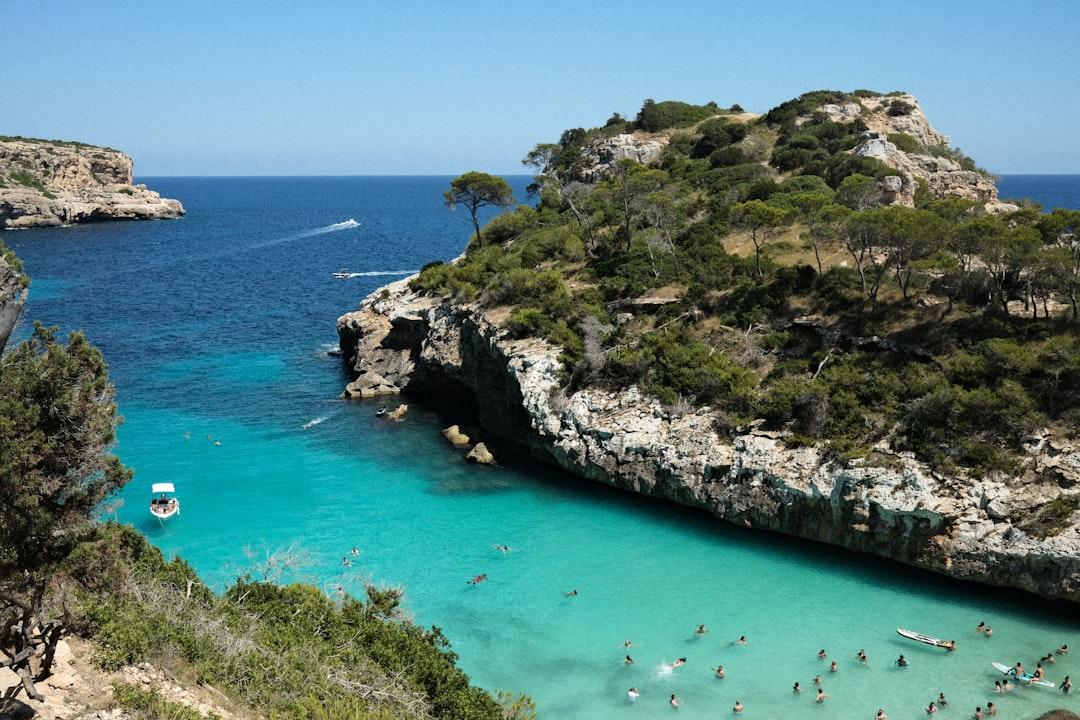
The Balearic Islands are an autonomous community of Spain located in the western Mediterranean Sea, comprising four main islands — Mallorca, Menorca, Ibiza, and Formentera — along with several smaller islets. Known for their clear turquoise waters, diverse landscapes, and rich cultural heritage, the islands attract millions of visitors each year while still offering quieter corners for those willing to explore beyond the main resorts.
Geography and Island Character
Each island in the Balearic archipelago has a distinct personality. Mallorca is the largest, home to the Serra de Tramuntana mountain range, a UNESCO World Heritage Site, as well as the regional capital Palma de Mallorca. Menorca, the easternmost island, is recognized as a UNESCO Biosphere Reserve and is prized for its unspoiled beaches and prehistoric talayotic monuments. Ibiza, internationally recognized for its nightlife scene, also shelters a fortified old town — Dalt Vila — that is a UNESCO World Heritage Site. Formentera, the smallest and least developed of the main islands, is reached only by ferry and offers some of the clearest shallow waters in the Mediterranean.
Culture, History, and Heritage
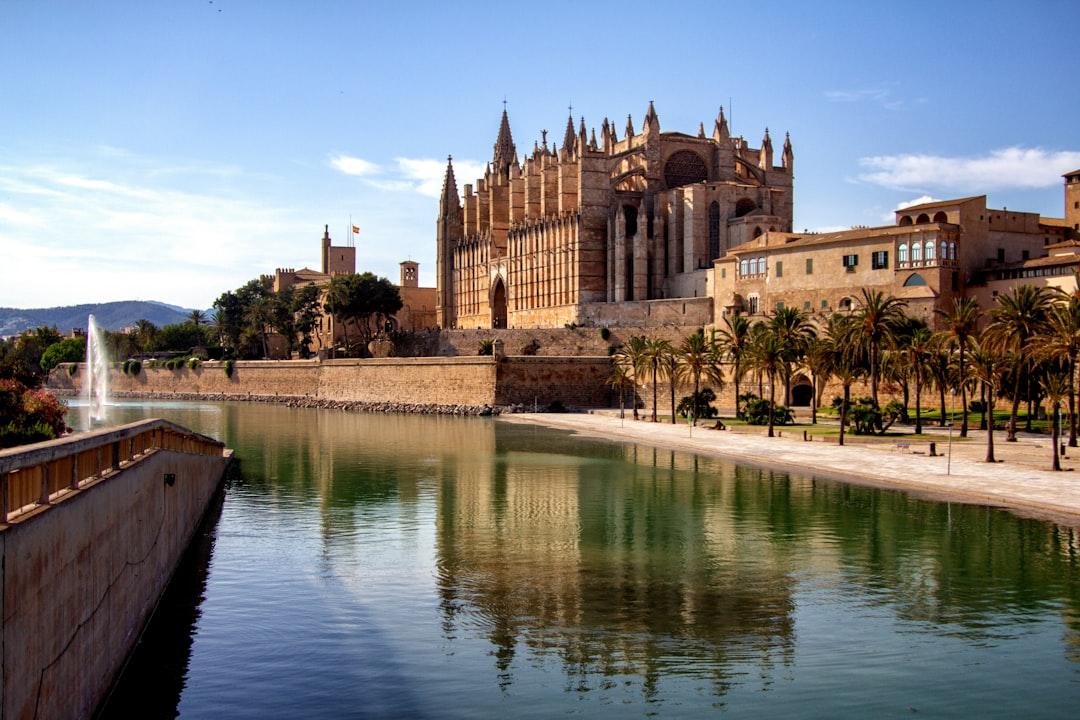
The Balearic Islands have been shaped by successive civilizations, including Phoenicians, Romans, Moors, and the Crown of Aragon. This layered history is visible in the architecture, cuisine, and local traditions across all four islands. Palma de Mallorca's Gothic cathedral, La Seu, overlooks the bay and took several centuries to complete. Menorca's prehistoric landscape features talayots — ancient stone towers — that date back more than 3,000 years. The local Catalan dialect, Mallorquí, is widely spoken alongside Spanish, reflecting the islands' deep-rooted Catalan cultural ties.
Outdoor Activities and Natural Landscapes
Beyond the beaches, the Balearic Islands offer a wide range of outdoor pursuits. Hikers and cyclists are drawn to Mallorca's Serra de Tramuntana, where mountain trails wind through olive groves and clifftop villages. Menorca's Camí de Cavalls is a historic coastal path encircling the entire island, covering approximately 185 kilometres. Water sports — including snorkelling, sailing, kayaking, and windsurfing — are available across all four islands, with conditions varying by season and location.
Practical Tips
- Best time to visit: Late spring (May–June) and early autumn (September–October) offer warm weather with fewer crowds than the peak July–August period.
- Getting there: Palma de Mallorca Airport and Ibiza Airport receive direct international flights. Menorca and Formentera are accessible via ferry connections.
- Getting around: Car hire is practical on Mallorca and Menorca. Ibiza has a reliable bus network between main towns. Formentera is best explored by bicycle or scooter.
- Currency: Euro (EUR). Credit cards are widely accepted in tourist areas.
- Language: Spanish and Catalan (including local dialects) are the official languages. English is commonly spoken in tourist areas.
- Accommodation: Options range from small rural agriturismos to large resort hotels; booking well in advance is recommended for summer travel.