Hotels in Sweden
8 cities · 13 hotels
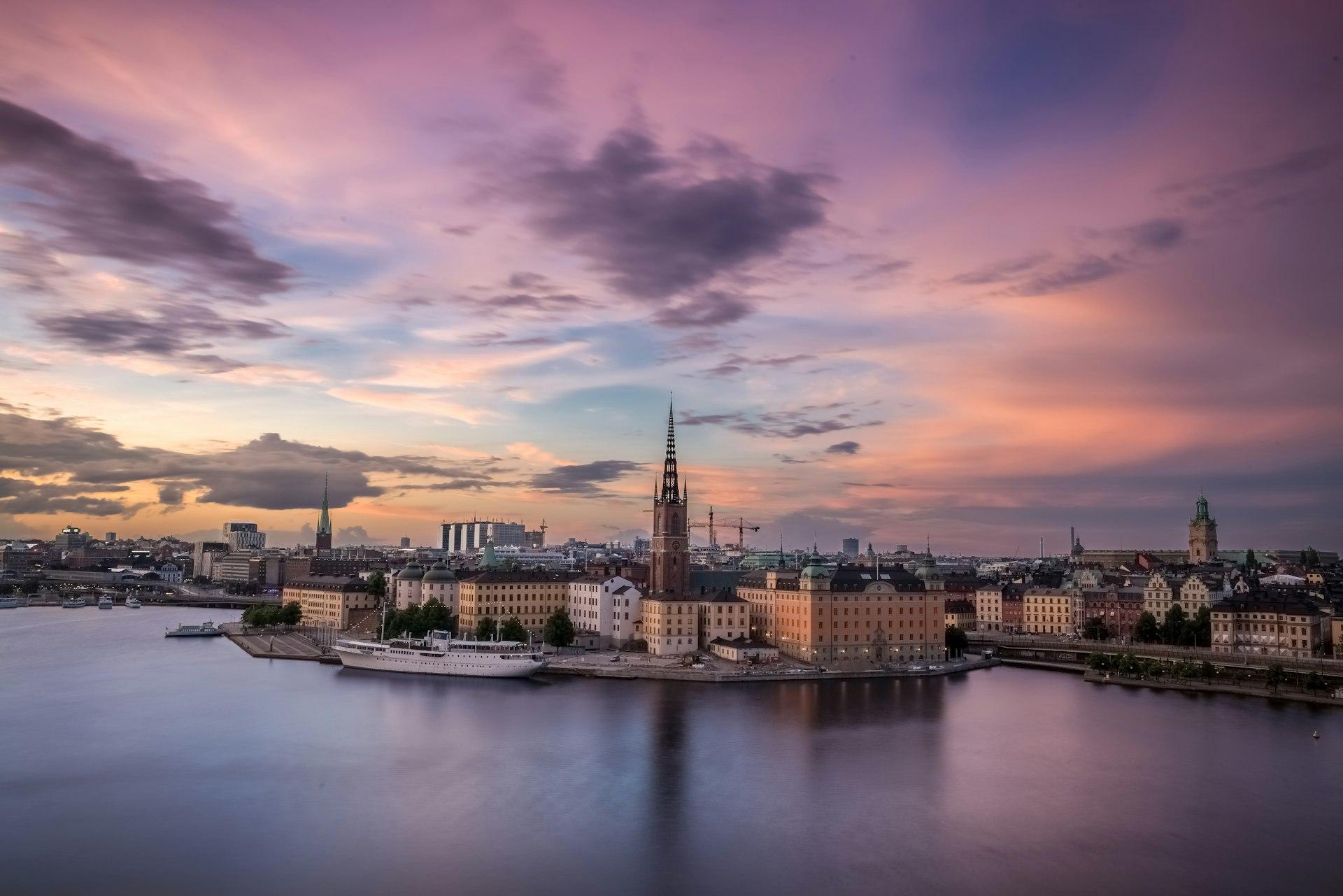
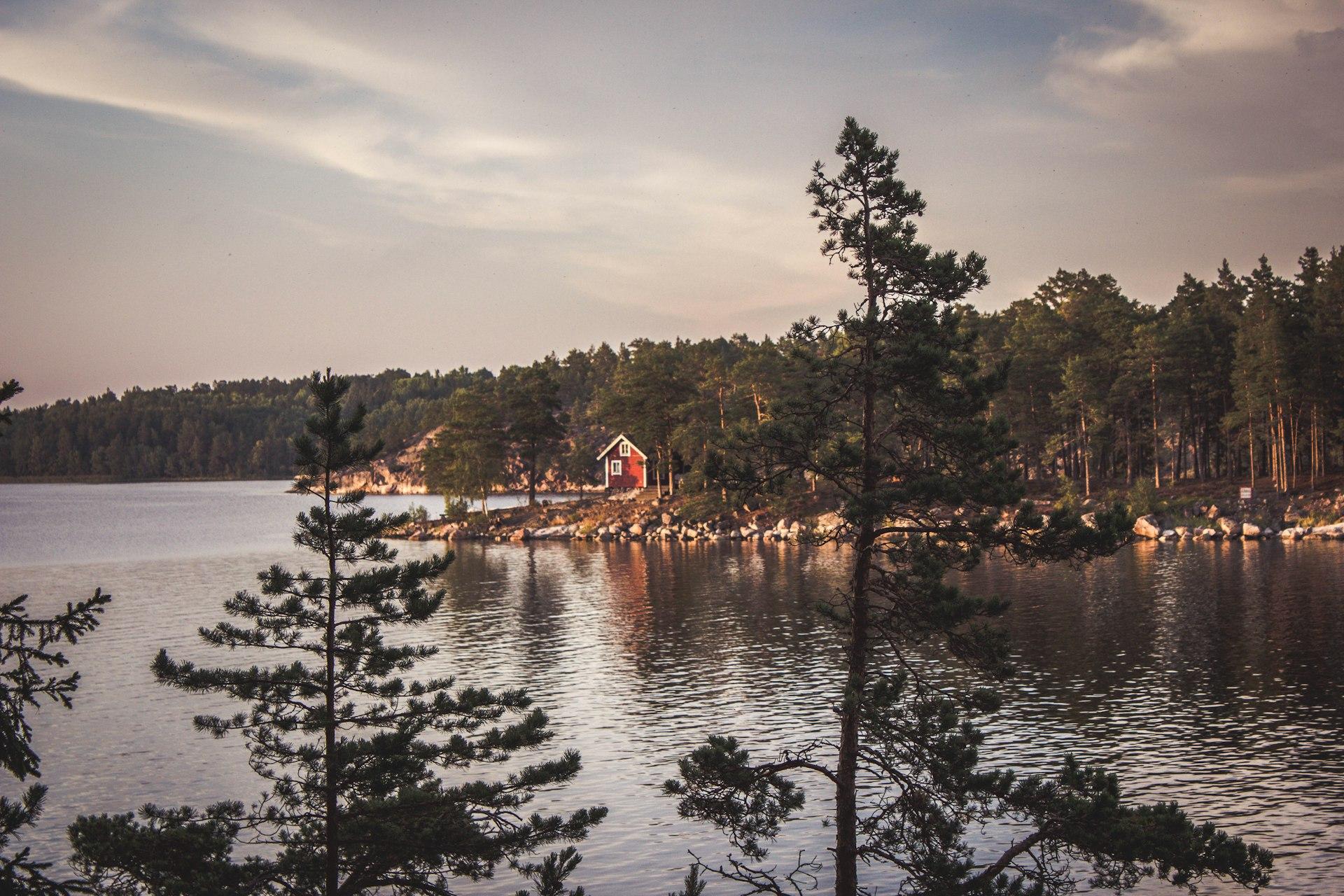
Photo by Inès d'Anselme on Unsplash
Sweden: Forests, Fjords, and the Arctic Circle
Sweden stretches 1,574 km from the Øresund Bridge in the south to the tundra of Lapland in the north. It shares land borders with Norway and Finland and a ferry crossing to Denmark, Germany, and Poland. The country covers 450,295 km² — roughly the size of California — and holds around 10.5 million residents. Stockholm sits on 14 islands where Lake Mälaren meets the Baltic Sea, and that island geography defines how the capital feels at street level.
Cities Worth Exploring
Stockholm anchors the country's hotel market with the largest inventory, from design properties on Södermalm to waterfront rooms in Djurgården. The Gamla Stan district, dating to the 13th century, sits on its own island and connects by bridge to the modern city. Gothenburg, Sweden's second city and a major ferry hub on the west coast, concentrates its hotels around the Avenyn boulevard and the Haga district's 19th-century wooden houses. Malmö, 35 minutes from Copenhagen via the Øresund Bridge, attracts travelers who want easy access to both countries; the Västra Hamnen waterfront neighborhood holds several mid-range and 4-star hotels.
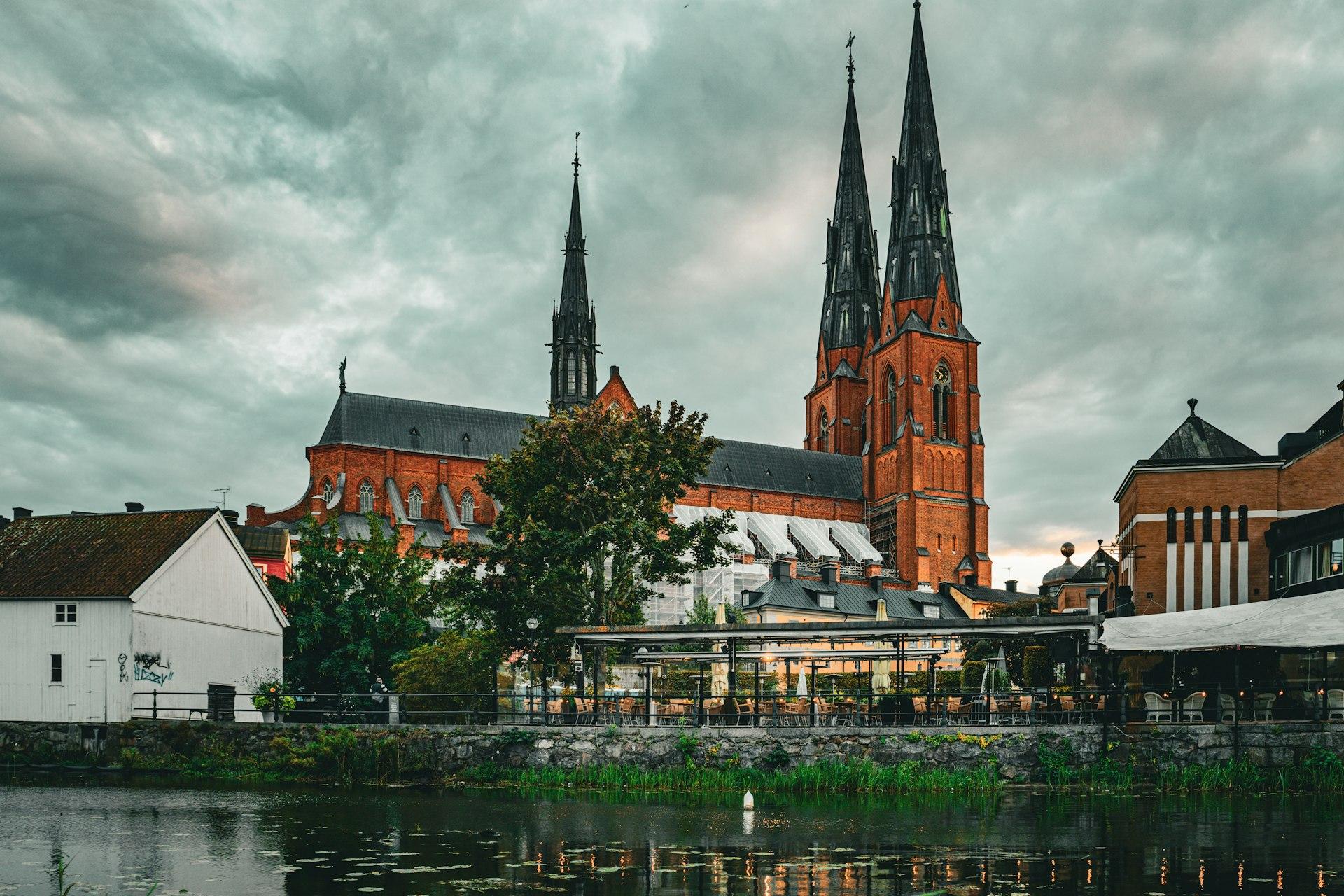
Farther north, Uppsala — home to Scandinavia's oldest university, founded 1477 — sits 70 km from Stockholm and is reachable in 40 minutes by train. Kiruna, 145 km north of the Arctic Circle, is the gateway city for the Icehotel in Jukkasjärvi (7 km east), which has operated since 1989 and rebuilds its frozen suites each winter using ice harvested from the Torne River.
Northern Lights, Midsummer, and the Right Season
Summer (June–August) brings nearly 24-hour daylight above the Arctic Circle and the national Midsommar festival, celebrated on the Friday between 19 and 25 June with maypole dances across every region. Hotel rates in Stockholm peak in July. Winter travel (November–March) targets aurora borealis viewing in Lapland and dogsled routes out of Kiruna and Abisko, where Abisko National Park records some of Sweden's clearest skies. Shoulder months — May and September — offer lower hotel rates and comfortable walking temperatures across the south.
What Travelers Come For
Outdoor access is broad: the Kungsleden trail runs 440 km through the mountains of Swedish Lapland, the Stockholm Archipelago covers roughly 30,000 islands, and Sarek National Park holds 200 km of marked paths through glaciers and river valleys. City travelers focus on design museums — the Vasa Museum on Djurgården preserves a 17th-century warship salvaged in 1961 — and the food scene in Gothenburg, which has more Michelin-starred restaurants per capita than any Swedish city outside Stockholm. Sweden's rail network (operated by SJ) connects Stockholm to Gothenburg in 3 hours and to Malmö in 2.5 hours on high-speed services.
Practical Tips for Visiting Sweden
- Getting around: Book SJ trains at least two weeks ahead for the lowest fares; night trains to Kiruna fill quickly in winter.
- Currency: Swedish krona (SEK); card payments accepted almost universally — cash is rarely needed.
- Language: English is spoken widely in hotels, restaurants, and transport hubs across the country.
- Seasons: Pack layered clothing year-round; summer evenings in the north can drop to 8 °C even in July.
- Entry: EU citizens travel visa-free; most other nationalities enter under the Schengen Agreement for stays up to 90 days.
Frequently Asked Questions
Q: When is the best time to see the northern lights in Sweden? A: The aurora season runs from late September to late March, with February and March offering longer dark hours and more stable weather. Abisko National Park is considered Sweden's most reliable viewing location due to its microclimate of low cloud cover.
Q: How far is the Icehotel from Kiruna airport? A: The Icehotel in Jukkasjärvi is approximately 17 km from Kiruna Airport (KRN), about a 20-minute drive. Shuttle transfers are bookable in advance through the property.
Q: Do Stockholm hotels require advance booking in summer? A: July is the city's peak month; properties in Gamla Stan and Östermalm fill weeks ahead. Booking 4–6 weeks in advance is advisable for central locations during Midsommar weekend.
Q: Is Sweden expensive for travelers? A: Sweden sits among Europe's higher-cost destinations. Budget hotel rooms in Stockholm start around SEK 900–1,200 per night; Gothenburg and Malmö run slightly lower. Rural guesthouses and hostels in Lapland offer more affordable options outside peak aurora season.
Q: What is the Kungsleden trail? A: The Kungsleden ("King's Trail") is a 440 km long-distance hiking and skiing route through the mountains of Swedish Lapland, stretching from Abisko in the north to Hemavan in the south. Mountain huts operated by the Swedish Tourist Association (STF) are spaced one day's walk apart.