

Hotels in Chinatown / Yaowarat, Bangkok
1 hotel · 8 nearby attractions· Part of Bangkok
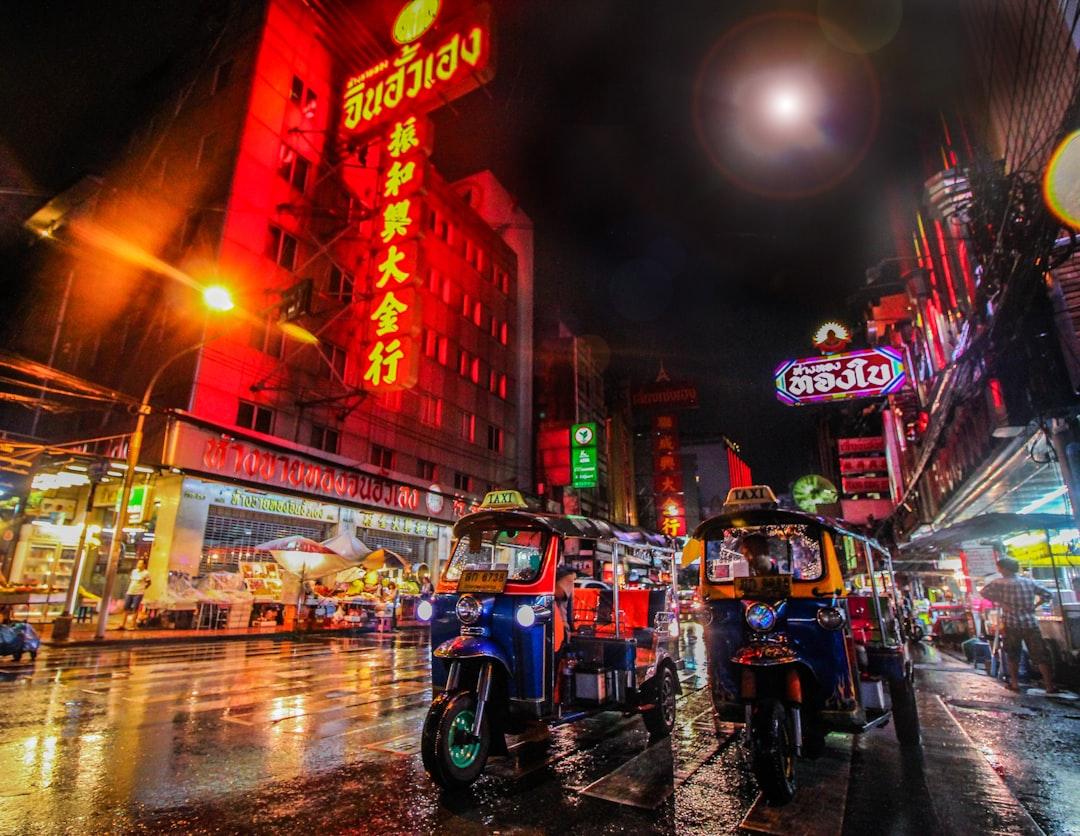
Photo by Bradrey Nassel on Unsplash
About Chinatown / Yaowarat
Chinatown / Yaowarat: Bangkok's Golden Mile
Yaowarat Road, the beating heart of Bangkok's Chinatown, has drawn traders, food lovers, and curious travelers for well over a century. Stretching through the Samphanthawong district, this dense, aromatic neighborhood is one of the oldest and most commercially active parts of the Thai capital — a place where gold shops line the pavements, temple incense drifts through the air, and the smell of roasting duck mingles with diesel fumes after dark.
Food, Markets, and Street Life
Yaowarat is widely regarded as one of Bangkok's premier street food destinations. After sunset, the main road transforms into an open-air dining corridor where vendors set up stalls selling fresh seafood, dim sum, boat noodles, and the neighborhood's signature dish — khao tom, a Thai-style rice porridge. The nearby Talat Kao (Old Market) and Talat Mai (New Market) are two of the city's oldest fresh markets, supplying ingredients to restaurants across Bangkok. Exploring the narrow sois (side streets) off Yaowarat Road reveals herb shops, dried goods merchants, and small shrines tucked between buildings.
Temples and Cultural Heritage
Chinatown is home to several significant religious sites. Wat Mangkon Kamalawat, also known as Neng Noi Yee, is the largest Chinese Buddhist temple in Bangkok and a focal point during Chinese New Year celebrations. Wat Traimit, located near Hua Lamphong Station, houses the famous Golden Buddha — a solid gold statue weighing approximately five and a half tonnes, considered one of the largest of its kind in the world. The district also sits within easy reach of major Bangkok landmarks including Wat Pho, Wat Arun, and the Grand Palace.
Practical Tips
- Getting there: Take the MRT to Hua Lamphong Station or use the Chao Phraya Express Boat to the Marine Department Pier (Tha Ratchawong).
- Best time to visit: Evenings from around 6 PM onward, when street food stalls open in full force.
- Chinese New Year: The district hosts Bangkok's largest Chinese New Year celebrations, usually in January or February — expect large crowds.
- Cash is king: Many small vendors and market stalls do not accept cards, so carry Thai baht.
- Combine with nearby attractions: Wat Pho and the Grand Palace are accessible by a short tuk-tuk or boat ride.
Nearby attractions


Part of Bangkok
Hotels in Chinatown / Yaowarat

Chinatown / Yaowarat
27 reviews
Check availability