
Hotels in Thailand
41 cities · 912 hotels
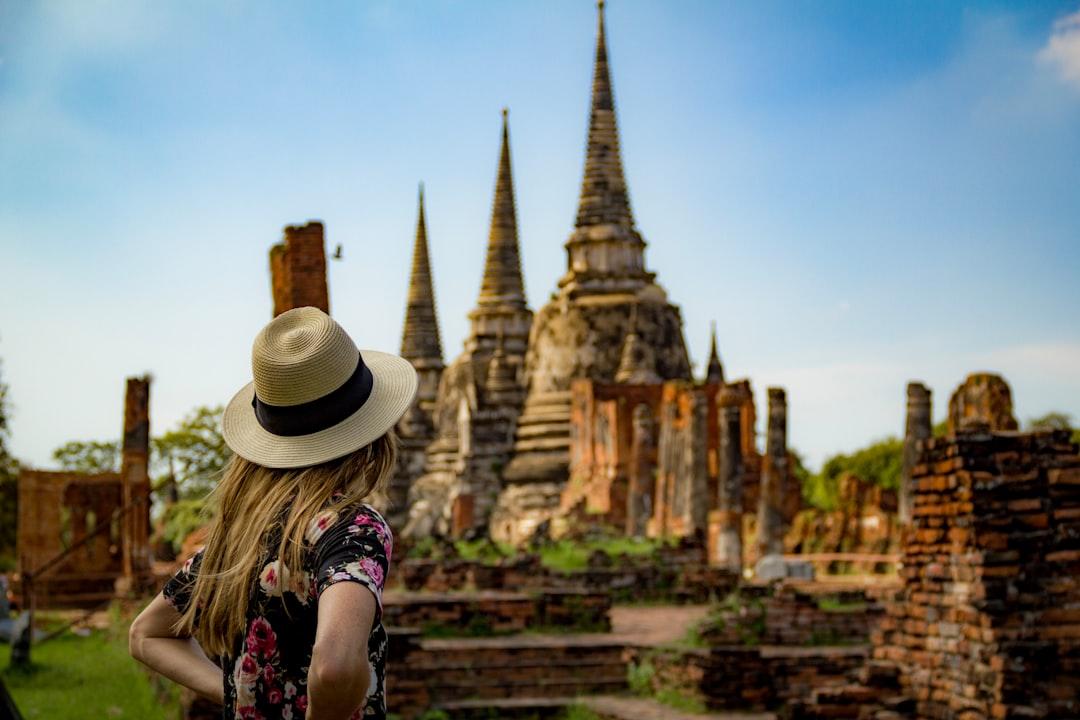
Photo by Brenton Williamson on Unsplash
Thailand sits at the heart of Southeast Asia, drawing millions of visitors each year with its combination of ancient temples, tropical coastlines, vibrant street food culture, and warm hospitality. Whether you are exploring the chaotic energy of Bangkok's markets, island-hopping along the Andaman Sea, or trekking through the forested hills of the north, Thailand offers a remarkable range of experiences across a relatively compact geography.
Bangkok and Central Thailand: History Meets Urban Energy
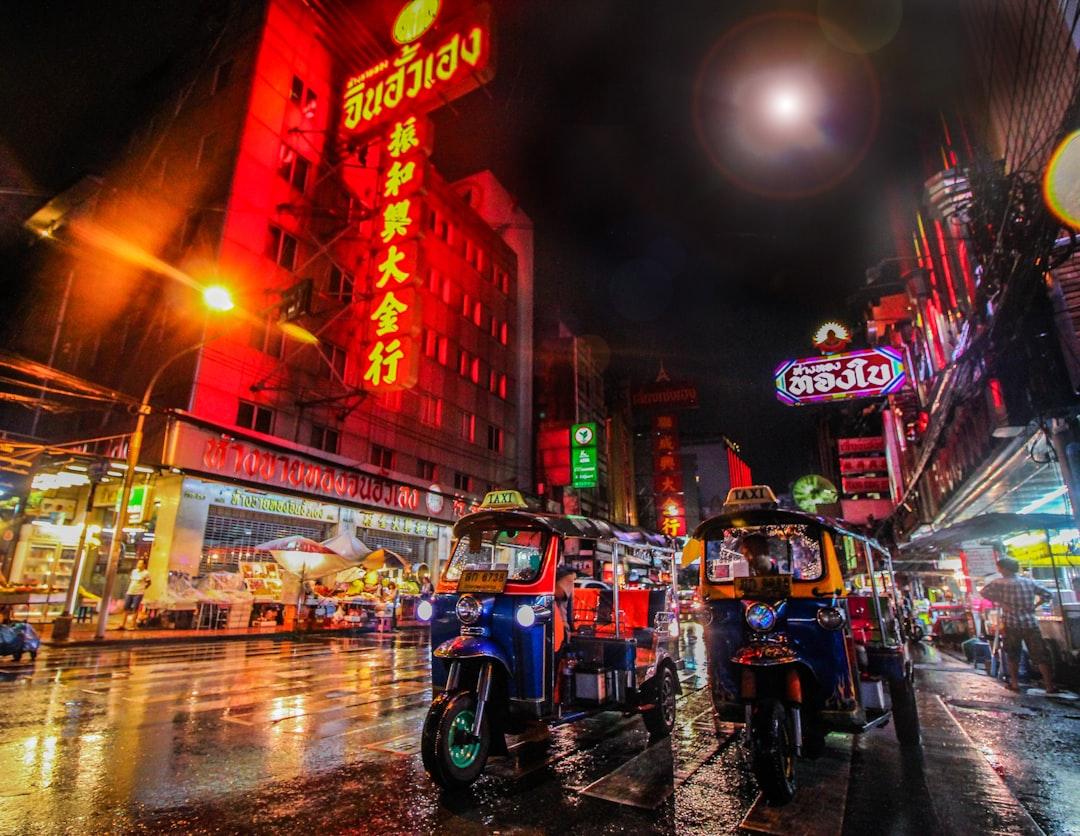
Bangkok, Thailand's capital, is one of the most visited cities in the world. It blends centuries-old royal palaces and Buddhist temples with a modern skyline, world-class dining, and some of Asia's most dynamic nightlife. The Grand Palace and Wat Phra Kaew (Temple of the Emerald Buddha) are essential stops, as is the riverside area along the Chao Phraya River. A short journey north of Bangkok lies Ayutthaya, a UNESCO World Heritage Site and former capital of the Kingdom of Siam. Its brick temple ruins and headless Buddha statues scattered across a flat, tree-lined island make it one of the most historically significant destinations in the country. Day trips from Bangkok are straightforward by train or bus, making Ayutthaya easy to combine with a city stay.
Hua Hin, a coastal town a few hours south of Bangkok, offers a quieter beach alternative. Long favored by the Thai royal family, it has a relaxed atmosphere, a well-maintained beach, and a night market that draws both locals and travelers.
Northern Thailand: Mountains, Culture, and Cuisine
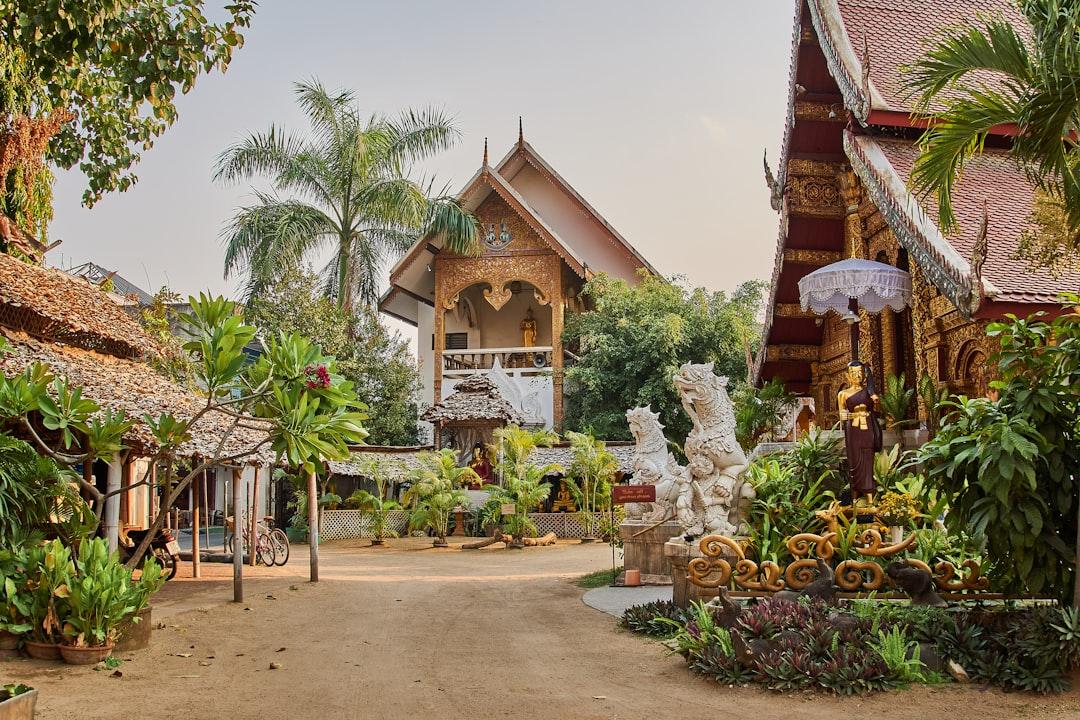
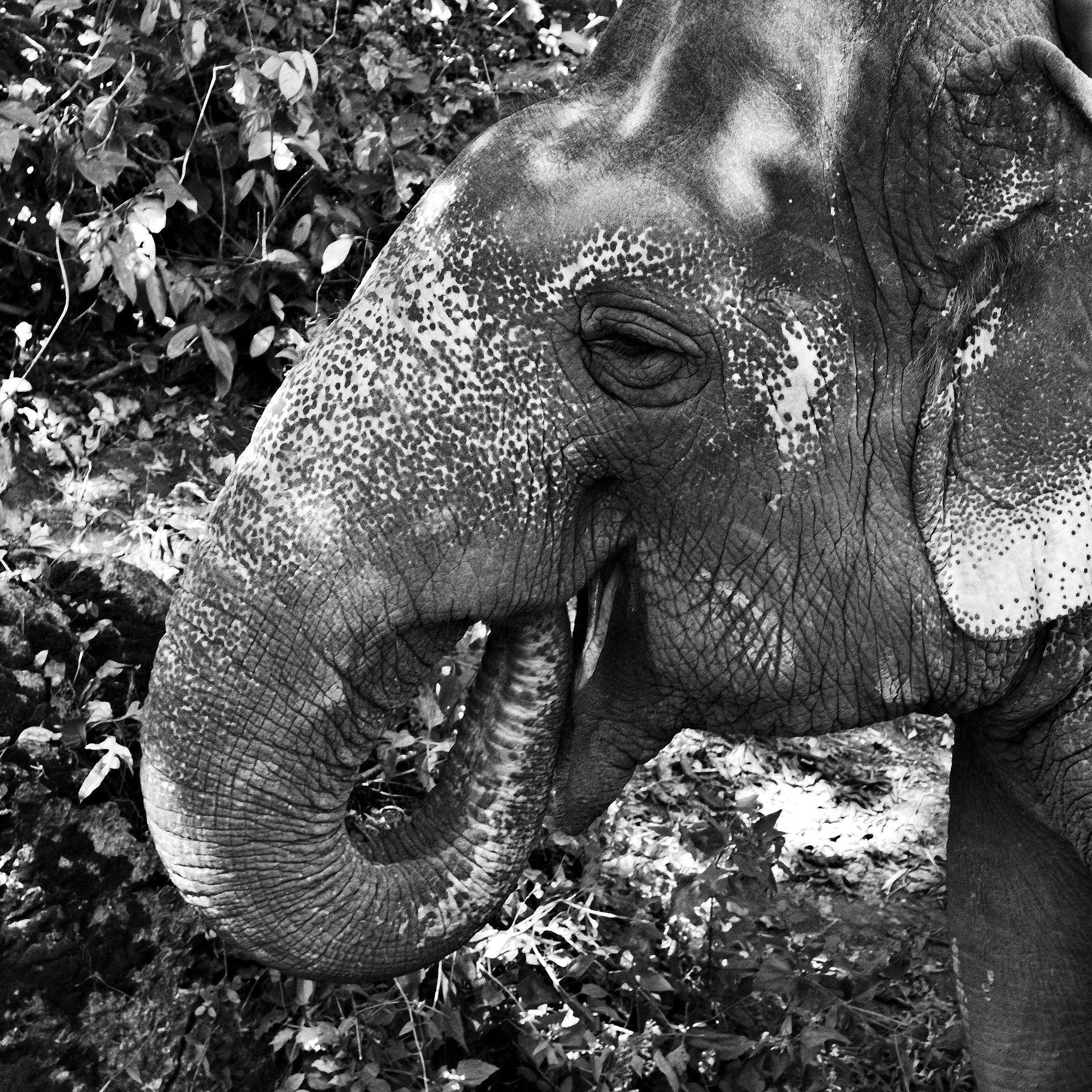
Chiang Mai is the cultural capital of northern Thailand and the country's second-largest city. It is home to over 300 Buddhist temples, including the hilltop Doi Suthep, which offers panoramic views over the city. The old city center is enclosed by a moat and ancient walls, and the Sunday Walking Street market is one of the best places in Thailand to find handmade crafts and northern Thai food. The surrounding mountains provide opportunities for trekking, visiting hill tribe villages, and exploring national parks. Chiang Mai also serves as a base for ethical elephant sanctuary visits, which have become a popular alternative to traditional elephant camps.
Southern Thailand: Islands, Beaches, and Marine Parks
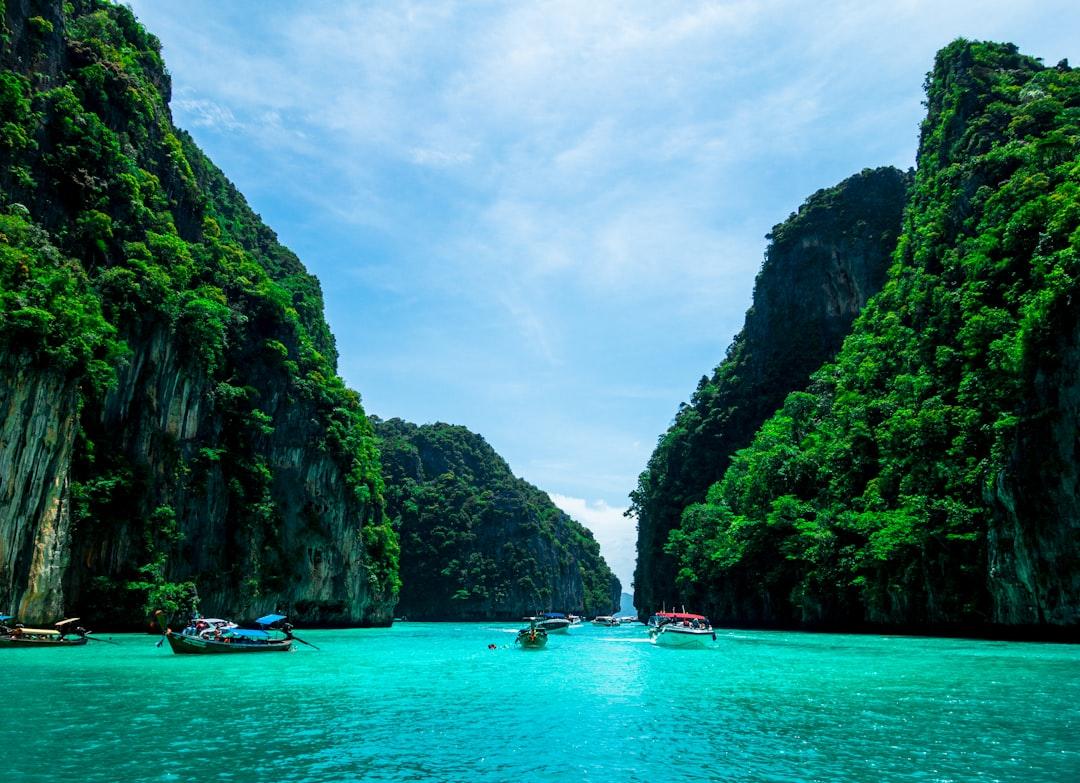
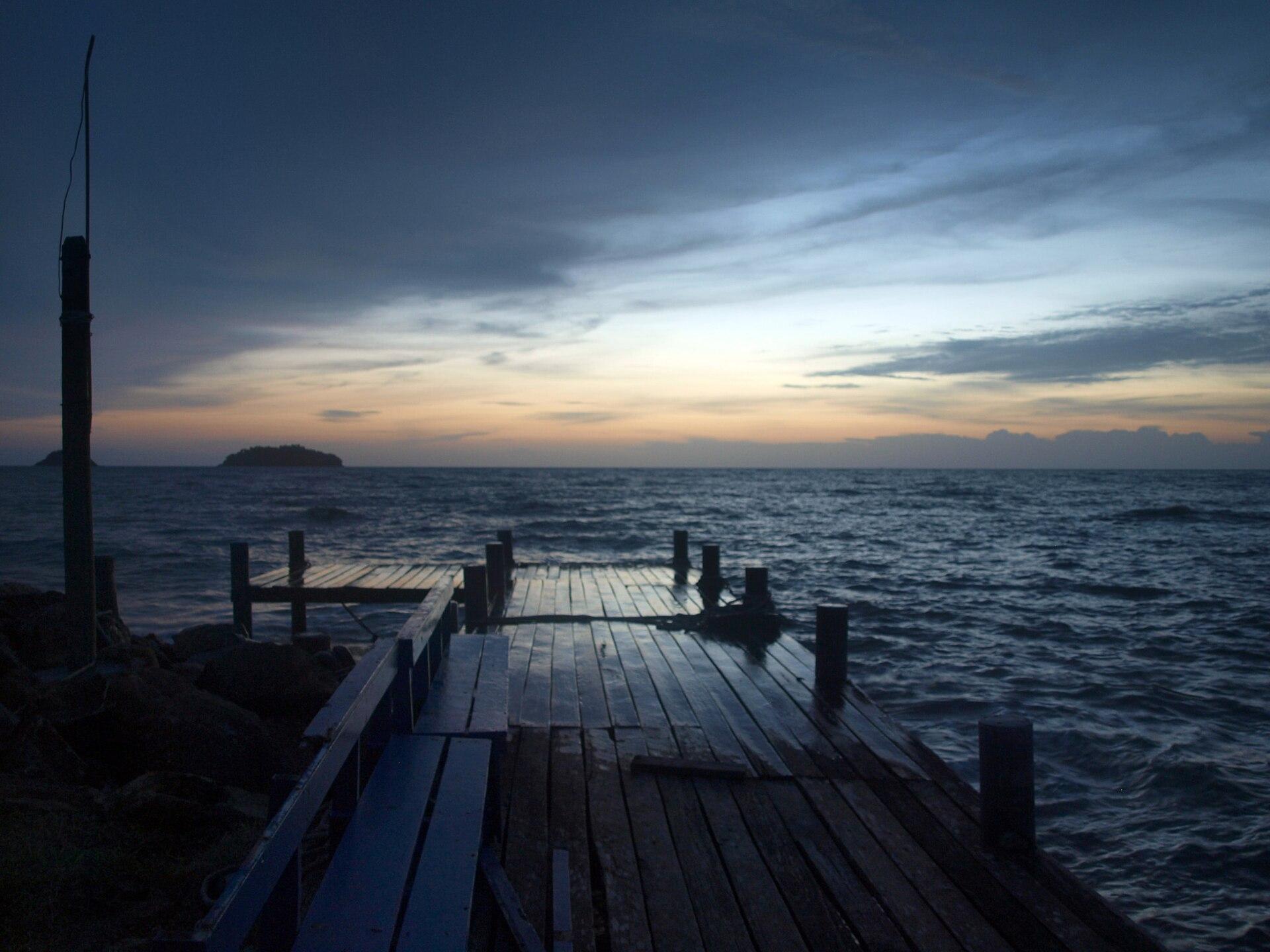
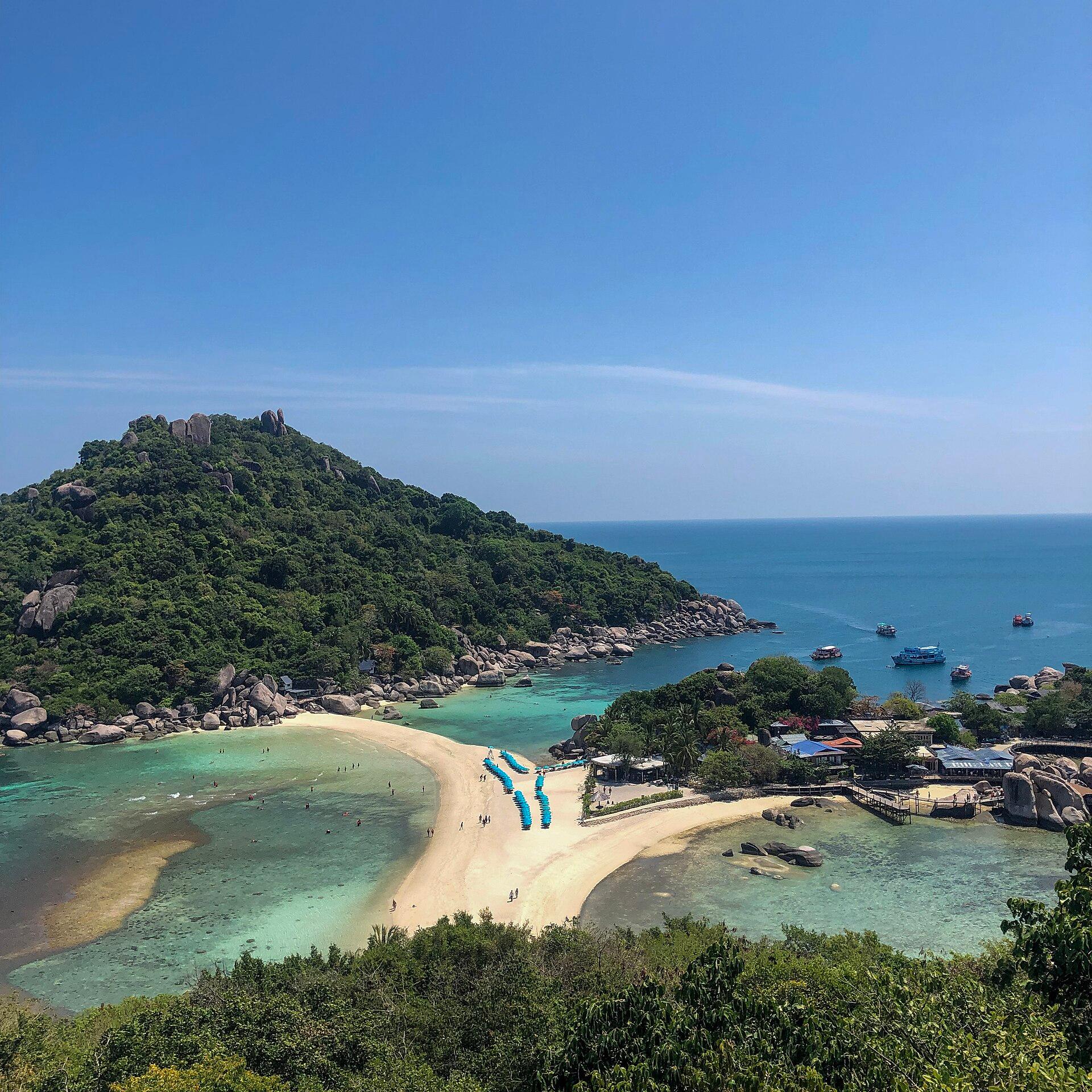
Thailand's southern coastline is divided between the Gulf of Thailand to the east and the Andaman Sea to the west. Phuket, the country's largest island, is connected to the mainland by a bridge and has a well-developed infrastructure including international airports, resorts, and a broad range of dining and entertainment options. Patong Beach is the busiest area, while quieter spots like Kata and Kamala offer a more relaxed setting. Krabi, on the Andaman coast, is known for its dramatic limestone karst formations, clear water, and access to islands such as Koh Phi Phi and the Railay Peninsula, reachable only by boat. On the Gulf side, Koh Samui is a large island with a strong tourism infrastructure, international flights, and beaches ranging from the lively Chaweng to the calmer Bophut. Pattaya, southeast of Bangkok on the Gulf coast, is a major resort city with a wide range of water sports, entertainment venues, and family attractions.
Practical Tips for Visiting Thailand
- Visa requirements: Many nationalities receive a visa exemption on arrival for 30 days, though this can vary. Check current rules with the Thai embassy before travel.
- Best time to visit: November to April is generally the driest and most comfortable period across most of the country. The Andaman coast (Phuket, Krabi) can see heavy rain from May to October, while the Gulf coast (Koh Samui) has a different weather pattern with its wettest months typically in November and December.
- Currency: The Thai Baht (THB) is the local currency. ATMs are widely available, and cards are accepted at most hotels and larger restaurants.
- Getting around: Domestic flights are affordable and connect major cities and islands. Trains and long-distance buses cover mainland routes. Tuk-tuks, taxis, and ride-hailing apps like Grab are common in cities.
- Temple etiquette: Dress modestly when visiting temples — shoulders and knees should be covered. Remove shoes before entering temple buildings.
- Food safety: Street food in Thailand is generally safe and excellent. Stick to busy stalls with high turnover and avoid raw shellfish if you have concerns.
Cities in Thailand
Chiang Mai hotels
Thailand · 144 hotels
Bangkok hotels
Thailand · 111 hotels
Phuket hotels
Thailand · 105 hotels
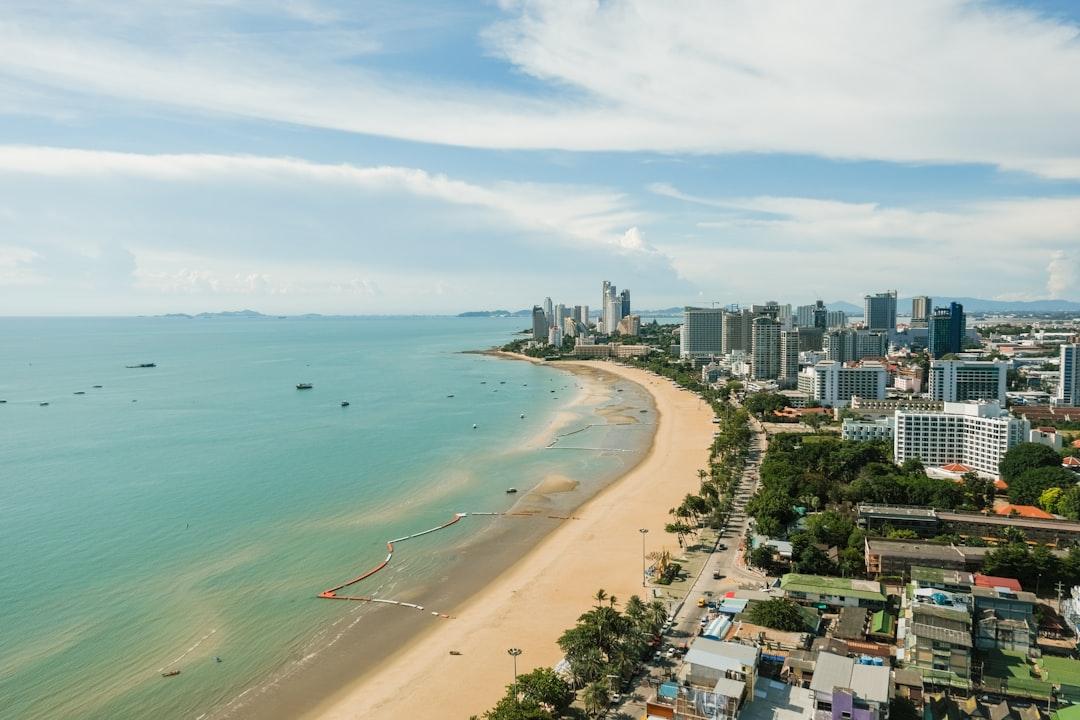
Pattaya hotels
Thailand · 98 hotels
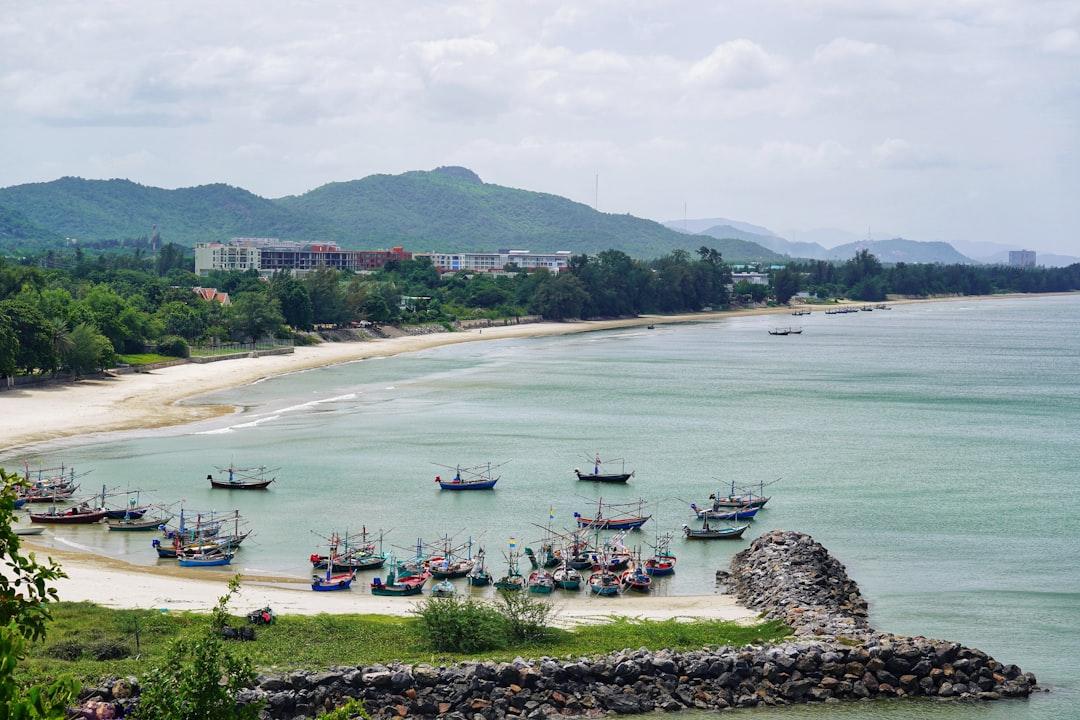
Hua Hin hotels
Thailand · 93 hotels
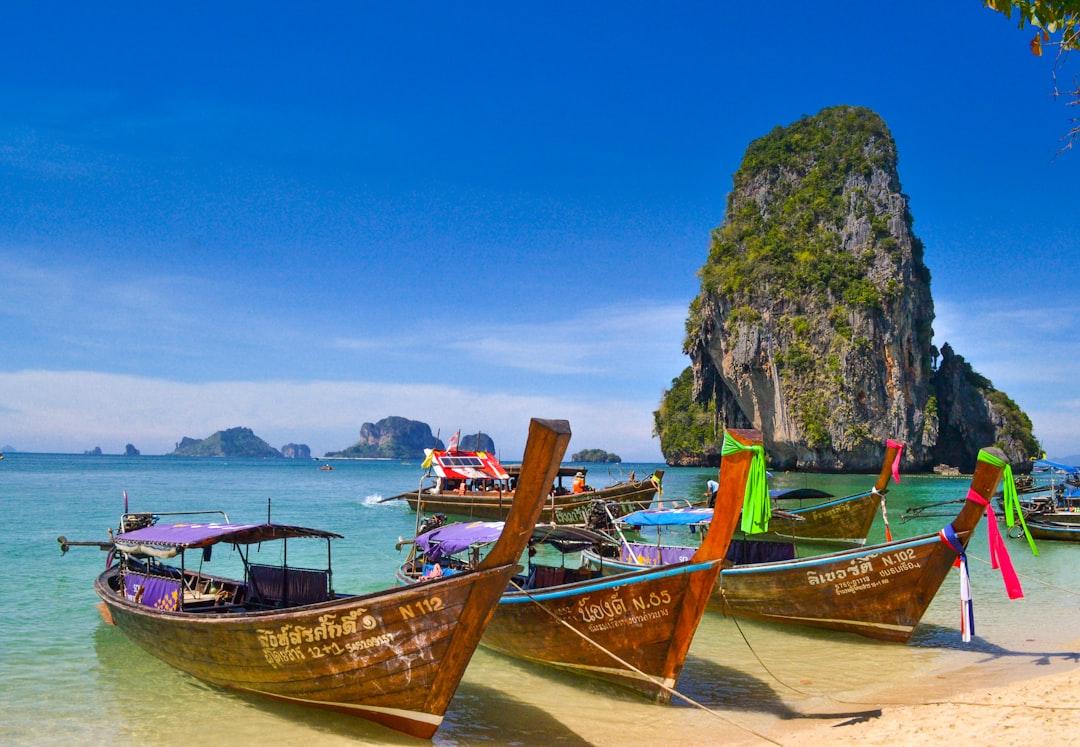
Krabi hotels
Thailand · 86 hotels
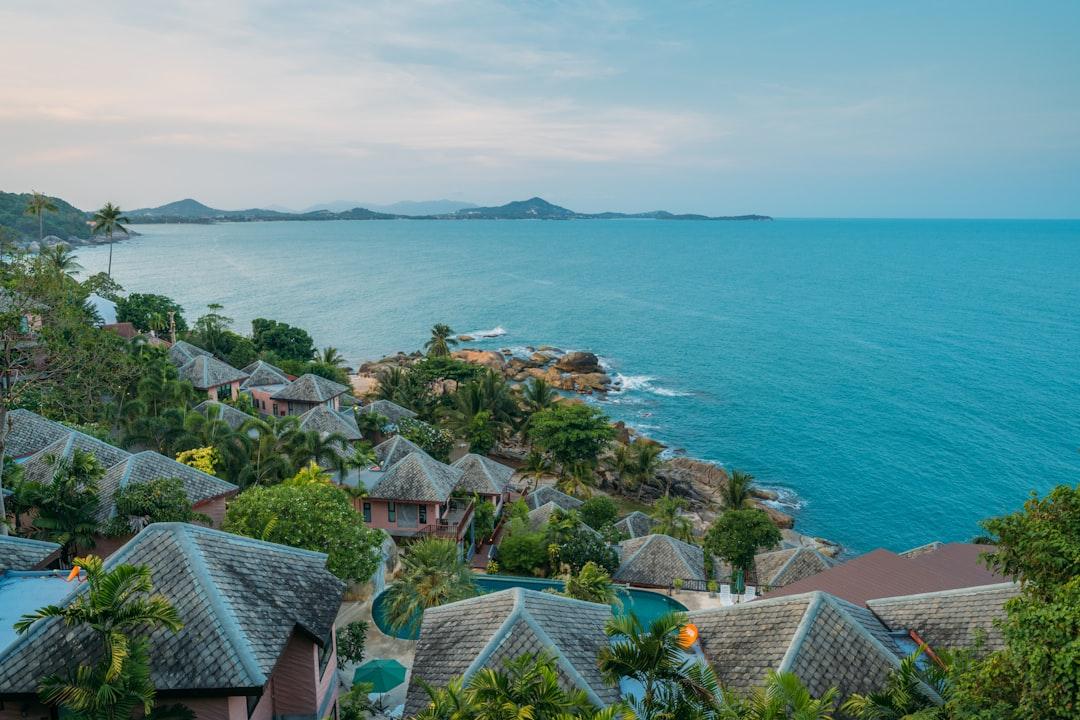
Koh Samui hotels
Thailand · 79 hotels
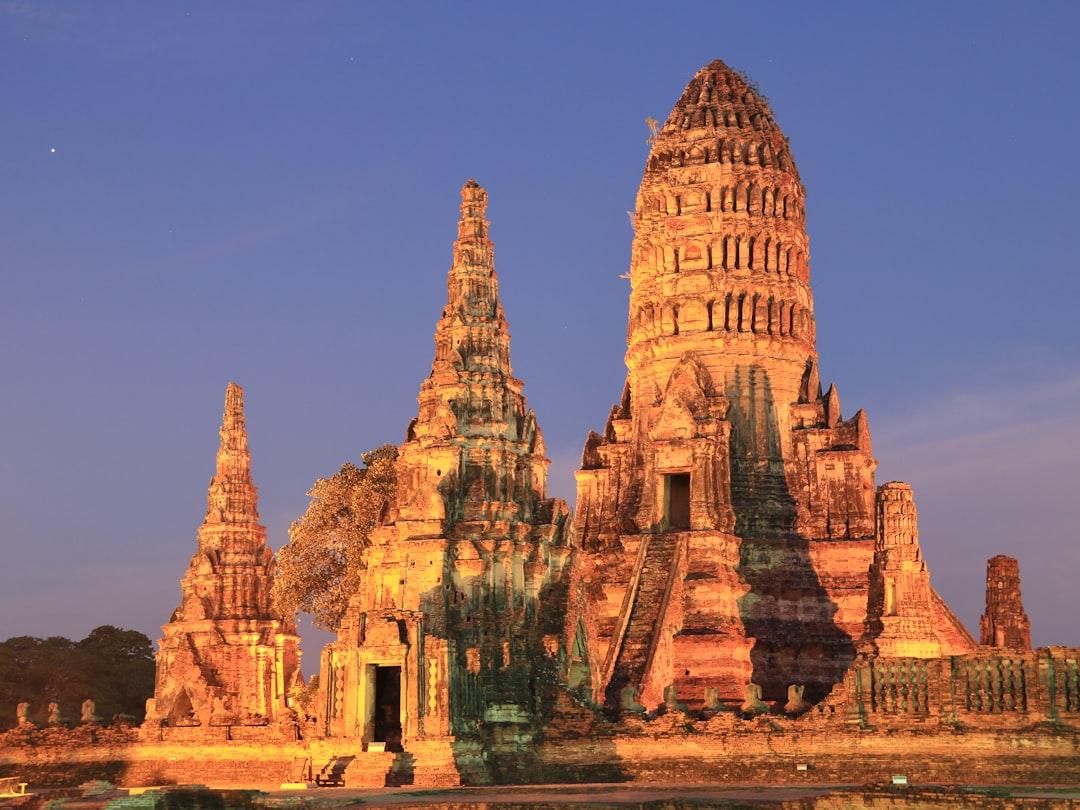
Ayutthaya hotels
Thailand · 25 hotels
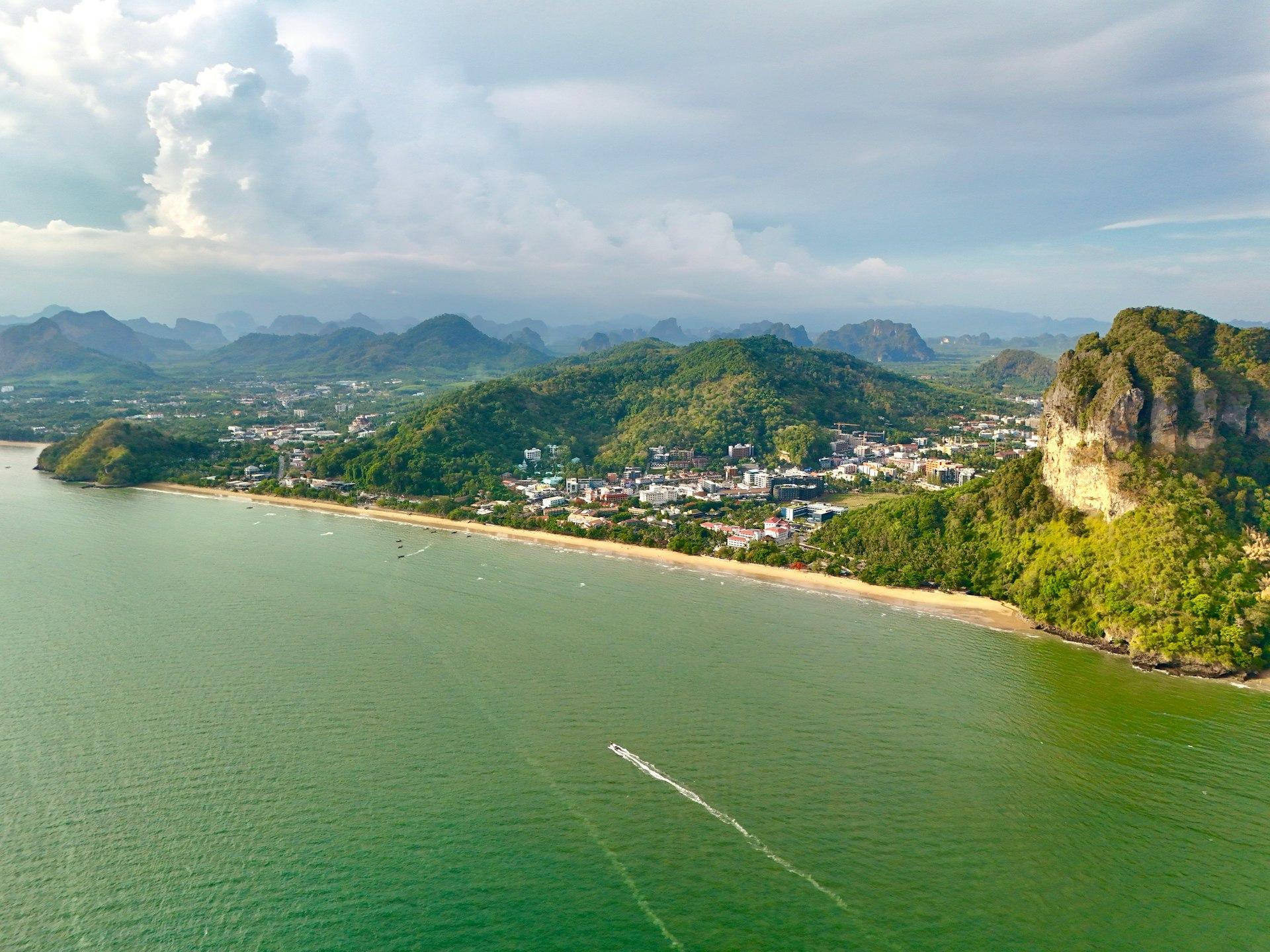
Ao Nang hotels
Thailand · 23 hotels
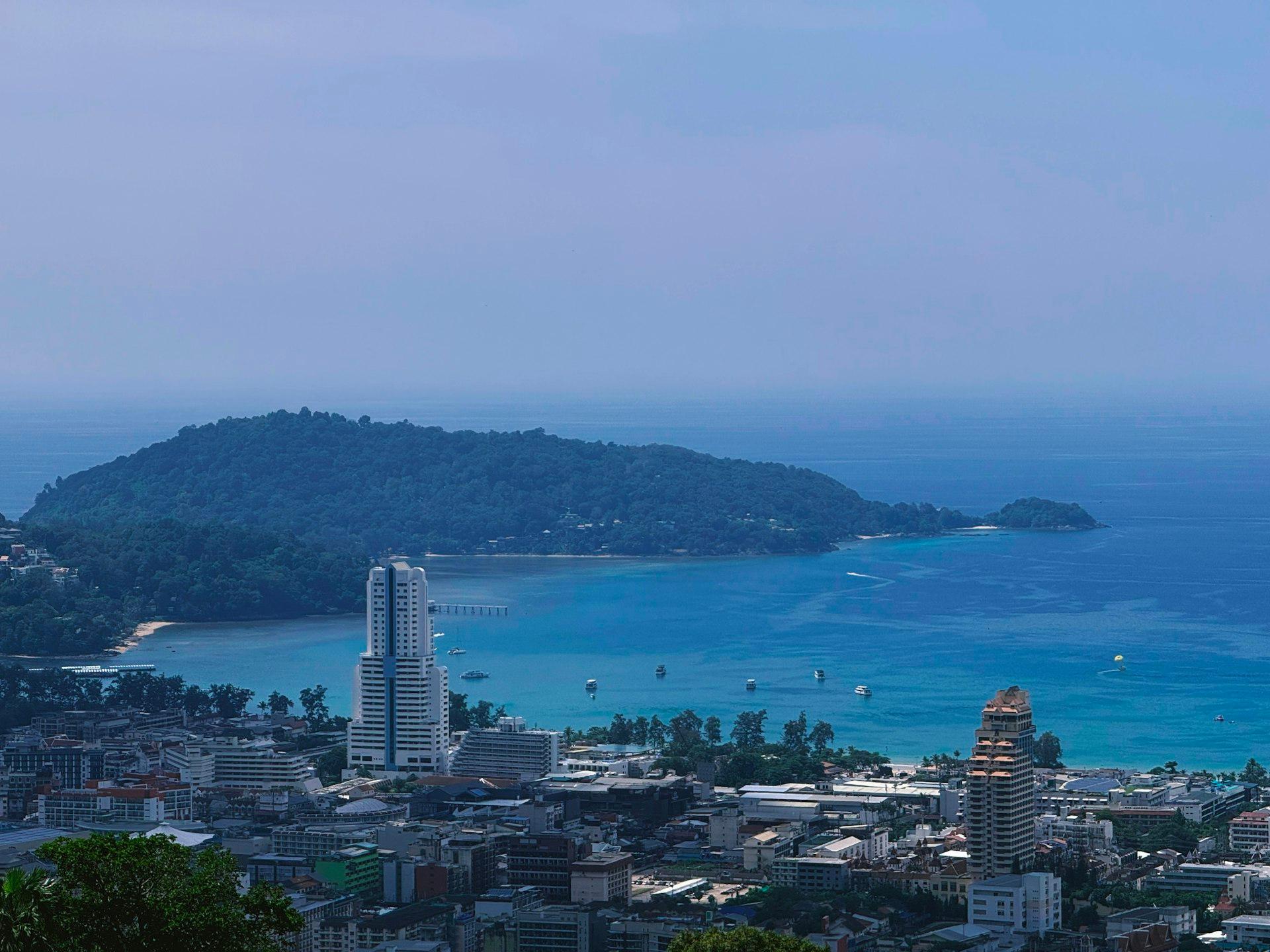
Patong Beach hotels
Thailand · 19 hotels
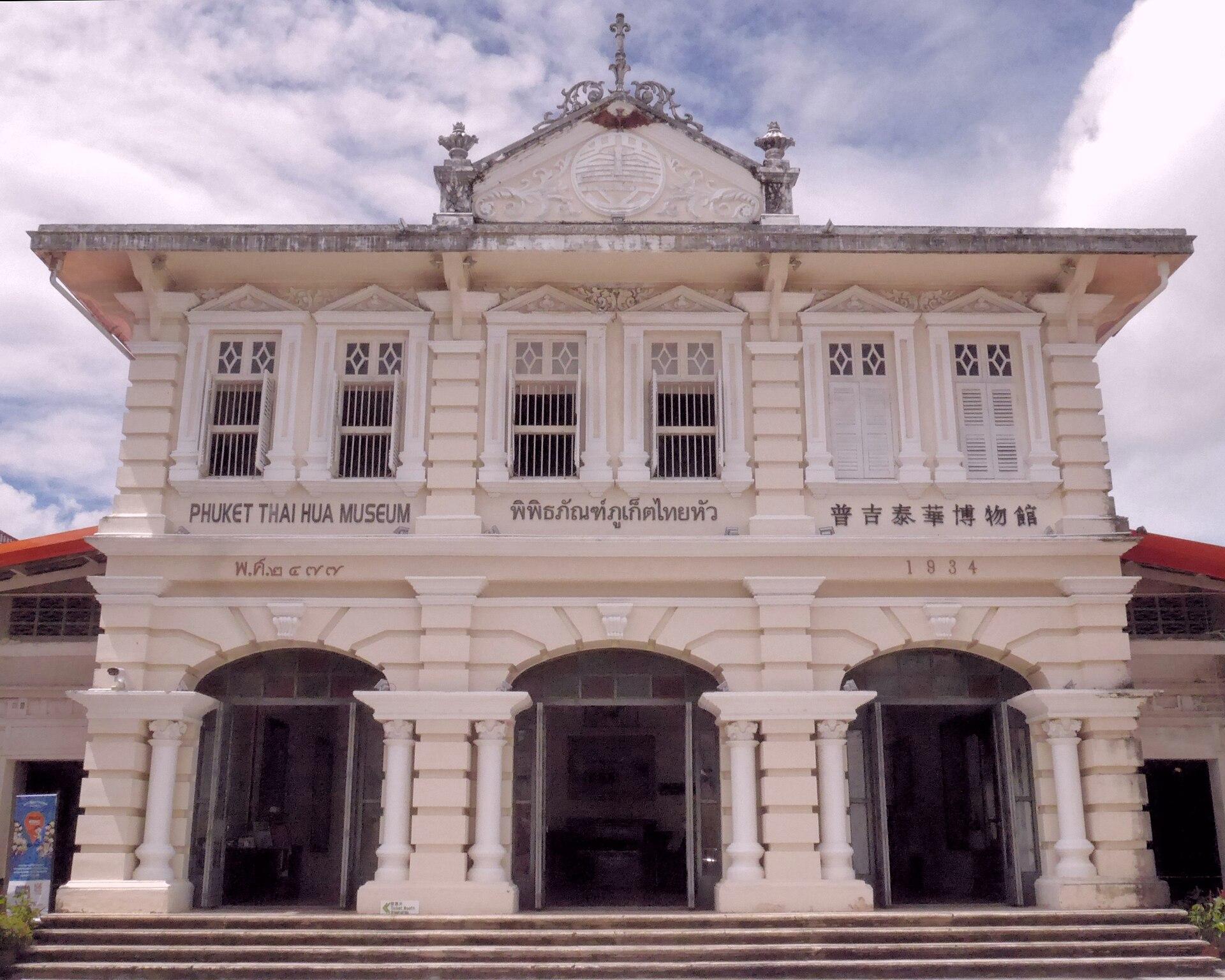
Phuket Town hotels
Thailand · 19 hotels
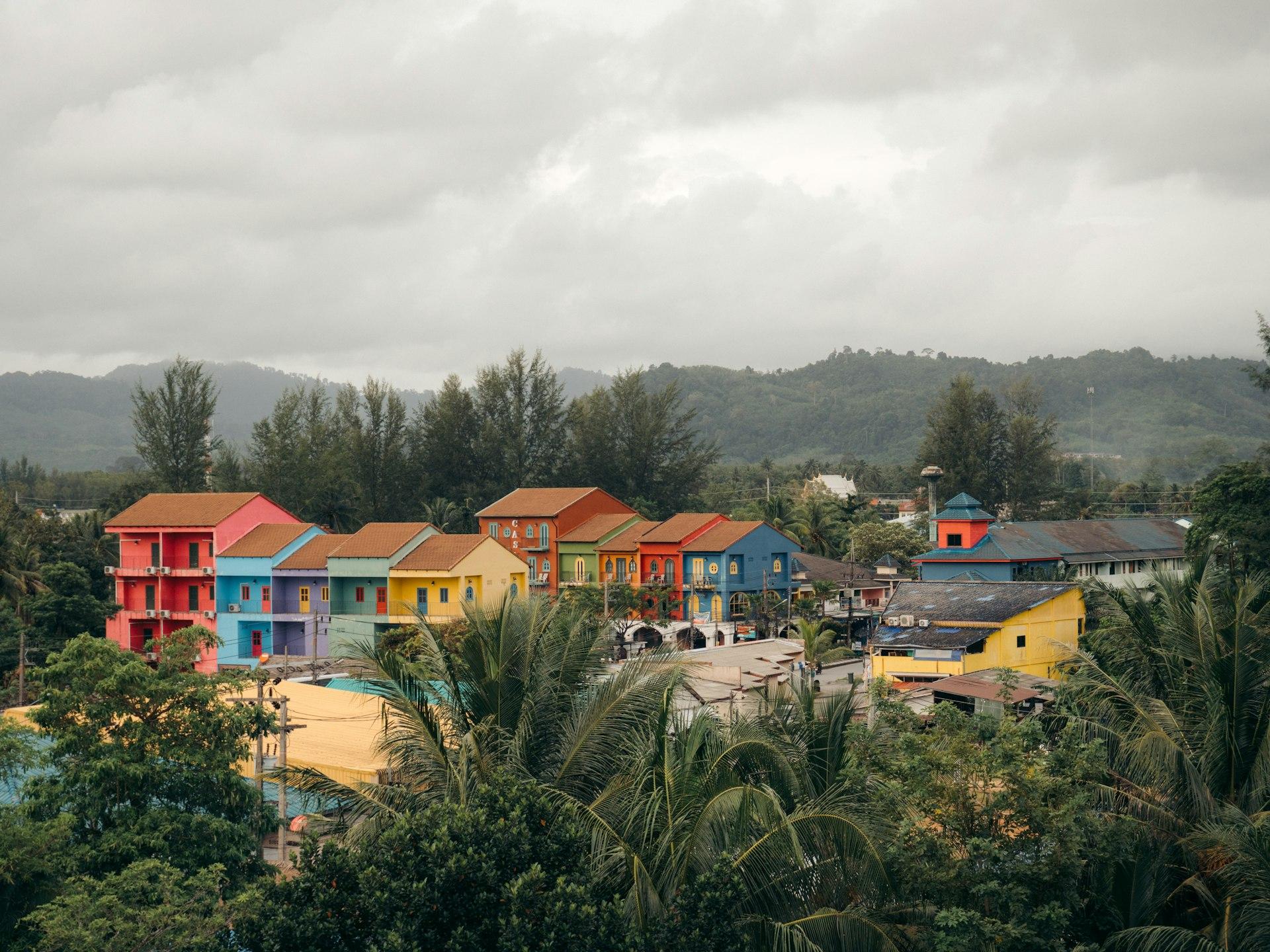
Khao Lak hotels
Thailand · 15 hotels
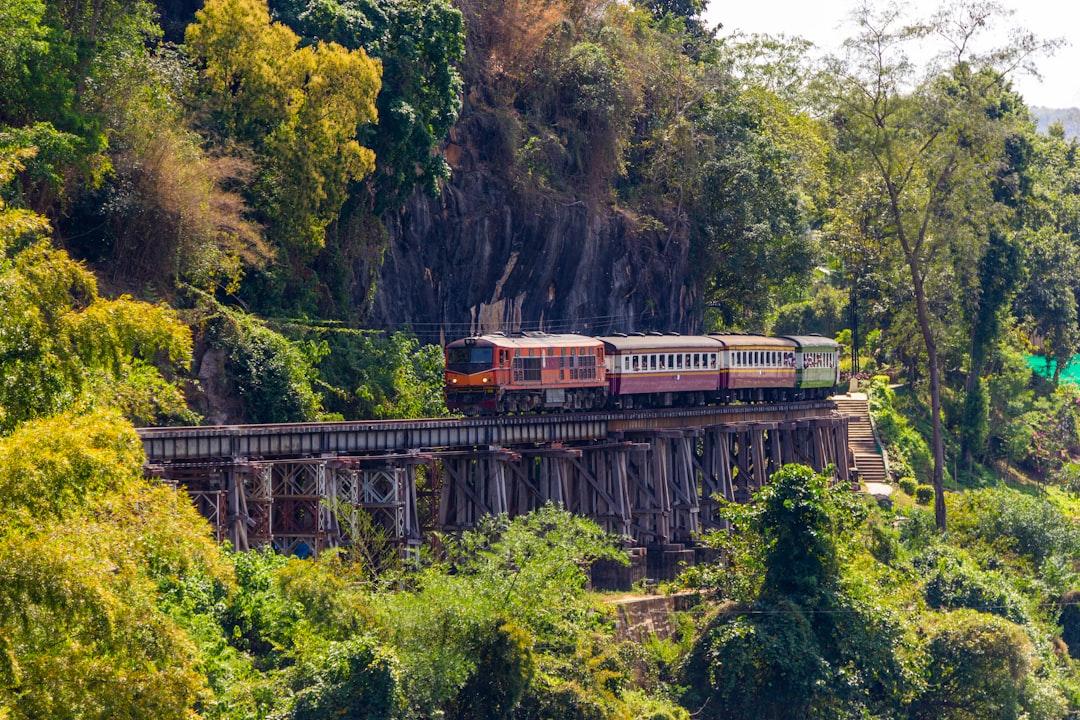
Kanchanaburi hotels
Thailand · 12 hotels
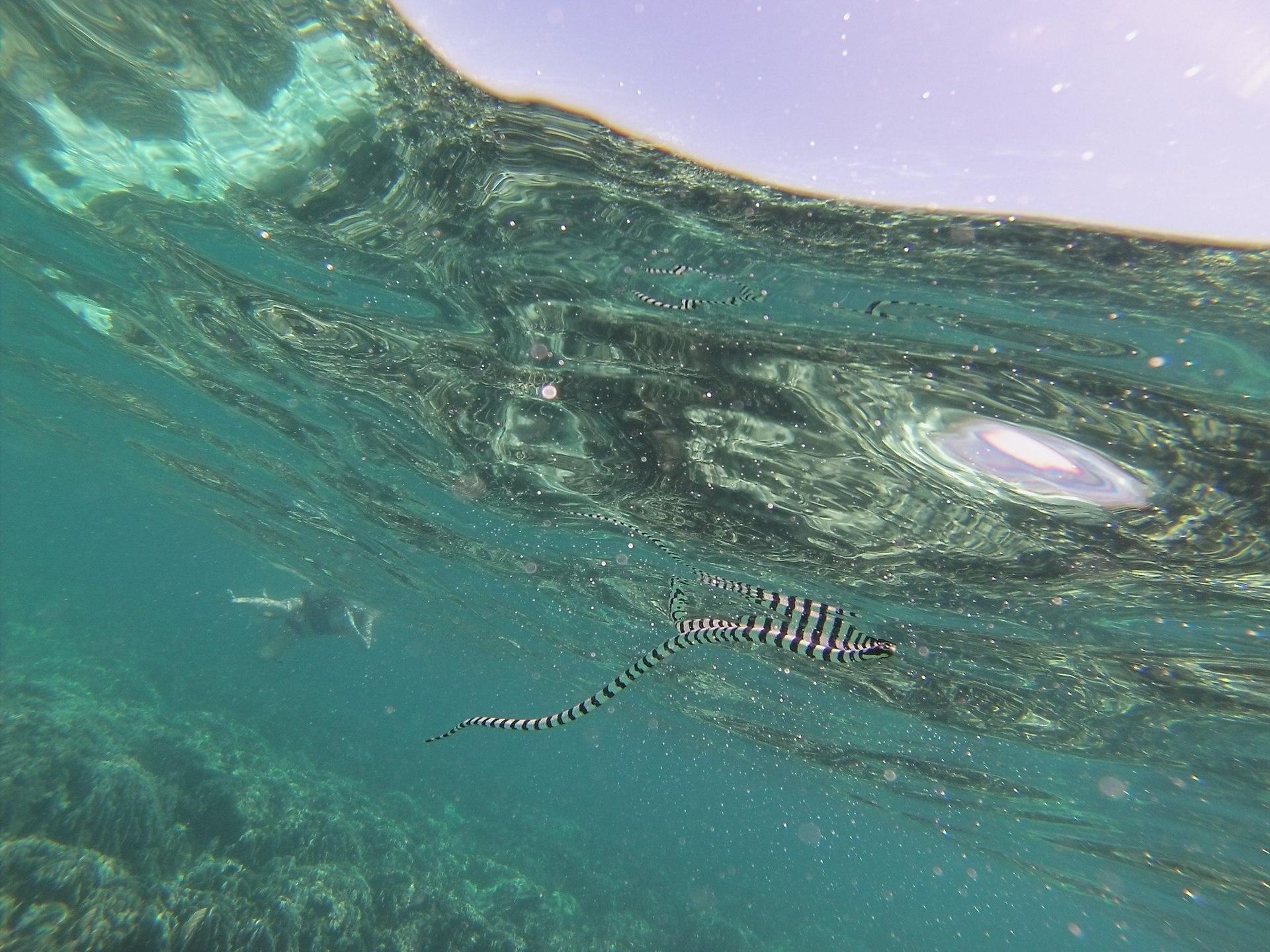
Ko Lanta hotels
Thailand · 10 hotels
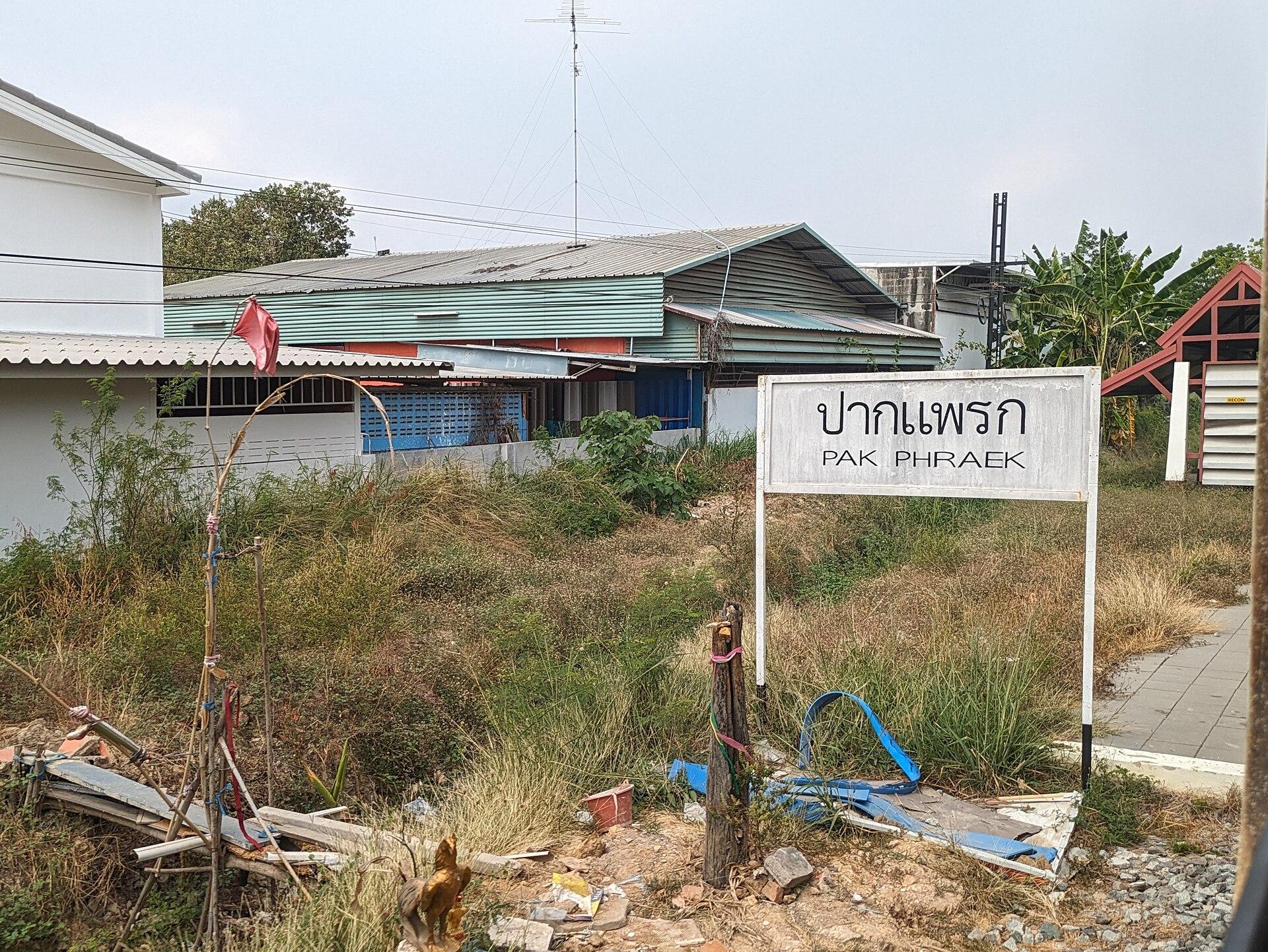
Ban Hua Na hotels
Thailand · 7 hotels
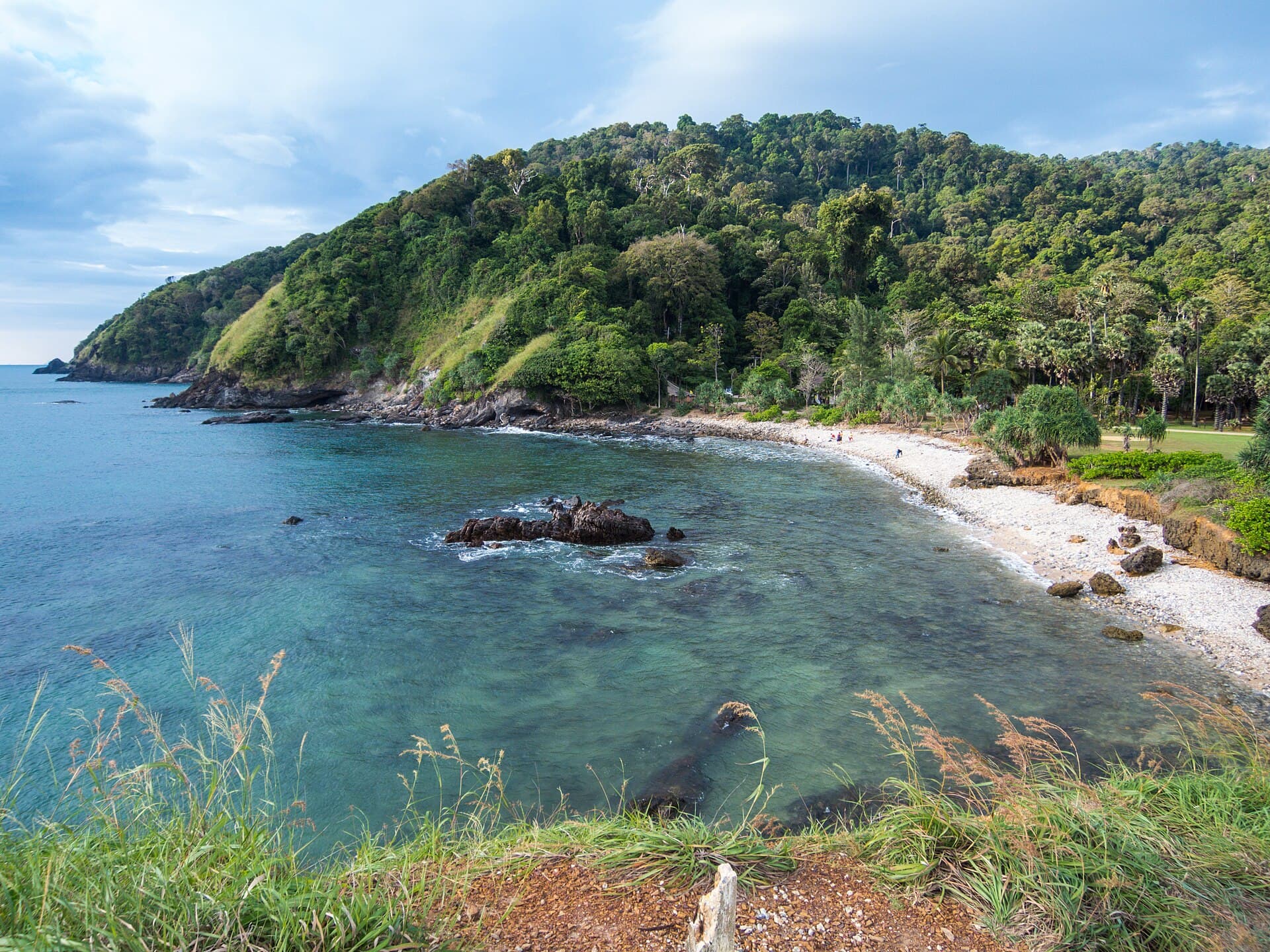
Khlong Top hotels
Thailand · 6 hotels
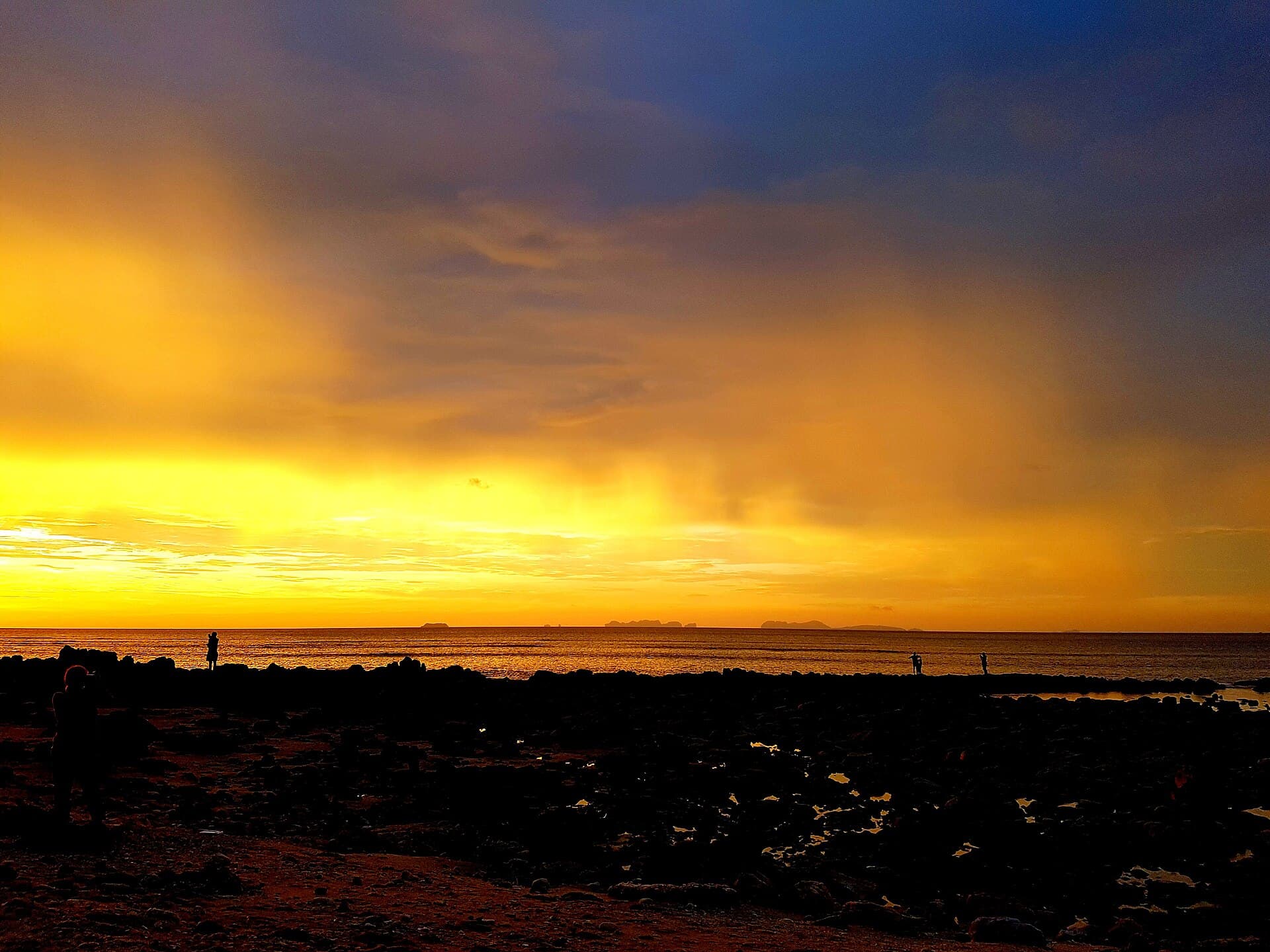
Phra Ae hotels
Thailand · 6 hotels
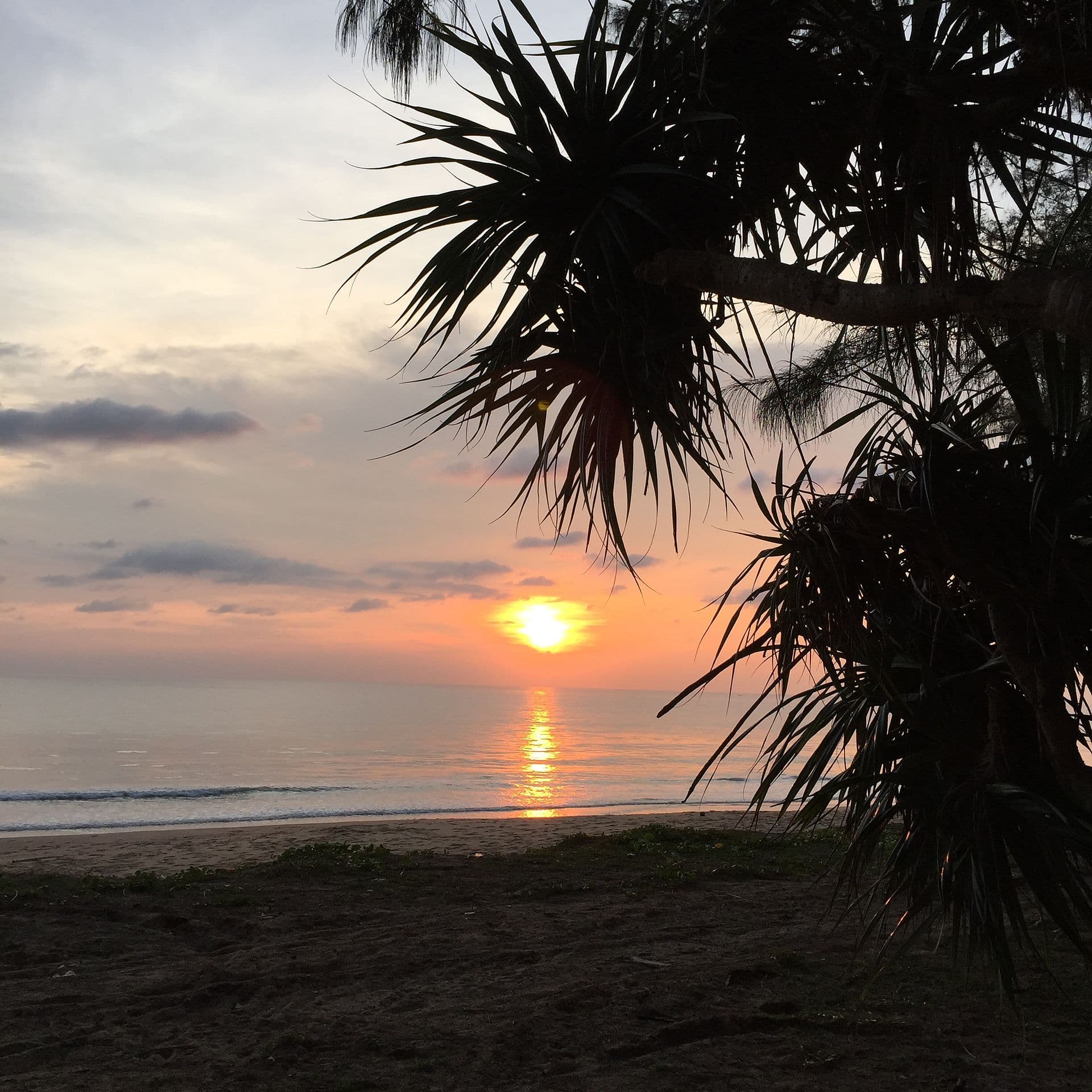
Thai Mueang hotels
Thailand · 6 hotels
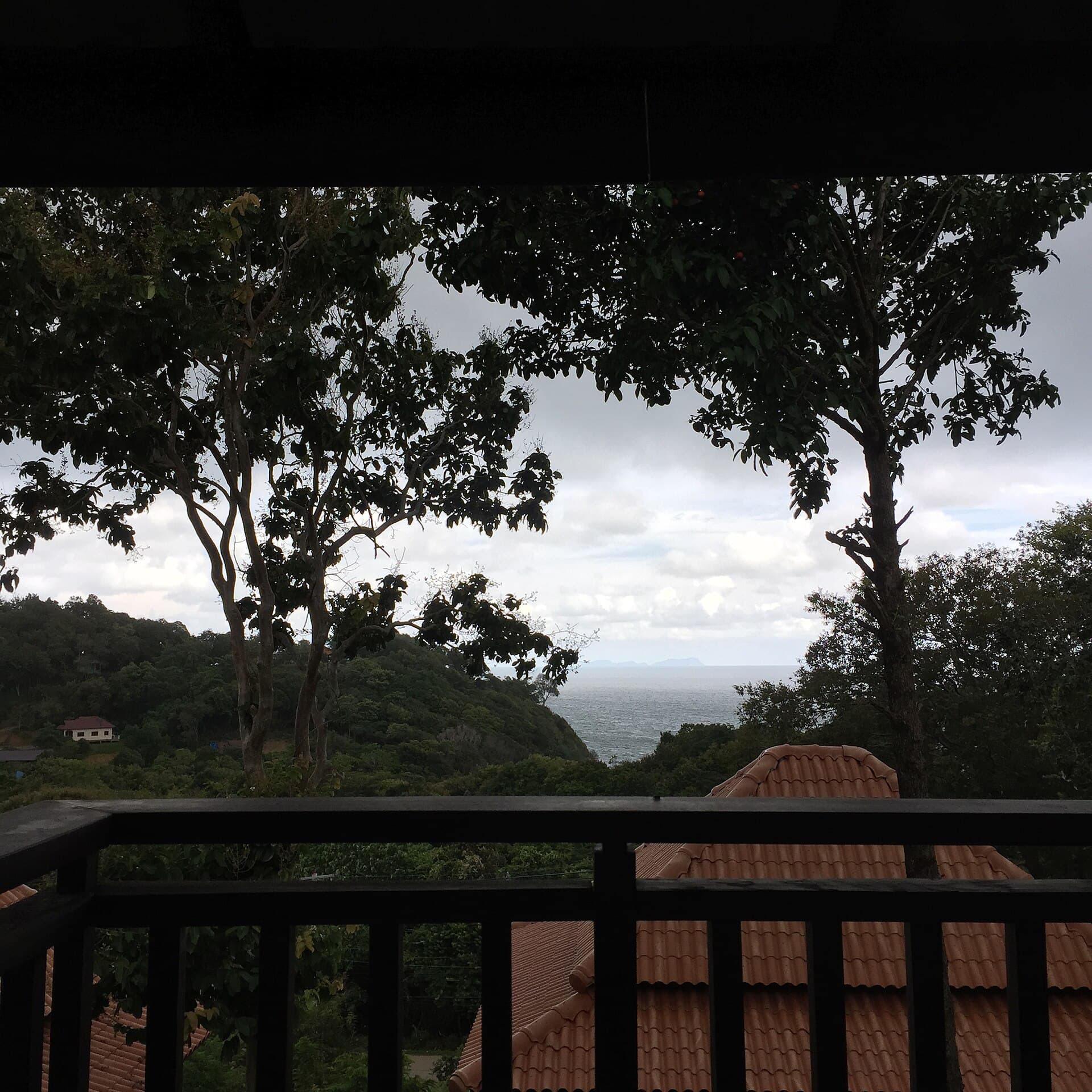
Ba Kan Tiang hotels
Thailand · 5 hotels
Krabi Town hotels
Thailand · 4 hotels
Ko Chang hotels
Thailand · 4 hotels
Ko Phangan hotels
Thailand · 3 hotels
Ban Tha Wi hotels
Thailand · 3 hotels
Ban Po Daeng hotels
Thailand · 3 hotels
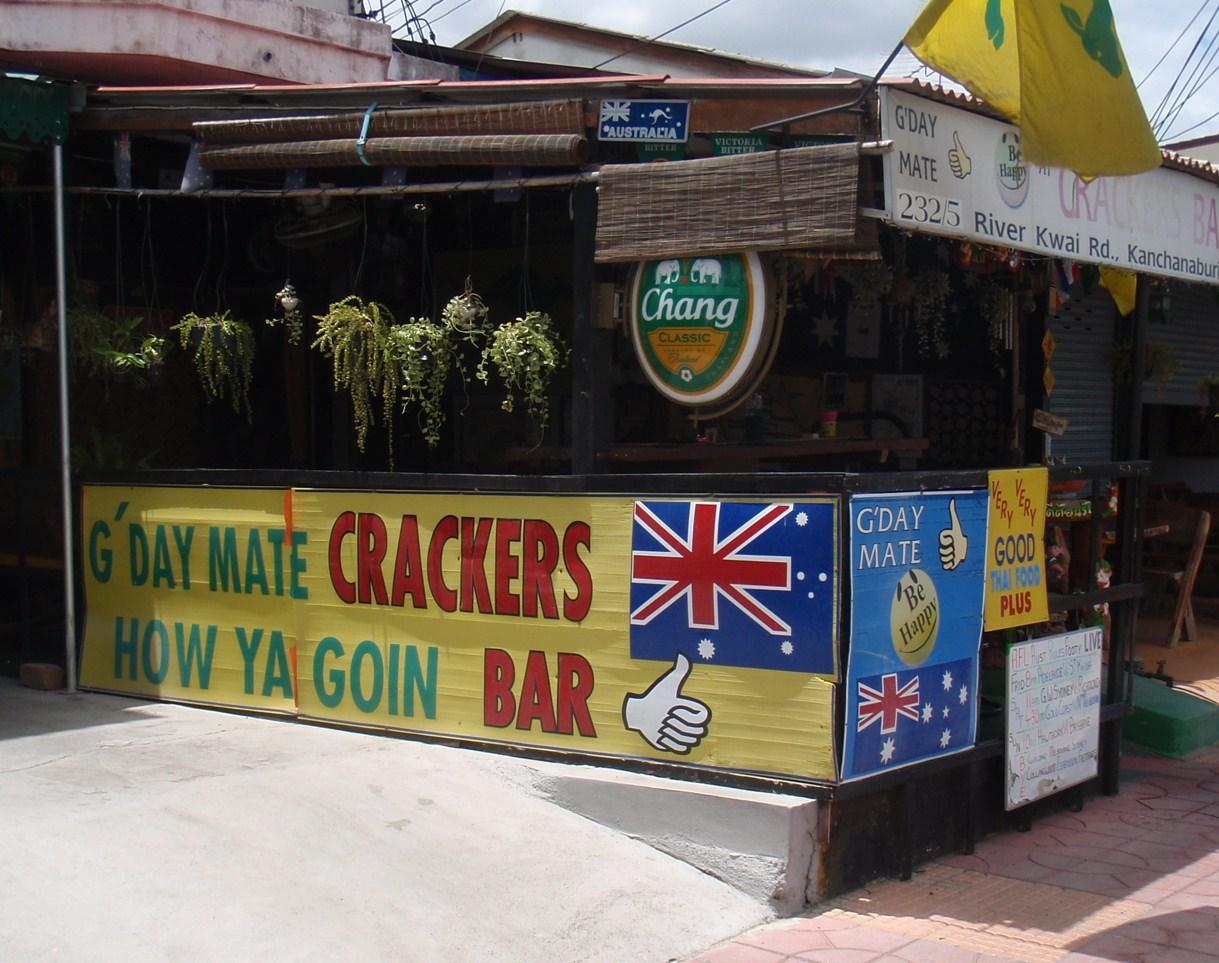
Ban Yang hotels
Thailand · 3 hotels
Ko Mak hotels
Thailand · 2 hotels
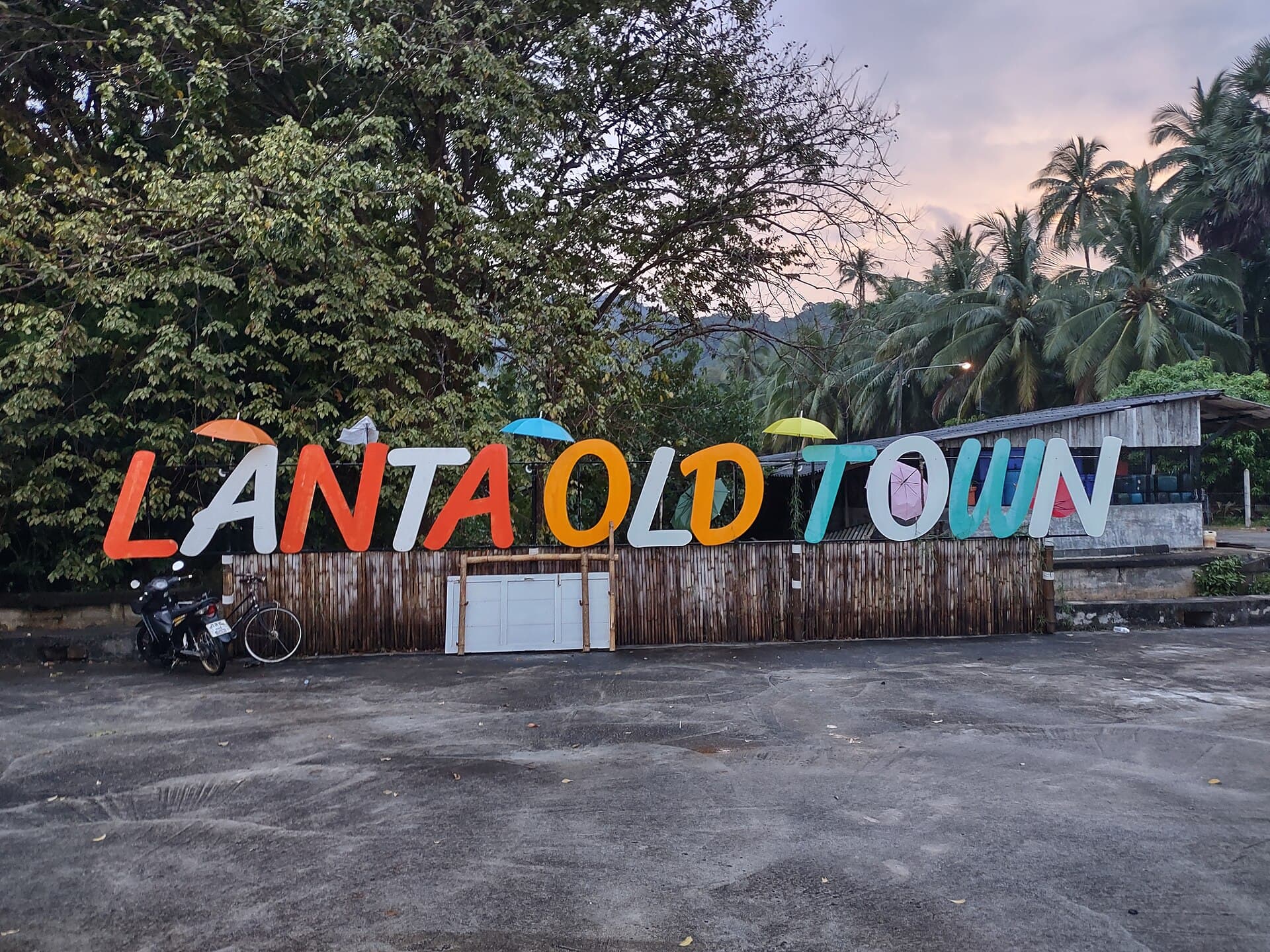
Klong Bang Nam Chut hotels
Thailand · 2 hotels
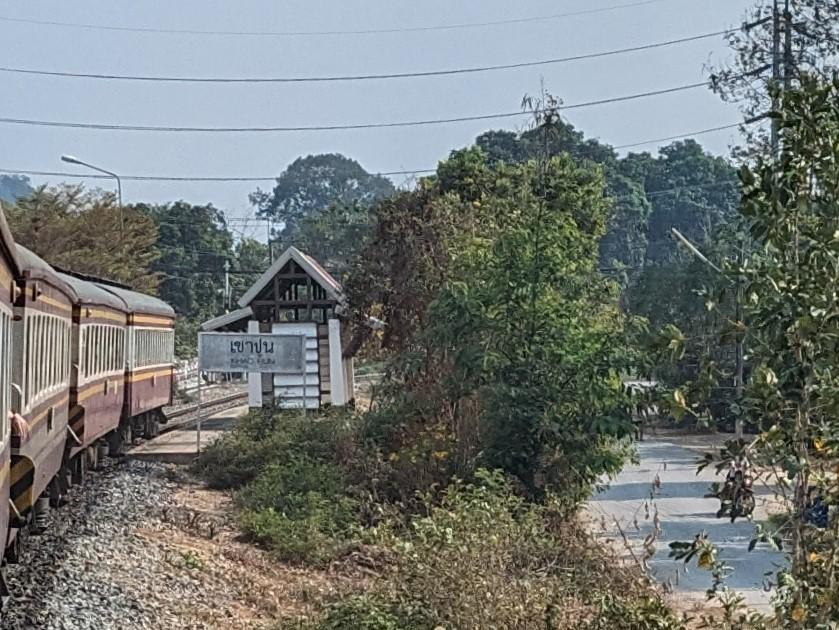
Tha Makham hotels
Thailand · 2 hotels
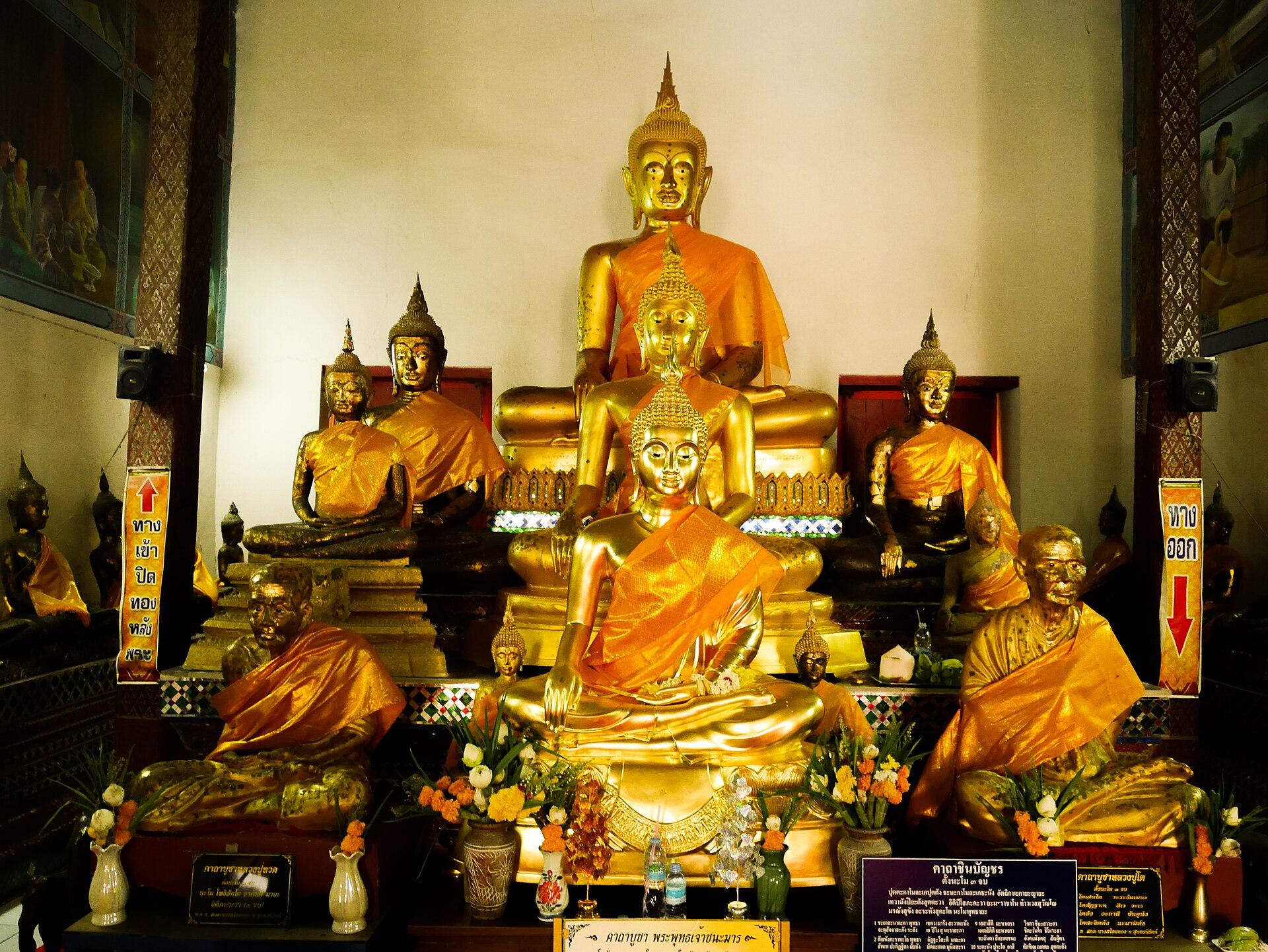
Ban Tham hotels
Thailand · 2 hotels
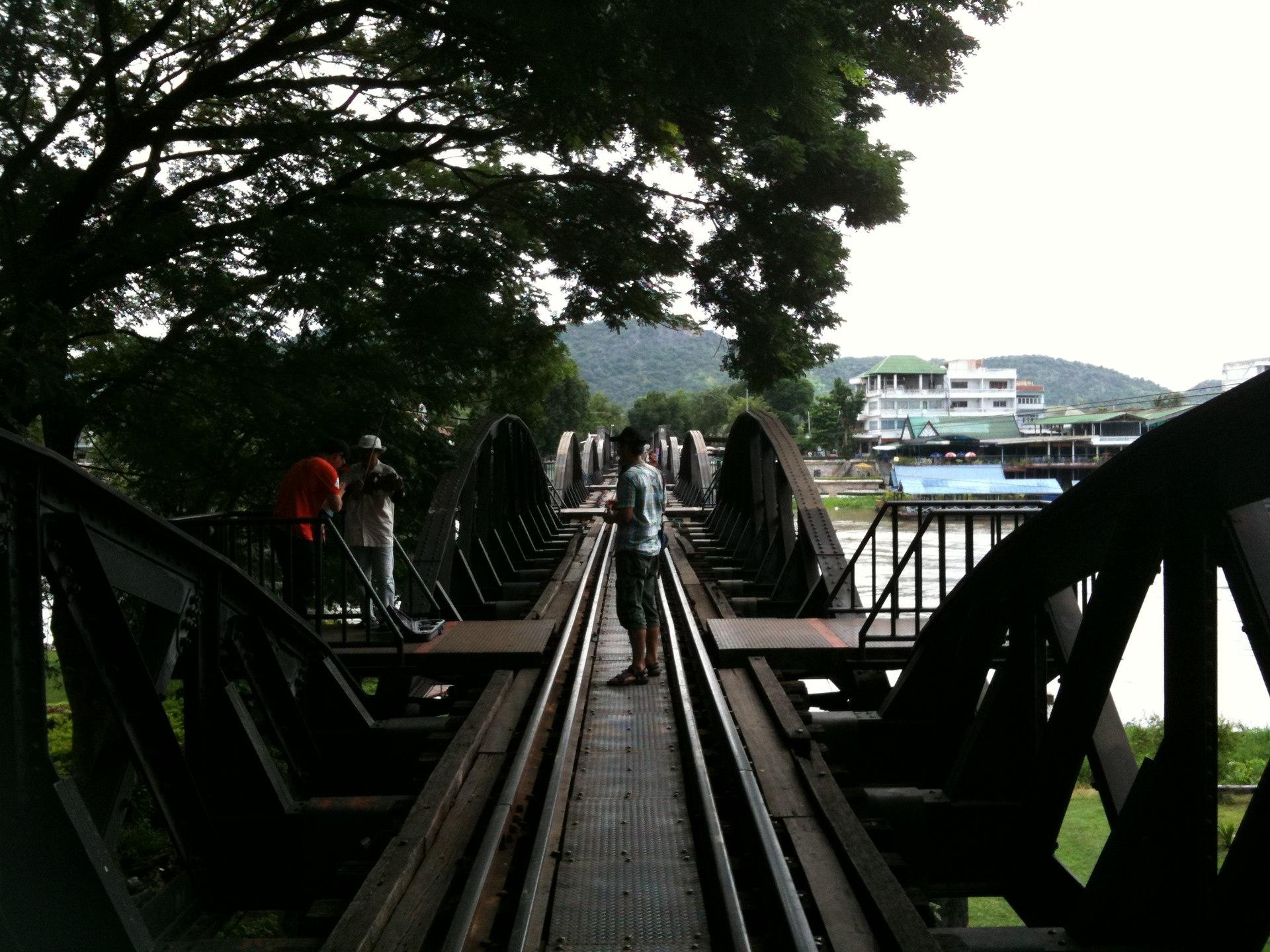
Ban Hua Hin hotels
Thailand · 2 hotels
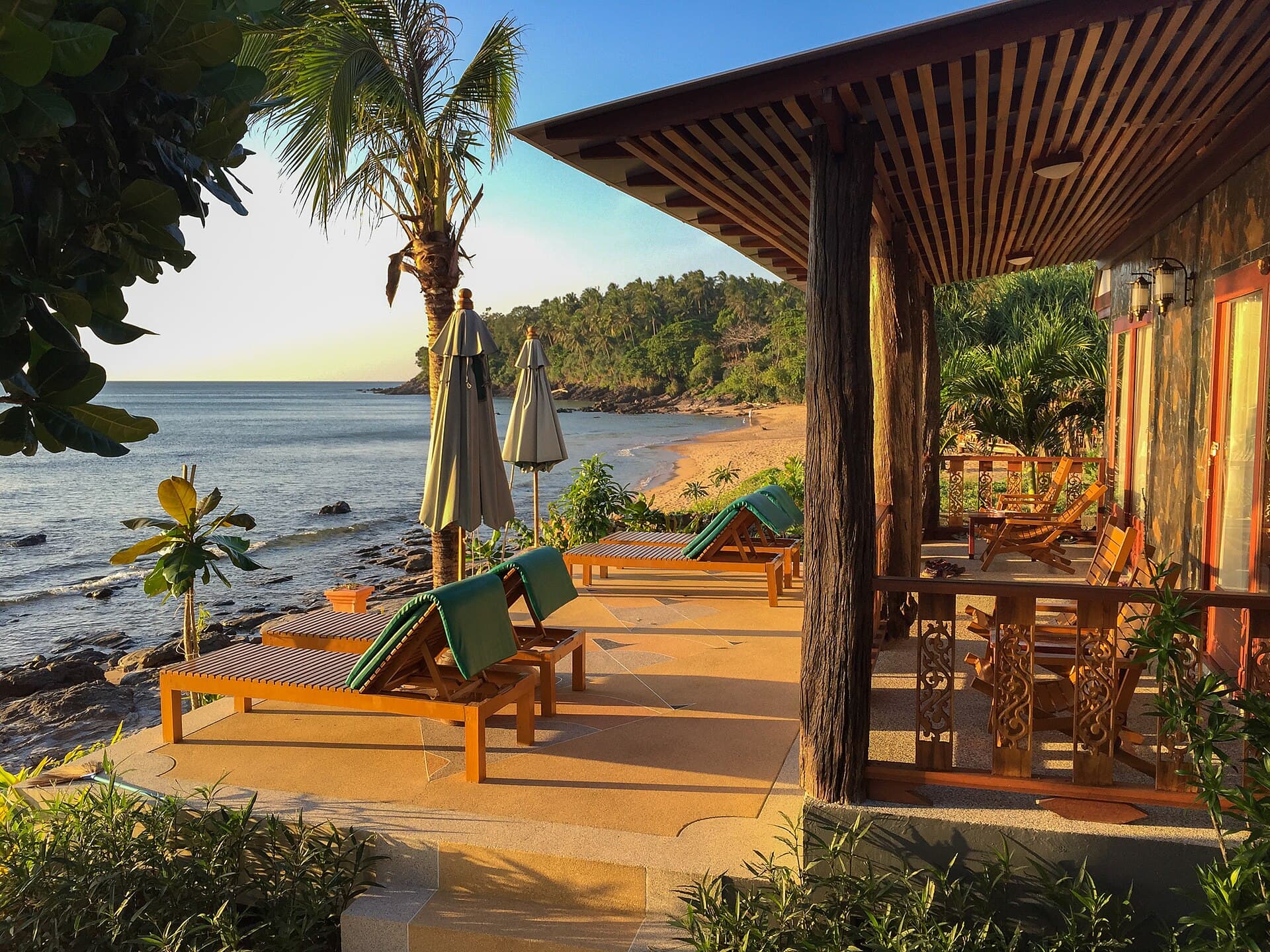
Khlong Nin hotels
Thailand · 2 hotels
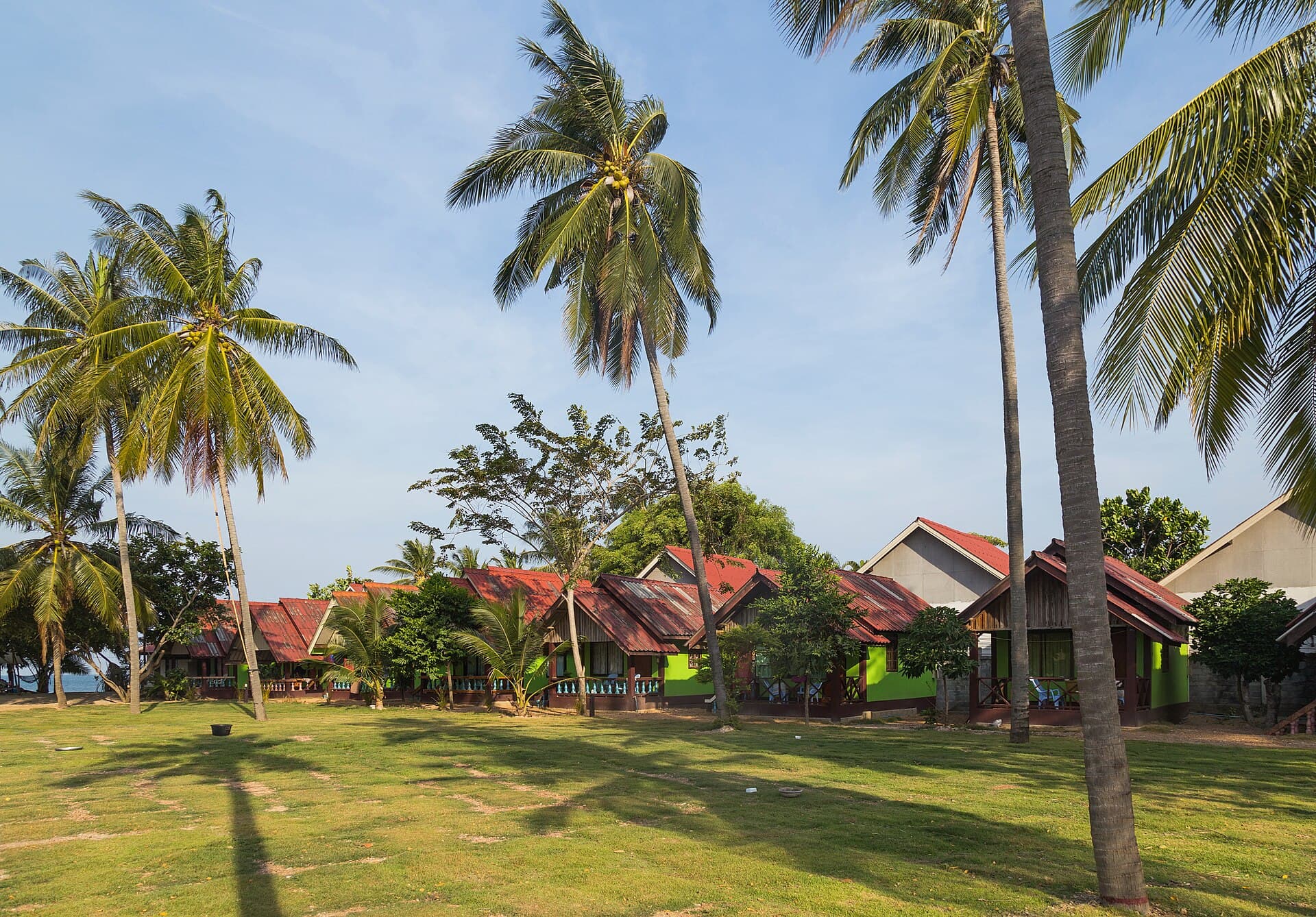
Haad Khlong Khong hotels
Thailand · 2 hotels
Ao Nang Beach hotels
Thailand · 1 hotels
Ban Tha Nam Tuen hotels
Thailand · 1 hotels
Ban Phu Liap hotels
Thailand · 1 hotels
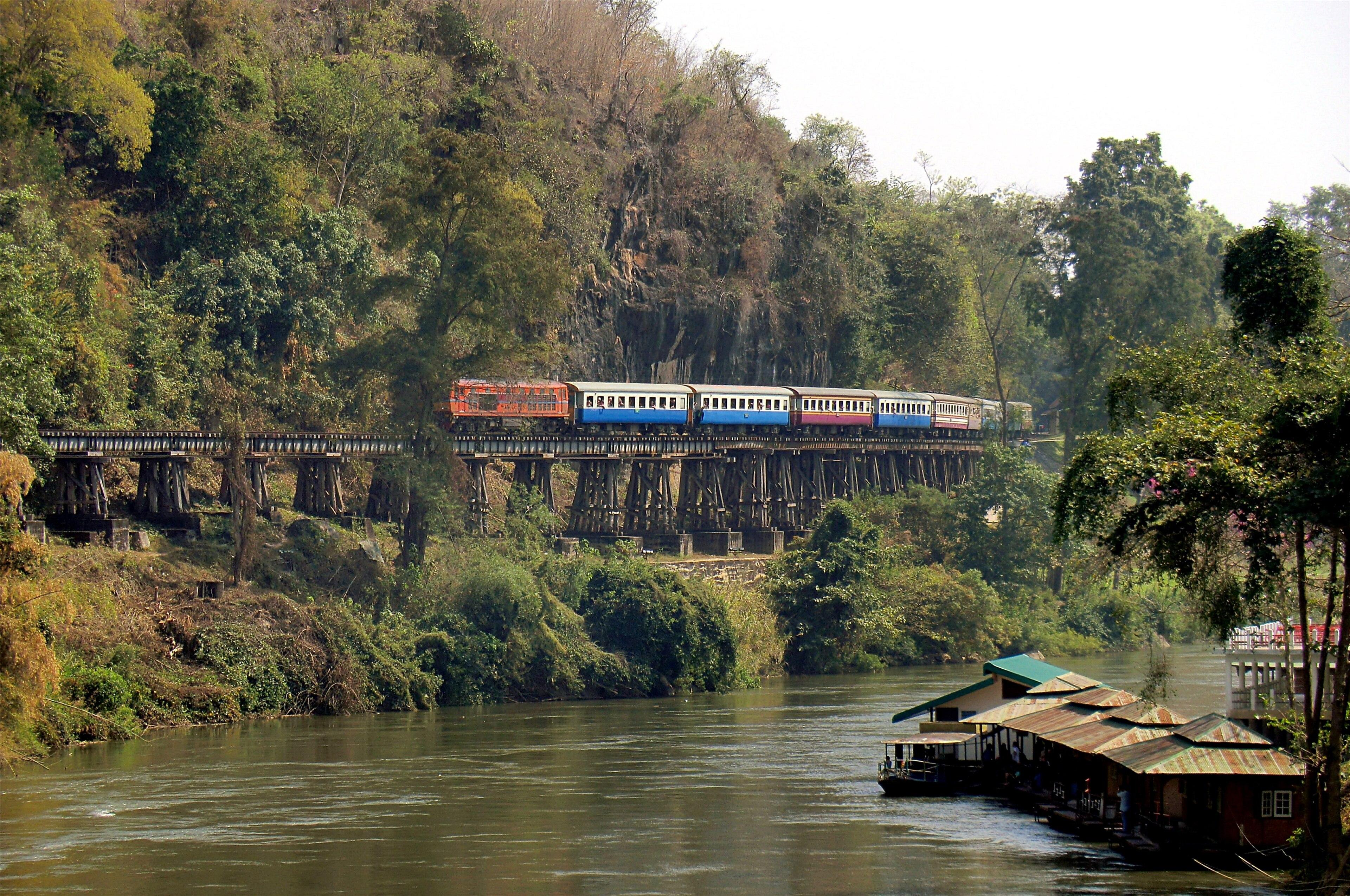
Sai Yok hotels
Thailand · 1 hotels
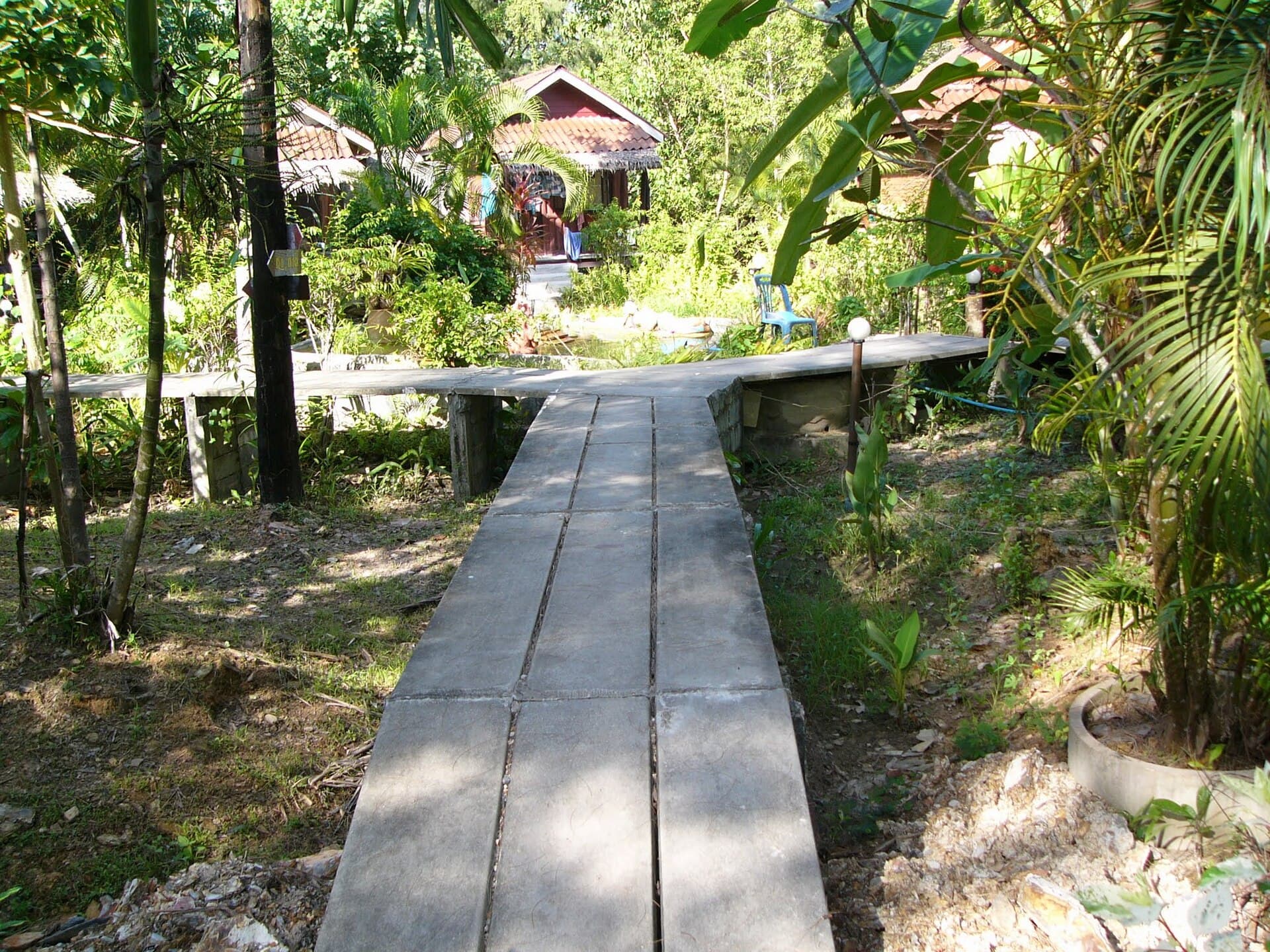
Lo Ba Ra hotels
Thailand · 1 hotels
Ban Tha Pha Niat hotels
Thailand · 1 hotels
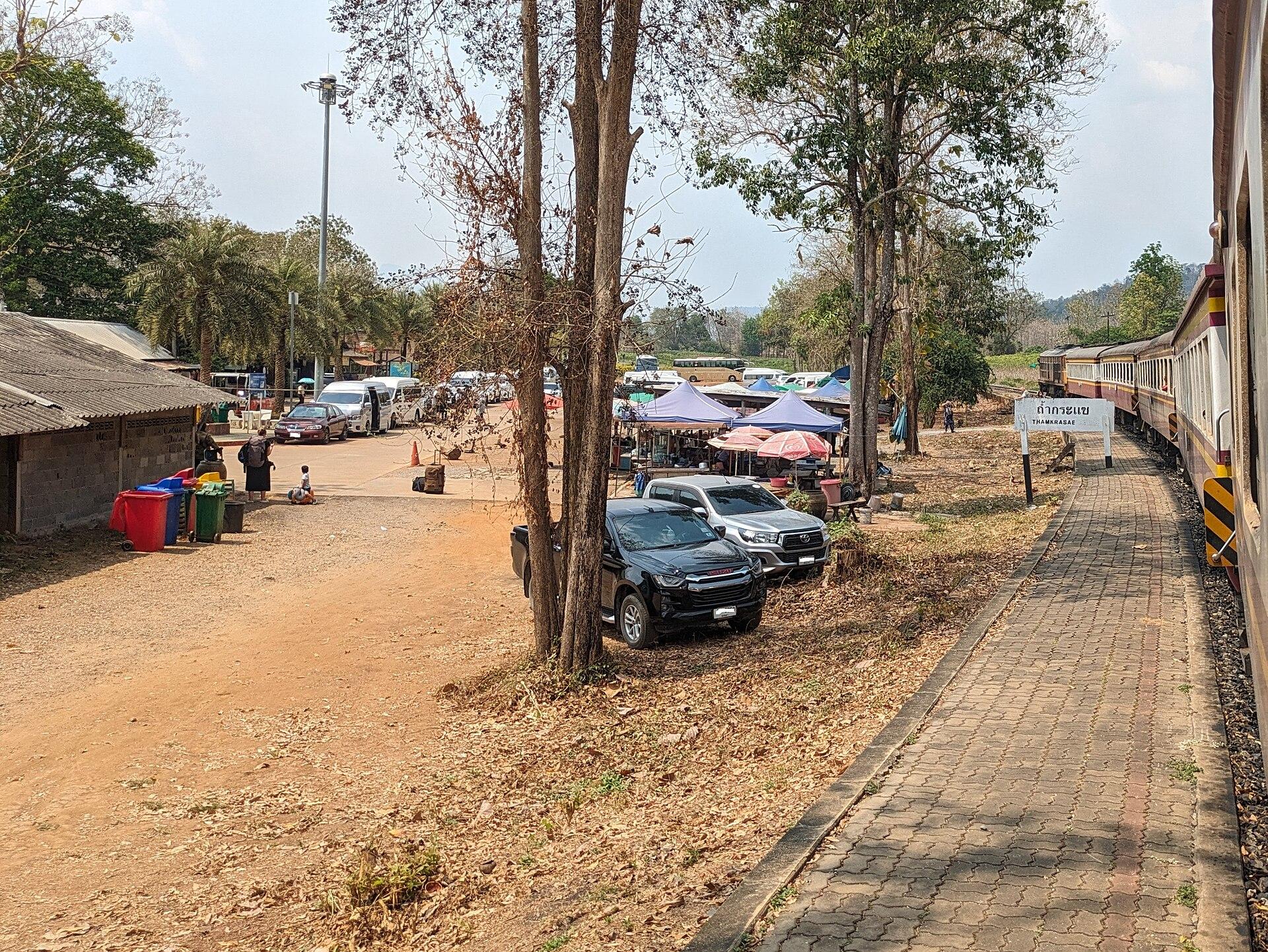
Ban Lum Pheung hotels
Thailand · 1 hotels
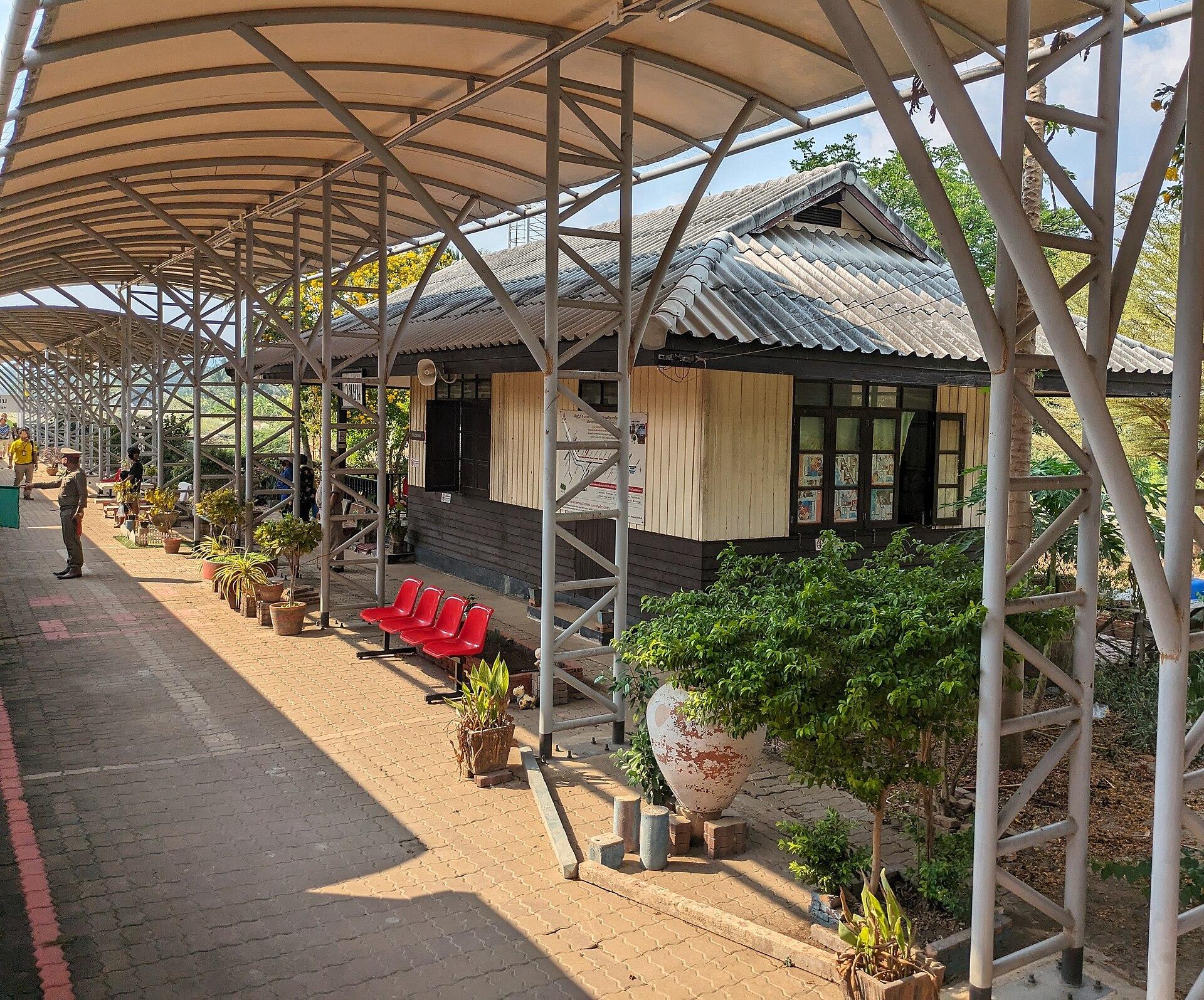
Pak Phraek hotels
Thailand · 1 hotels
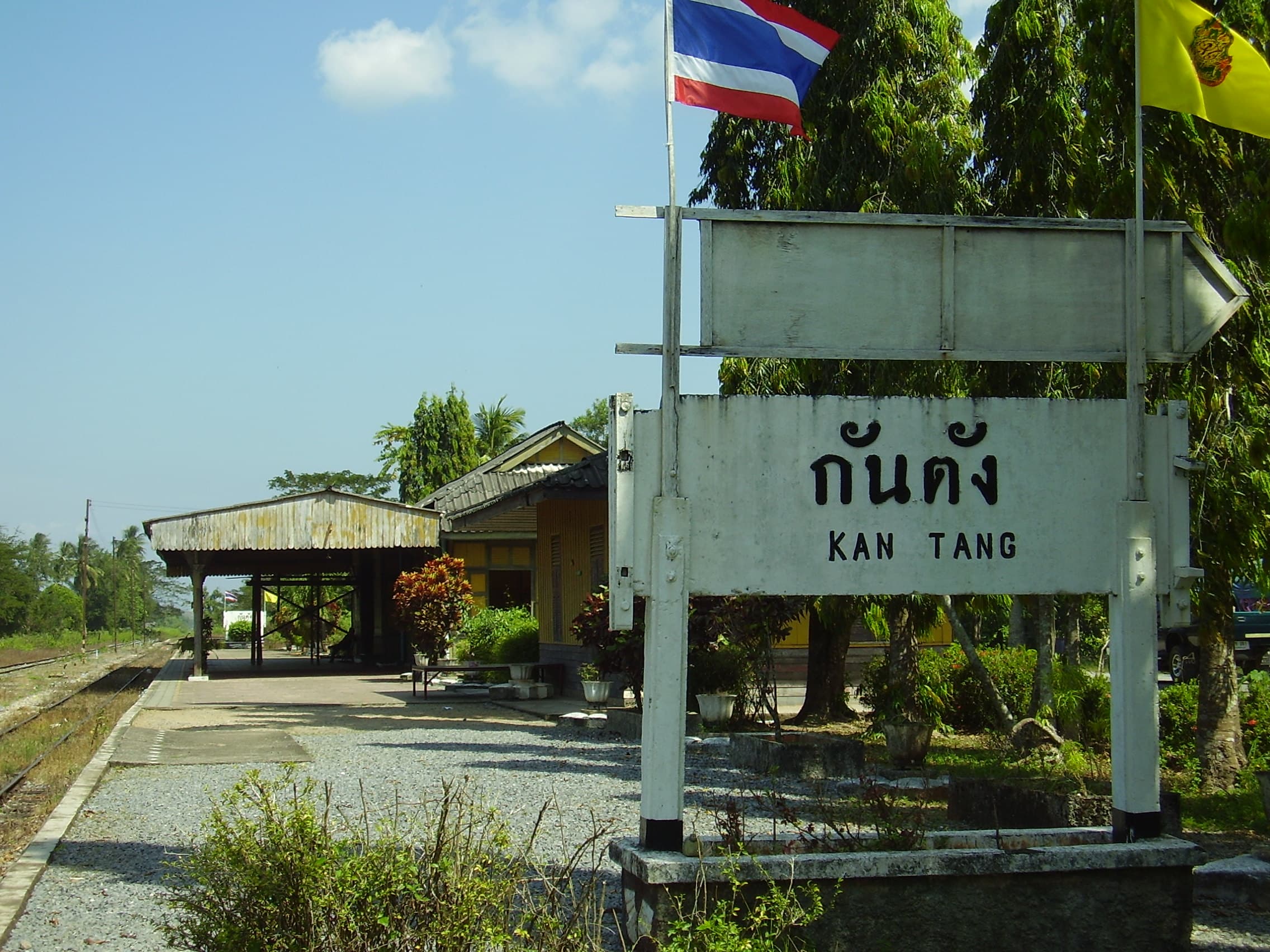
Kantang hotels
Thailand · 1 hotels