
Hotels in Togo
1 cities · 0 hotels
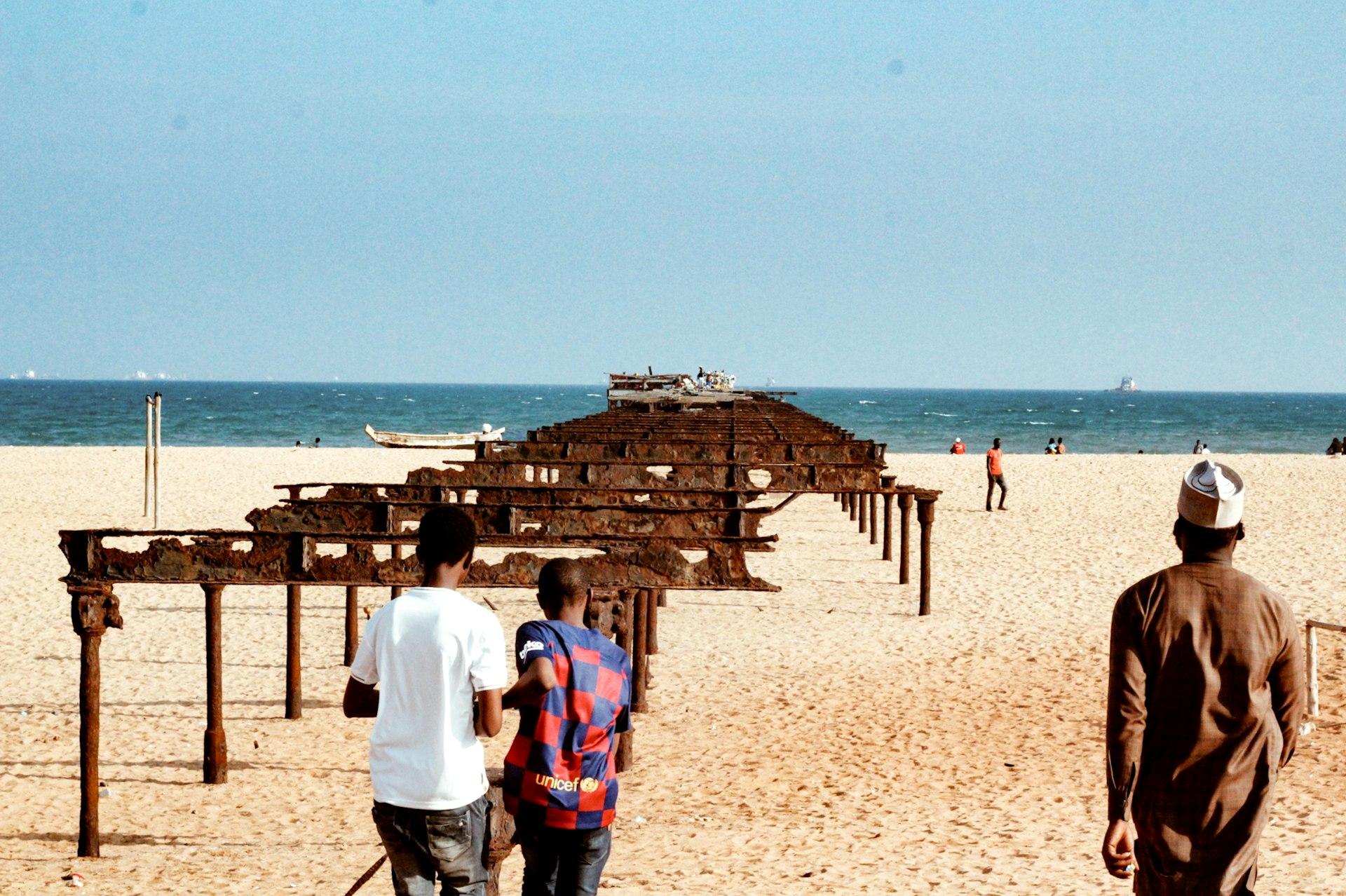
Photo by Muhammad-Taha Ibrahim on Unsplash
Togo: West Africa's Narrow Corridor Between Savanna and Sea
Togo stretches just 57 kilometres at its widest point yet packs in remarkable geographic variety — from the Atlantic surf at Lomé in the south to the Atakora mountain chain and savanna villages of the far north. The country shares borders with Ghana, Benin, and Burkina Faso, placing it at a crossroads of Ewe, Kabyé, and Mina cultures. At roughly 56,600 km², Togo is one of Africa's smaller nations, yet it hosts more than 40 distinct ethnic groups and a 50-kilometre Atlantic coastline that anchors the capital.
Cities Worth Exploring
Lomé, the capital, sits directly on the Gulf of Guinea and is one of the few African capitals that borders another country at street level — the Aflao crossing into Ghana lies at the western edge of the city. The Grand Marché de Lomé sells hand-woven kente cloth, fresh produce, and fetish items across multiple city blocks. North of Lomé, Kpalimé sits at roughly 120 km from the capital and serves as the gateway to Mount Agou, Togo's highest peak at 986 metres. Farther north, Kara anchors the central highlands and hosts the annual Evala wrestling festival each July, drawing participants from Kabyé communities across the region.
Regional Landscapes and Culture
The southern forest zone around Kpalimé retains patches of tropical canopy and supports butterfly populations cited by entomologists as among the most diverse in coastal West Africa. The Fazao-Malfakassa National Park, covering approximately 1,920 km² in the centre of the country, protects elephants, lions, and hippopotamuses along the Mono River tributaries. In the far north, the Tamberma Valley — inscribed on the UNESCO World Heritage List in 2004 — contains fortified clay tower-houses called tata somba, built by the Batammariba people as combined living quarters and defensive structures. These mud-brick compounds with thatched turrets date back several centuries and remain inhabited today.
When to Visit Togo
The dry season from November to February is the most comfortable period across most of the country. Temperatures in Lomé average 27–30 °C year-round, but the harmattan wind from the Sahara reduces humidity and haze significantly between December and February, making overland travel easier. The Kpalimé highlands receive heavier rainfall between April and July, keeping vegetation dense. Travellers targeting the Evala festival should plan for Kara in mid-July; the Agbogbo-Za festival in Glidji, a coastal town 45 km east of Lomé, takes place each September.
Practical Tips for Visiting Togo
- Visa: Citizens of many non-African countries require a visa; e-visas are available through the official government portal before travel.
- Currency: The West African CFA franc (XOF) is the official currency; ATMs are reliable in Lomé but scarce north of Kara.
- Getting around: Bush taxis (sept-places) link major towns; the Lomé–Kara route takes approximately five to six hours by shared taxi.
- Health: Yellow fever vaccination is required for entry; malaria prophylaxis is strongly advised for all regions.
- Language: French is the official language; Ewe is widely spoken in the south, Kabyé in the north.
Frequently Asked Questions
Q: What is the best base for exploring southern Togo? A: Lomé functions as the main hub, with direct flights from Paris, Brussels, and several African capitals. Hotels in Lomé range from guesthouses near the Bé Beach to business-class properties on the Boulevard du Mono.
Q: Is Togo safe for independent travellers? A: The south and centre are generally considered low-risk for tourists. The far north near the Burkina Faso border warrants checking current foreign-ministry advisories before travel.
Q: Can travellers visit the tata somba tower-houses independently? A: The Tamberma Valley is accessible via Natitingou on the Benin side or from Dapaong in northern Togo. Local guides from Kara can arrange transport; the drive from Kara takes roughly three hours.
Q: What are Togo's signature dishes? A: Fufu with palm-nut soup is common across the south; akume (cornmeal paste) with gboma dessi (a spinach and smoked fish stew) is a coastal staple found at markets throughout Lomé.