Hotels in Albania
3 cities · 211 hotels
Photo by Adventure Albania on Unsplash
Albania: Adriatic Coast, Ottoman Old Towns, and Alpine Highlands
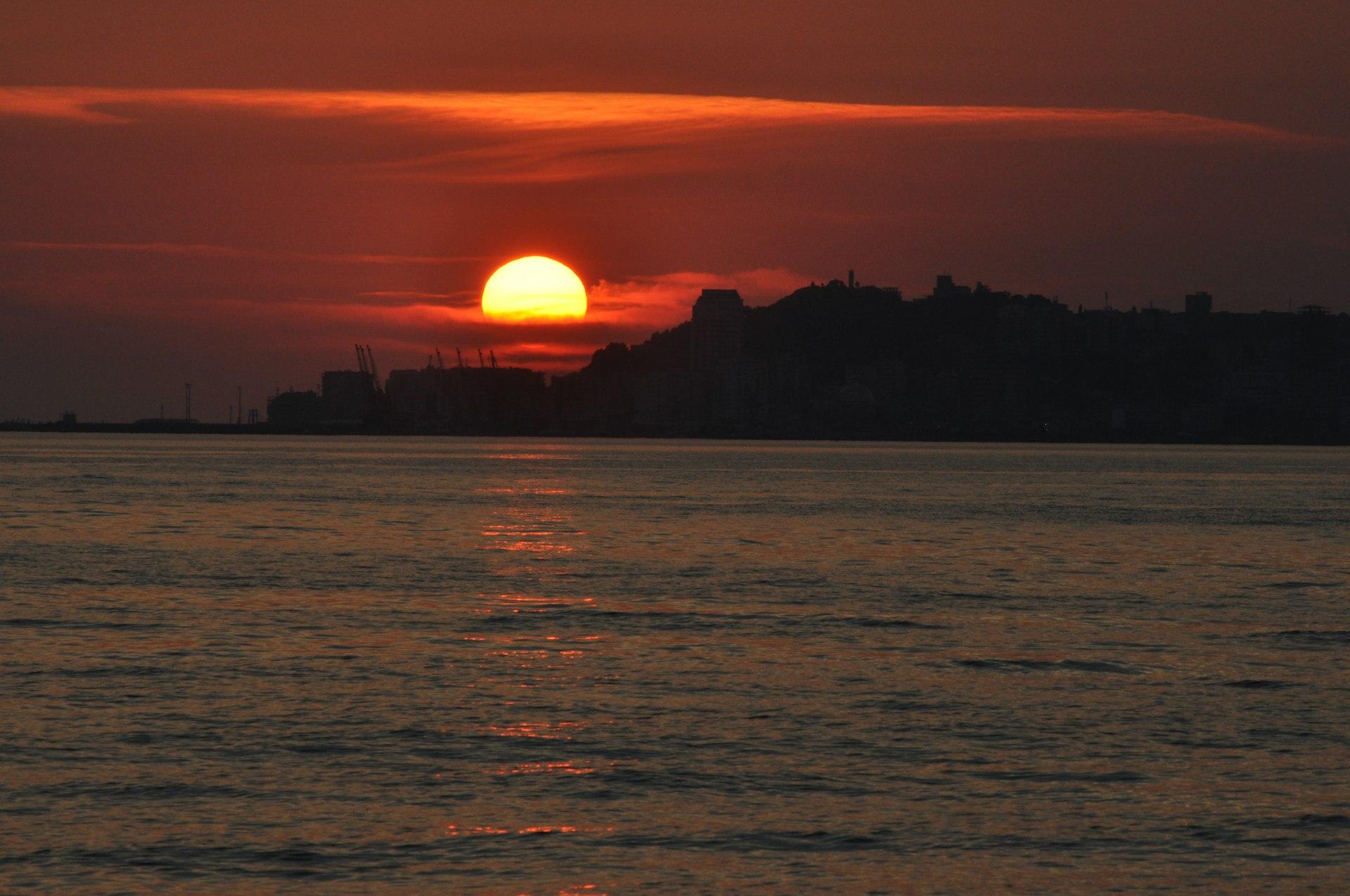
Albania sits on the western Balkan Peninsula, bordered by Montenegro to the north, Kosovo and North Macedonia to the east, and Greece to the south. Its coastline runs 476 km along the Adriatic and Ionian Seas. Despite sharing borders with well-toured neighbors, Albania remained largely off mainstream itineraries until the mid-2010s, which has left its medieval towns and mountain villages relatively uncrowded.
Cities Worth Exploring
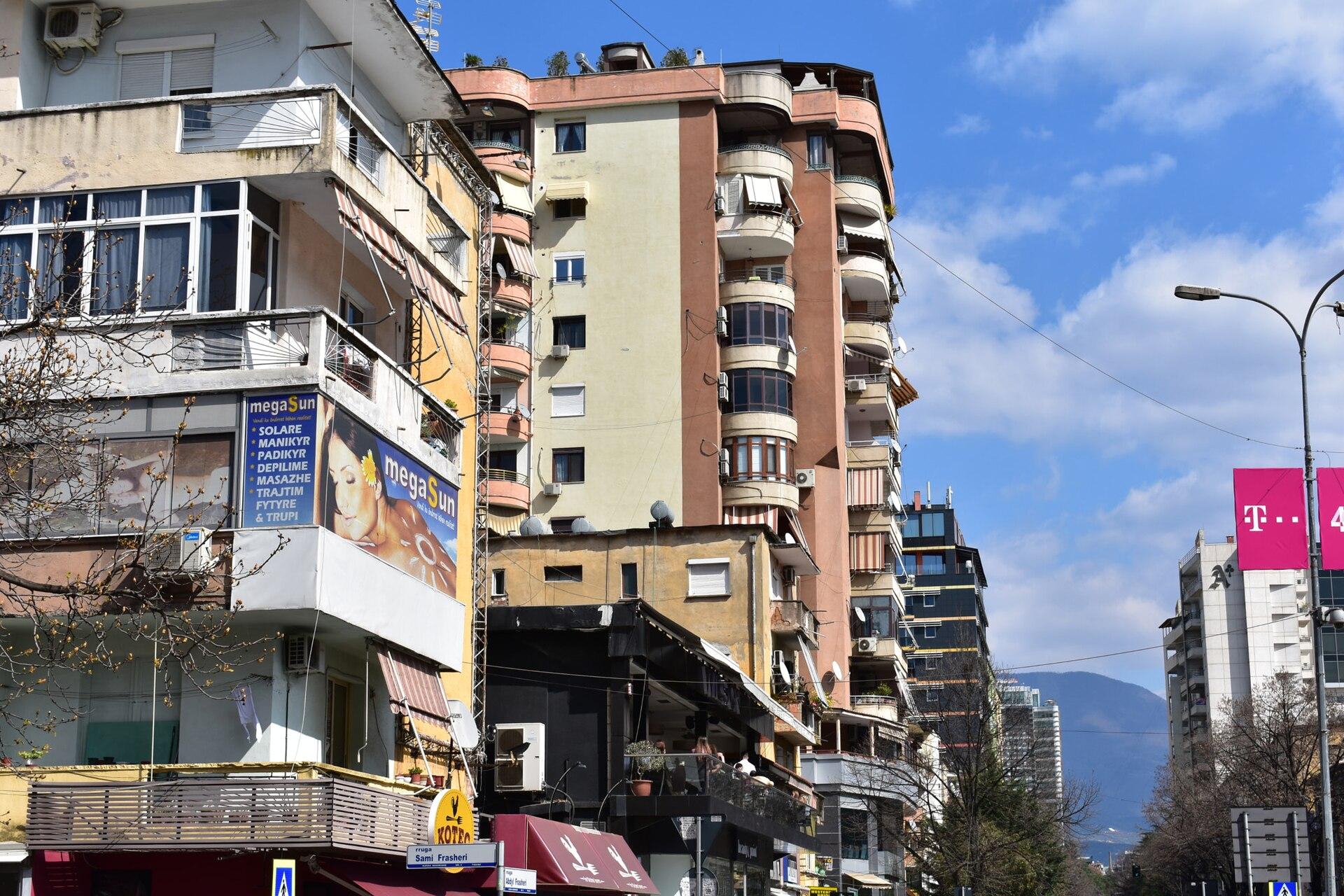
Tirana, the capital, anchors the country's hotel network. Blloku, a neighborhood once reserved for Communist Party officials, is now the city's main bar and restaurant district. The Et'hem Bey Mosque (completed 1821) and Skanderbeg Square define the city center. A 30-minute drive south brings travelers to Durrës, Albania's largest port, where Roman amphitheatre ruins from the 2nd century AD sit in a residential neighborhood. On the southern coast, Sarandë sits directly across the Strait of Corfu — only 3 km from the Greek island — and serves as the gateway to the UNESCO-listed ruins of Butrint, a layered Greco-Roman-Byzantine site 18 km south of the town.
The Albanian Riviera and the Accursed Mountains
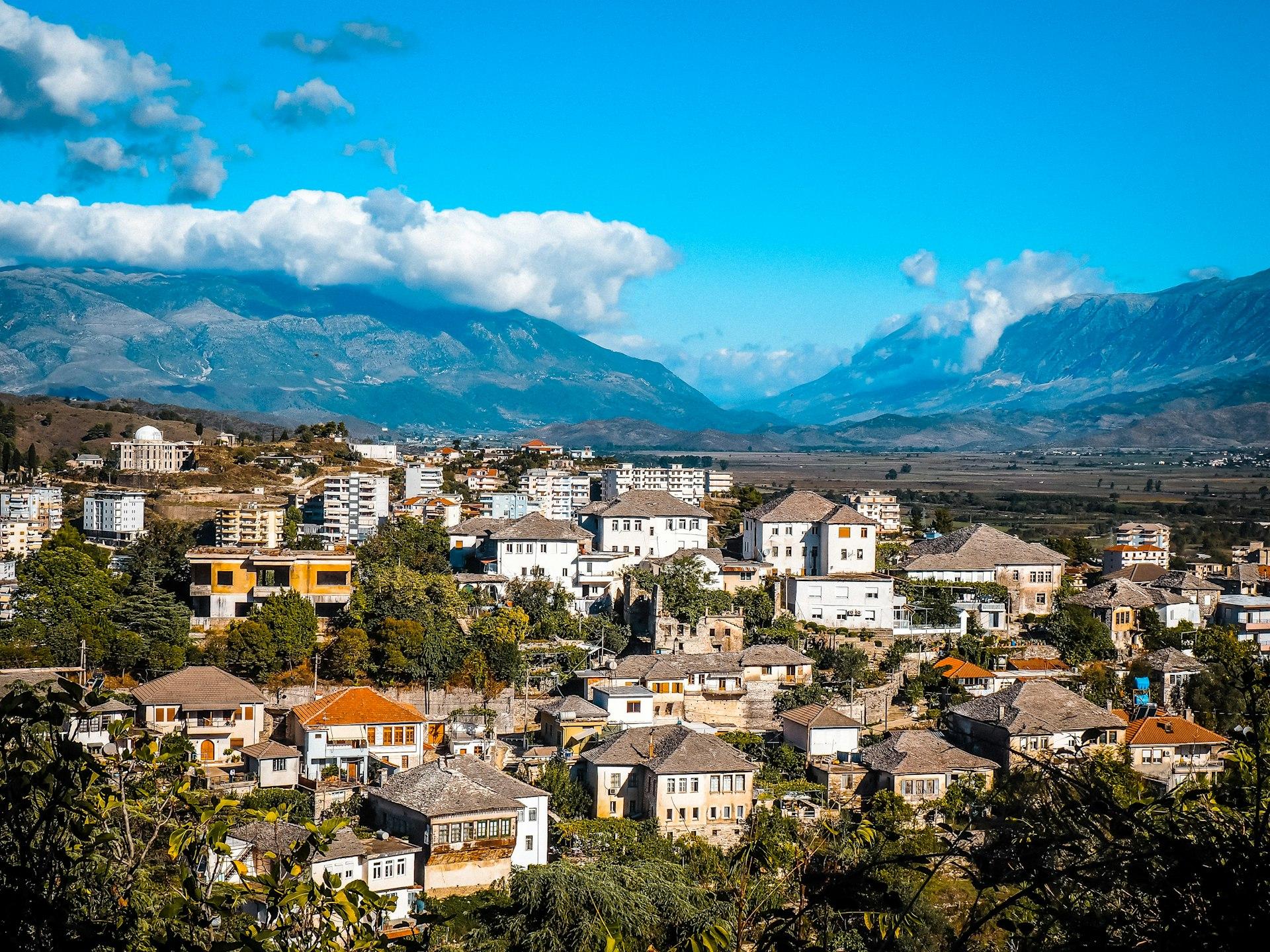
The Albanian Riviera stretches roughly 100 km from Vlorë to Sarandë. Small coves near Himara and Dhermi feature clear water and pebble beaches with far fewer crowds than comparable Adriatic resorts. Inland, the Accursed Mountains (Bjeshkët e Namuna) in the north reach 2,694 m at Maja e Jezercës, the country's highest point. The Valbona Valley National Park and the trail connecting it to Theth — a full-day hike of roughly 16 km — has become the defining trekking route in the western Balkans. Gjirokastër, a southern city of Ottoman-era stone houses on steep hillsides, earned UNESCO designation in 2005 alongside Berat, where whitewashed houses climb toward a 13th-century castle.
When to Visit Albania
The coast peaks in July and August; temperatures in Sarandë average 30 °C and accommodation books out early. May, June, and September offer warm water and shorter queues. The mountains are accessible from June through October; the Valbona–Theth trail is snow-blocked until late May most years. Tirana and the interior lowlands are mild from March through November. Winter travel is feasible in the capital but mountain roads can close from December to March.
Practical Tips for Visiting Albania
- Currency: The lek (ALL) is the national currency; euros are widely accepted at coastal resorts but rarely at small inland businesses.
- Getting around: Furgon minibuses connect most towns cheaply; the Tirana–Sarandë bus takes roughly 5–6 hours. Car hire opens up mountain villages unreachable by bus.
- Border crossings: The Kakavija crossing into Greece and the Morina crossing into Kosovo are the two busiest land borders; allow extra time during summer weekends.
- Visa: Citizens of EU countries, the US, UK, and most Commonwealth nations enter without a visa for stays up to 90 days.
- Accommodation tier: Tirana holds the country's largest concentration of 4-star and 5-star hotels; coastal towns range from guesthouses to small boutique properties.
Frequently Asked Questions
Q: What is the best base for visiting the Albanian Riviera? A: Sarandë is the most convenient base, with regular ferries to Corfu and direct buses to Tirana. Himara suits travelers who prefer a quieter village setting with direct beach access.
Q: Is Albania safe for travelers? A: Albania ranks as generally safe for tourists; the US State Department lists it at Level 1 (Exercise Normal Precautions) as of 2025. Road conditions in mountain areas require careful driving.
Q: How do travelers reach Albania by air? A: Tirana International Airport Nënë Tereza (TIA), 17 km northwest of the capital, handles direct flights from most major European hubs. Corfu Airport in Greece also serves as an entry point via the Corfu–Sarandë ferry.
Q: Are credit cards accepted in Albania? A: Cards are accepted in Tirana hotels, larger restaurants, and coastal resorts. Cash in lek is essential for rural guesthouses, markets, and furgon fares.
Q: What language is spoken, and does English suffice? A: Albanian (Shqip) is the official language. English is widely spoken in Tirana, Sarandë, and among younger residents in tourist areas; Italian is also common along the coast due to historical ties.