Hotels in Angola
2 cities · 1 hotels
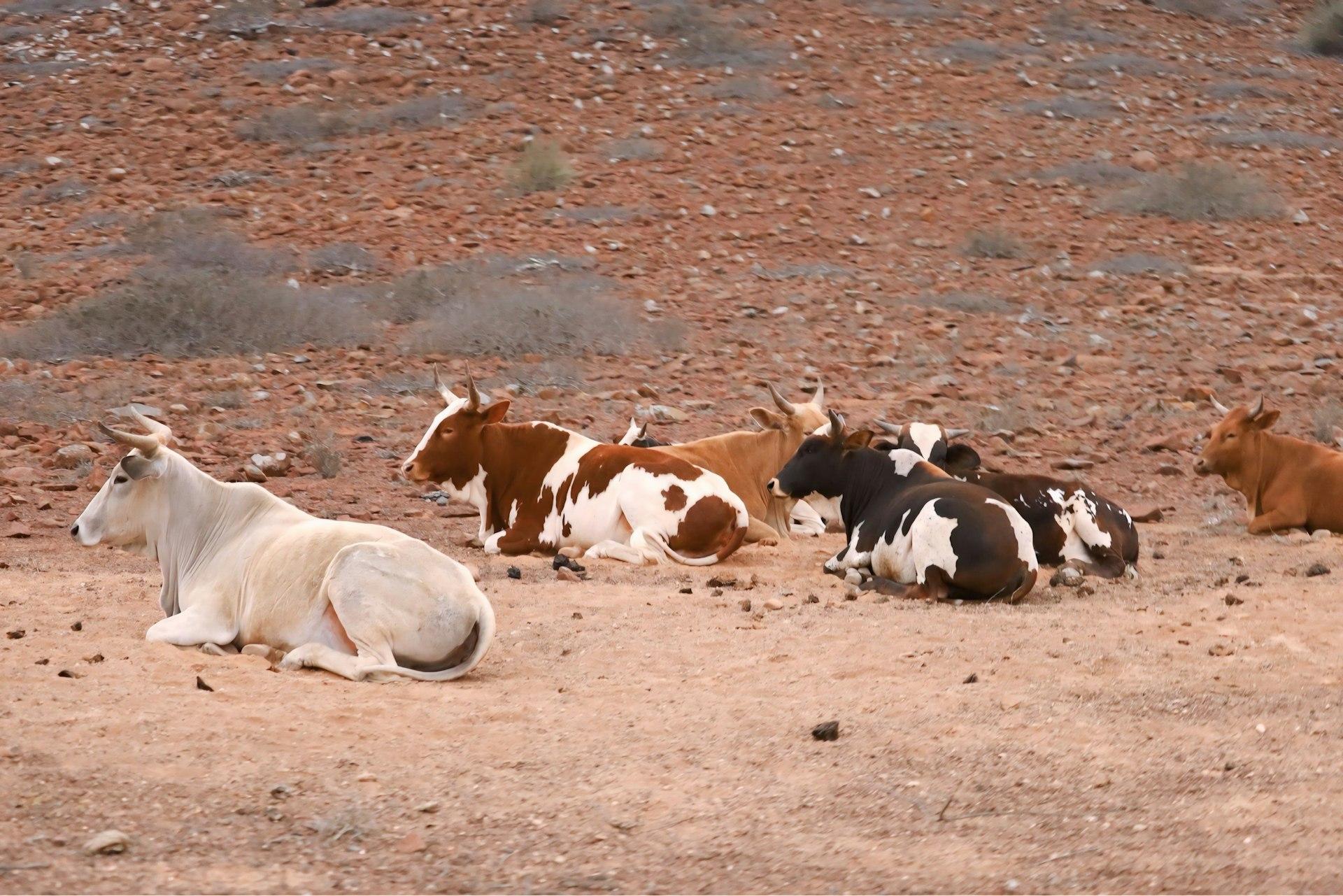
Photo by Riane Júrina Filipe on Unsplash
Angola: Atlantic Coast, Plateau Highlands, and the Kwanza River Basin
Angola occupies 1.25 million km² of southern Africa, bordered by the Democratic Republic of Congo to the north, Zambia to the east, Namibia to the south, and 1,650 km of Atlantic coastline to the west. The country's terrain shifts dramatically from the coastal Namib Desert strip near Tombua in the south to the central Bié Plateau at elevations above 1,800 m, then descends into the rainforest fringe of Cabinda province — an exclave separated from the mainland by a strip of DRC territory. This vertical range produces distinct climates, ecosystems, and cultural zones within a single country.
Cities Worth Exploring
Luanda, the capital, sits on a natural bay 5° south of the equator and anchors Angola's hotel market. The Ilha do Cabo peninsula extends 8 km northward from the city centre, lined with seafood restaurants and weekend beach bars. The Baixa district contains the 17th-century Fortaleza de São Miguel, which opened as the Museu Nacional de História Militar and overlooks the port. South of the capital by 480 km, Benguela was founded in 1617 and retains colonial-era rail infrastructure through its historic station, terminus of the Benguela Railway that once crossed the continent. Lubango, at 1,760 m on the Huíla Plateau, sits 590 km south of Luanda and is home to the Cristo Rei statue — a reinforced-concrete figure erected in 1957 modeled on the Lisbon original — overlooking the Tundavala Fissure, a 1,000 m escarpment drop.
National Parks and Natural Landscapes
Kissama National Park begins 70 km south of Luanda and covers 9,600 km² of miombo woodland and savanna along the Kwanza River mouth. A cross-border translocation project since 2000 has reintroduced elephant, buffalo, and zebra populations depleted during the civil war (1975–2002). Further south, Iona National Park in Namibe Province protects 15,150 km² of the Namib Desert, including the ancient welwitschia plants, some carbon-dated at over 1,500 years. The Kalandula Falls on the Lucala River in Malanje Province drop 105 m across a 400 m-wide basalt face — among the largest waterfalls by volume in Africa.
When to Visit Angola
Angola has two primary seasons. The dry season (cacimbo) runs May through October: cool mornings, low humidity, and good visibility for wildlife drives and escarpment hikes. The wet season runs November through April, turning the central plateau green but making unpaved roads difficult. Luanda's coast stays warm year-round, averaging 26°C in July. The Luanda Marathon takes place in August during the dry season, drawing participants from across the region.
Practical Tips for Visiting Angola
- Visa: Most nationalities require a visa; e-visa applications open through the Angolan immigration portal. Allow 5–10 business days.
- Currency: The kwanza (AOA) is the official currency. USD is widely accepted in Luanda hotels and larger restaurants.
- Getting around: Domestic flights connect Luanda to Lubango, Benguela, and Malanje. Road quality varies sharply outside major corridors — a 4×4 vehicle is essential for national park access.
- Language: Portuguese is the official language. Kimbundu, Kikongo, and Umbundu are widely spoken in their respective regions.
- Accommodation tiers: Luanda holds the highest concentration of international-brand hotels; Benguela and Lubango offer mid-range guesthouses and lodges suited to extended regional travel.
Frequently Asked Questions
Q: What is the capital of Angola and where should travelers stay? A: Luanda is the capital and largest city, located on the Atlantic coast. Most international hotel chains operate in the Miramar and Talatona districts, which offer proximity to both the business centre and the beachfront Ilha do Cabo.
Q: Is Angola safe to visit in 2026? A: The civil war ended in 2002, and the major cities — Luanda, Benguela, Lubango — are considered stable for travel. Standard urban precautions apply in Luanda; some rural areas near the eastern border retain unexploded ordnance risks and require local guidance.
Q: What currency is used in Angola? A: The official currency is the Angolan kwanza (AOA). US dollars are informally accepted in many Luanda hotels and larger establishments, but kwanza is required in markets and smaller towns.
Q: When is the best time to visit Kissama National Park? A: The dry season from June to September offers the clearest wildlife viewing, as animals concentrate near the Kwanza River and vegetation thins. Daytime temperatures average 28°C with cool nights.
Q: How far is Kalandula Falls from Luanda? A: Kalandula Falls in Malanje Province lies approximately 360 km east of Luanda by road — around a 5-hour drive. The route passes through the Malanje highlands and is best attempted in a 4×4 vehicle during the dry season.