Hotels in Aruba
1 cities · 6 hotels
Photo by Darice de Cuba on Unsplash
Aruba: Sun, Trade Winds, and the 24-km Strip of the Caribbean
Aruba sits 29 km north of Venezuela's Paraguana Peninsula, well outside the Atlantic hurricane belt — a geographic fact that shapes the entire travel calendar. The island measures 32 km long by 10 km wide, yet it packs in white-sand beaches, a rugged desert interior, and one of the Caribbean's most-visited hotel corridors. The constant northeast trade winds keep daytime temperatures near 28 °C year-round, making beach conditions reliable in January and equally reliable in August.
Cities and Regions Worth Exploring
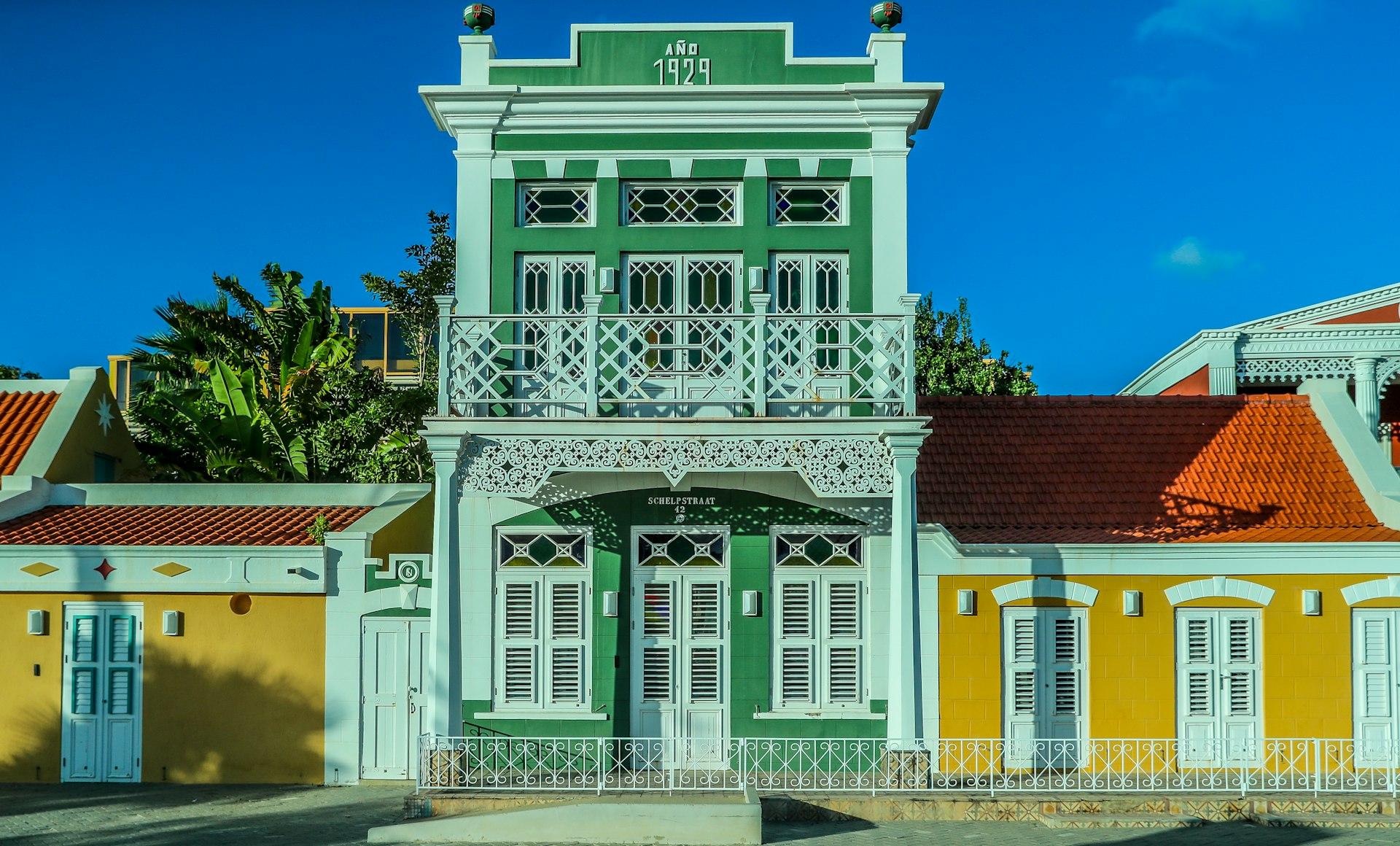
Oranjestad, the capital, anchors the island's western coast. The downtown grid holds Fort Zoutman — built in 1796, the oldest Dutch colonial structure still standing on Aruba — alongside a compact cruise-ship port and a string of shopping streets. Hotel density is highest along Eagle Beach and Palm Beach, two adjoining stretches north of the capital that together account for most of the island's resort accommodations. Eagle Beach, roughly 1.6 km in length, has been ranked among the widest beaches in the Caribbean. Palm Beach runs parallel to it and hosts high-rise towers, casinos, and the restaurants of the Noord district.
San Nicolas, 18 km southeast of Oranjestad, is Aruba's second city. Once dependent on the Lago Oil Refinery — which opened in 1928 and at its peak employed thousands — it has repositioned around the Aruba Art Fair and a growing mural scene across its brick-wall streets. The island's eastern coast around Savaneta and Boca Grandi draws kitesurfers and hikers rather than resort guests.
Landscape and Natural Landmarks
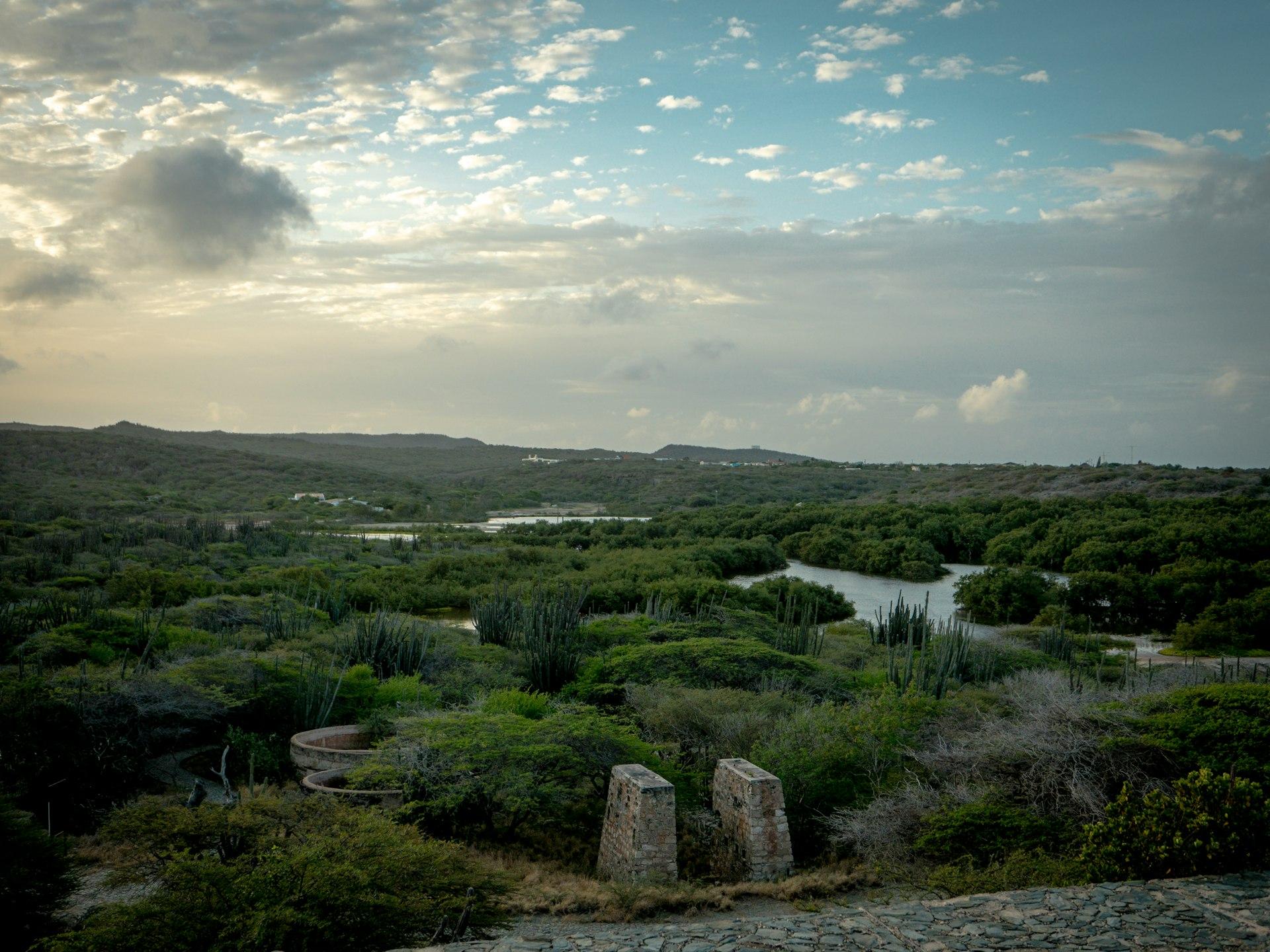
The interior belongs to Arikok National Park, which covers roughly 18% of Aruba's total land area. Within it, Casibari Rock Formations rise unexpectedly from flat desert scrub. Natural Pool (Conchi) requires a 4WD or guided tour to reach — it sits on the northeast coast where Atlantic swells funnel into a volcanic rock basin. Alto Vista Chapel, a yellow ochre structure dating to 1750, stands on a hill above the northern coast and remains an active pilgrimage site. Caves such as Fontein Cave contain pre-Columbian Arawak drawings estimated to be 1,000–1,500 years old.
When to Visit Aruba
The island receives fewer than 500 mm of rain annually, the lowest average in the Caribbean, so there is no true rainy season to avoid. Peak season runs from mid-December through mid-April when North American visitors fill the Palm Beach resorts and rates are at their highest. The shoulder months of May through August offer lower hotel rates with nearly identical weather. The Aruba Carnival runs from January through the Grand Parade in February and draws the largest local crowds of the year.
Practical Tips for Visiting Aruba
- Currency: The Aruban florin (AWG) is the official currency; the US dollar is widely accepted at a fixed rate of approximately 1.79 AWG.
- Getting around: Rental cars and scooters are practical for reaching Arikok National Park and the east coast; Palm Beach hotels are walkable between one another.
- Language: Papiamento is the local creole language; Dutch is official; English and Spanish are widely spoken in hotels and restaurants.
- Driving side: Traffic moves on the right.
- Entry: Most nationalities receive a 30-day visitor permit on arrival; check ED card requirements before flying.
- Water: Tap water is desalinated and safe to drink — Aruba operates one of the world's oldest desalination plants, operational since 1932.
Frequently Asked Questions
Q: Does Aruba get hurricanes? A: Aruba lies south of the main Caribbean hurricane track at approximately 12° N latitude. Direct hurricane strikes are rare, though tropical storms can occasionally bring heavy rain between August and October.
Q: What is the best area to stay in Aruba? A: Palm Beach hosts the largest concentration of high-rise resorts and casino hotels. Eagle Beach, immediately south, offers wider sand and mostly low-rise properties at a quieter pace.
Q: How far is Aruba from the US mainland? A: Non-stop flights from Miami take approximately 2 hours 45 minutes; from New York JFK, roughly 4 hours 30 minutes.
Q: Is a rental car necessary in Aruba? A: Visitors staying along Palm Beach can reach most restaurants and shops on foot or by hotel shuttle. A rental vehicle becomes useful for day trips to Arikok National Park or the east coast beaches.