Hotels in Bangladesh
4 cities · 6 hotels
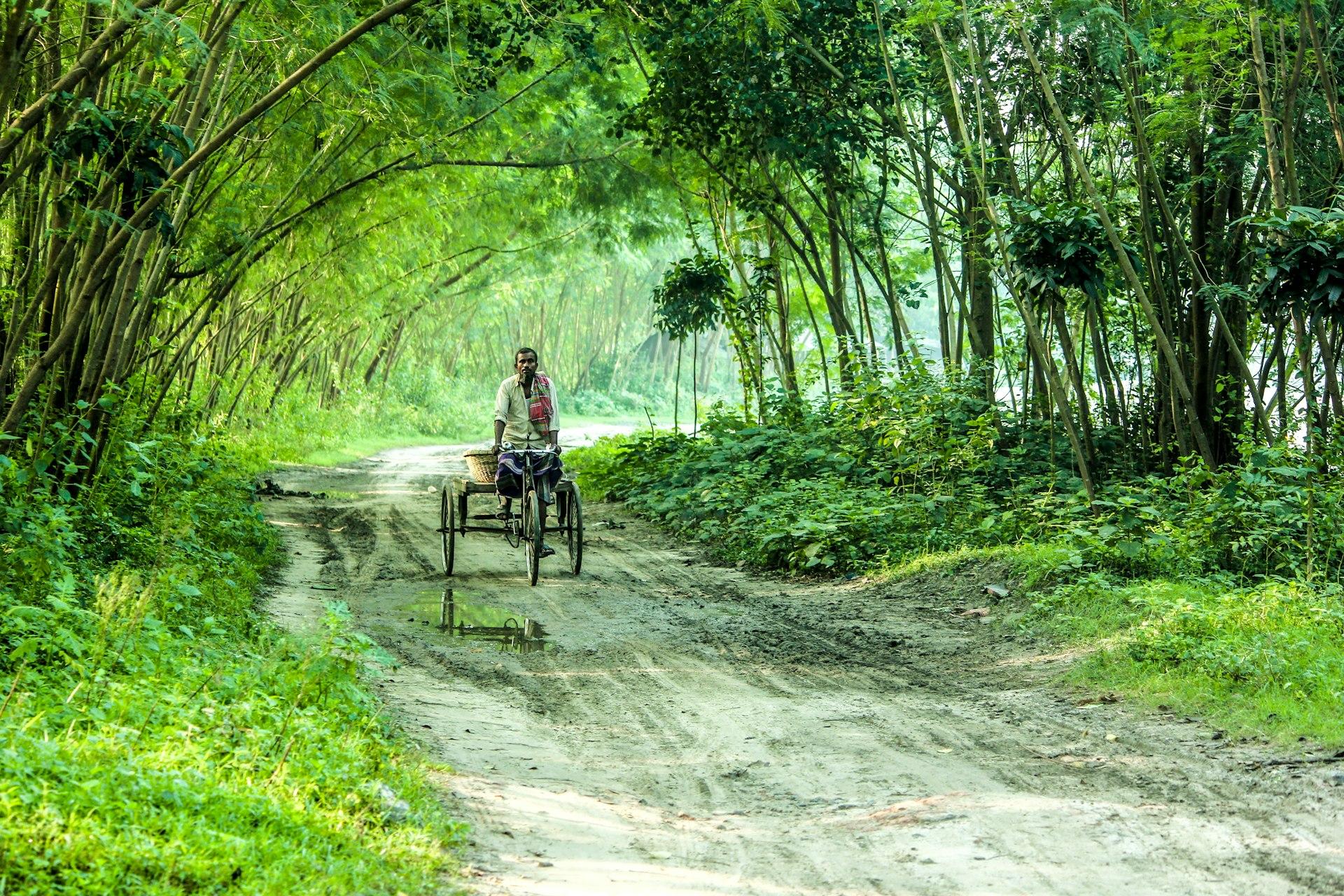
Photo by Ahmed Jubair on Unsplash
Bangladesh: The Bengal Delta and Its Ancient River Cities
Bangladesh occupies the world's largest river delta, where the Ganges, Brahmaputra, and Meghna converge across roughly 147,000 square kilometres before emptying into the Bay of Bengal. The country shares borders with India on three sides and Myanmar to the southeast. Despite its compact geography, Bangladesh holds over 170 million people — making it one of the most densely settled nations on Earth — and a layered history stretching from the Pala Buddhist empire of the 8th century through Mughal rule and the 1971 Liberation War.
Cities Worth Exploring
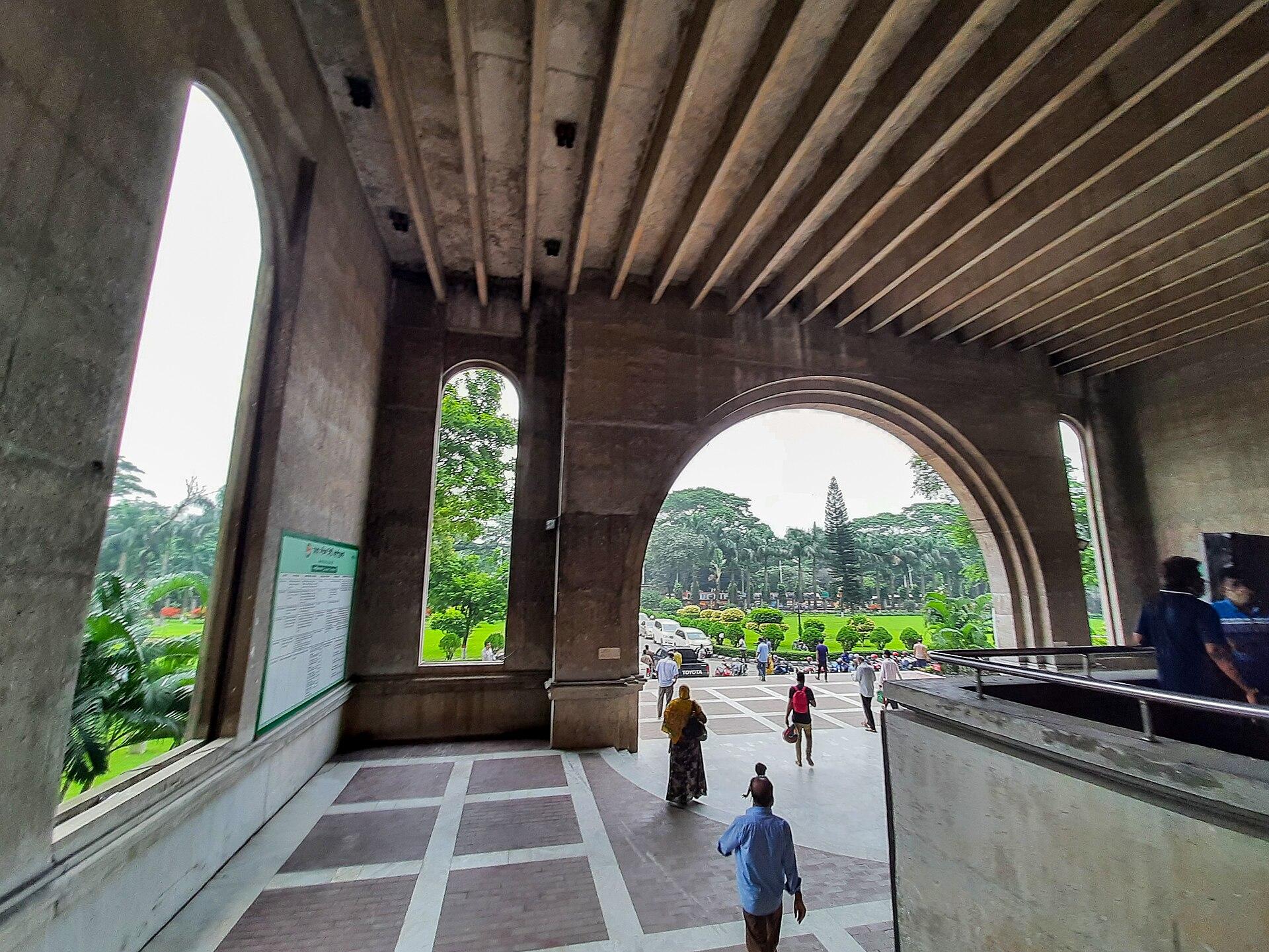
Dhaka, the capital, sits on the Buriganga River and functions as the country's commercial and cultural engine. The old quarter, Puran Dhaka, contains the 17th-century Lalbagh Fort, the pink-walled Ahsan Manzil palace museum (built 1872), and the Sadarghat river terminal, one of the busiest inland ports in Asia where wooden rocket steamers depart around the clock. North of Puran Dhaka, the Gulshan and Banani districts anchor the modern hotel and restaurant corridor.
Chittagong, Bangladesh's main seaport 264 km southeast of Dhaka, is the gateway to the Chittagong Hill Tracts — a highland zone of Buddhist monasteries, tribal markets at Rangamati, and forest trails near Bandarban. The hill town of Sajek Valley at approximately 1,800 metres draws domestic travellers seeking cooler temperatures and cloud-level views.
Sylhet, 240 km northeast of Dhaka, sits at the edge of Bangladesh's tea belt. More than 150 tea estates cover the surrounding slopes, and the Ratargul Swamp Forest — a rare freshwater swamp forest — lies 26 km from the city centre.
The Sundarbans and the Southern Coast
The Sundarbans, straddling the Bangladesh–India border, form the world's largest contiguous mangrove forest at roughly 10,000 square kilometres on the Bangladesh side alone. The forest is a UNESCO World Heritage Site (inscribed 1997) and the primary habitat of the Bengal tiger. Organised boat tours depart from Mongla or Khulna, typically running two to four days through tidal channels.
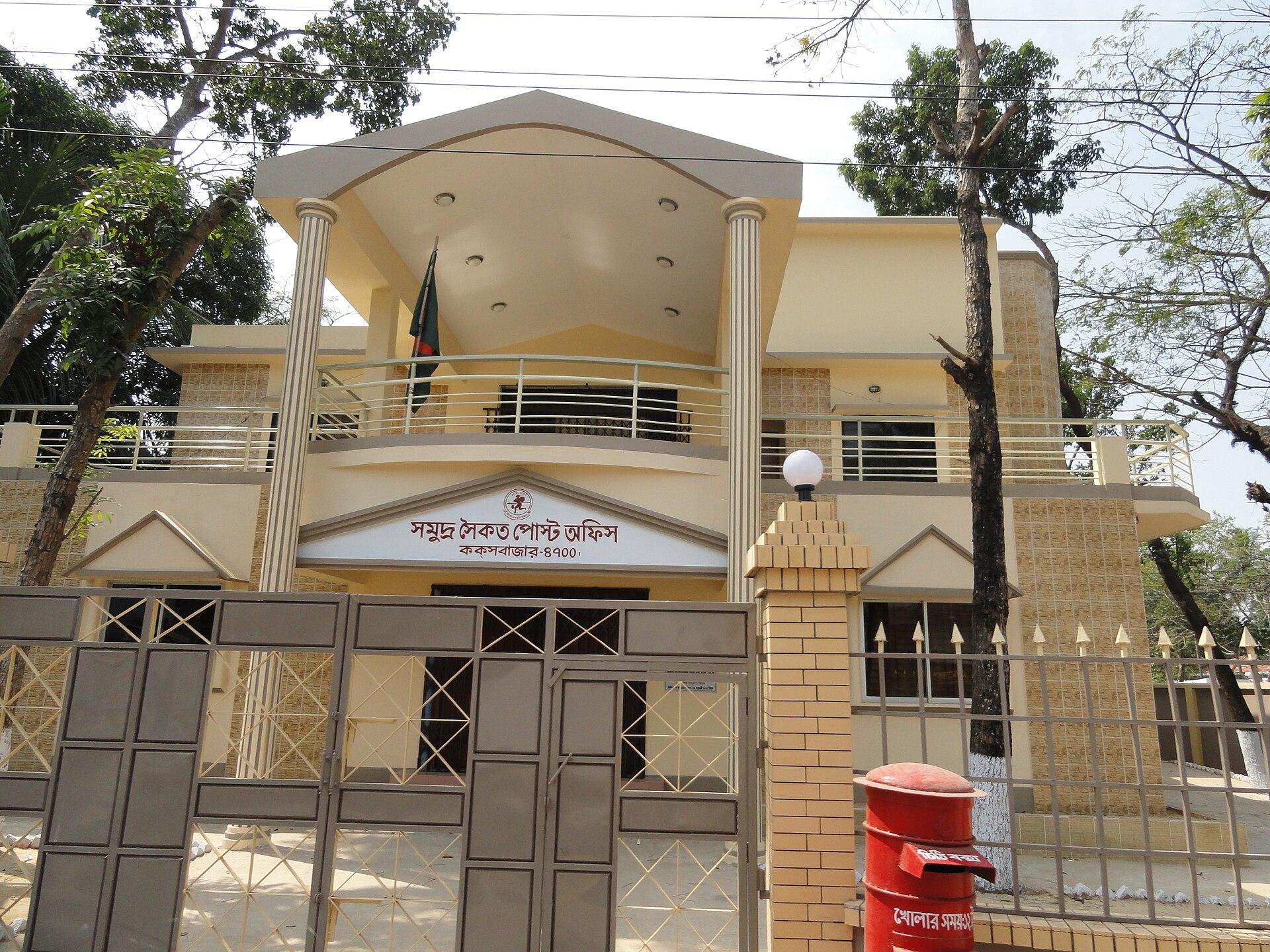
Cox's Bazar, 150 km south of Chittagong, fronts a continuous sandy beach stretching approximately 120 km — frequently cited as one of the longest natural sea beaches in the world. The adjacent Inani Beach and offshore island Saint Martin's attract travellers between November and March, when the Bay of Bengal is calm.
When to Visit Bangladesh
The country has three distinct seasons. The cool dry season from November to February is the standard travel window: temperatures in Dhaka average 18–25 °C and rainfall is minimal. March to May brings heat and pre-monsoon storms. The monsoon (June to October) floods significant portions of the delta but transforms the landscape into a waterway network traversed by local wooden boats; river travel enthusiasts sometimes prefer this period despite logistical challenges.
Practical Tips for Visiting Bangladesh
- Visa: Most nationalities require a visa on arrival or an e-visa obtained in advance through the Bangladesh Immigration website; processing typically takes 3–5 working days online.
- Currency: The Bangladeshi taka (BDT) is the legal tender; ATMs are available in Dhaka and Chittagong but rare in rural areas — carry cash outside cities.
- Getting around: Domestic flights connect Dhaka to Chittagong, Sylhet, Cox's Bazar, and Jessore. Intercity trains on the Bangladesh Railway network link major cities; book seats at least two days ahead on popular routes.
- Health: Consult a travel health clinic 6–8 weeks before travel regarding typhoid, hepatitis A, and malaria prophylaxis for the Chittagong Hill Tracts.
- Connectivity: Local SIM cards (Grameenphone, Robi, Banglalink) are sold at Dhaka and Chittagong airports; 4G coverage is reliable in urban areas.
Frequently Asked Questions
Q: What is the main entry point for international travellers? A: Hazrat Shahjalal International Airport in Dhaka handles the majority of international flights. Chittagong's Shah Amanat International Airport serves a smaller number of regional routes.
Q: Is Bangladesh safe for travellers? A: The major cities and tourist zones — Dhaka, Cox's Bazar, Sylhet, Sundarbans tour circuits — are visited regularly without incident. Travellers should monitor official government advisories regarding the Chittagong Hill Tracts, where permit requirements and access rules can change.
Q: What language is spoken and is English widely understood? A: Bengali (Bangla) is the official language. English is functional in hotels, airports, and business districts of Dhaka and Chittagong, but less common in rural areas.
Q: What currency should travellers carry? A: The Bangladeshi taka (BDT) is required for most transactions. USD and EUR can be exchanged at banks and licensed money changers in Dhaka; exchange facilities are limited outside the capital.
Q: Which season suits Sundarbans wildlife tours? A: November to February offers the clearest conditions and highest chance of tiger sightings; the forest department restricts access during parts of the monsoon for conservation reasons.