Hotels in Barbados
1 cities · 2 hotels
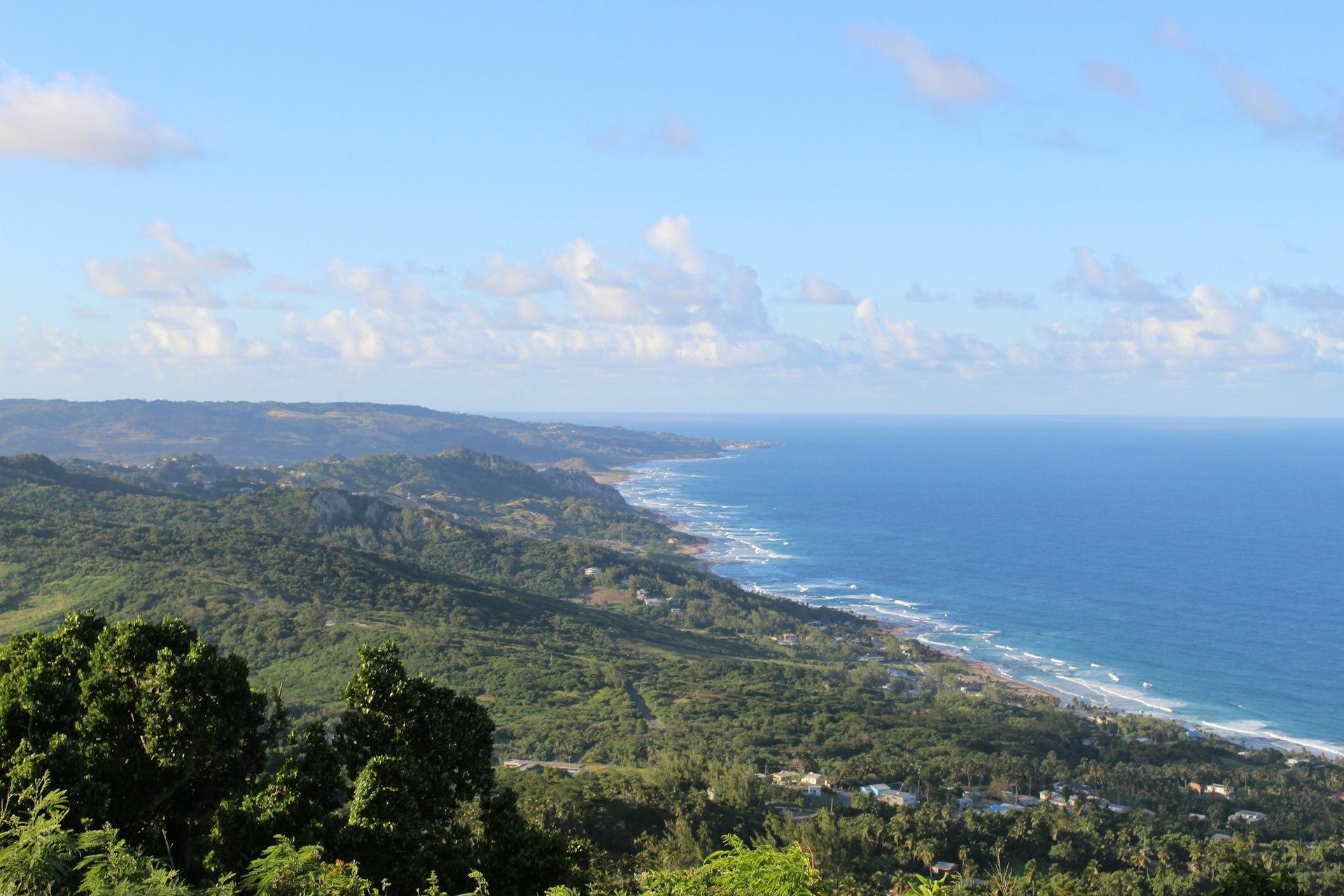
Photo by Justin Gibbs on Unsplash
Barbados: A Coral Island 34 km Long in the Eastern Caribbean
Barbados sits 160 km east of Saint Lucia, farther into the Atlantic than any other Caribbean island. That position gives it year-round trade winds, a distinct British-colonial heritage, and coral limestone geology that underpins both the landscape and the architecture. The island covers 431 km² and holds roughly 280,000 residents, concentrated in and around Bridgetown, the capital on the southwest coast. UNESCO inscribed Bridgetown and its historic garrison in 2011 — one of only a handful of Caribbean World Heritage Sites.
Cities and Coasts Worth Exploring
Bridgetown anchors the south-west. The Careenage, a narrow inlet lined with schooners and 17th-century warehouses, sits two blocks from Broad Street's duty-free shops. Holetown, 12 km north on the west coast, marks where English settlers landed in 1627; today the village hosts boutique restaurants, the Limegrove shopping centre, and direct beach access. Further north, Speightstown retains Georgian facades along its narrow lanes and draws fewer package tourists than the resort strips.
The Platinum Coast (St. James Parish, west-facing) holds calm, reef-sheltered water and the island's largest concentration of 4-star and 5-star hotels. The South Coast — St. Lawrence Gap through Dover — runs livelier, with smaller guesthouses, rum bars, and a beach strip that stays animated well after midnight. The rugged East Coast (Bathsheba, St. Joseph) faces Atlantic swells that attract surfers but offers few hotels; the Soup Bowl reef break hosts international competitions each November.
Regional Character and What Draws Travelers
Barbados built its economy on sugar from the 1640s onward; the last commercial harvest was 2020. Harrison's Cave, a crystallised limestone cavern in the island's central ridge, sees over 100,000 visitors annually. Hunte's Gardens, 3 km east of the cave, fill a collapsed gully with 400-year-old trees and imported orchids. The Barbados Wildlife Reserve in St. Peter keeps free-roaming green monkeys, introduced from West Africa in the 17th century.
Rum production remains central to Barbadian identity. Mount Gay Distillery in St. Lucy dates its founding to 1703, making it one of the oldest documented rum operations in the world. The distillery offers guided tours and blending workshops most mornings.
When to Visit Barbados
The dry season runs December through May, with average highs of 28–30 °C and minimal rainfall — peak season rates apply from mid-December to mid-April. June through November is the Atlantic hurricane season; Barbados sits south of the main hurricane belt and has not taken a direct major strike since 1955, though tropical storms occasionally bring heavy rain in September and October. Shoulder months (May, November) offer lower hotel rates and manageable crowds. The Crop Over Festival, rooted in the end of sugar harvest, peaks with the Grand Kadooment parade each early August.
Practical Tips for Visiting Barbados
- Getting around: Route taxis (ZR vans) cover most of the island for under 3.50 BBD (≈ USD 1.75) per trip; car hire requires a local permit (BBD 10) issued at the rental desk.
- Currency: The Barbadian dollar (BBD) is pegged at 2:1 to the US dollar; US dollars are accepted island-wide at that rate.
- Entry: Most nationalities receive 28-day visitor status on arrival; extensions are available at the Immigration Department in Bridgetown.
- Water safety: Tap water is safe to drink — Barbados draws from one of the Caribbean's largest coral aquifers.
- Tipping: A 10% service charge appears on most restaurant bills; additional gratuity is discretionary.
Frequently Asked Questions
Q: Which part of Barbados has the calmest water for swimming? A: The west coast (St. James and St. Peter parishes) faces the Caribbean Sea and is sheltered by offshore reefs, producing calm, clear water year-round. The south coast is also swimmable but has moderate wave action near the Gap.
Q: How far is the airport from the main hotel areas? A: Grantley Adams International Airport is in Christ Church, roughly 3 km from St. Lawrence Gap and 20 km from Holetown on the west coast. Taxis charge fixed government-set fares by zone.
Q: Is Barbados a good destination outside peak season? A: May and November offer lower hotel rates while maintaining largely dry weather; June through August is warm and humid but historically free of direct hurricane impacts. The Crop Over season (July–August) draws domestic and regional visitors.
Q: Do hotels on the Platinum Coast offer direct beach access? A: Barbadian law mandates public access to all beaches, and west-coast hotels generally front the shore directly. Some properties include private loungers on the public beach as part of the rate.
Q: What is the main language and are credit cards widely accepted? A: English is the official language. Visa and Mastercard are accepted at nearly all hotels, restaurants, and larger shops; smaller rum shops and market vendors may be cash-only.