Hotels in Benin
1 cities · 5 hotels
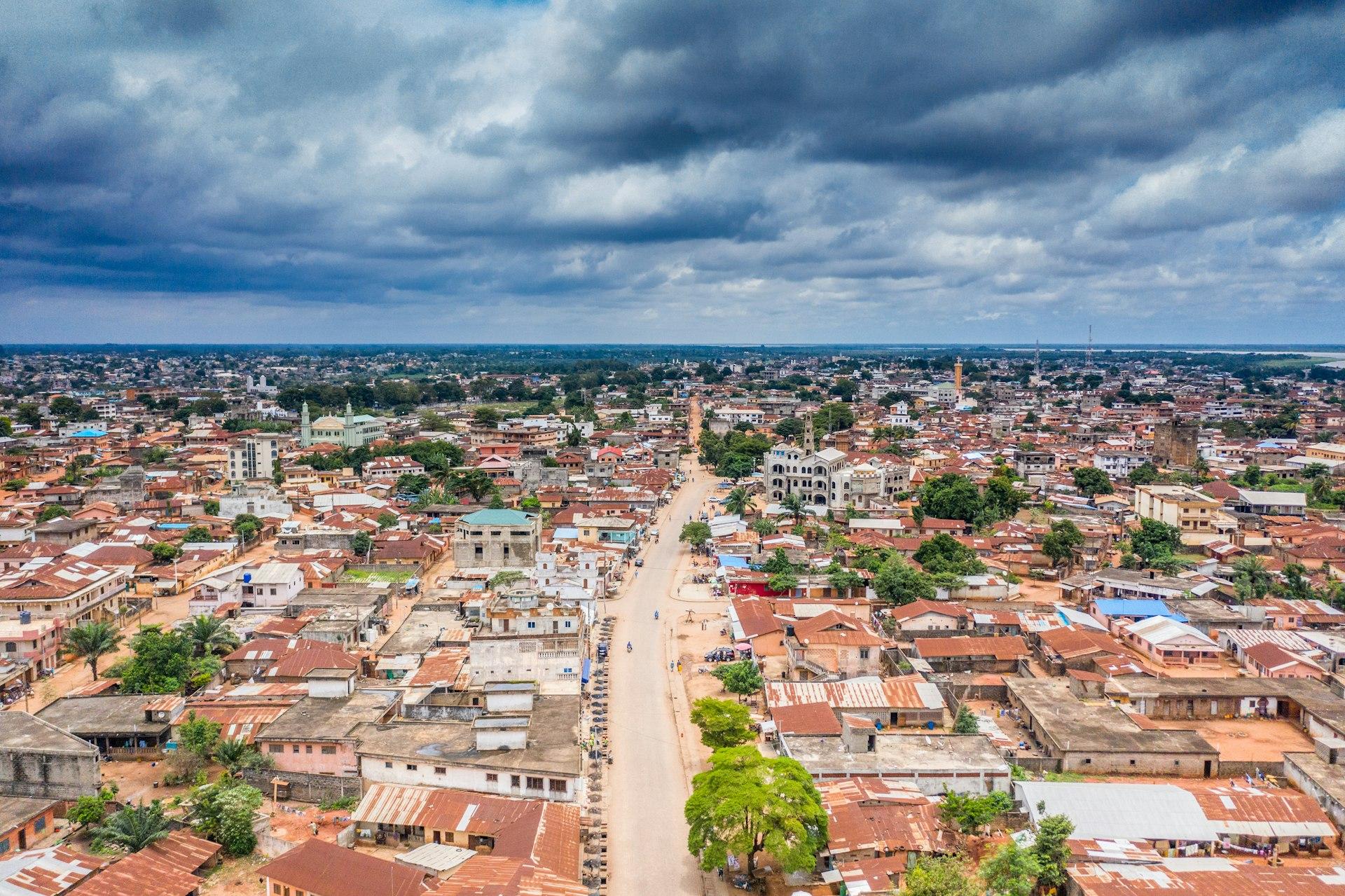
Photo by Yanick Folly on Unsplash
Benin: West Africa's Vodun Heartland and Royal Kingdom Legacy
Benin, a narrow country stretching 700 km from the Gulf of Guinea northward to the Sahel, holds one of West Africa's most layered histories. The former Kingdom of Dahomey — centered on Abomey, 145 km north of the coast — ruled the region from the 17th century until French annexation in 1894. The royal palaces of Abomey are a UNESCO World Heritage Site since 1985, preserving bas-relief walls that document twelve successive kings. Vodun (Voodoo) originated here and remains a living religion practiced by an estimated 40% of the population, not a spectacle for visitors but a daily civic and spiritual framework.
Cities Worth Exploring
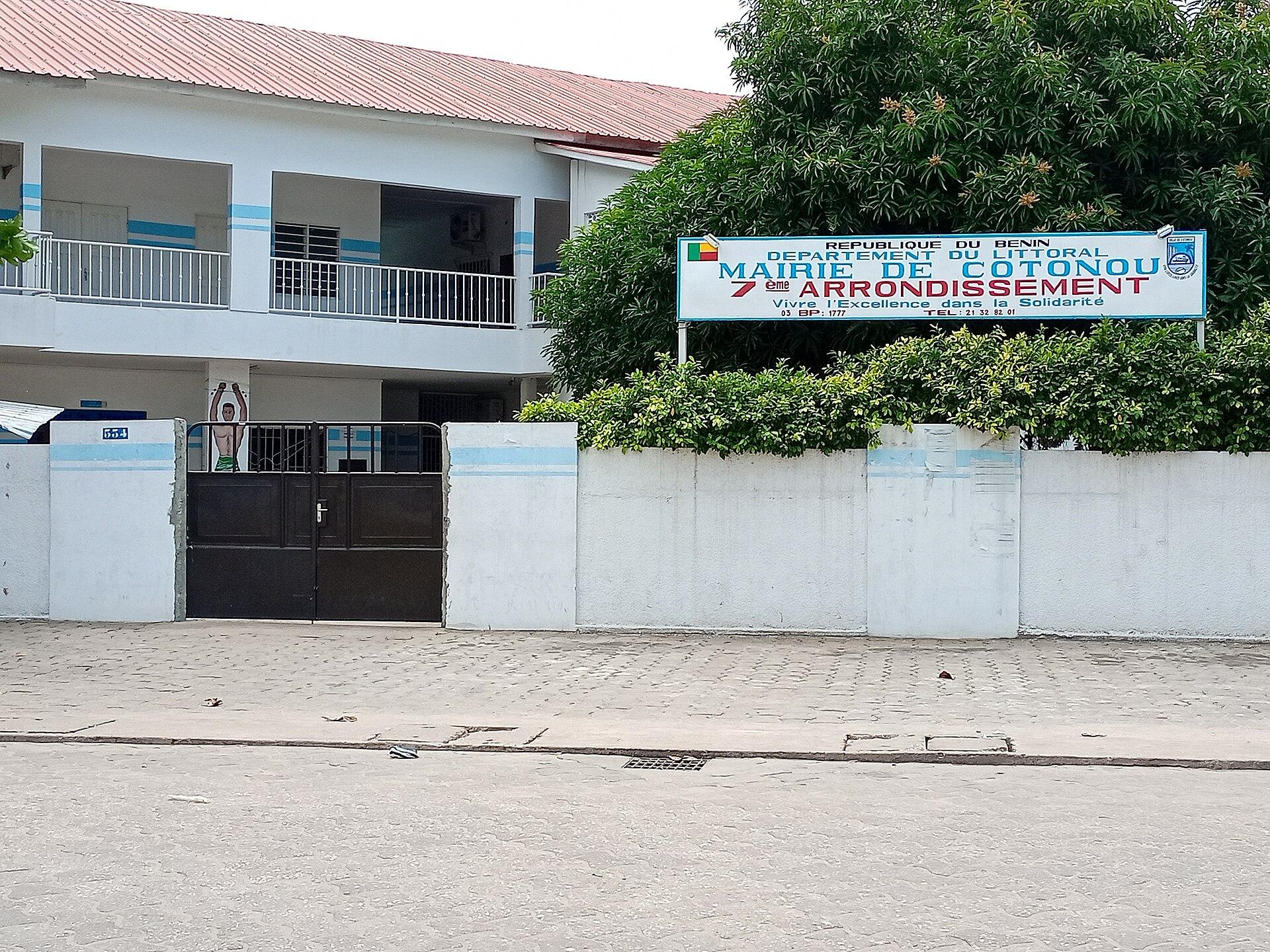
Cotonou is the economic capital and transport hub, home to the Dantokpa Market — one of the largest open-air markets in West Africa, sprawling across the western bank of Lac Nokoué. The market sells everything from textiles to motorcycles and opens from dawn until late afternoon daily. Porto-Novo, the official capital 30 km east of Cotonou, contains the Musée da Silva in a 19th-century Brazilian-Portuguese colonial mansion, reflecting the merchant diaspora that shaped the city's architecture. Ouidah, 42 km west of Cotonou, is the spiritual centre of Vodun and the departure point of the Route des Esclaves, a 4 km ceremonial road ending at the Gate of No Return on the beach — a memorial to the estimated one million people enslaved and shipped from this shore between the 17th and 19th centuries.
Northern Regions and Natural Reserves
North of the Atakora Mountains, the landscape shifts to dry savanna and laterite villages. Pendjari National Park, covering 4,800 km² near the Burkina Faso border, is one of the most intact wildlife reserves in West Africa. Elephants, lions, hippos, and West African cheetahs — among the rarest large cats on the continent — have been recorded here. The park is managed jointly with W National Park across the Niger border, forming a transboundary complex exceeding 10,000 km². The town of Natitingou, 590 km north of Cotonou, serves as the gateway and has guesthouses near the park entrance.
When to Visit Benin
The dry season runs November through March, making this the practical travel window for both the coast and the north. The Fête du Vodoun (Vodun Festival) takes place on 10 January each year in Ouidah — the largest public celebration of the religion, drawing practitioners from Benin, Togo, and the Beninese diaspora in Brazil and Haiti. Wildlife viewing in Pendjari peaks December to February when animals concentrate around waterholes. The rainy seasons (April–June and September–October in the south) can make northern roads difficult; the Atakora highlands receive up to 1,200 mm annually.
Practical Tips for Visiting Benin
- Visa: Most nationalities require a visa; the e-Visa portal (evisa.bj) processes applications online with a typical turnaround of 72 hours.
- Currency: The West African CFA franc (XOF) is the official currency; ATMs are available in Cotonou but scarce in the north — carry cash before heading upcountry.
- Getting around: Shared taxis (bush taxis) connect major towns; zemidjans (motorcycle taxis) are the default transport within cities — negotiate fares before boarding.
- Health: Yellow fever vaccination is mandatory for entry; malaria prophylaxis is strongly recommended year-round.
- Language: French is the official language; Fon and Yoruba are widely spoken in the south, Dendi in the north.
- Accommodation: Hotels concentrate in Cotonou, with a smaller but adequate selection in Porto-Novo, Ouidah, and Natitingou; Pendjari has park lodges operated under conservation concessions.
Frequently Asked Questions
Q: What is the capital city of Benin? A: Porto-Novo is the official capital of Benin, located 30 km east of Cotonou on the coast. Cotonou is the larger city and functions as the commercial and administrative centre where most government offices operate.
Q: Is Benin safe for travelers? A: The southern and central regions — Cotonou, Ouidah, Abomey, Porto-Novo — are generally considered low-risk for travel. The far north near the Burkina Faso and Niger border zones has seen periodic security incidents since 2021; travelers should check current advisories before visiting Pendjari.
Q: What language is spoken in Benin? A: French is the official and administrative language. Fon is the dominant local language in the south, Yoruba is spoken in the southeast near the Nigerian border, and dozens of other languages are distributed across the country's 12 million inhabitants.
Q: What is Benin known for historically? A: Benin was the seat of the Kingdom of Dahomey, a powerful state from the 1600s that traded extensively — including in enslaved people — with European powers. The royal palaces at Abomey and the slave-trade memorials at Ouidah are the primary heritage sites visited today.
Q: What hotels are available in Benin? A: Cotonou has the widest range, from international business hotels near the airport to smaller guesthouses in the Haie Vive and Cadjehoun neighborhoods. Porto-Novo and Ouidah offer boutique-style options in colonial buildings. Natitingou and Pendjari have eco-lodges and park-managed camps suited to safari itineraries.