Hotels in Bhutan
1 cities · 2 hotels
Photo by Aaron Santelices on Unsplash
Bhutan: The Himalayan Kingdom Measured in Gross National Happiness
Bhutan sits landlocked between India and China at elevations ranging from 200 m in the southern foothills to 7,570 m at Gangkhar Puensum, the highest unclimbed peak on Earth. The country covers 38,394 sq km and is home to roughly 780,000 people. Tourism has been deliberately capped since 1974 through a Sustainable Development Fee — currently USD 100 per person per night — making Bhutan one of the most intentionally low-volume destinations in Asia. That policy shapes everything: lodges stay small, trails stay quiet, and dzongs stay intact.
Cities Worth Exploring
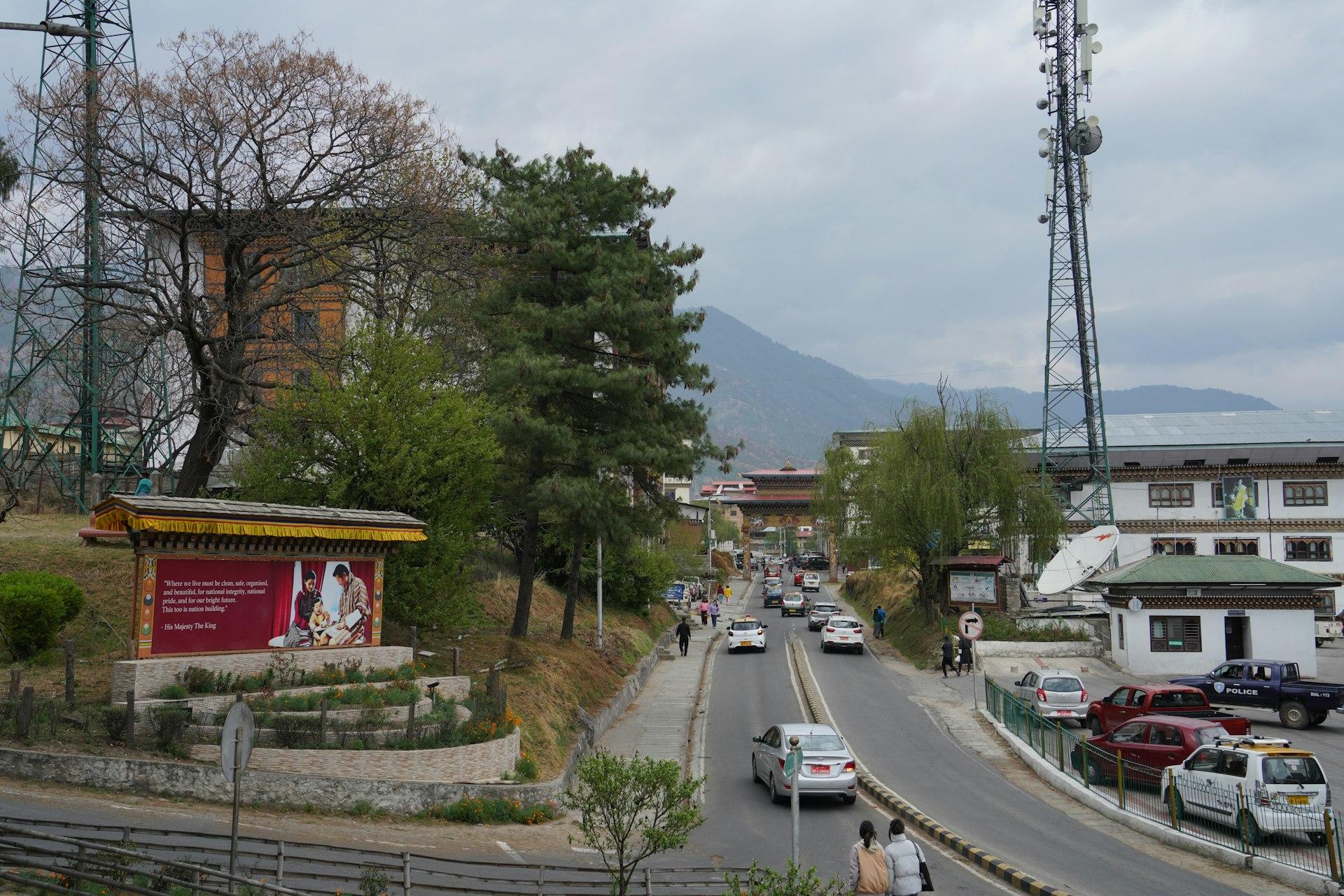
Thimphu, the capital, sits at 2,334 m in the Wang Chhu valley and holds the country's only urban hotels of international standard. The Tashichho Dzong, a 17th-century fortress that still houses government ministries, anchors the northern end of the city. Paro, 54 km west of Thimphu, is home to the country's sole international airport and the 15th-century Rinpung Dzong beside the Paro Chhu river. Punakha, roughly 75 km northeast of Thimphu via the Dochu La pass at 3,050 m, clusters around the Punakha Dzong at the confluence of the Pho Chhu and Mo Chhu rivers — considered the finest dzong architecture in the kingdom.
The Paro Valley and Trekking Regions
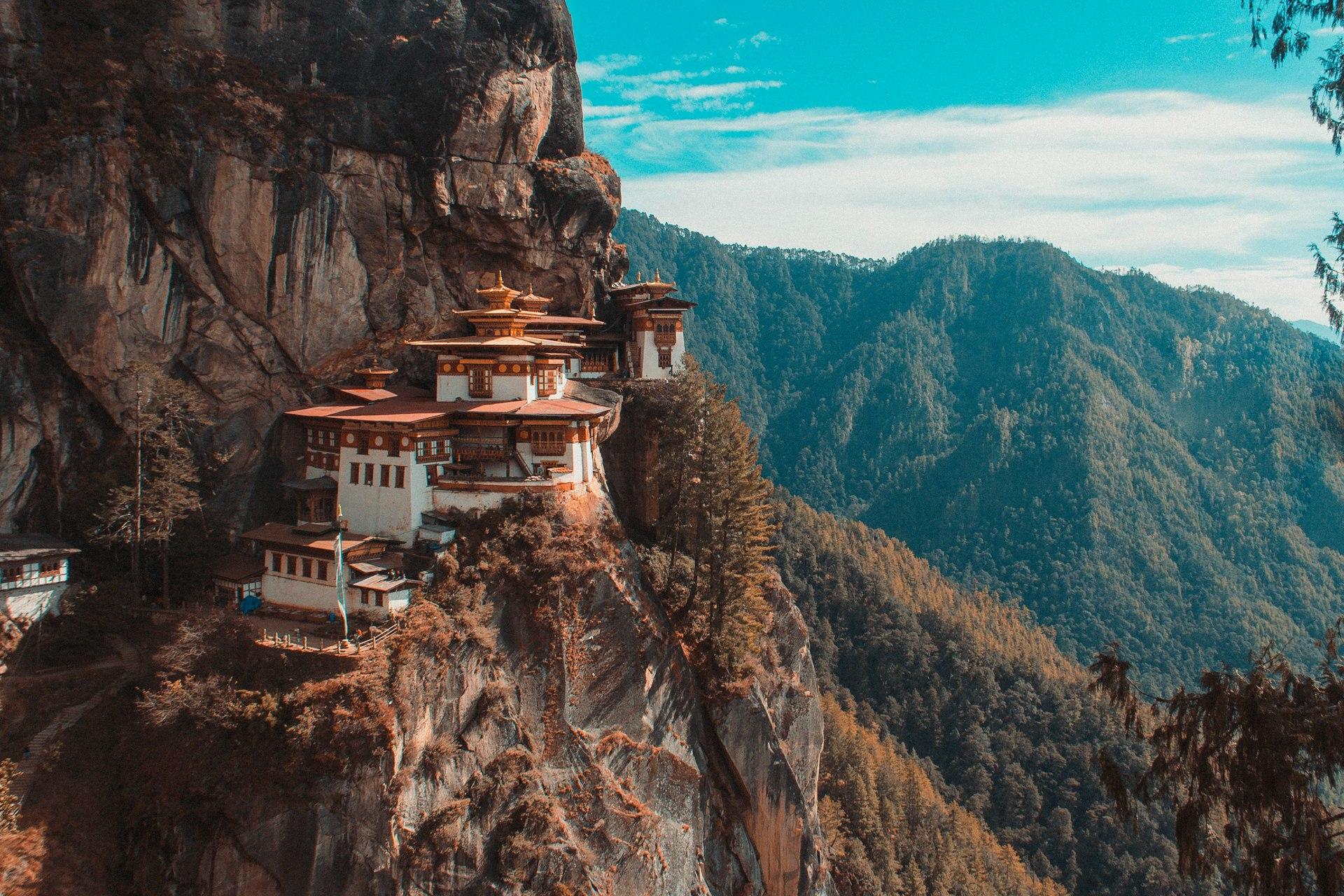
The Paro Valley draws trekkers targeting the Taktsang Monastery (Tiger's Nest), perched at 3,120 m on a cliff face 900 m above the valley floor. The hike takes two to three hours one way from the lower car park. Further afield, the Snowman Trek crosses 25 high passes over roughly 30 days through the Lunana district and is rated among the most demanding routes in the Himalayas. The Bumthang district, four valleys in central Bhutan at around 2,600 m, contains some of the kingdom's oldest lhakhangs (temples), including Jambay Lhakhang, said to date to the 7th century CE.
When to Visit Bhutan
The two clearest windows are March–May and September–November. Spring brings rhododendron bloom across the forested ridgelines; autumn delivers sharp mountain views after the monsoon clears. The Paro Tsechu festival in spring (March or April depending on the lunar calendar) draws large numbers of visitors — rooms book out months in advance. Winter (December–February) is cold but uncrowded, and the Punakha Dzong hosts its own tsechu in February. Monsoon (June–August) brings leeches on lower trails and reduced mountain visibility.
Practical Tips for Visiting Bhutan
- Visa and fees: All visitors except Indian, Bangladeshi, and Maldivian nationals require a visa arranged through a licensed Bhutanese tour operator. The USD 100 Sustainable Development Fee per person per night applies on top of tour package costs.
- Getting around: Druk Air and Bhutan Airlines serve Paro Airport from Bangkok, Delhi, Kolkata, Kathmandu, and Singapore. Domestic road travel between major towns takes two to six hours depending on mountain switchbacks.
- Altitude: Thimphu sits above 2,300 m; allow one to two days to acclimatise before trekking above 3,500 m.
- Currency: The Bhutanese ngultrum (BTN) is pegged 1:1 to the Indian rupee. Indian rupees are accepted widely.
- Hotels: Concentrated in Paro, Thimphu, and Punakha, with smaller lodge clusters in Bumthang. Book at least three months ahead for tsechu periods.
Frequently Asked Questions
Q: Do travelers need a tour operator to visit Bhutan? A: Yes — with the exception of Indian, Bangladeshi, and Maldivian nationals, all visitors must book through a licensed Bhutanese or international operator. Independent travel is not permitted under current regulations.
Q: What is the Sustainable Development Fee? A: The fee is USD 100 per person per night as of 2024. It replaced the older USD 250 per-day package minimum in 2022 and funds free healthcare, education, and conservation programs.
Q: Which Bhutan hotels are closest to Tiger's Nest? A: Most properties in Paro town sit within 10–15 km of the Taktsang trailhead. Several boutique lodges line the Paro Chhu valley directly below the cliff face.
Q: Is trekking in Bhutan suitable for beginners? A: The Druk Path Trek (five days, maximum 4,210 m) suits fit beginners with acclimatisation time. The Snowman Trek requires serious mountaineering fitness and prior high-altitude experience.
Q: What currency should travelers carry? A: The Bhutanese ngultrum is the official currency, but Indian rupees (denominations of INR 100 and below) are accepted at most shops and restaurants. USD is useful for settling hotel bills at larger properties.