Hotels in Bolivia
4 cities · 36 hotels
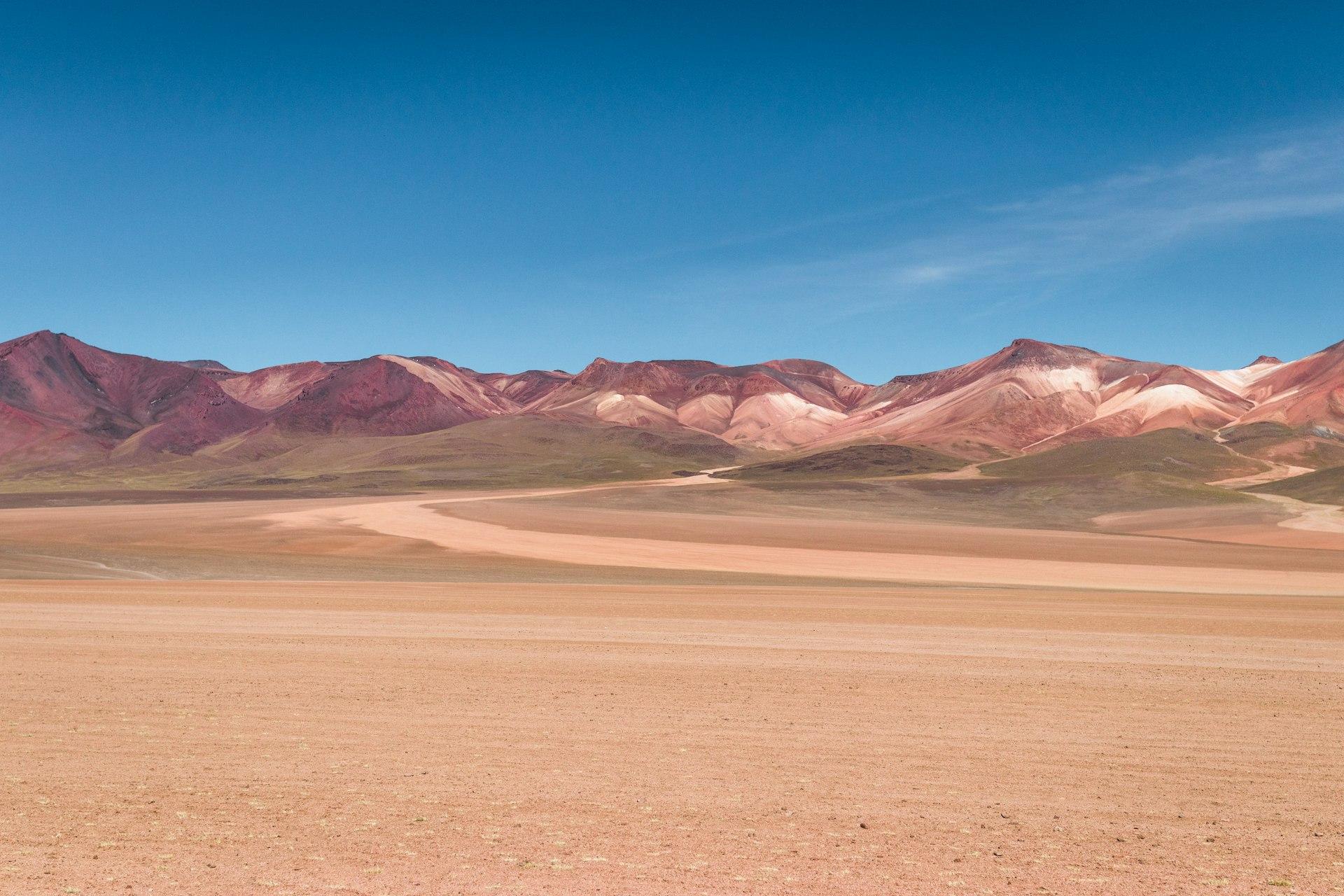
Photo by Jan Kronies on Unsplash
Bolivia: Altiplano, Salt Flats, and Amazonian Lowlands
Bolivia sits at the geographic heart of South America, sharing borders with five countries and spanning elevations from 90 metres in the Amazon basin to 6,542 metres at the summit of Nevado Sajama. The administrative capital, Sucre, holds UNESCO World Heritage status for its whitewashed colonial centre. The seat of government, La Paz, operates from a canyon at 3,640 metres above sea level — the highest-elevation capital city in the world. These two facts alone set Bolivia apart from every other destination on the continent.
Cities Worth Exploring
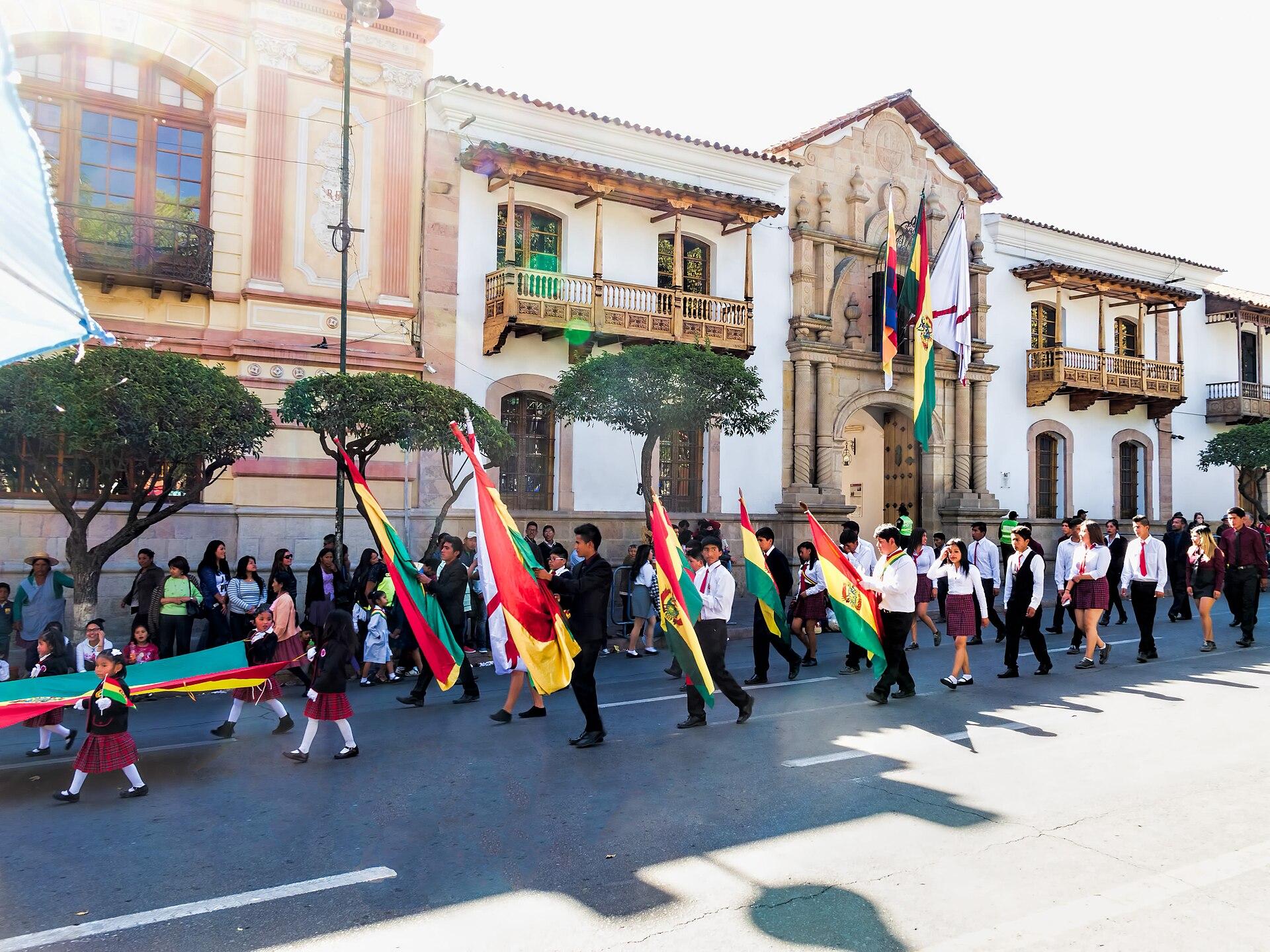
La Paz anchors most itineraries. The Witches' Market (Mercado de las Brujas) on Calle Linares sells ritual herbs and amulets within walking distance of the Plaza Murillo. The Mi Teleférico cable-car network — the longest urban aerial cable system in the world at over 30 km of lines — connects La Paz with neighbouring El Alto and delivers elevated views across the canyon. Sucre, roughly 560 km southeast by road, rewards slower travel: the Casa de la Libertad (1825) marks where Bolivia's independence declaration was signed. Potosí, a further 150 km south of Sucre, sits at 4,090 metres and preserves the Cerro Rico silver-mining history that once financed the Spanish Empire.
Signature Regions and Landscapes
The Salar de Uyuni in the Potosí Department covers 10,582 square kilometres, making it the largest salt flat on Earth. The dry season, May through October, produces the mirror-water effect that draws photographers from across the world. North of Uyuni, the Cordillera Real offers trekking routes above 4,000 metres, including the Choro Trail descending from La Cumbre pass into the cloud forest. In contrast, the Beni Department in the northeast is lowland savanna and rainforest, home to the Madidi National Park — one of the most biodiverse protected areas in the world at 18,958 square kilometres. The colonial mission towns of Chiquitanía, east of Santa Cruz de la Sierra, carry their own UNESCO designation for Jesuit architecture dating to the 17th and 18th centuries.
When to Visit Bolivia
The dry season — May to October — is the standard travel window. Uyuni salt flats are fully accessible, Andean trails are clear, and La Paz temperatures average 8–14 °C. The wet season, November to April, closes some rural roads and floods low-lying areas, but the Oruro Carnival (February or early March, depending on the liturgical calendar) draws over 400,000 visitors to one of Latin America's largest folk festivals. Santa Cruz de la Sierra, Bolivia's largest city by population at around 1.8 million, has a warmer lowland climate year-round and serves as the main gateway for eastern Bolivia.
Practical Tips for Visiting Bolivia
- Altitude acclimatisation: Allow 48–72 hours in La Paz before trekking or visiting Uyuni; acute mountain sickness is common above 3,500 metres.
- Currency: The boliviano (BOB) is the sole legal tender; ATMs in La Paz and Santa Cruz dispense local currency reliably.
- Getting around: Long-distance buses connect major cities; La Paz to Uyuni takes approximately 10 hours overnight by bus or 45 minutes by regional flight.
- Visas: Citizens of the US, EU, UK, and most Latin American countries receive a 30- or 90-day stamp on arrival; check requirements before travel as policies update periodically.
- Pack layers: Andean temperatures drop sharply after sunset even in summer months.
Frequently Asked Questions
Q: What is the best base for visiting the Salar de Uyuni? A: Uyuni town is the main departure point, located about 560 km south of La Paz. Most salt-flat tours depart from Uyuni's central plaza and last one to three days.
Q: Is La Paz safe for travellers? A: The Miraflores and Sopocachi districts are generally considered the safest areas for visitors. Standard precautions apply in all urban areas, particularly around busy transport hubs.
Q: How do travellers get from La Paz to Sucre? A: Direct flights take under an hour; the overland route via bus takes 12–15 hours. Boliviana de Aviación (BoA) and Amaszonas operate regular services between the two cities.
Q: What currency should visitors carry outside major cities? A: Cash bolivianos are essential in rural areas and smaller towns. US dollars are sometimes accepted at larger hotels, but bolivianos are required in markets and local transport.
Q: When is Oruro Carnival held? A: Oruro Carnival takes place 40 days before Easter Sunday, typically in February or early March. Hotel rooms in Oruro sell out months in advance during this period.