Hotels in Botswana
3 cities · 4 hotels
Photo by Datingscout on Unsplash
Botswana: Safari Heartland of Southern Africa
Botswana is a landlocked country of 581,730 sq km in southern Africa, bordered by Zimbabwe, Zambia, Namibia, and South Africa. It gained independence in 1966 and has since built one of Africa's most stable economies, driven largely by diamond mining and high-value, low-volume tourism. The population is approximately 2.6 million, with Gaborone serving as the capital and largest city. English and Setswana are the official languages.
Cities Worth Exploring
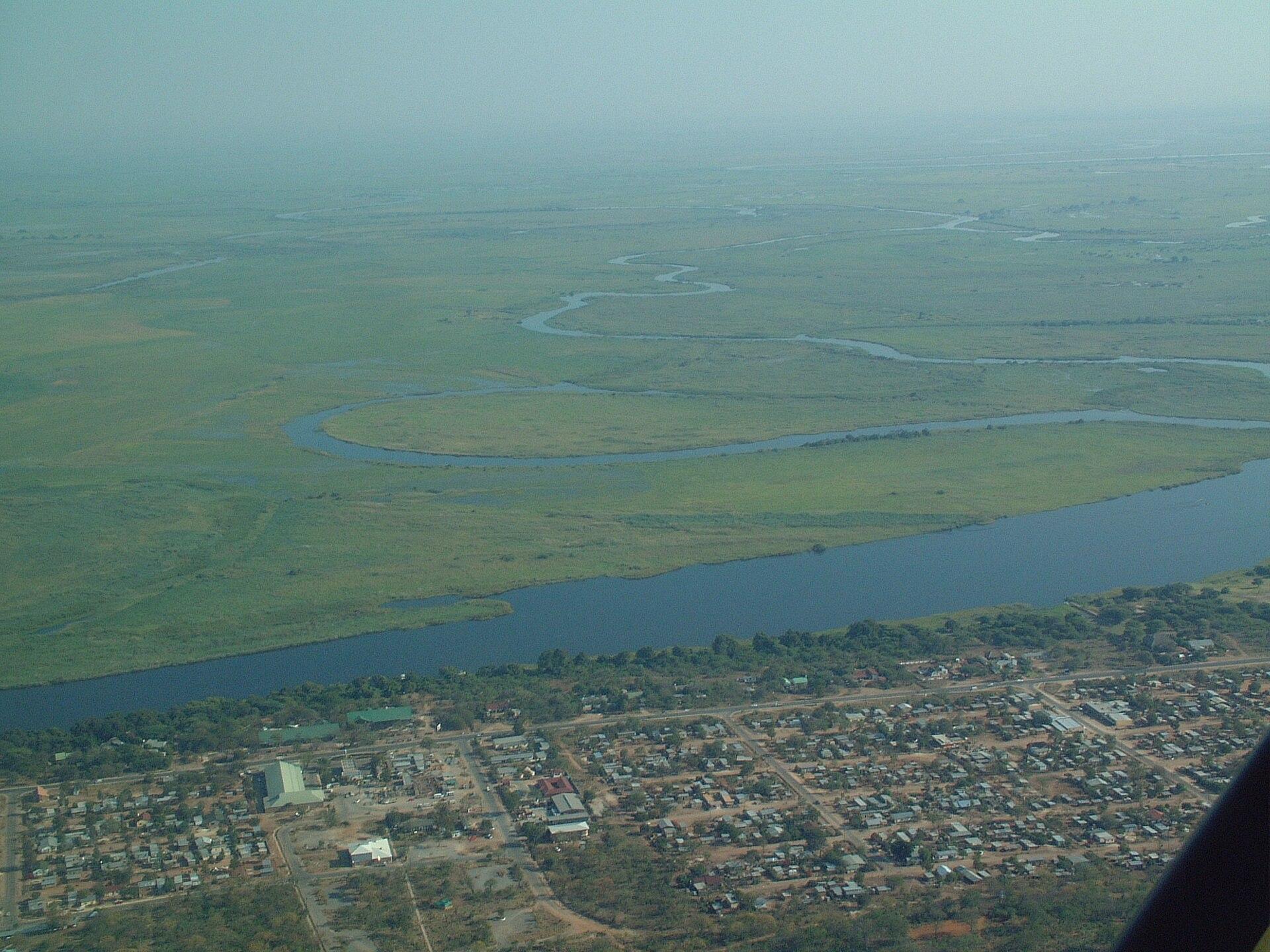
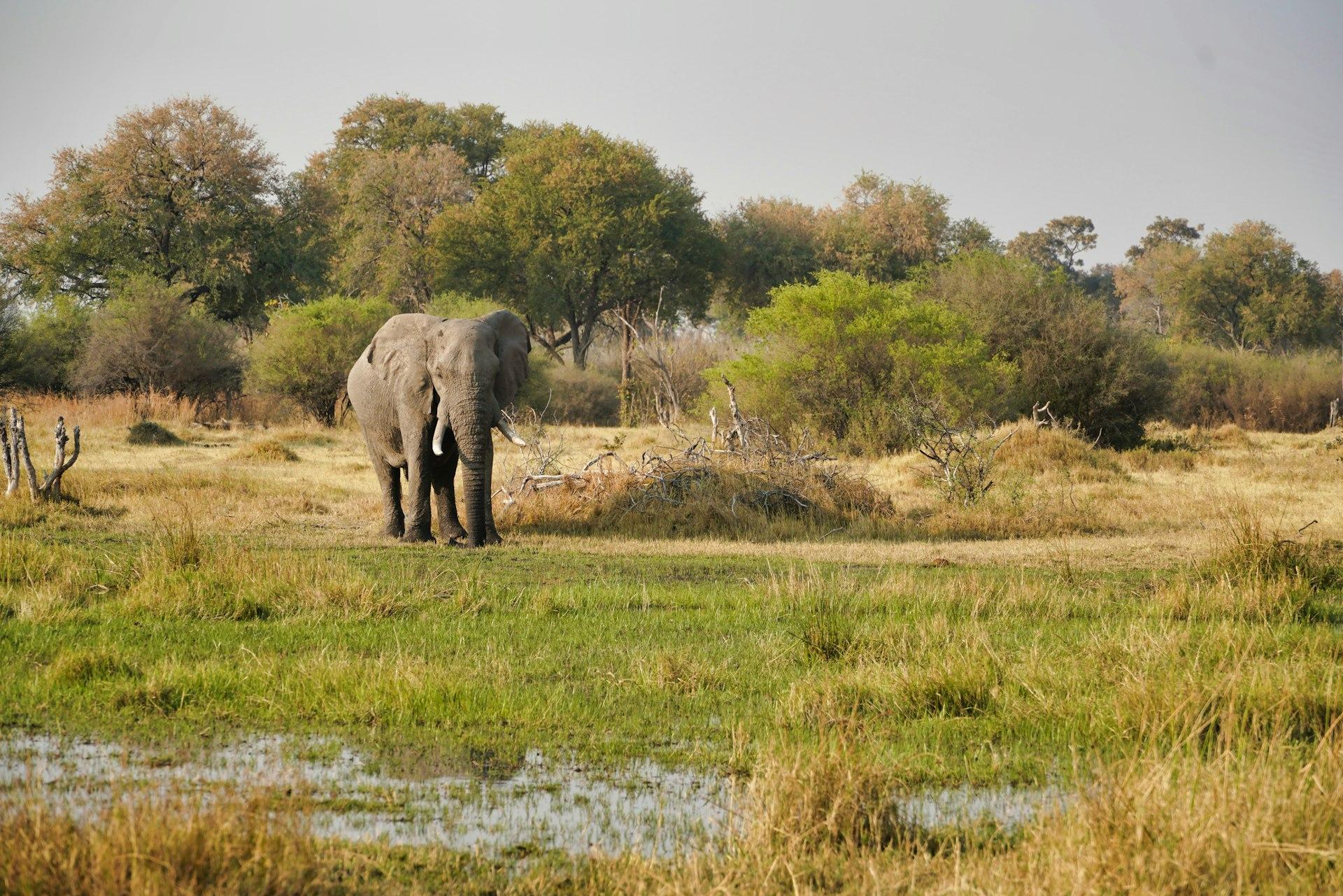
Gaborone, in the southeast corner near the South African border, anchors the country's commercial and political life. The Gaborone Game Reserve sits within the city limits — one of the few urban wildlife areas on the continent. Maun, roughly 900 km northwest of Gaborone, functions as the gateway town to the Okavango Delta and is home to dozens of safari lodges and charter flight operators. Kasane, in the far north, sits at the confluence of four countries and is the primary access point for Chobe National Park, which holds one of Africa's largest elephant populations — estimated at over 120,000 animals.
The Okavango Delta and Kalahari
The Okavango Delta is the world's largest inland delta, covering roughly 15,000 sq km during peak flood season (June–August). Water flows south from Angola's highlands, fanning out across the Kalahari sands rather than reaching the sea. Travelers reach remote camps by mokoro (dugout canoe) or light aircraft. Wildlife concentrations here include lions, leopards, hippos, and African wild dogs — one of the rarest large carnivores on the continent, with fewer than 6,600 individuals surviving globally.
The Central Kalahari Game Reserve, gazetted in 1961, covers 52,000 sq km — larger than the entire country of Denmark — making it one of the largest protected areas in the world. The semi-arid landscape supports black-maned Kalahari lions, gemsbok, and meerkats. Access requires a 4×4 vehicle and advance permits.
When to Visit Botswana
The dry season, May through October, delivers the best game viewing. Vegetation thins, animals concentrate around permanent water sources, and temperatures are moderate (15–28 °C). The Okavango Delta floods peak in June and July, turning channels and floodplains into rich feeding grounds. The wet season, November through April, brings lush green landscapes and newborn wildlife, but some camps close and roads in remote areas become impassable.
Practical Tips for Visiting Botswana
- Getting around: Charter flights connect Maun, Kasane, and remote airstrips; self-drive safaris in the Kalahari require a high-clearance 4×4 and a recovery kit.
- Entry requirements: Most nationalities receive a 90-day visa-free stamp on arrival; confirm current rules with the nearest Botswana embassy before travel.
- Currency: The Botswana pula (BWP) is the local currency; major safari camps accept USD, ZAR, and card payments, but carry small pula denominations for towns.
- Health: Malaria is present in the north (Chobe, Okavango) — consult a travel medicine clinic at least 4 weeks before departure.
- Park permits: Book Central Kalahari Game Reserve permits through the Department of Wildlife and National Parks well in advance; availability is limited.
Frequently Asked Questions
Q: What is the best time to visit Botswana for wildlife? A: The dry season from May to October offers the highest wildlife density as animals gather at waterholes. July and August are peak months for both game viewing and the Okavango Delta flood.
Q: How expensive is a safari in Botswana? A: Botswana deliberately pursues a high-value, low-volume tourism model. Remote lodge rates typically range from USD 500 to over USD 1,500 per person per night, inclusive of meals and game activities. Budget travelers find more affordable options in Maun or Kasane town hotels.
Q: Is Botswana safe for travelers? A: Botswana consistently ranks among Africa's most politically stable countries. Crime rates in Gaborone and tourist areas are relatively low, though standard precautions with valuables apply.
Q: Do travelers need a visa for Botswana? A: Citizens of the EU, USA, UK, and most Commonwealth countries receive a 90-day visa-free entry. Nationals of some countries require a visa obtained in advance — verify requirements at least 8 weeks before travel.
Q: What wildlife is unique to Botswana? A: Botswana holds some of Africa's largest concentrations of elephants (Chobe), African wild dogs (Okavango), and Kalahari black-maned lions. The Makgadikgadi Pans support massive zebra migrations between December and March.