
Hotels in Burundi
1 cities · 0 hotels
Photo by Augustine Tours on Unsplash
Burundi: East Africa's Great Lakes Frontier
Burundi sits at the crossroads of Central and East Africa, bordered by Rwanda to the north, Tanzania to the east and south, and the Democratic Republic of Congo to the west. At its western edge, Lake Tanganyika — the world's second-deepest lake at 1,436 metres — defines the country's character as much as its rolling highland interior. The capital, Gitega, sits roughly 100 km east of Bujumbura, the commercial hub and largest city, which faces the lake at an elevation of 774 metres.
Cities Worth Exploring
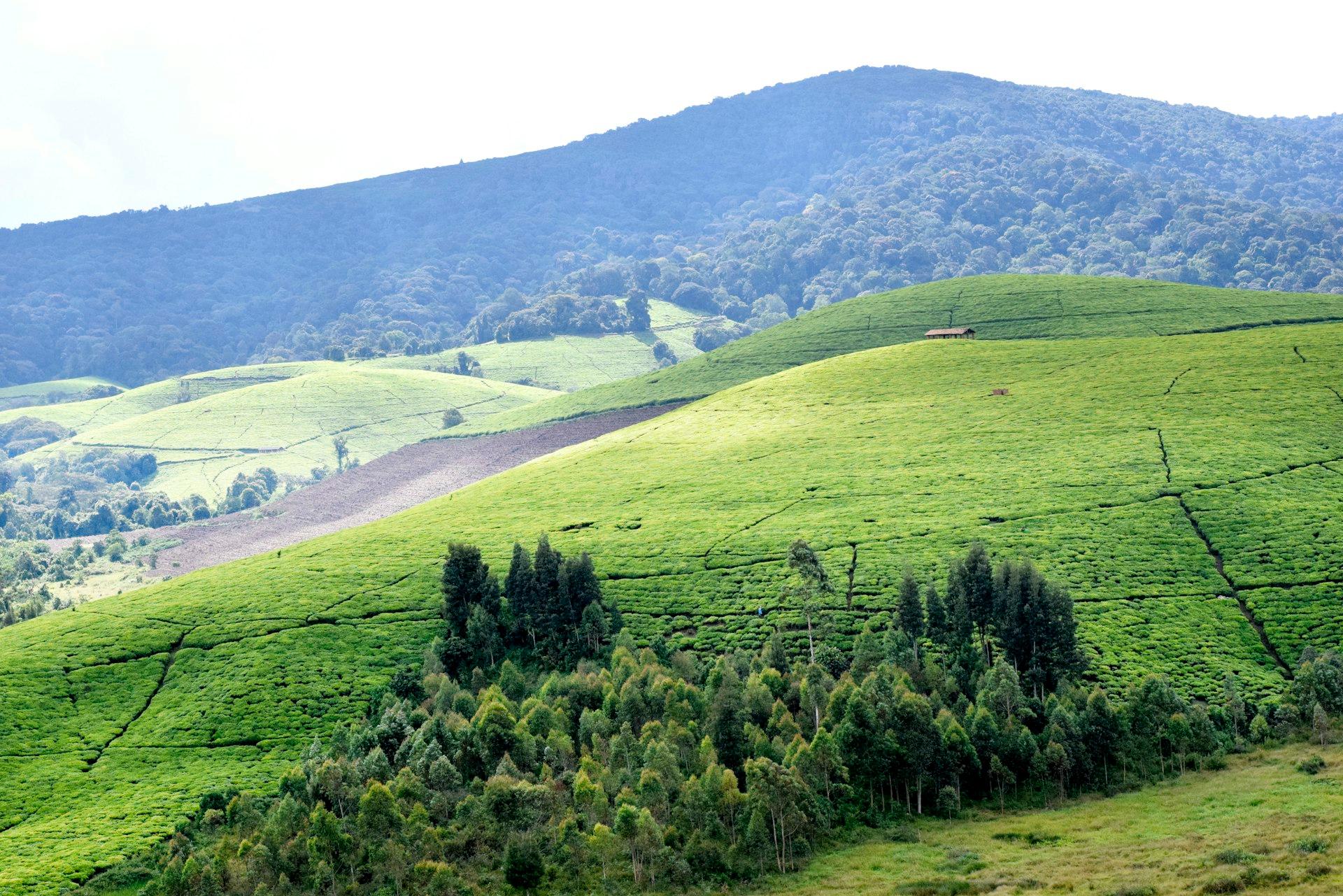
Bujumbura anchors most travel in Burundi. The lakefront Boulevard du Peuple Murundi runs past open-air fish markets where traders sell sambaza, the tiny sardine-like fish hauled from Tanganyika each morning. The Livingstone-Stanley Monument at Mugere, 10 km south of the city centre, marks the reported 1871 meeting between the two explorers. Inland, Gitega — declared capital in 2019 — houses the National Museum of Gitega, founded in 1955, which holds royal drums (ingoma) from the former mwami kingdom. Ngozi, 120 km north of Bujumbura, serves as a gateway to the tea plantations of the northern highlands.
Landscapes and Wildlife
The Congo-Nile Ridge runs north to south through the country's centre, reaching 2,670 metres at Mount Heha, Burundi's highest point. Coffee and tea grow on terraced slopes between 1,500 and 2,000 metres. Kibira National Park in the northwest protects 40,000 hectares of montane rainforest — one of the largest forest remnants in the region — and shelters chimpanzees, colobus monkeys, and over 200 bird species. Rusizi National Park, just north of Bujumbura, covers wetlands where hippos and Nile crocodiles are frequently spotted along the Rusizi River delta.
When to Visit Burundi
Burundi has two dry seasons: June to August and December to January. The long dry season (June–August) offers the most reliable conditions for highland trekking and chimpanzee tracking in Kibira. Lakeside temperatures in Bujumbura average 23–27 °C year-round. The Umuganuro festival, a traditional harvest celebration revived in 2011, draws crowds to Gitega each November. Bird-watching peaks between October and April when migratory species swell the wetland counts.
Practical Tips for Visiting Burundi
- Visas: Most nationalities require a visa; single-entry visas are obtainable on arrival at Bujumbura International Airport (BJM) for USD 90.
- Currency: The Burundian franc (BIF) is the local currency; carry small-denomination USD as backup in Bujumbura.
- Getting around: Shared minibuses (agasatsi) connect Bujumbura to Gitega in roughly 2.5 hours; lake ferries link lakeside towns but run infrequently.
- Health: Yellow fever vaccination is required. Malaria prophylaxis is strongly advised for all regions.
- Accommodation: Bujumbura holds the largest concentration of hotels, from guesthouses near the Rohero neighbourhood to mid-range lakefront properties.
Frequently Asked Questions
Q: What is the safest way to travel within Burundi? A: Road travel during daylight hours on the main Bujumbura–Gitega axis is generally reliable. Travelers should check current advisories before visiting border regions, particularly near the DRC frontier.
Q: Is Lake Tanganyika safe for swimming near Bujumbura? A: The lake is free of bilharzia near Bujumbura's sandy beaches, and locals swim regularly. Crocodiles are present further north near the Rusizi delta, so swimming there is not recommended.
Q: What languages are spoken in Burundi? A: Kirundi and French are the two official languages. Swahili is widely used in markets and border areas, making it practical for regional travelers.
Q: When do coffee harvest tours run in Burundi? A: The main arabica harvest runs March through May, when washing stations in Kayanza and Muyinga provinces operate at full capacity and welcome visits arranged through local cooperatives.
Q: How many hotels operate in Bujumbura? A: Bujumbura has roughly 30–40 registered hotels and guesthouses ranging from basic rooms near the central market to mid-range properties along the lake shore in the Kiriri hillside district.