Hotels in Chad
1 cities · 1 hotels
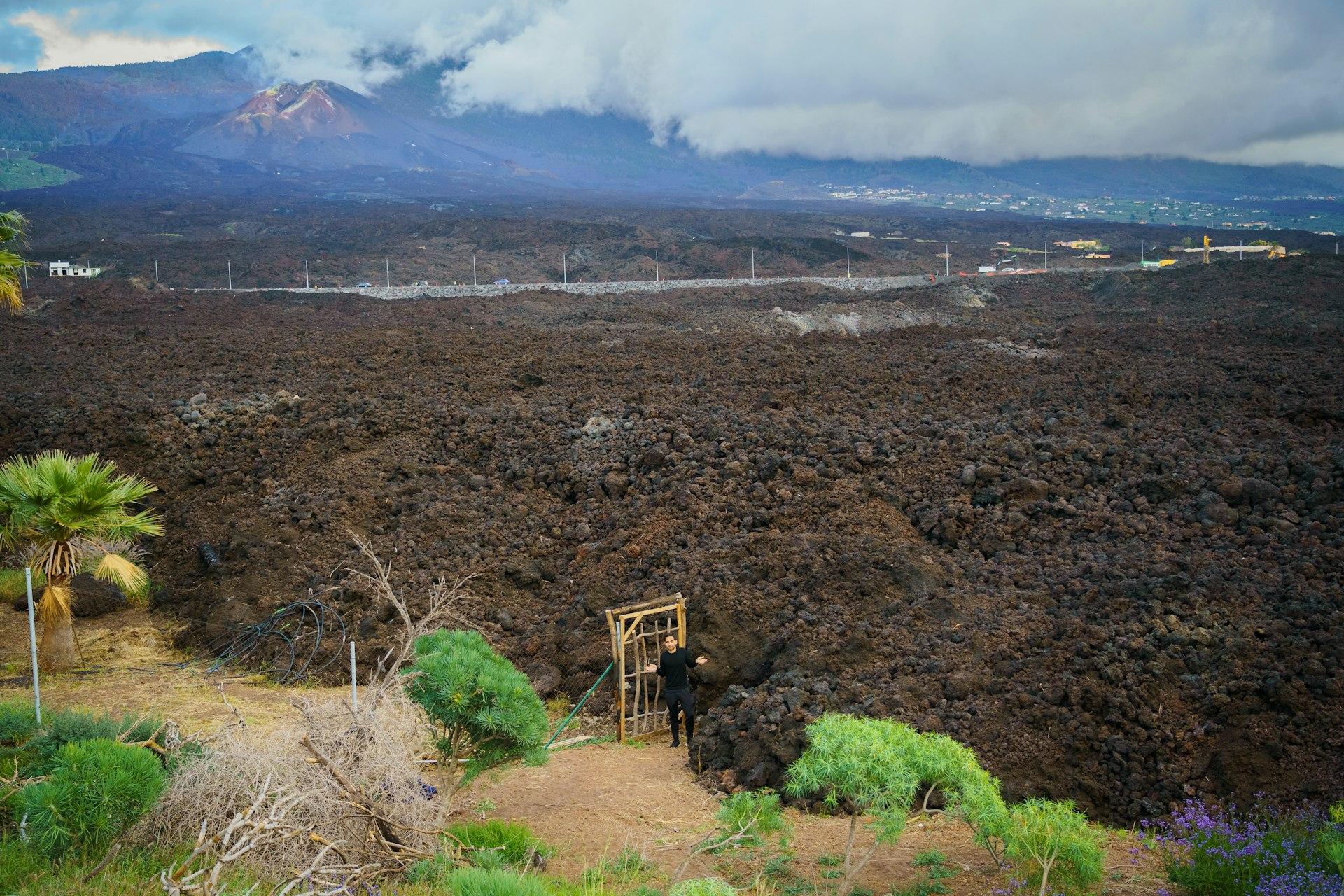
Photo by Victoriano Izquierdo on Unsplash
Chad: Sahara Edges, Ancient Kingdoms, and the Sahel Frontier
Chad occupies 1.284 million square kilometres in north-central Africa, landlocked between Libya, Sudan, the Central African Republic, Cameroon, Nigeria, and Niger. The country stretches from the Tibesti Mountains in the north — where Emi Koussi rises to 3,415 metres, the highest point in the Sahara — down through the Sahel grasslands to the shores of Lake Chad, a freshwater body that has shrunk roughly 90 percent since the 1960s yet still supports millions of people along its southern rim. This geographic range, from hyper-arid desert to seasonal floodplain, defines everything travelers encounter here.
Cities Worth Exploring
N'Djamena, the capital, sits at the confluence of the Chari and Logone rivers on the border with Cameroon. The Grande Marché fills several city blocks with spices, leather goods, and Saharan crafts. Abéché, 900 kilometres east of N'Djamena, served as the capital of the Sultanate of Wadai and retains a 19th-century palace and Friday mosque that draw historians and architecture researchers. Sarh, in the south, acts as the gateway to the agricultural zones and the Zakouma National Park corridor.
Wildlife and Landscape
Zakouma National Park, gazetted in 1963 and covering 3,000 square kilometres in southeastern Chad, hosts one of Central Africa's most significant elephant recoveries: the population rose from roughly 450 in 2010 to over 600 by the early 2020s following intensive anti-poaching efforts. Lions, African wild dogs, Kordofan giraffes, and more than 370 bird species share the park's floodplains and gallery forest. The Ennedi Plateau in the northeast, a UNESCO World Heritage Site since 2016, contains sandstone arches, guelta pools, and rock art panels dating back at least 7,000 years — among the densest concentrations of prehistoric imagery on the continent.
When to Visit Chad
The cooler dry season, November through February, offers the most practical travel window. Temperatures in N'Djamena average 25–30 °C during this period rather than the 40 °C+ peaks of April and May. Zakouma's peak wildlife season runs April to June, just before the rains, when animals concentrate around shrinking water sources. The rainy season (July–September) renders many northern pistes impassable and can cut road access to Ennedi entirely.
Practical Tips for Visiting Chad
- Visa: Most nationalities require a visa obtained in advance; processing times vary significantly by consulate — allow at least three weeks.
- Currency: The Central African CFA franc (XAF) is the official currency; ATM availability outside N'Djamena is extremely limited, so carry sufficient cash.
- Getting around: Four-wheel-drive vehicles are essential outside paved urban routes; hire experienced local guides for Ennedi and Tibesti routes.
- Health: Yellow fever vaccination is required for entry; malaria prophylaxis is strongly recommended year-round in the south.
- Safety: Check current Foreign Ministry advisories before travel; border regions with Sudan, Libya, and the CAR carry elevated risk levels as of 2025.
- Accommodation: Hotels concentrate in N'Djamena; Zakouma operates tented camps seasonally, and Abéché offers basic guesthouses.
Frequently Asked Questions
Q: What is the best time to visit Zakouma National Park? A: The April-to-June dry season concentrates wildlife around water sources, making game viewing most productive. The park typically closes during the August–October peak rains due to impassable tracks.
Q: Is Chad safe for travelers? A: Security conditions vary sharply by region. N'Djamena and Zakouma receive managed tourist visits, while northern border zones carry significant risk. Travelers should consult current government advisories and use registered operators.
Q: How do travelers reach Ennedi Plateau? A: Flights connect N'Djamena to Faya-Largeau, the nearest town of size, followed by several days of overland travel by 4WD. Organized expeditions from N'Djamena typically take 10–14 days for a full Ennedi circuit.
Q: What hotels exist in N'Djamena? A: The capital holds the country's broadest accommodation range, from international-standard properties near the Palais du 15 Janvier to mid-range guesthouses in the Quartier Chagoua district. Advance booking is advisable during diplomatic conference periods.
Q: What languages are spoken in Chad? A: French and Arabic are the two official languages. Over 120 indigenous languages are spoken nationally; Chadian Arabic serves as a widely understood trade lingua franca in markets.