
Hotels in Costa Rica
8 cities · 96 hotels
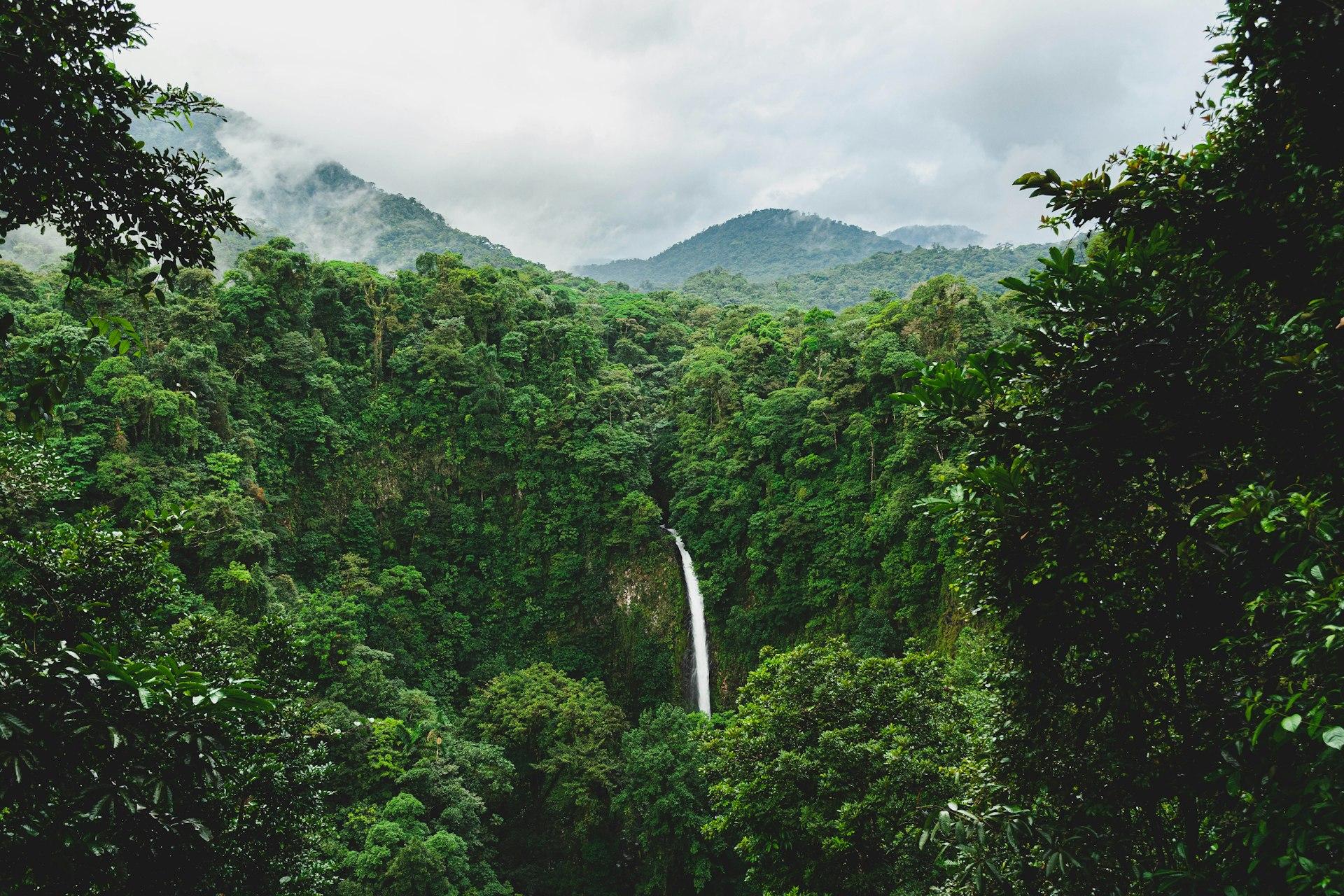
Photo by Etienne Delorieux on Unsplash
Costa Rica: Rainforests, Volcanoes, and Two Coastlines
Costa Rica occupies 51,100 square kilometres between Nicaragua and Panama, yet packs in 12 distinct climate zones, more than 500,000 species, and 29 national parks. The country's commitment to protecting 26% of its land area as reserves or parks shapes travel here more than any single monument. Two coastlines — the Pacific to the west and the Caribbean to the east — sit less than 200 km apart at the narrowest point, making cross-country road trips a practical itinerary rather than an ambition.
Cities Worth Exploring
The capital San José sits on the Meseta Central plateau at 1,150 metres elevation, which keeps daytime temperatures around 22 °C year-round. The Barrio Amón neighbourhood holds 19th-century mansions converted into boutique hotels and galleries. East of the capital, the university town of Cartago was Costa Rica's colonial capital until 1823; its Basílica de Nuestra Señora de los Ángeles, rebuilt in 1912, draws hundreds of thousands of pilgrims each August 2nd. On the Pacific side, Liberia in Guanacaste province serves as the gateway city for the Nicoya Peninsula and is reachable via Daniel Oduber Quirós International Airport.
Regions and Natural Anchors
The Arenal volcano area in the north-central interior anchors adventure travel: the 1,670-metre cone last erupted actively in 2010 and hot springs fed by geothermal activity ring the base. The Monteverde Cloud Forest Reserve sits at 1,440 metres in the Tilarán Mountains, protecting 10,500 hectares of forest where canopy zip-line infrastructure has operated since 1994. On the Caribbean coast, the Afro-Caribbean town of Puerto Viejo de Talamanca, 200 km from San José, draws surfers to the Salsa Brava break between December and March. The Osa Peninsula in the far south contains Corcovado National Park, which National Geographic has described as one of the most biologically intense places on Earth — 13 ecosystems in 424 square kilometres.
When to Visit
Costa Rica has two principal seasons. The dry season runs December through April — called verano locally — when Pacific beaches see almost no rain and roads into parks are most accessible. The green season (May–November) brings daily afternoon rains to the interior and Pacific slope but keeps the Caribbean coast comparatively dry from February to October. Mid-December through January and Holy Week (Semana Santa) in March or April represent peak demand; hotels in Manuel Antonio and La Fortuna fill several months in advance. Shoulder months — May and November — offer lower rates with manageable rainfall.
Practical Tips for Visiting Costa Rica
- Getting around: Domestic flights connect San José's Juan Santamaría International Airport to Quepos, Liberia, and Puerto Jiménez in under an hour; shared shuttle services link most tourist hubs for fixed rates.
- Currency: The colón (CRC) is the official currency; USD is widely accepted at hotels and tour operators, though change is often given in colones.
- Health: Tap water is safe to drink in most urban areas including San José; mosquito repellent is essential in low-elevation coastal zones year-round.
- Border crossings: Allow extra time at the Peñas Blancas crossing with Nicaragua and Paso Canoas with Panama — queues can extend two to three hours during holiday weekends.
- Packing: Pack a light waterproof layer regardless of season; cloud forest areas like Monteverde stay cool and misty even in the dry season.
Frequently Asked Questions
Q: What is the best base for visiting Arenal Volcano? A: La Fortuna de San Carlos is the main service town, 4 km from the volcano's base. Most hotels here offer direct views of the cone and shuttle access to hot springs and the lake.
Q: Do travelers need a visa for Costa Rica? A: Citizens of the United States, Canada, the European Union, and the United Kingdom receive a 90-day stamp on arrival with a valid passport. A return or onward ticket is required at entry.
Q: How far is Manuel Antonio from San José? A: Manuel Antonio National Park lies approximately 180 km southwest of San José — about 3.5 hours by car or shuttle via the Costanera Sur coastal highway.
Q: Is Costa Rica expensive compared to other Central American countries? A: Costa Rica carries higher average costs than neighbours Guatemala or Nicaragua. Mid-range hotels in peak season range from around USD 80 to USD 200 per night; budget options near USD 30–50 exist in less-touristed towns.
Q: Which airport serves the Nicoya Peninsula? A: Daniel Oduber Quirós International Airport in Liberia (airport code LIR) is the closest international entry point for Guanacaste and the Nicoya Peninsula, roughly 75 km from Tamarindo.
Cities in Costa Rica
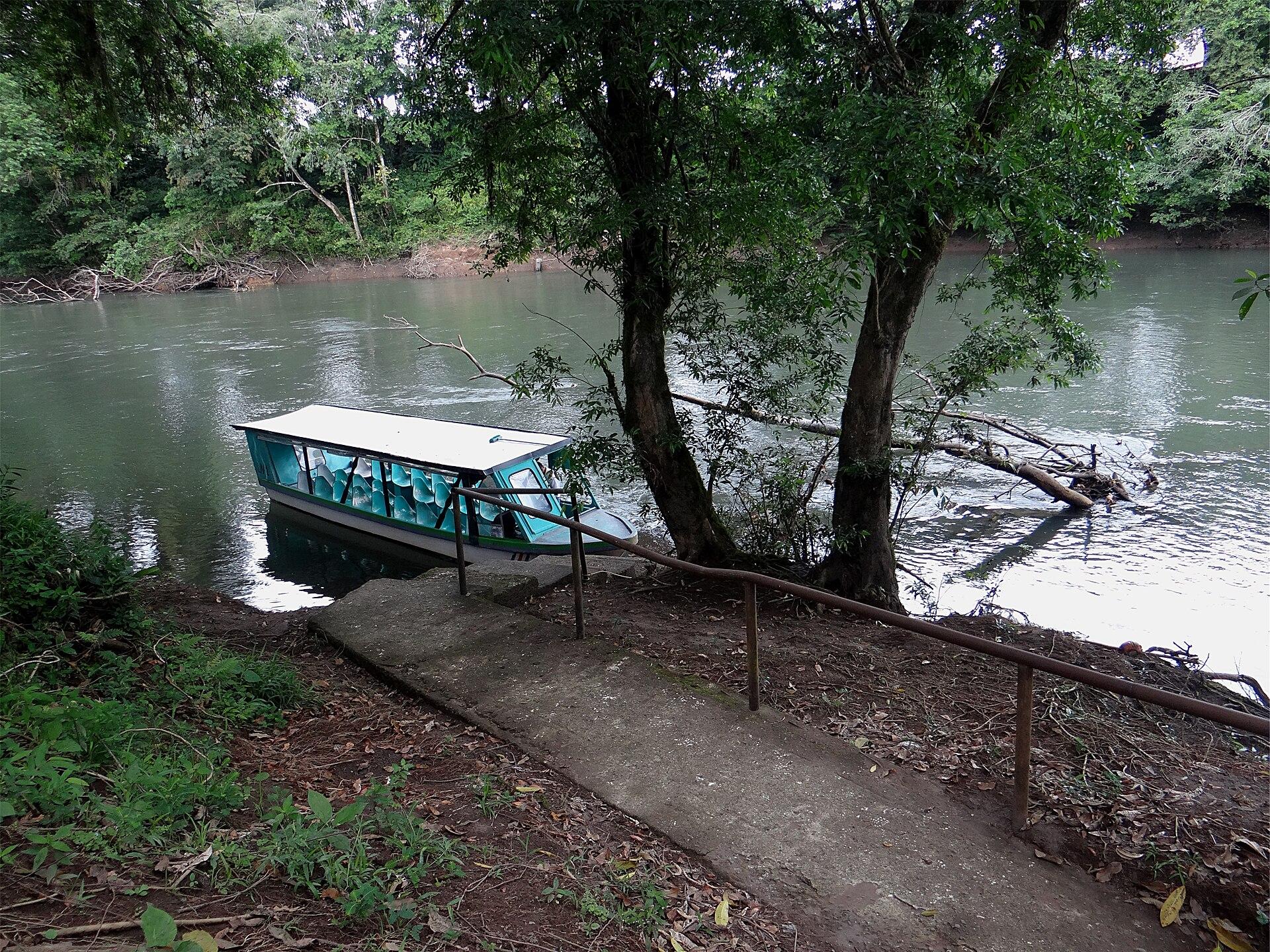
Puerto Viejo hotels
Costa Rica · 42 hotels
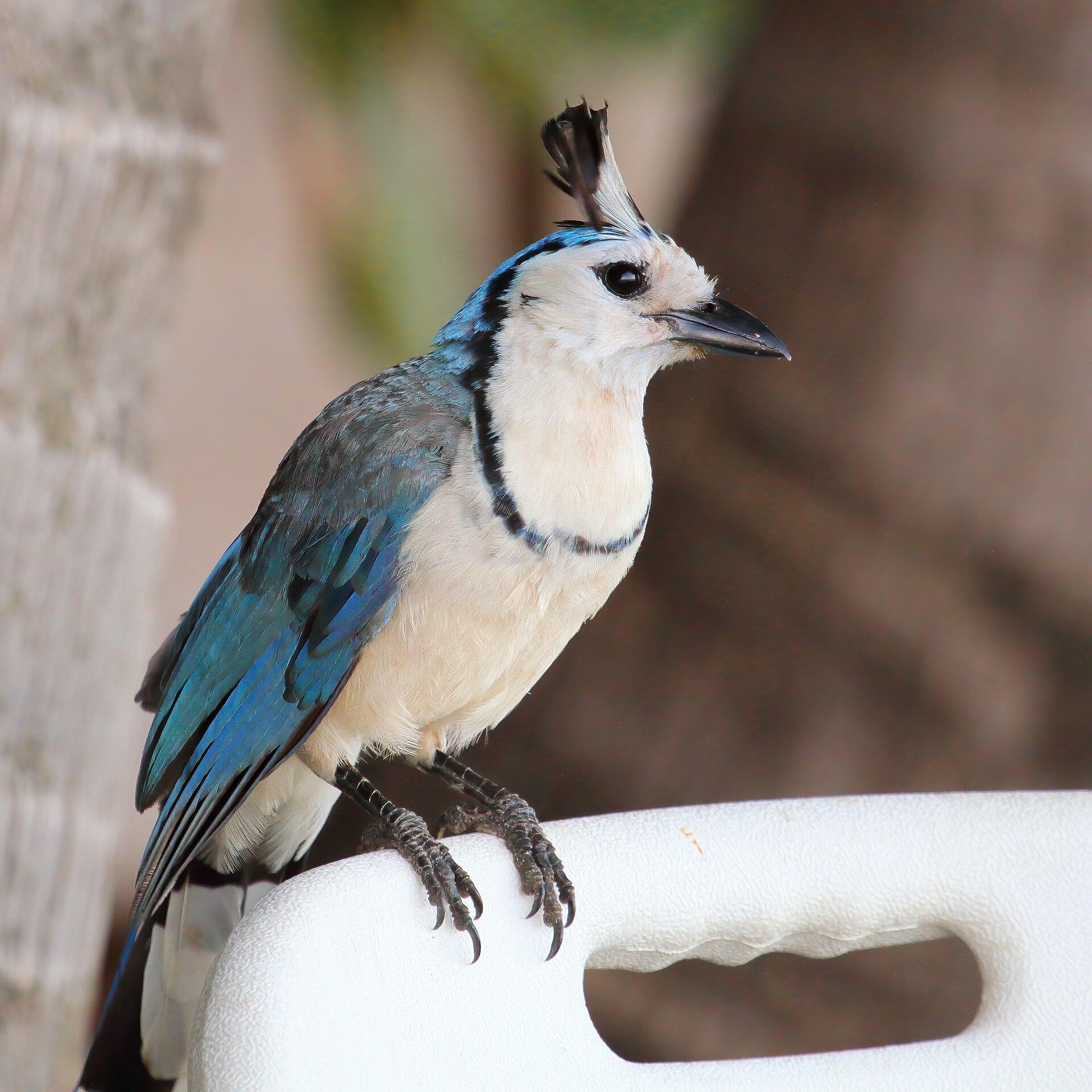
Tamarindo hotels
Costa Rica · 17 hotels
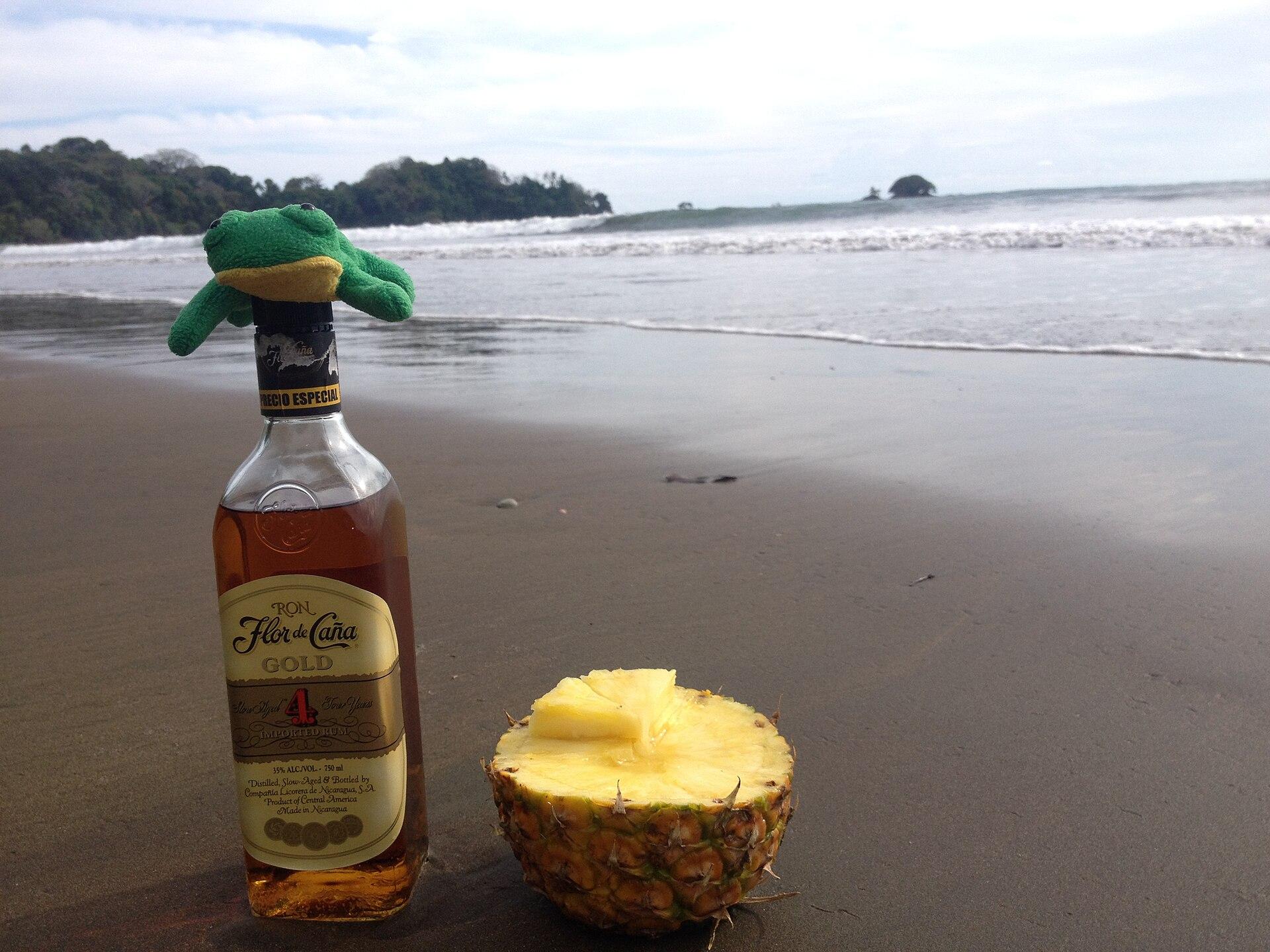
Dominical hotels
Costa Rica · 15 hotels

Turín hotels
Costa Rica · 10 hotels
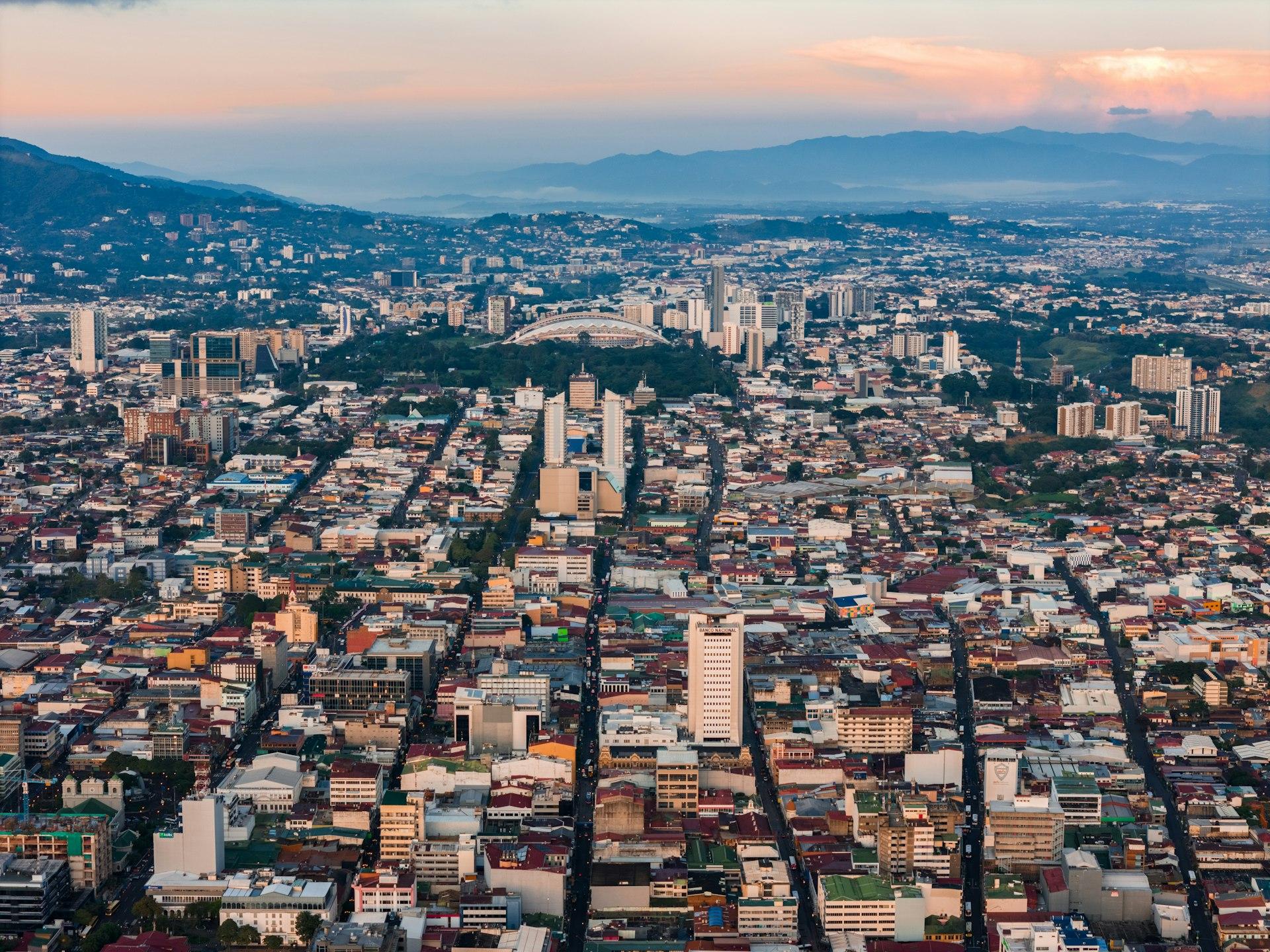
San José hotels
Costa Rica · 4 hotels
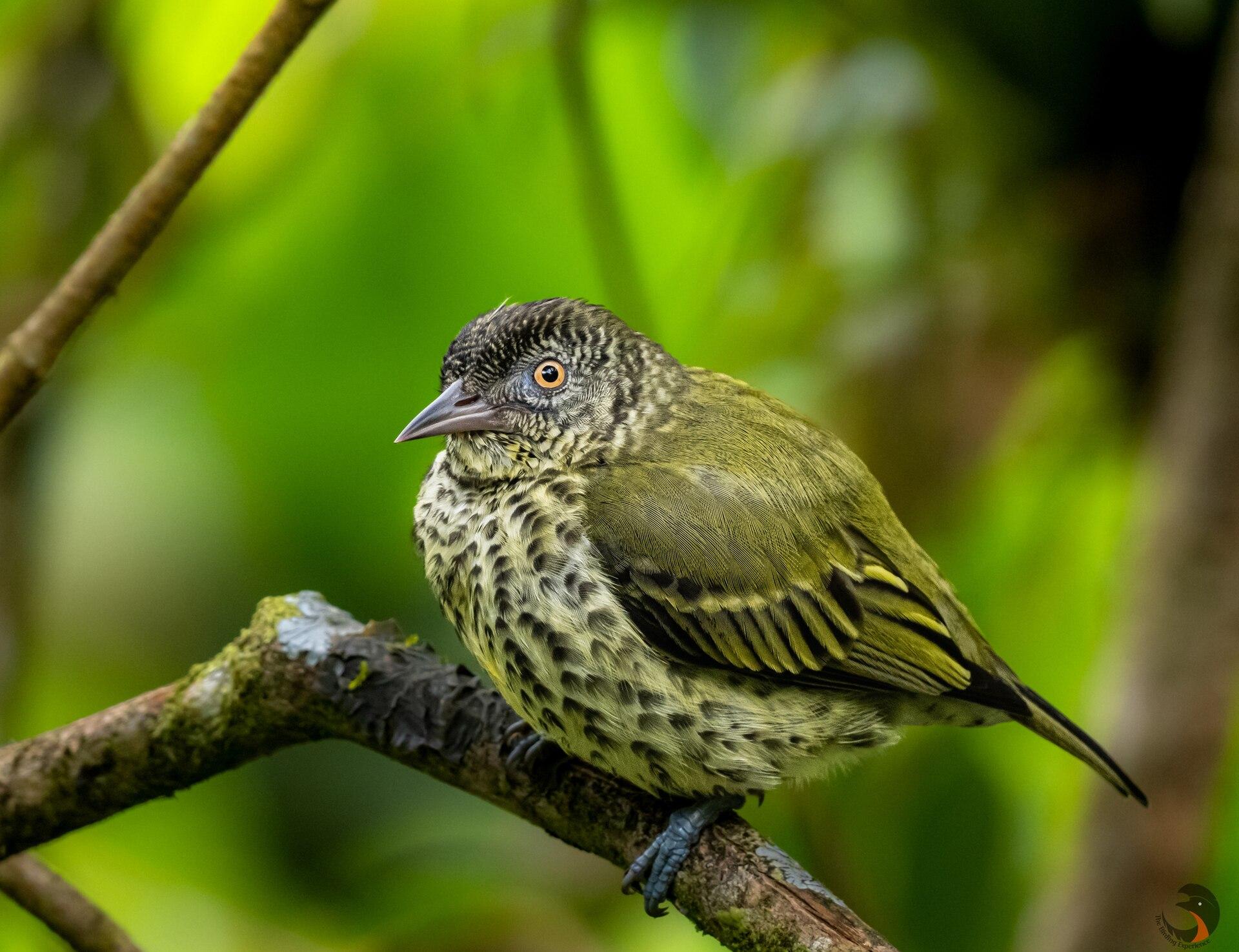
El Castillo de La Fortuna hotels
Costa Rica · 4 hotels
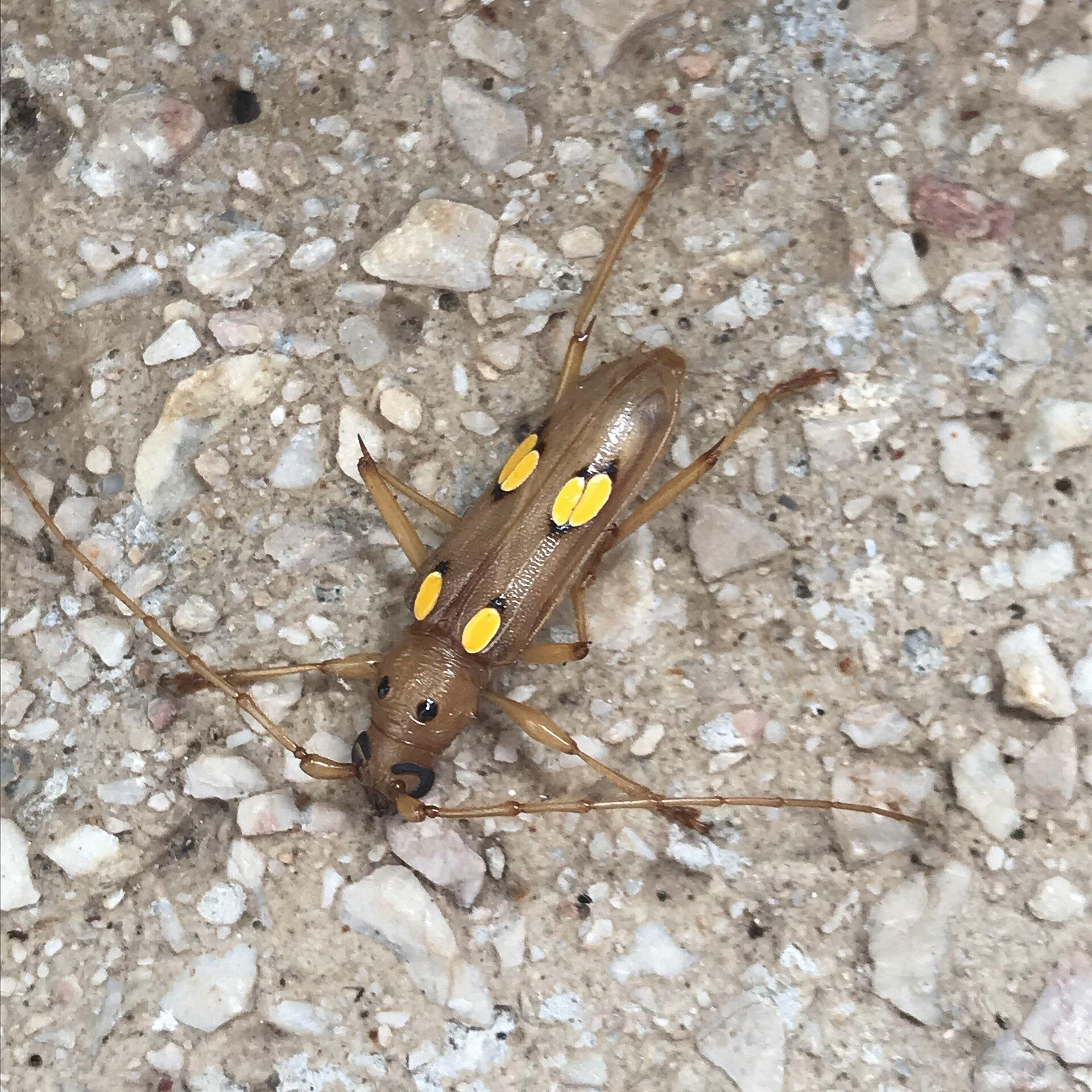
Manuel Antonio hotels
Costa Rica · 2 hotels
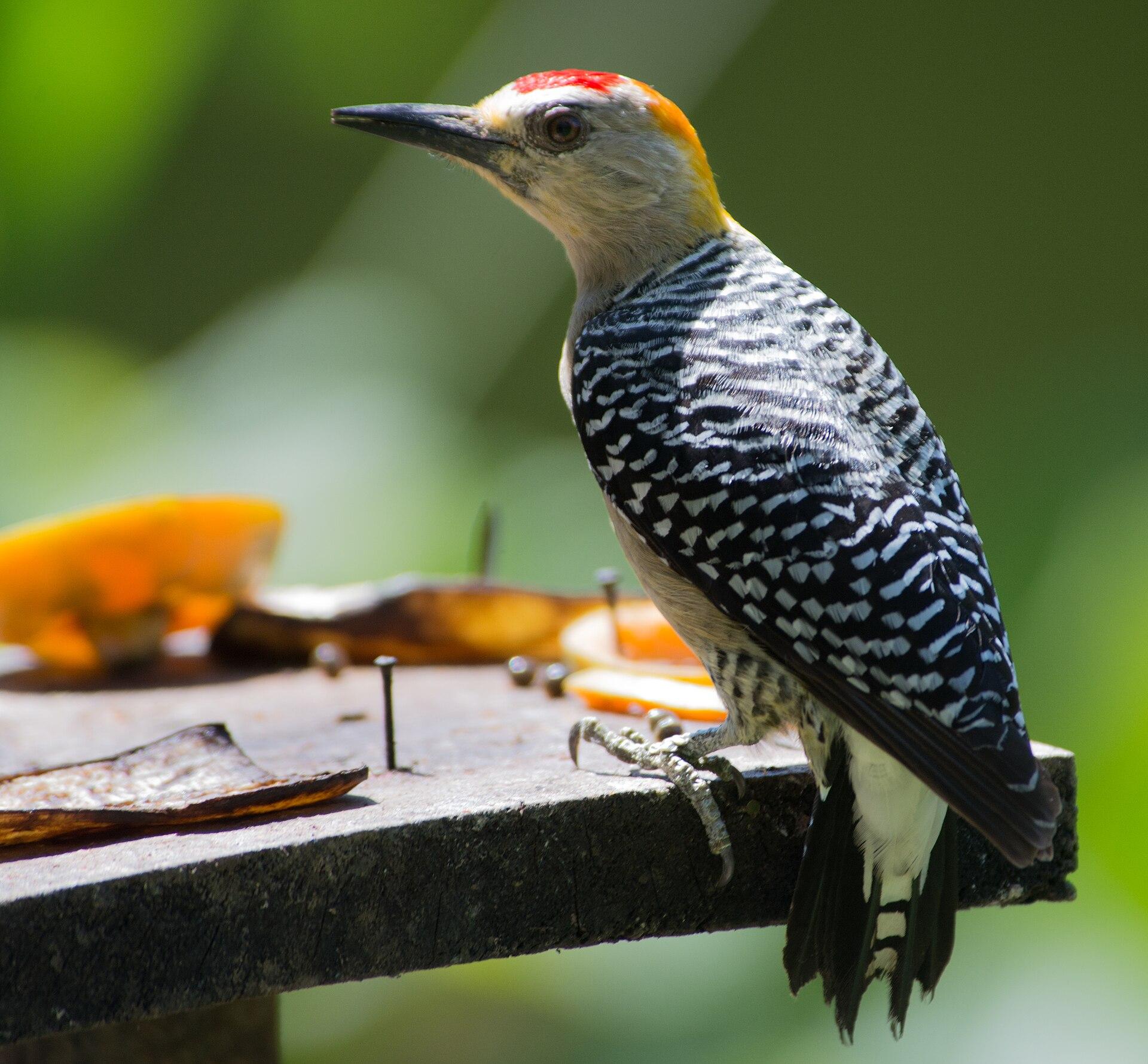
Monteverde Costa Rica hotels
Costa Rica · 2 hotels