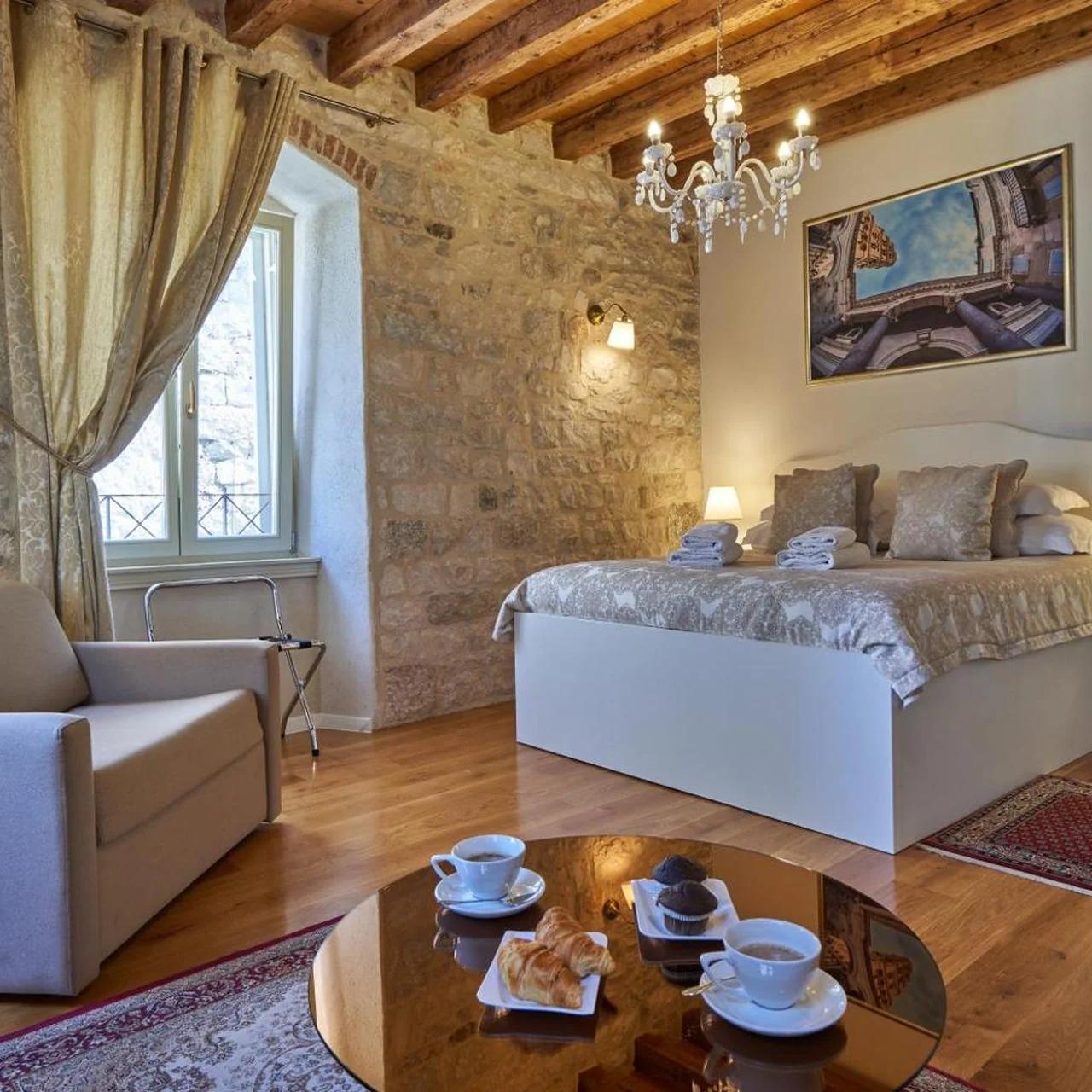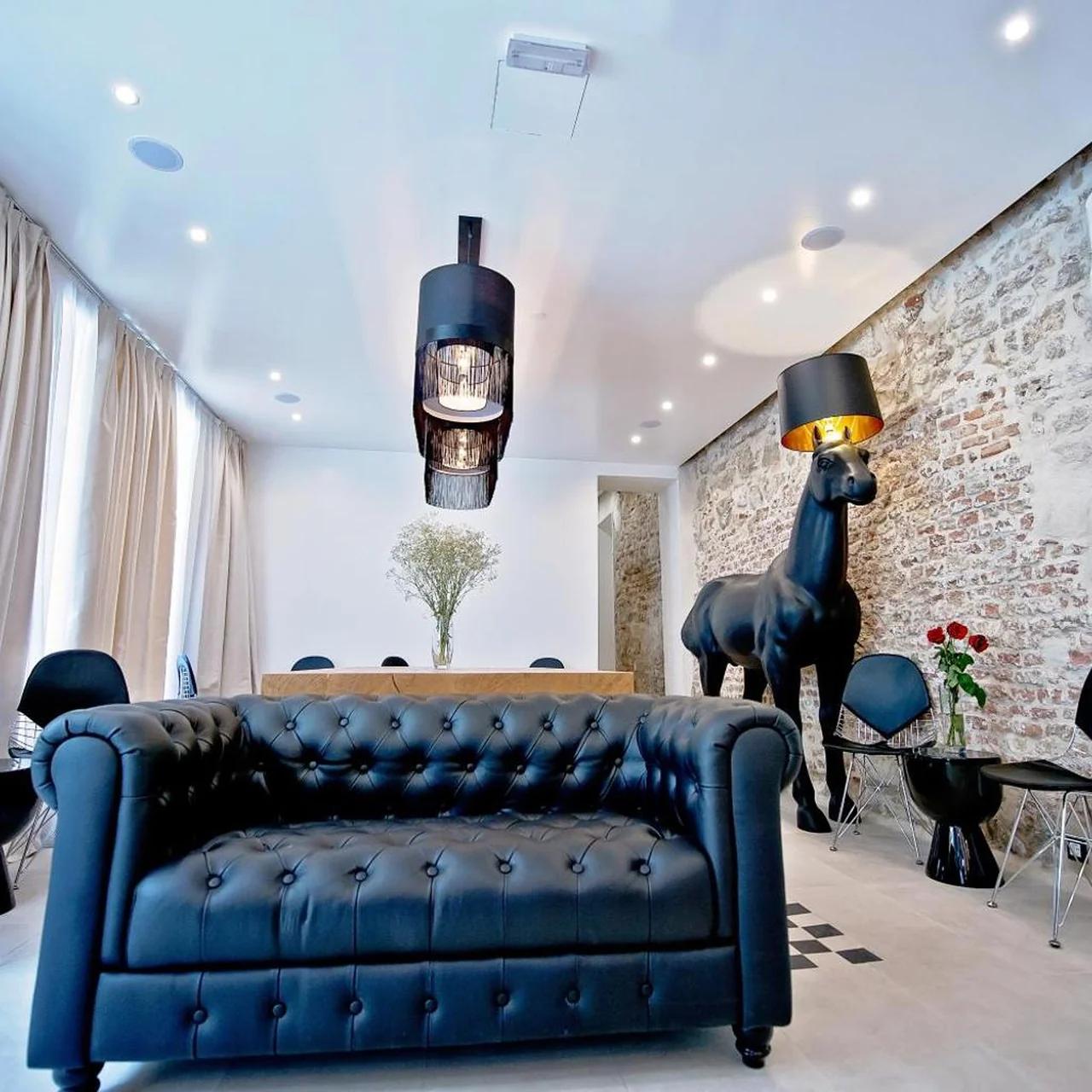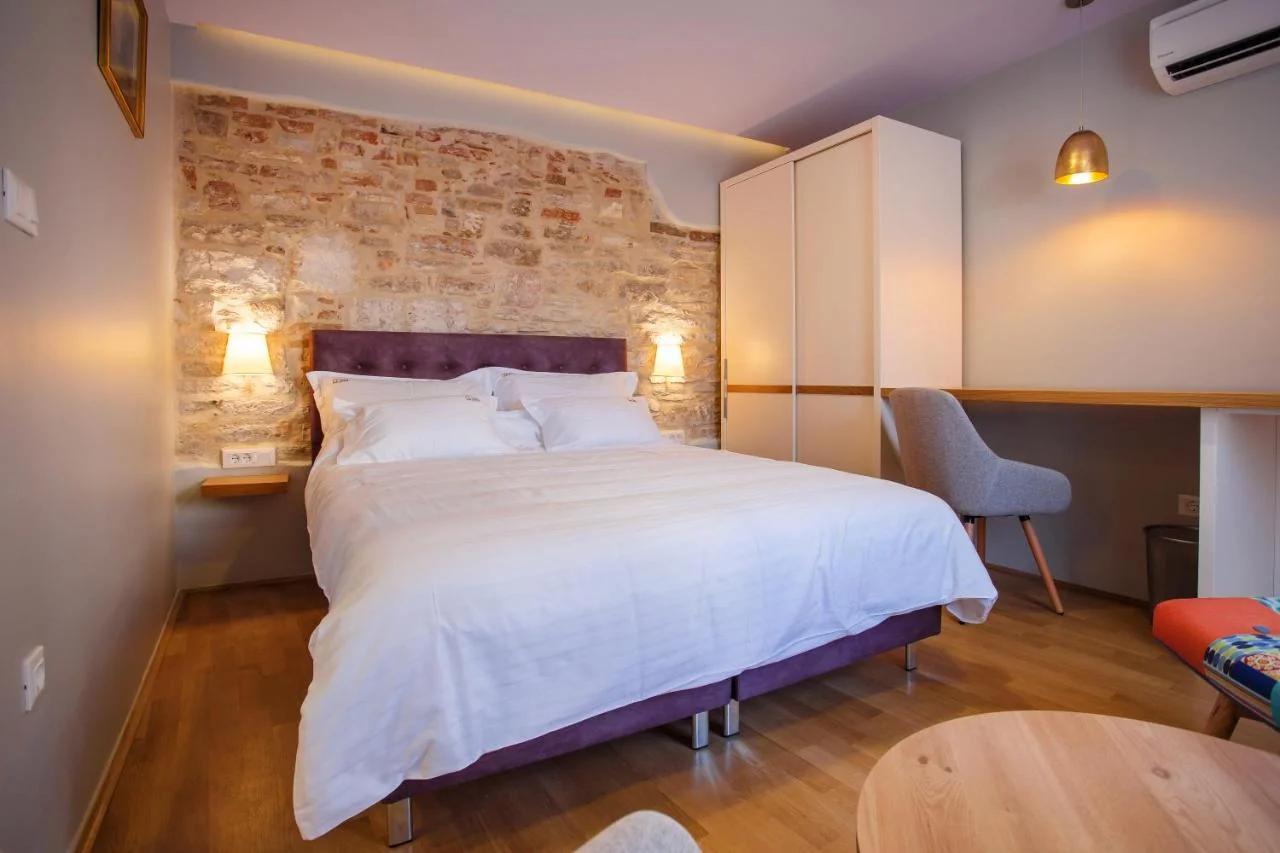

Hotels near Diocletian's Palace
Split · 227 hotels nearby (showing closest 20)
Photo by Malcolm Ketteridge on Unsplash
About Diocletian's Palace
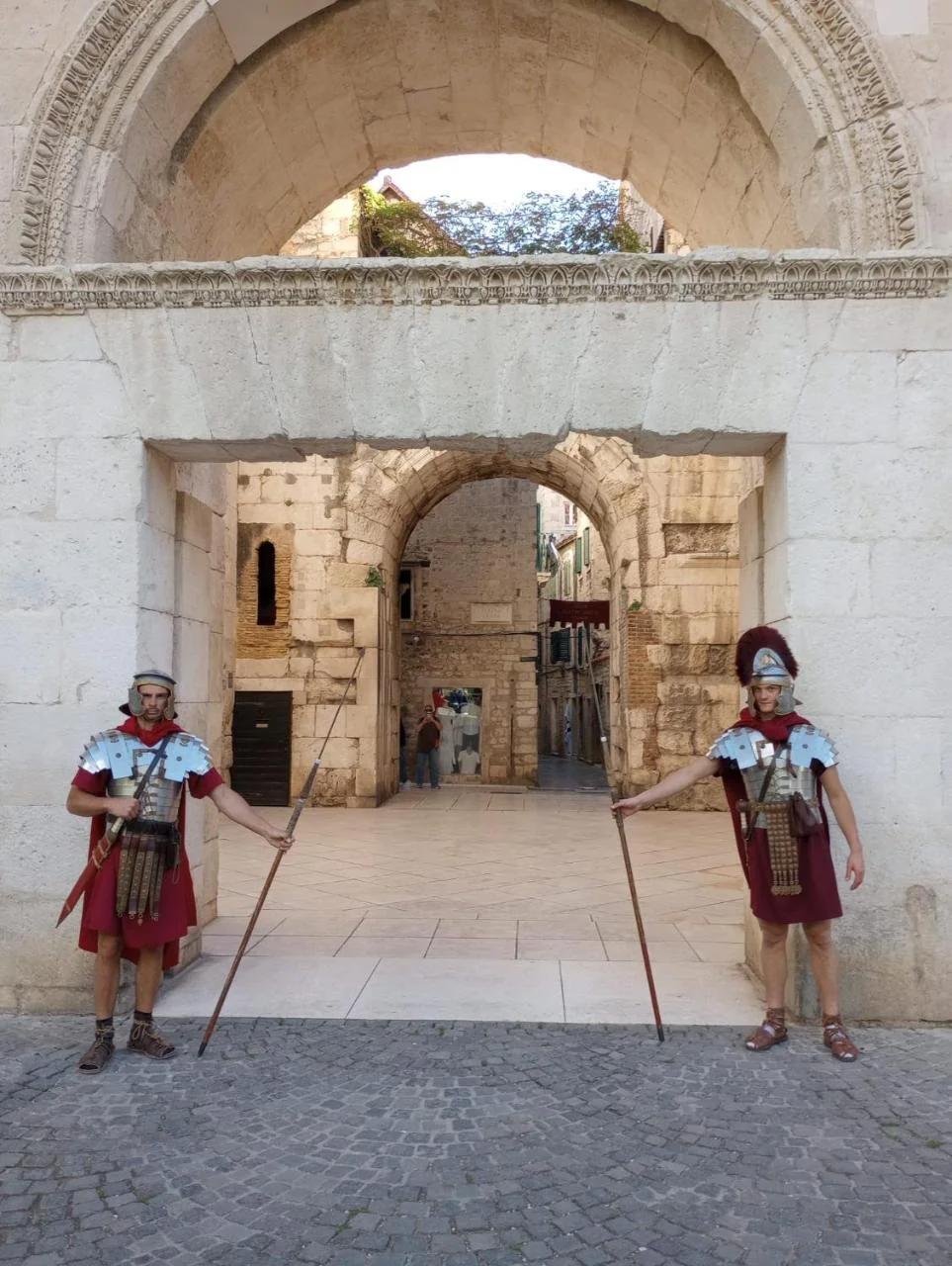
Diocletian’s Palace in Split, Croatia, is one of the best-preserved Roman architectural wonders in the world. Built in the early 4th century as a retirement residence for Emperor Diocletian, this sprawling complex is now the heart of Split’s Old Town. Today, it’s a UNESCO World Heritage site and a living monument where history blends seamlessly with modern life. Walking through its ancient streets feels like stepping back in time, with centuries-old structures now housing shops, restaurants, and homes.
A Glimpse into Roman History
Diocletian’s Palace was designed as a fortified retreat for the emperor, blending military, residential, and ceremonial spaces. The palace’s layout reflects Roman ingenuity, with a rectangular plan, fortified walls, and four main gates. Highlights include the Peristyle, the central courtyard where ceremonies once took place, and the Temple of Jupiter, now a baptistery. The underground cellars, once used for storage, are an architectural marvel and offer a fascinating glimpse into the palace’s original design.
A Living Landmark
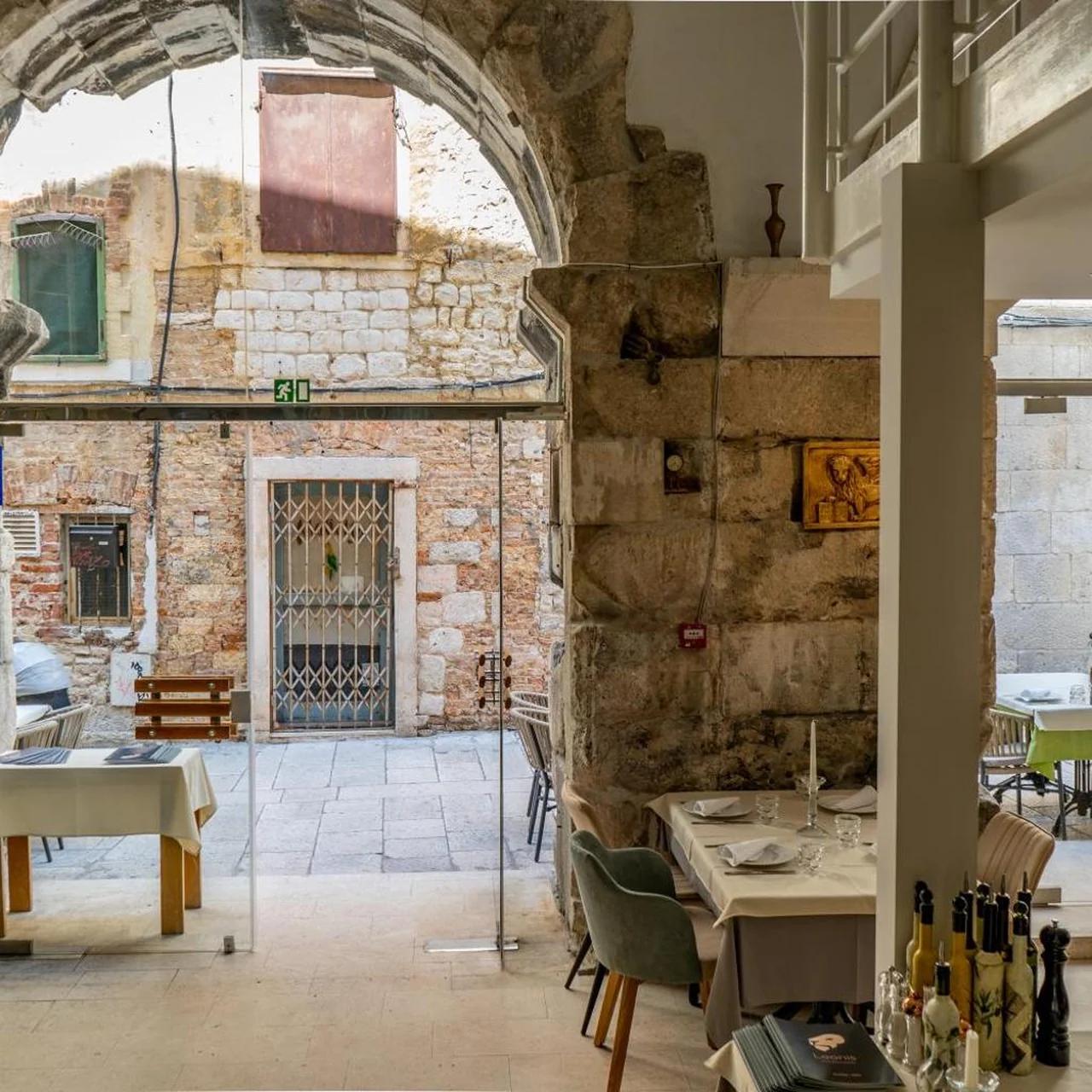
What makes Diocletian’s Palace unique is its integration into modern Split. Over the centuries, locals built homes and businesses within its walls, transforming it into a vibrant neighborhood. You’ll find cafes spilling onto ancient squares, shops tucked into Roman arches, and residents going about their daily lives amidst the historic backdrop. This blend of old and new creates a dynamic atmosphere that’s rare among ancient sites.
Practical Tips
- Best Time to Visit: Early morning or late afternoon to avoid crowds and enjoy cooler temperatures.
- Guided Tours: Consider a guided tour to uncover the palace’s rich history and hidden details.
- Comfortable Shoes: The stone streets can be uneven, so wear sturdy footwear.
- Underground Cellars: Don’t miss this section—it’s one of the most impressive parts of the palace.
- Entry Fees: Some areas, like the cellars and the Cathedral of St. Domnius, require tickets.
Frequently asked questions
When was Diocletian's Palace built?
Construction took place between approximately AD 295 and 305 under Emperor Diocletian. It served as his retirement residence until his death in AD 311.
Can you stay inside Diocletian's Palace?
Yes — the palace walls enclose a living neighborhood with guesthouses, apartments, and small hotels. Booking accommodation within the walls puts guests steps from the Peristyle and the Cathedral of Saint Domnius.
Is Diocletian's Palace a UNESCO World Heritage Site?
UNESCO inscribed the Historic Complex of Split with the Palace of Diocletian in 1979. The designation covers the entire Old Town, not just the palace structure itself.
What are the four gates of Diocletian's Palace?
The Golden Gate faces north toward ancient Salona, the Silver Gate opens east, the Bronze Gate faces the sea to the south, and the Iron Gate leads west. The Golden Gate is the best-preserved of the four.
What is the Cathedral of Saint Domnius?
Saint Domnius occupies Diocletian's original octagonal mausoleum, converted into a Christian church around the 7th century. It is considered one of the oldest cathedral buildings in the world still in use.
How large is Diocletian's Palace?
The complex covers roughly 30,000 square meters, with walls reaching up to 28 meters in height. Today around 3,000 people live and work within the palace boundaries.
Hotels nearby
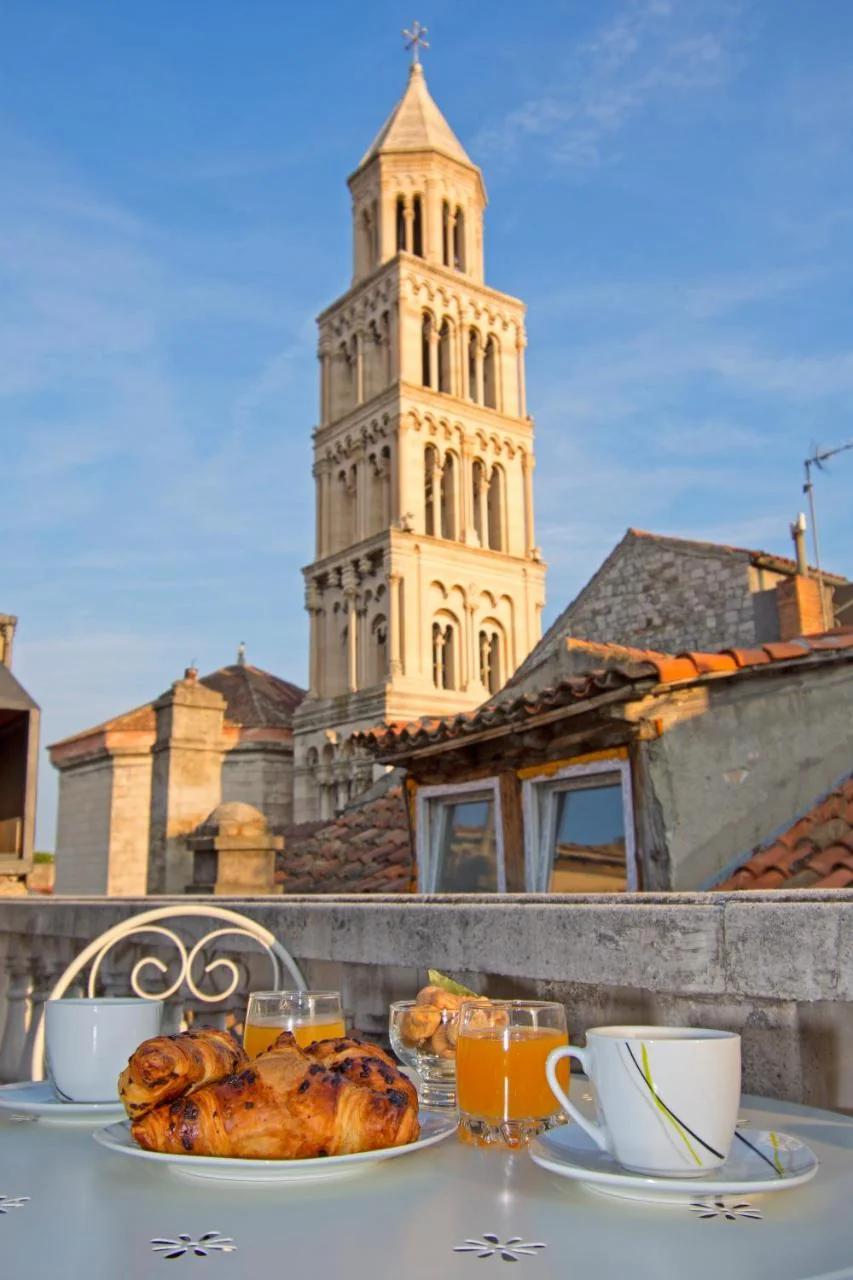
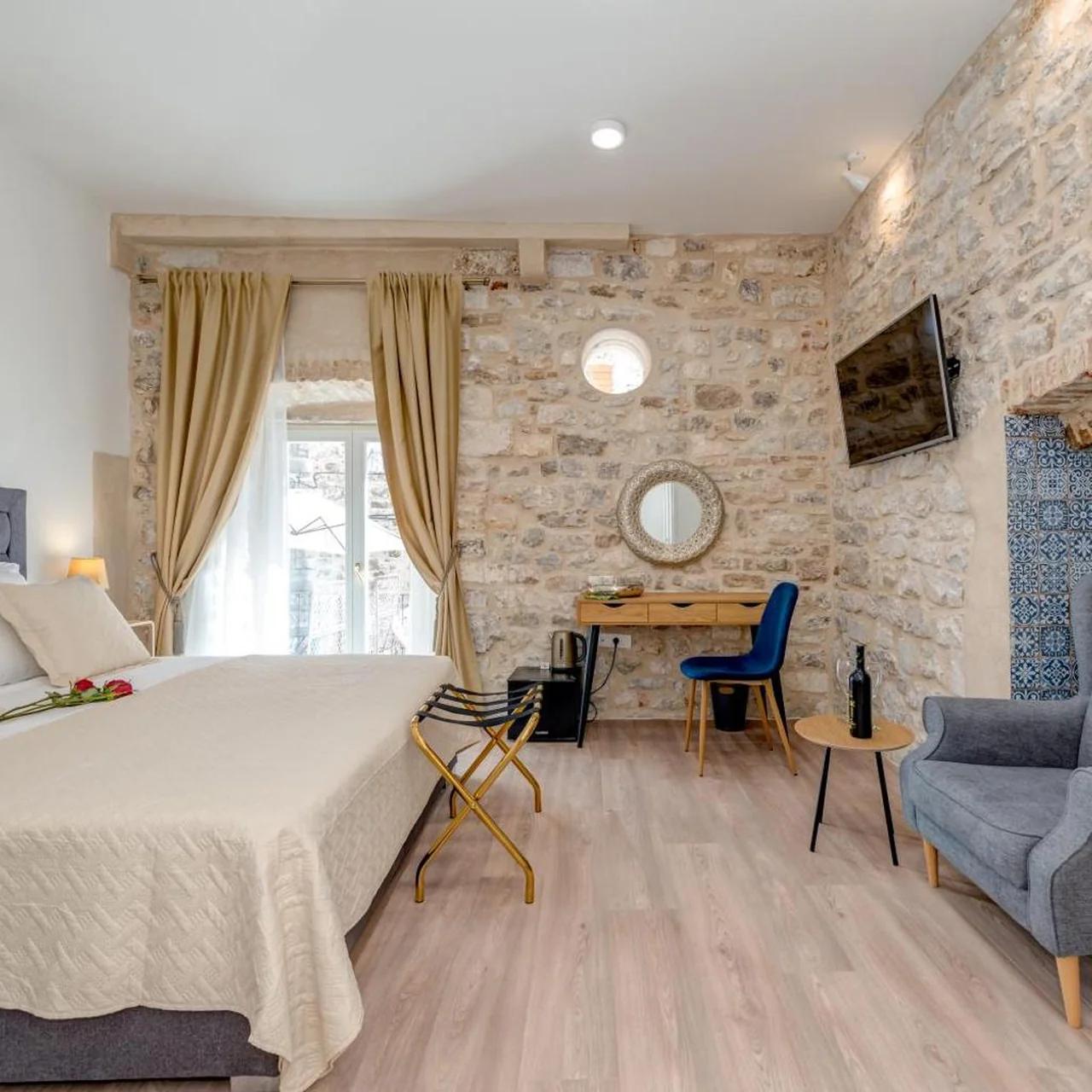
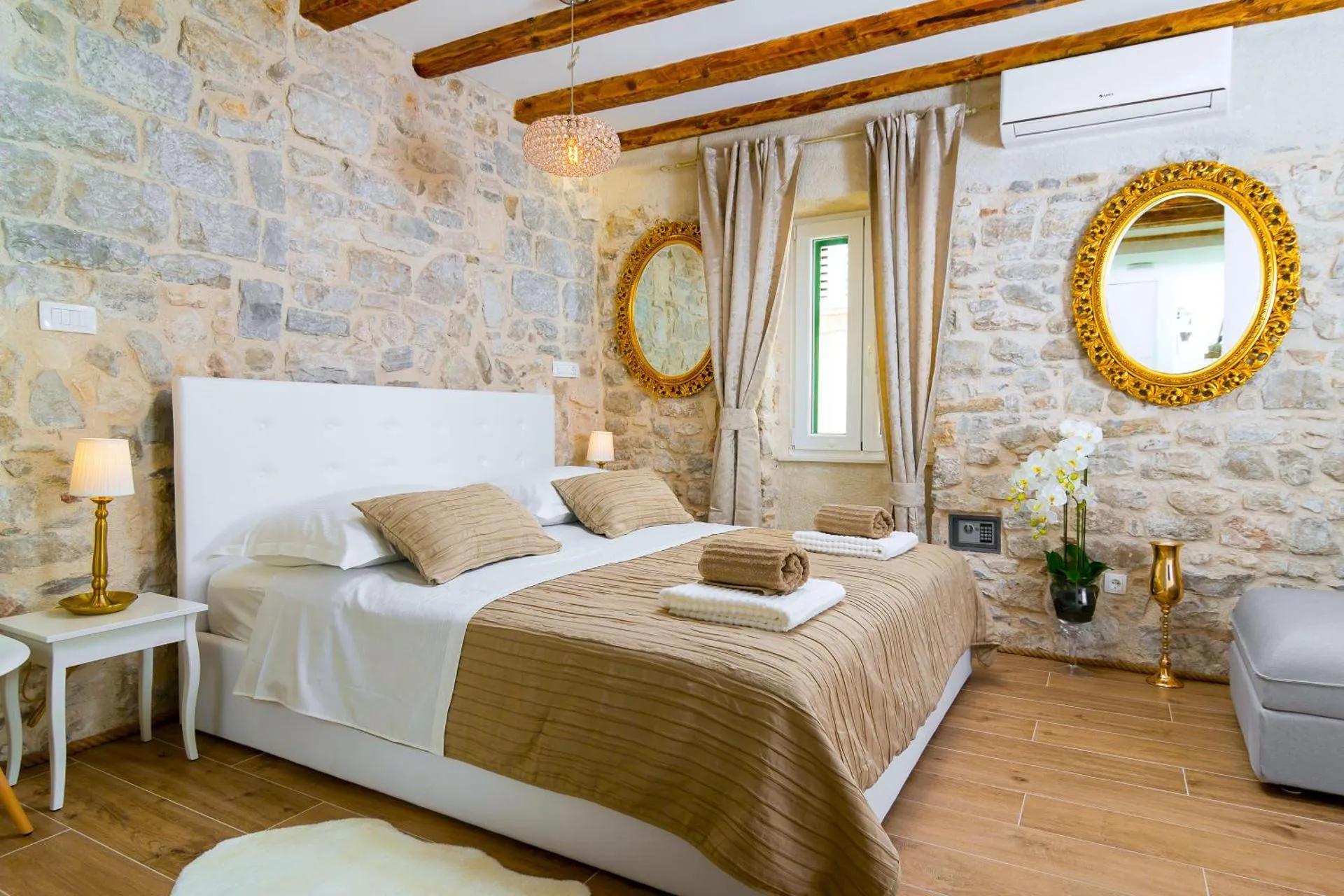

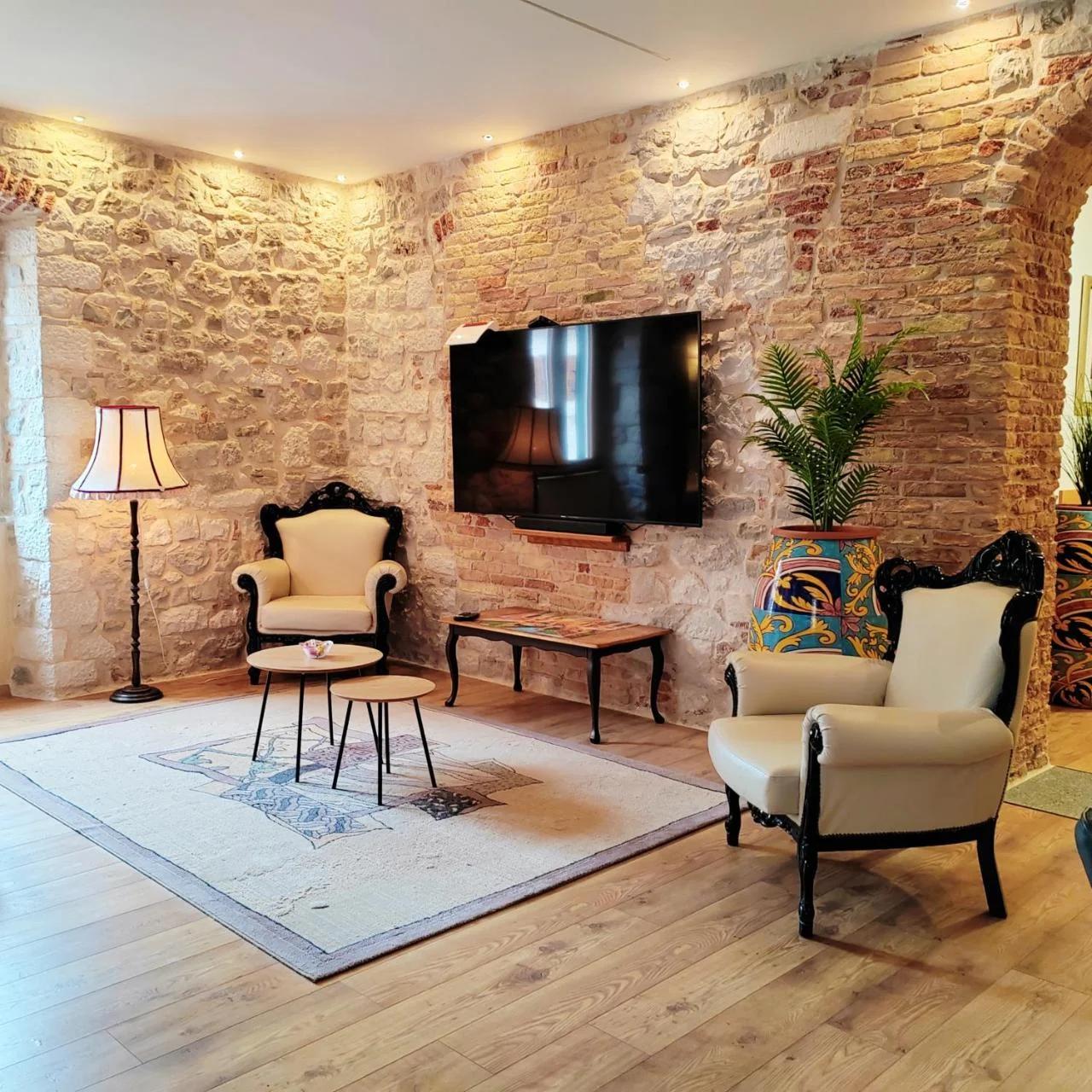
24 reviews
Check availability