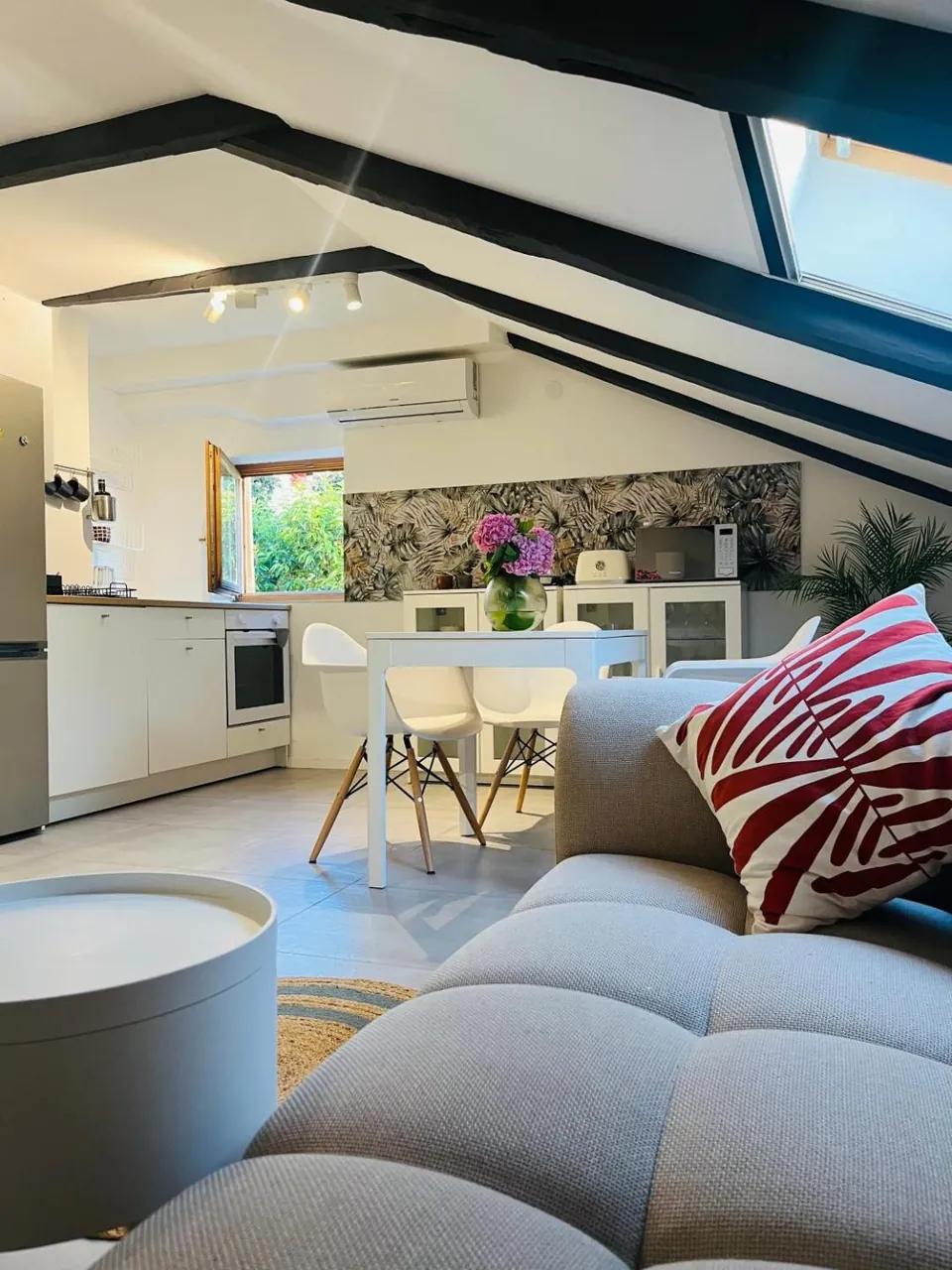

Hotels near Pula Arena
Pula · 2 hotels nearby
Photo by Eduard Delputte on Unsplash
About Pula Arena
The Pula Arena is one of Croatia’s most iconic landmarks and a testament to the Roman Empire’s architectural prowess. Built in the 1st century AD, this well-preserved amphitheater is one of the largest surviving Roman arenas in the world. Located in the heart of Pula, it’s a must-visit for history enthusiasts and travelers alike. With its grand arches and impressive structure, the arena offers a glimpse into ancient Roman entertainment, where gladiators once battled for glory.
A Historical Gem
The Pula Arena was constructed during the reign of Emperor Vespasian, around the same time as the Colosseum in Rome. It could hold up to 23,000 spectators, who gathered to watch gladiator fights, public executions, and other spectacles. Today, it stands as one of the best-preserved Roman amphitheaters, with its outer walls almost entirely intact. Walking through its corridors and tiers, you can almost hear the echoes of the roaring crowds from centuries past.
Modern-Day Use
While the Pula Arena no longer hosts gladiatorial combat, it remains a vibrant cultural venue. During the summer months, it transforms into a stage for concerts, film festivals, and theatrical performances. The arena’s acoustics and atmosphere make it a unique setting for events, blending ancient history with modern entertainment. Don’t miss the chance to attend a performance here—it’s an experience unlike any other.
Practical Tips
- Opening Hours: The arena is open daily, from 9 AM to 7 PM in the summer and 9 AM to 5 PM in the winter.
- Ticket Prices: Admission costs around 10 euros for adults, with discounts for students and children.
- Guided Tours: Consider joining a guided tour to learn more about the arena’s history and architecture.
- Best Time to Visit: Early morning or late afternoon to avoid crowds and enjoy softer light for photos.
- Nearby Attractions: Combine your visit with stops at the Temple of Augustus, Pula Cathedral, and the Arch of the Sergii.
The Pula Arena is more than just a relic of the past—it’s a living piece of history that continues to inspire and entertain visitors from around the world.
Frequently asked questions
When was Pula Arena built?
Construction took place between 27 BC and 68 AD, spanning the reigns of emperors Augustus and Vespasian. It is among the six largest Roman amphitheatres still standing worldwide.
How large is Pula Arena?
The elliptical structure measures 132 metres by 105 metres and rises to about 32 metres at its tallest point. At its peak it could accommodate up to 20,000 spectators.
What events take place at Pula Arena today?
The arena hosts the Pula Film Festival every July and August, one of Croatia's oldest film festivals. It also stages concerts, opera performances, and cultural events throughout the warmer months.
Is there anything to see inside Pula Arena?
Underground galleries house a permanent museum dedicated to Roman-era olive oil and wine production in Istria. Artefacts, amphorae, and stone presses are displayed in the original subterranean corridors.
Where is Pula Arena located within the city?
The amphitheatre sits at the southwestern edge of Pula's old town, directly on the harbour waterfront. It is within easy walking distance of the city centre and the Roman Forum.
How well preserved is Pula Arena compared to other Roman amphitheatres?
All four exterior towers and three of the four original façade sections remain largely intact, making it exceptionally well preserved. The Colosseum in Rome is larger but Pula Arena retains more of its outer wall than many comparable sites.
Hotels nearby

Check availability