Hotels in Ecuador
6 cities · 131 hotels
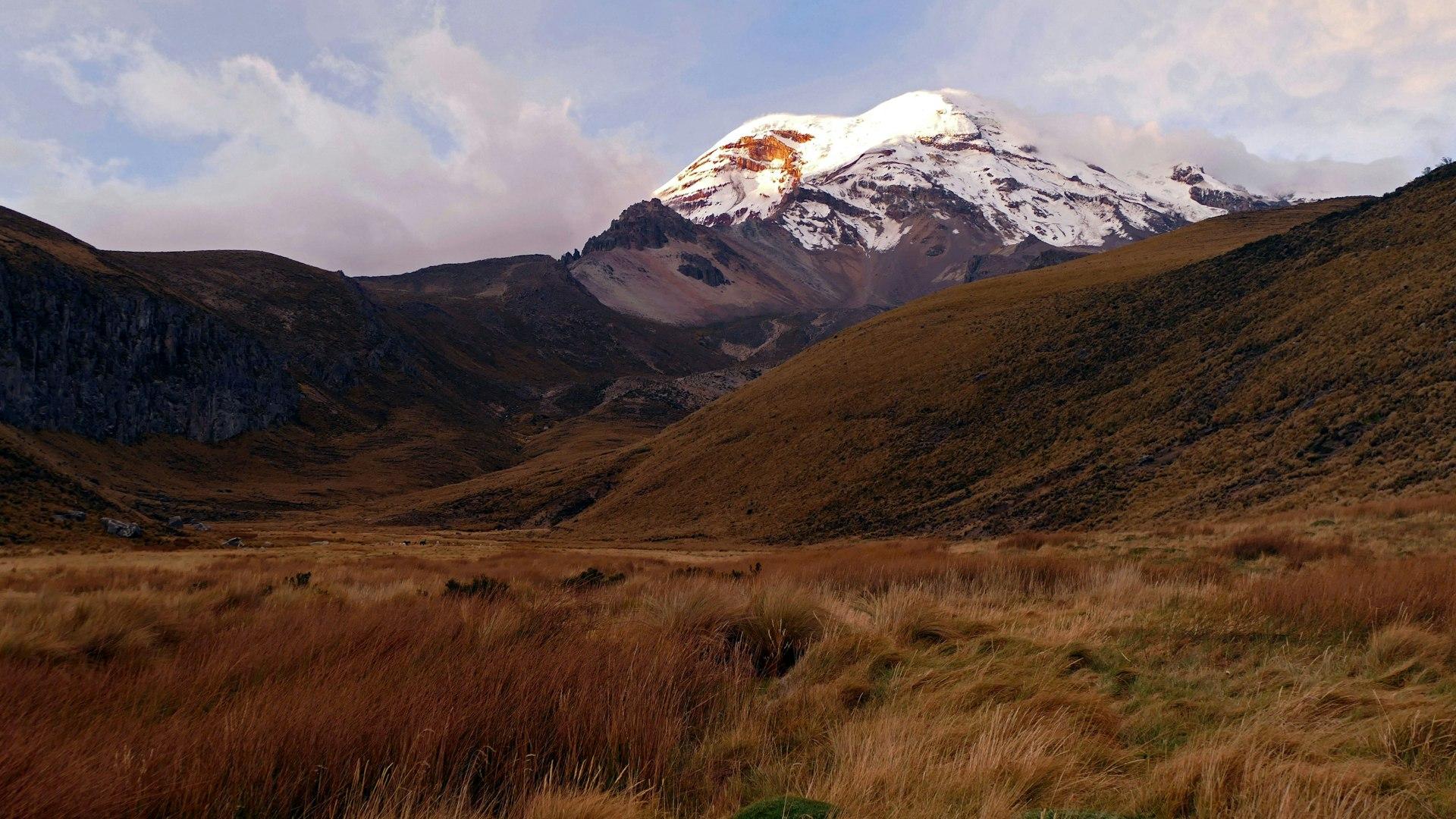
Photo by Joris Beugels on Unsplash
Ecuador: Four Worlds in One Small Territory
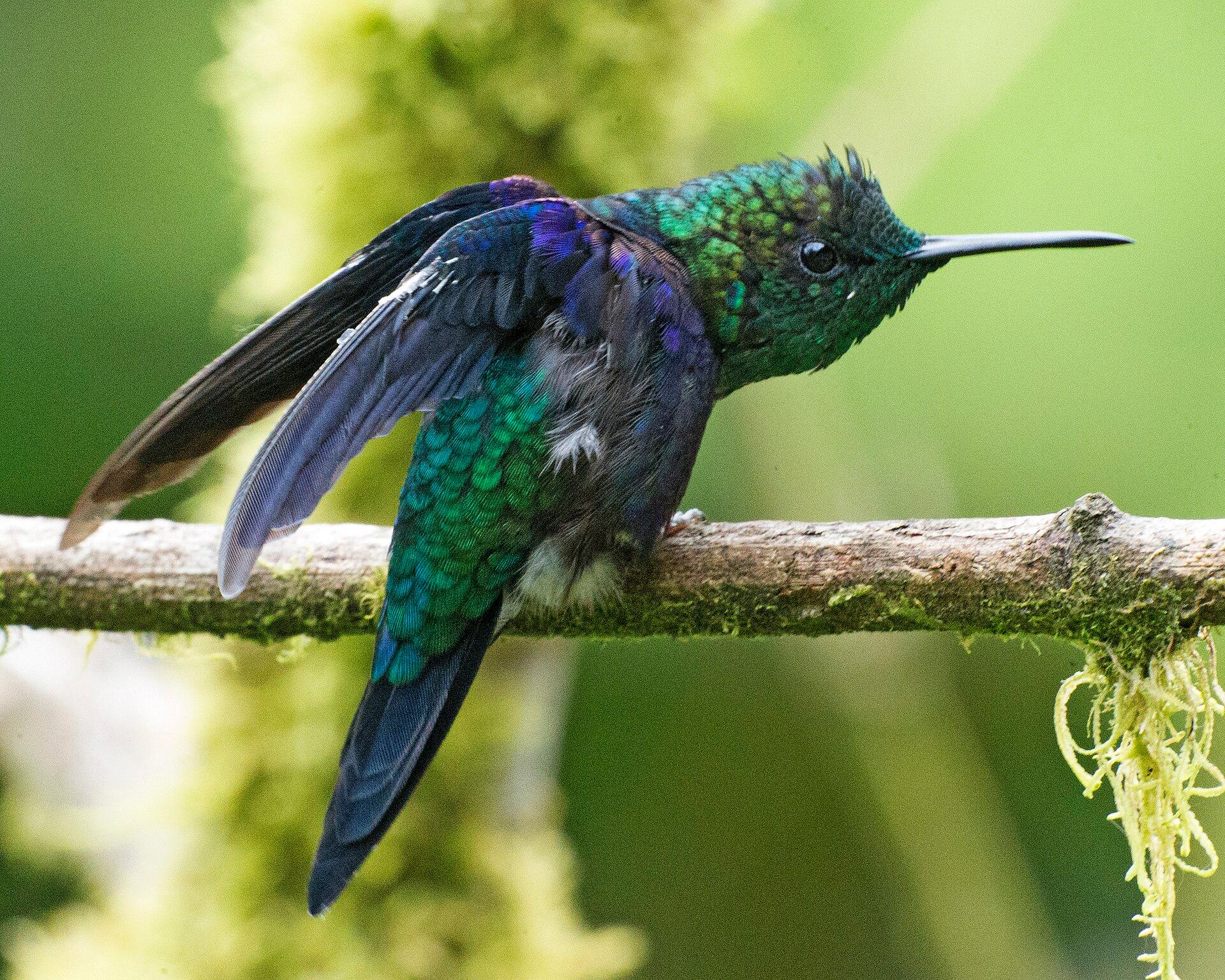
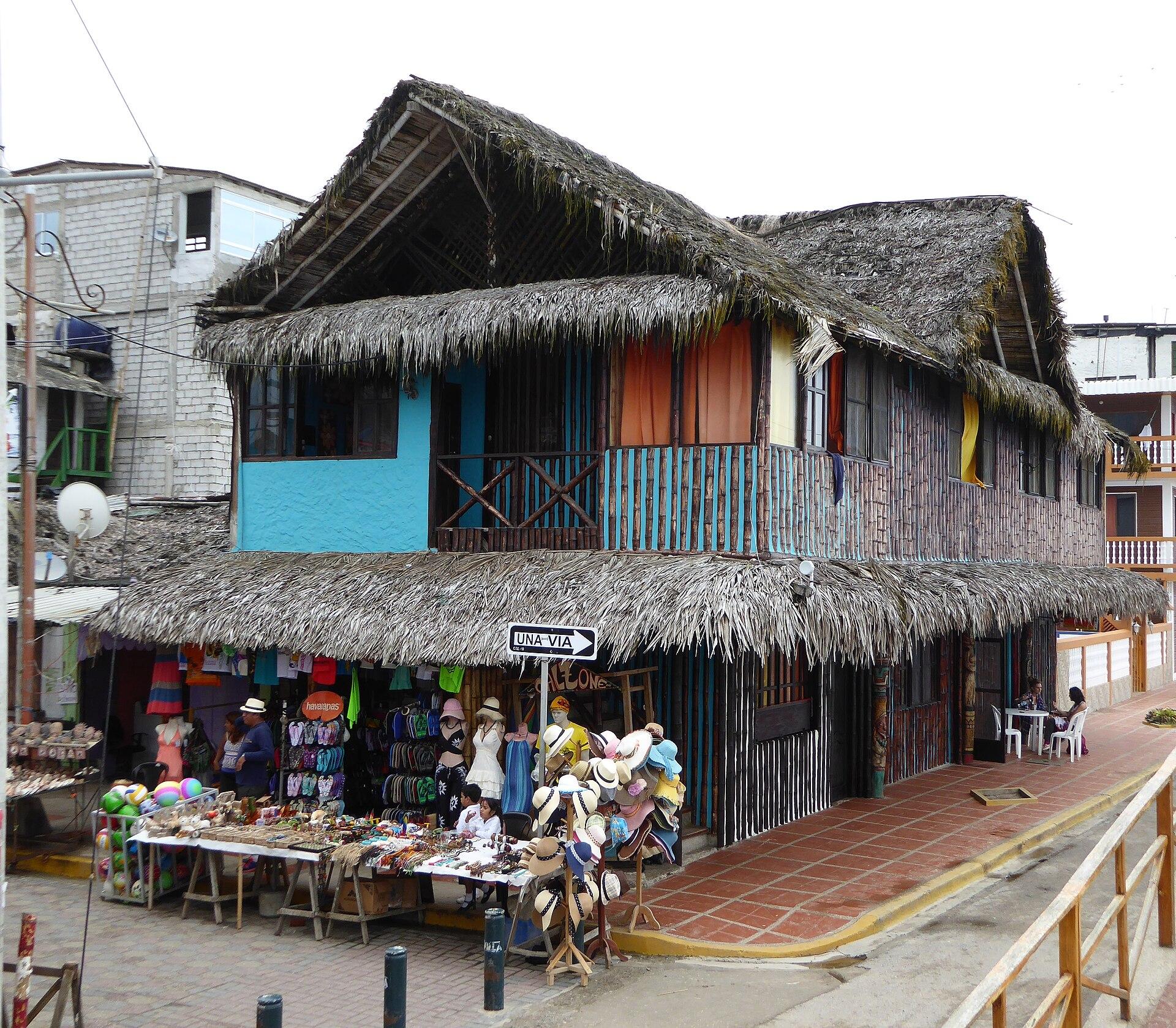
Ecuador sits on the equator in northwestern South America, bordered by Colombia to the north and Peru to the south and east. Despite covering only 283,561 km², the country contains four distinct geographic zones: the Pacific Coast, the Andean Sierra, the Amazon Basin, and the Galápagos Islands — 972 km west of the mainland. That compression of ecosystems into a single country is what draws naturalists, trekkers, and cultural travelers year after year.
Cities Worth Exploring
Quito, the capital, sits at 2,850 m above sea level in a narrow Andean valley. Its colonial core — declared a UNESCO World Heritage Site in 1978 — contains more than 30 historic churches and convents within a walkable grid. The Iglesia de La Compañía de Jesús, completed in 1765, features seven tonnes of gold leaf on its interior walls. North of the old town, the Mariscal Foch neighborhood concentrates hotels, restaurants, and the city's main nightlife strip.
Guayaquil, Ecuador's largest city and primary port, sits on the Guayas River 45 km inland from the Gulf of Guayaquil. The Malecón 2000 riverside promenade stretches 2.5 km and anchors the regenerated city center. Las Peñas, the colonial hilltop barrio at the northern end of the malecón, is the reference point for boutique stays and gallery visits.
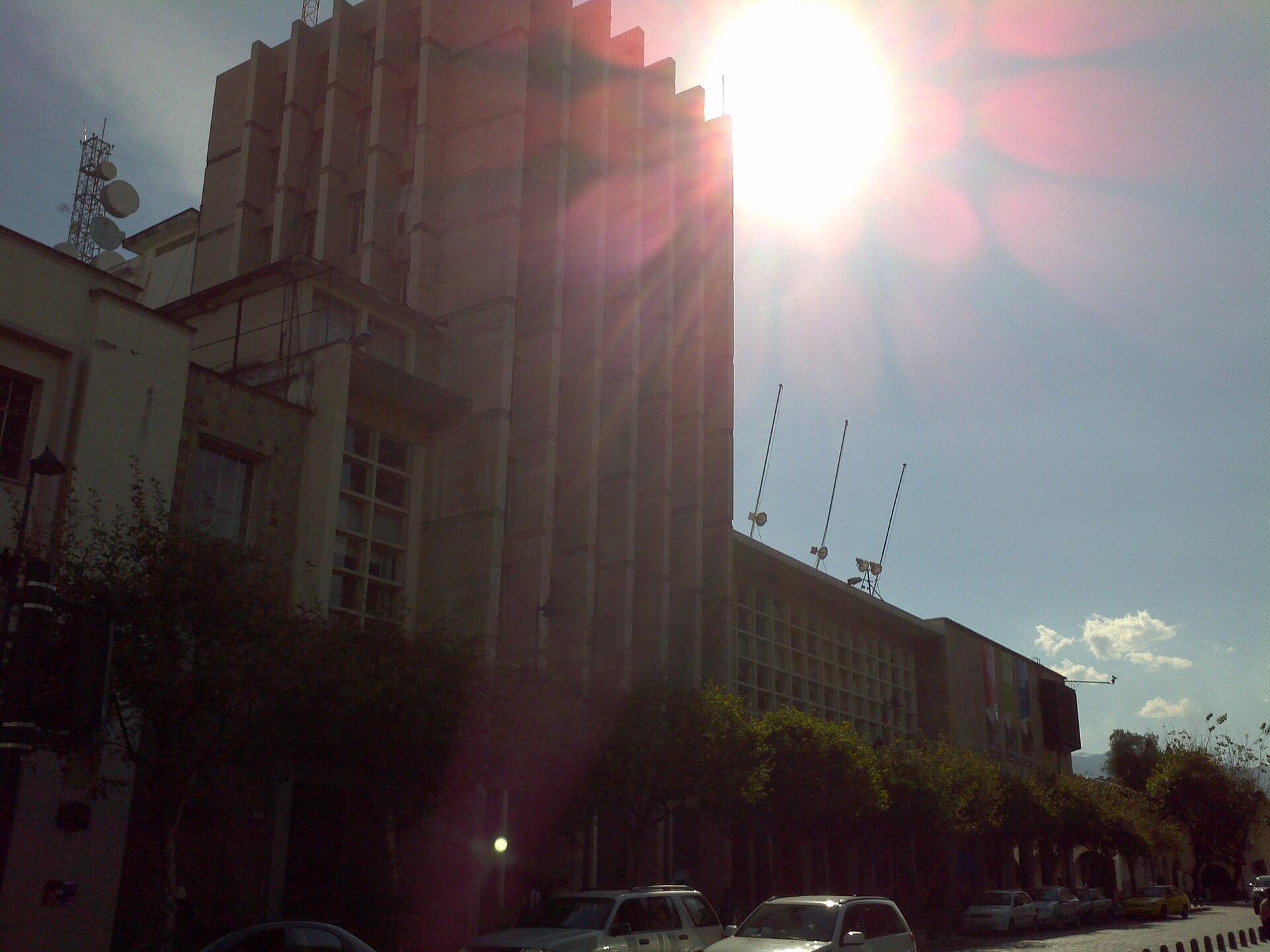
Cuenca, a third major hub in the southern Sierra at 2,560 m, is known for its 16th-century Spanish colonial architecture, the Catedral de la Inmaculada Concepción (whose blue domes are visible from most of the city center), and a strong craft tradition in panama hats — which are, despite the name, produced here.
The Galápagos and Amazon Regions
The Galápagos Islands receive around 330,000 visitors per year under a quota-managed permit system. Santa Cruz island hosts the Charles Darwin Research Station and most visitor infrastructure. Liveaboard dive and nature cruises depart from Baltra and San Cristóbal airports. Advance booking of 3–6 months is standard for peak season (June–September and December–January).
The Ecuadorian Amazon — locally called El Oriente — covers roughly 131,000 km² east of the Andes. Tena and Coca (officially Francisco de Orellana) serve as gateways. Lodge stays on the Napo River corridor place travelers within primary rainforest within two hours of Quito by air or five hours by road.
Practical Tips for Visiting Ecuador
- Currency: The US dollar has been Ecuador's official currency since 2000; no exchange is needed for US travelers.
- Altitude: Quito and Cuenca both exceed 2,500 m — allow 24–48 hours of acclimatization before strenuous activity.
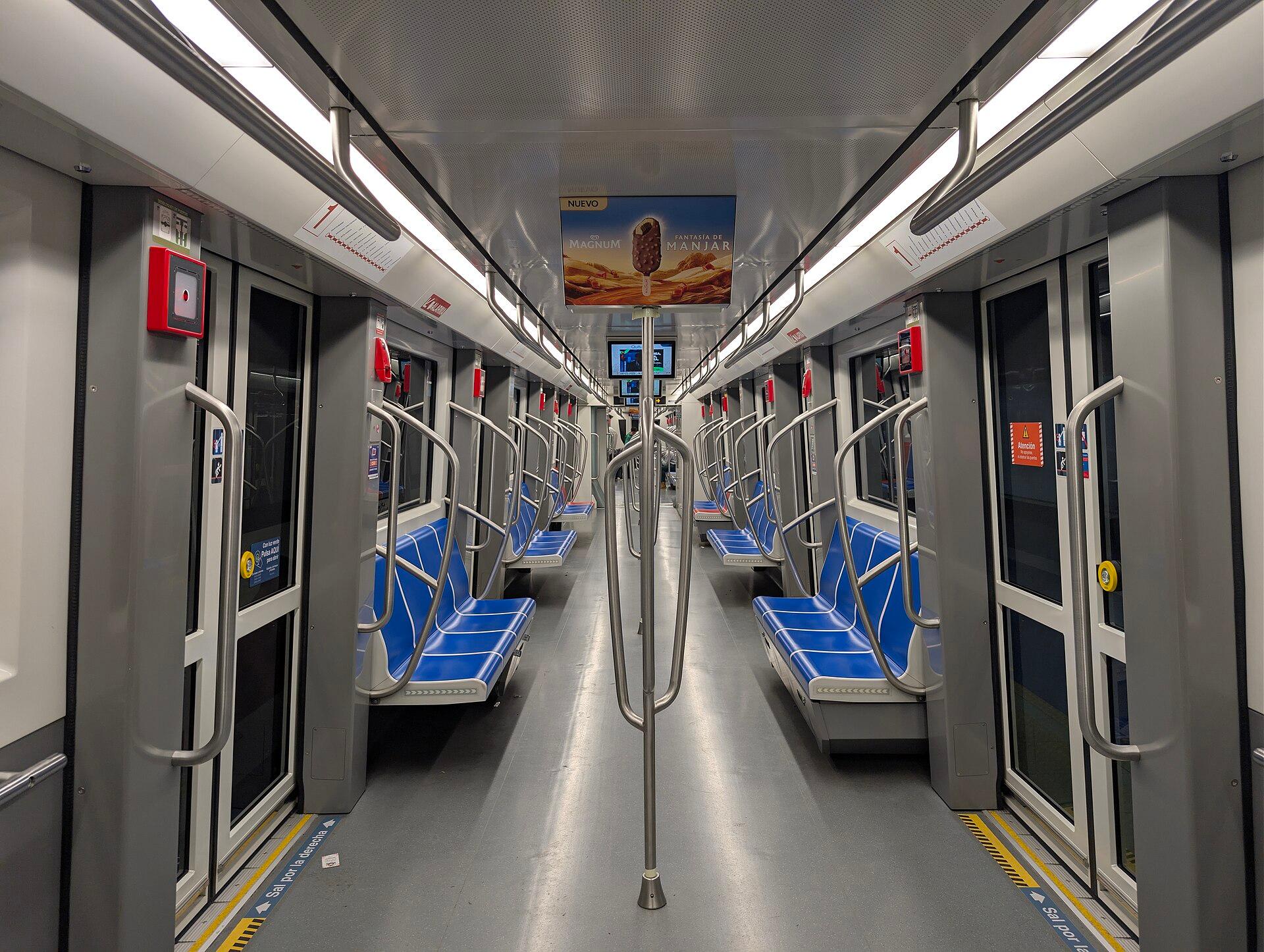
- Getting around: Intercity buses connect major cities reliably; the Quito Metro (Line 1, opened 2023) links the airport to the historic center in under 35 minutes.
- Best time to visit: The Sierra is driest June–September; the Coast peaks December–April; the Galápagos has two seasons with different wildlife highlights in each.
- Pack layers: Quito's equatorial altitude means cool evenings year-round even when midday temperatures reach 20 °C.
Frequently Asked Questions
Q: Do travelers need a visa to visit Ecuador? A: Citizens of the US, EU, UK, and most Latin American countries can enter visa-free for up to 90 days. A valid passport and proof of onward travel are required at entry.
Q: Which Ecuadorian city has the most hotel options? A: Guayaquil and Quito have the largest hotel inventories, ranging from international chain properties near their respective airports to colonial boutique hotels in their historic centers.
Q: How far in advance should Galápagos trips be booked? A: Most operators recommend booking liveaboard and island-lodge packages 3–6 months ahead, particularly for departures between June and September.
Q: Is Ecuador safe for travelers? A: Safety conditions vary by region and change frequently. The historic centers of Quito and Cuenca are generally accessible with standard urban precautions; travelers should check current government advisories before visiting border provinces or certain coastal areas.
Q: What is the local currency in Ecuador? A: Ecuador uses the US dollar. Coins circulate alongside US coins; $1 and $2 Ecuadorian coins are legal tender but rarely accepted outside Ecuador.